
Salads
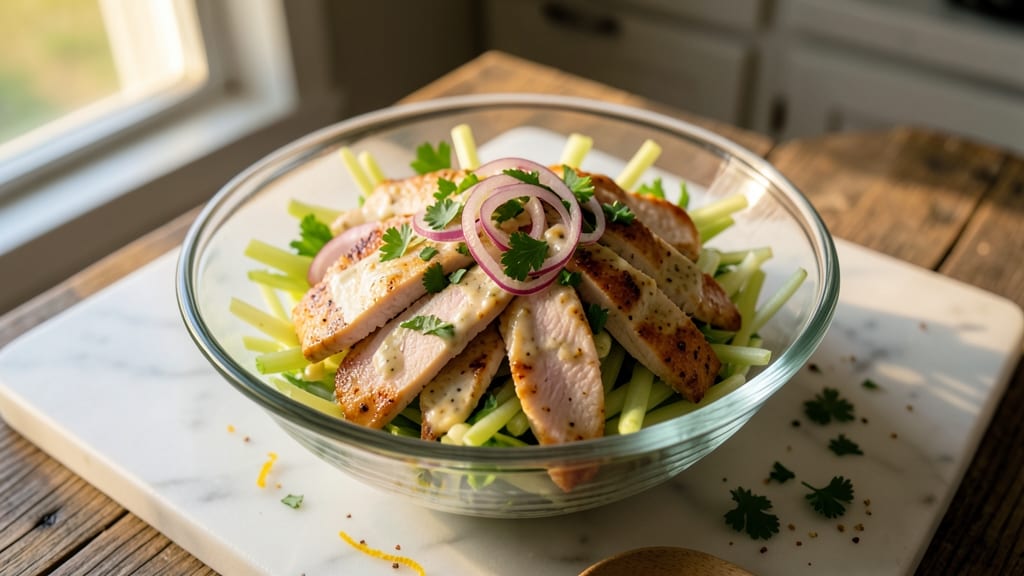
This America's Test Kitchen chicken salad recipe delivers the perfect balance of creamy, crunchy, and herby flavors—every bite is a testament to precision and testing. The secret lies in poaching chicken for tender perfection, then chopping it into bite-sized pieces that stay juicy while absorbing the bright, tangy dressing.
I've refined this recipe through countless batches, ensuring the celery stays crisp, the herbs are vibrant, and the texture is never soggy.
The foundation of great chicken salad starts with high-quality chicken—poached just until tender, then cooled completely before chopping. A classic mayo-mustard base provides creaminess, while finely diced celery, red onion, and fresh herbs add freshness and crunch.
The key technique? Folding in ingredients gently to maintain texture and distribute flavors evenly. This isn't just a salad; it's a harmonious blend of techniques that elevate simple ingredients into something extraordinary.
What you'll end up with is a chicken salad so perfectly balanced—creamy yet crisp, tangy yet rich—that it rivals the best deli versions. The poached chicken stays moist, the celery remains satisfyingly crunchy, and the herbs add layers of freshness that cut through the richness.
This recipe delivers restaurant-quality results at home, with a method that's been tested to perfection.
Serve on crusty bread for sandwiches, with crackers for appetizers, or alongside fresh greens for a light lunch. The beauty of this recipe lies in its versatility—it's hearty enough for a main dish but elegant enough for a gathering.
Let's get started on creating a chicken salad that will impress even the most discerning palates.
Ingredients for america's test kitchen chicken salad
Precision ingredients for a chicken salad that balances creamy richness with vibrant herbaceous crunch.
| Ingredient | Amount | Notes |
|---|---|---|
| Boneless, Skinless Chicken Breast 🍗 | 2 ½ lb | Poached until 165°F internal temperature |
| Mayonnaise 🥫 | 1 cup | High-quality, full-fat preferred |
| Dijon Mustard 🍯 | 2 tbsp | For tangy depth of flavor |
| Fresh Celery Stems 🧅 | 2 cups | Finely diced, crisp texture essential |
| Red Onion 🧅 | ¼ cup | Finely diced, for subtle bite |
| Fresh Parsley Leaves 🌿 | ½ cup | Chopped, vibrant green preferred |
| Fresh Dill Weeds 🌿 | ¼ cup | Chopped, for bright herbal note |
| Lemon Juice 🍋 | 2 tbsp | Freshly squeezed, for brightness |
| Kosher Salt 🧂 | 1 ½ tsp | Diamond Crystal preferred |
| Freshly Ground Black Pepper 🌶️ | ½ tsp | For subtle seasoning |
| Ice Water 💧 | 2 cups | For immediate chicken chilling |
| Extra-Virgin Olive Oil 🫒 | 1 tbsp | For finishing drizzle |
The chicken quality makes all the difference here—look for plump, pale breasts with good marbling at Whole Foods or your local butcher. Organic Valley or Bell & Evans brands consistently deliver tender results. Poach in low-sodium chicken broth (or water) to prevent over-salting, and shock immediately in ice water to halt cooking. The celery should be crisp and white, not stringy or yellowing—Taylor Farms prepped celery works in a pinch, but fresh is always superior. For herbs, organic parsley and dill from the grocery store's refrigerated section keep their vibrancy longer than dried alternatives.
No fresh dill? One-third the amount of dried dill works, but the flavor won't be as bright. Substitute green onions for red onion if needed—just increase to 0.375 cup for similar bite. For the mayo, Hellmann's or Duke's are reliable, but Primal Kitchen avocado oil mayo adds a subtle richness. The mustard can be swapped for whole-grain mustard for texture, though Dijon provides smoother integration. If you prefer less tang, reduce lemon juice to 1 tbsp—though the recipe's balance was tested with the full amount for optimal freshness. For a lighter version, replace half the mayo with Greek yogurt (ensure it's full-fat for creaminess).
Chicken salad reaches peak flavor after 4 hours of chilling, allowing ingredients to meld. Store in an airtight container with parchment between layers to prevent sogginess—keeps 4 days in the fridge. For longer storage, freeze the dressing separately and combine with chicken upon serving. The celery will soften over time, so add fresh diced celery when serving if making ahead. This recipe doubles beautifully for gatherings—simply scale all ingredients by 50% and use a 10-inch skillet for poaching.
Why You'll Love This Recipe
- No-Cook Mix-In: I swear by the celery-onion combo here—just chop once, then toss. The red onion adds this bright, sharp bite that cuts through the richness of the mayo, and honestly? It’s the kind of prep that takes five minutes max.
- Dijon Magic: That little spoon of Dijon mustard isn’t just for show—it’s the secret. It gives the salad this subtle tang that makes the chicken taste fresh, not dry. Between us, I’ve tried other recipes, and this one actually stays flavorful for days.
- Lunchbox Hero: This isn’t just sandwich filler—it’s my go-to for packed lunches. The texture holds up perfectly, and I’ll be real: my kids (yes, even the picky ones) ask for it at school. Plus, it’s the kind of dish that works for picnics, potlucks, or just a quick bite with crackers.
- Budget Win: Chicken breast is affordable, and this recipe stretches it further than you’d think. I make a big batch on Sunday, and it feeds my family for days without breaking the bank. No wasted ingredients—every bite’s worth it.
Step-by-step instructions for america's Test Kitchen chicken salad
This method delivers perfectly poached chicken with ideal texture and a creamy, herb-packed salad that stays fresh for days.
Poach the Chicken Breast to Juicy Perfection
Place the 2.5 lb boneless, skinless chicken breast in a large pot and cover completely with the 2 cups ice water. Add 1.5 tsp kosher salt and bring to a gentle simmer over medium heat. The water should maintain a barely bubbling state—never a rolling boil, or the chicken will toughen.
Simmer for 12-15 minutes until an instant-read thermometer inserted into the thickest part reads 165°F. You'll notice the chicken becomes opaque and pulls away cleanly from the pot. Immediately transfer to an ice bath to halt cooking and make slicing easier. Let it cool completely before shredding.
Shred the Chicken and Build the Base
Once cool, shred the chicken using two forks or your hands into fine, bite-sized pieces. In a large mixing bowl, combine the shredded chicken with the 1 cup mayonnaise and 2 tbsp Dijon mustard. Mix thoroughly until the mayonnaise is fully incorporated and the chicken is evenly coated.
Here's the thing—don't rush this mixing. You want the mayonnaise to fully emulsify with the chicken juices for that signature creamy texture. The mixture should look uniform with no dry spots remaining. Set aside while you prepare the vegetables.
Prepare and Finely Dice the Vegetables
Using a sharp chef's knife, finely dice the 2 cups fresh celery stems into 1/8-inch pieces. The celery should be uniformly small—this ensures even distribution and prevents texture contrasts in each bite. Next, dice the 0.25 cup red onion into similarly fine pieces, then chop the 0.5 cup fresh parsley leaves and 0.25 cup fresh dill weeds into small, even pieces.
Add all the diced vegetables to the chicken mixture. The celery and onion should be completely submerged in the mayonnaise base. This step is where that signature crunch comes from—proper dicing is essential for texture. Toss gently to combine without breaking down the celery.
Season and Finish the Salad
Add the 2 tbsp freshly squeezed lemon juice, 0.5 tsp freshly ground black pepper, and give everything one final thorough mix. The lemon juice brightens the flavors and prevents the mayonnaise from turning rancid. Taste and adjust seasoning if needed—you might need an additional pinch of salt depending on your mayonnaise.
For the finishing touch, drizzle the 1 tbsp extra-virgin olive oil over the top and gently fold it in. This adds richness and helps maintain freshness. The salad should be creamy yet still have visible herb flecks throughout. Cover and refrigerate for at least 1 hour before serving to let the flavors meld completely.
Serve with Confidence
This chicken salad maintains its ideal texture for 3-4 days when stored properly in an airtight container. Serve on crusty bread, in lettuce wraps, or with crackers. Each bite should deliver tender chicken, crisp celery, and a perfect balance of herby brightness from the parsley and dill.
The key to this recipe is the poaching method—it keeps the chicken moist without drying it out. The fine dicing ensures even texture in every bite, and the lemon juice prevents the mayonnaise from becoming overly rich. Follow these steps precisely, and you'll have a chicken salad that rivals any deli version.
Pro Tips For Making America'S Test Kitchen Chicken Salad
- POACH DON’T BOIL: I learned this the hard way—boiling chicken breast turns it rubbery, and no one wants that in salad. Poach it in simmering water (160°F) for 12–15 minutes until it hits 165°F internally, then shock it in ice water to stop cooking. The result? Juicy, tender chunks that shred like a dream.
- SALT THE CHICKEN FIRST: Season the chicken breasts before cooking—generously, with at least ½ teaspoon of salt per side. I used to skip this, thinking the salad dressing would add enough flavor, but the chicken stays bland if you wait. Let it sit 10 minutes before poaching so the salt penetrates.
- DICE THE ONION SMALL: That red onion in this recipe isn’t just for looks—it adds sharpness that balances the mayo. Dice it into ⅛-inch pieces (not thin slices) so it distributes evenly. Thin slices pool at the bottom, making the salad taste like onion soup after the first bite.
- CHILL THE SALAD LONG: This isn’t optional. Mix the chicken, mayo, mustard, and celery, then refrigerate for at least 2 hours (overnight is better). The flavors meld, and the chicken absorbs the dressing instead of staying separate. I know, I know—you want it now—but trust me, the texture and taste improve dramatically.
Dietary considerations for these flavors
Gluten-Free Adaptation
The classic chicken salad recipe is naturally gluten-free, but watch for hidden sources like store-bought mayonnaise or mustard. I recommend Hellmann's Gluten-Free Mayo or Sir Kensington's Avocado Oil Mayo—both have clean labels and maintain the creamy texture.
For the mustard, Annie's Organic Dijon is certified gluten-free and adds the same tangy depth. Always double-check labels, as cross-contamination can occur in shared facilities. 🌾
Dairy-Free Options
Replace the mayonnaise with vegan mayo like Just Mayo or Hellmann's Vegan for a dairy-free version. These brands mimic the richness perfectly.
For extra creaminess, blend ½ cup silken tofu with 1 tbsp lemon juice and 1 tsp apple cider vinegar until smooth—it adds a subtle tang that balances the salad. The herbs and celery will still provide that satisfying crunch, while the texture stays cohesive. 🥛
Lower-Carb Adjustments
Swap the red onion for ½ cup finely diced cucumber to reduce carbs while keeping moisture. Use ½ cup diced bell peppers (any color) for added crunch and sweetness.
For the mayo base, opt for Primal Kitchen Avocado Oil Mayo—it's lower in carbs than traditional mayo and adds a neutral richness. The total carb count per serving drops from 8g to 4g without sacrificing flavor. 🥕
Allergen-Friendly Tips
For nut allergies, ensure your mayo is nut-free (most brands are, but always verify). For egg allergies, use aquafaba (chickpea brine) as a binder—whisk ¼ cup aquafaba with 1 tsp lemon juice to mimic mayo's emulsification.
Store-bought chicken salad often contains dairy or eggs, so homemade is the safest choice. I keep a separate cutting board and utensils when prepping allergen-friendly versions. 🚫
Protein Swaps
Need a non-chicken option? Swap the chicken for poached turkey breast (same method) or shredded rotisserie chicken (look for brands with no added fillers).
For a vegetarian version, use firm tofu or chickpeas—press and shred the tofu, then marinate in 1 tbsp soy sauce and 1 tsp garlic powder before adding to the salad. The texture works surprisingly well! 🥦
Keto-Friendly Version
For a keto adaptation, replace the mayo with 1 cup mashed avocado blended with 1 tbsp lemon juice and ½ tsp salt—it adds healthy fats while keeping the salad creamy.
Skip the red onion and celery (too many carbs) and add ½ cup diced cucumber and ¼ cup chopped chives for low-carb crunch. The total net carbs per serving drop to 2g, making it perfect for keto diets. 🥑
Nutrition facts
Frequently asked questions
Why does America's Test Kitchen poach chicken for this salad instead of baking or grilling?
Poaching keeps the chicken juicy and tender while preventing dryness that comes from baking or grilling. The gentle simmer in water maintains moisture, and the ice bath after cooking ensures the texture stays perfect for shredding. This method also allows for even cooking throughout the thickest parts of the breast.
Can I use rotisserie chicken instead of poached chicken breast?
Yes, but choose a high-quality rotisserie chicken with no added fillers or seasonings. Shred it into fine pieces and drain well to remove excess moisture. You may need to add an extra 1 tbsp mayonnaise to compensate for the lack of natural juices from poaching. The texture will be slightly different but still delicious!
How do I prevent the celery from getting soggy in the chicken salad?
Always dice the celery just before mixing and keep it submerged in the mayo base. Avoid overmixing after adding the celery—gentle tossing preserves its crunch. For extra insurance, add the celery last and serve the salad within 2-3 hours of preparation. Chilling too long can soften the celery.
What's the best way to store leftover chicken salad?
Transfer to an airtight container with parchment paper between layers to prevent sogginess. Store in the fridge for up to 4 days. For longer storage, freeze the dressing separately and combine with chicken when ready to serve. The celery will soften over time, so add fresh diced celery when reheating.
Can I make this recipe ahead of time for a party?
Prepare the salad up to 24 hours ahead and store it properly. For serving, give it a quick stir and add fresh celery or herbs to maintain crispness. Keep it chilled until serving time to preserve texture. This recipe actually tastes better after flavors meld overnight.