
Sauces & Condiments
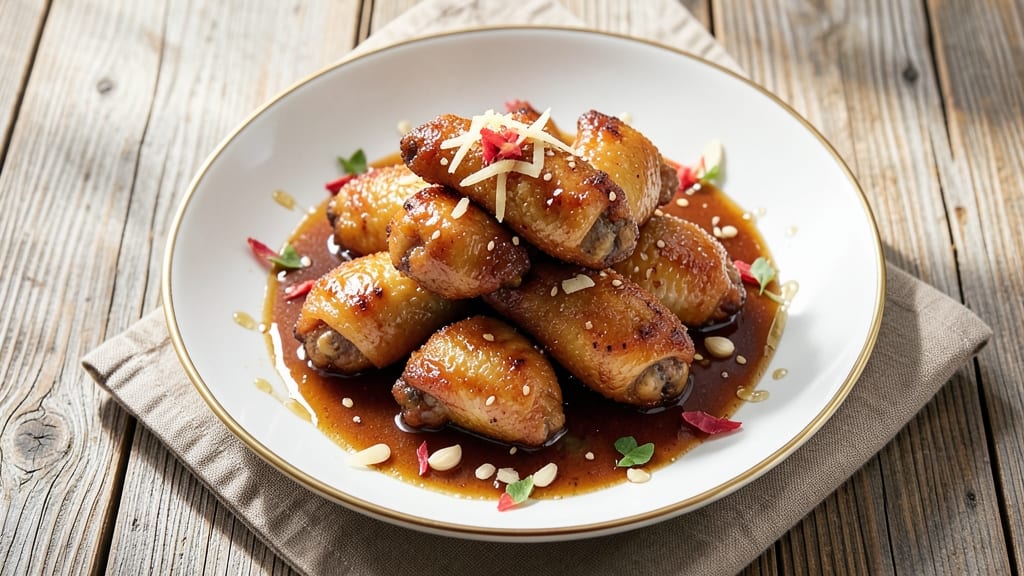
This Asian chicken wing sauce recipe transforms ordinary wings into finger-licking masterpieces with just a few pantry staples. The balance of soy sauce, honey, garlic, and ginger creates a sticky-sweet glaze that caramelizes beautifully, while a touch of chili adds just the right kick.
I developed this sauce after years of experimenting with takeout flavors—now you can recreate that same restaurant-quality depth at home, whether you're grilling, baking, or dipping.
The secret lies in the umami-packed combination of soy sauce and sesame oil, which builds rich, savory layers that stand up to the heat. Fresh ginger and garlic infuse warmth without overpowering, while a splash of rice vinegar brightens the flavor profile.
This sauce works as both a marinade (for extra tenderness) and a glaze (for that perfect caramelized crust), making it incredibly versatile for any cooking method.
What makes this sauce truly special is how it elevates simple ingredients into something extraordinary—no fancy techniques required. The ingredients simmer together until thick and glossy, creating a glaze that clings to every bite.
Store it in the fridge for up to two weeks, or freeze for longer shelf life, so you always have a quick solution for wing night.
Perfect for game day, weeknight dinners, or meal prep, this sauce delivers restaurant-quality flavor with minimal effort. Whether you're serving up crispy baked wings or tossing them on the grill, this glaze will have everyone asking for seconds. Let's get started!
Ingredients for asian chicken wing sauce
Pantry staples and fresh aromatics create this restaurant-style wing sauce in minutes.
| Ingredient | Amount | Notes |
|---|---|---|
| Soy Sauce 🍶 | ½ cup | Light or dark variety preferred |
| Honey 🍯 | ⅓ cup | Wildflower or clover preferred |
| Sesame Oil 🫒 | 1 tbsp | Toasted sesame oil for aroma |
| Fresh Ginger 🌿 | 2 tbsp | Finely grated, aromatic |
| Garlic Cloves 🧄 | 4 cloves | Minced, fresh preferred |
| Rice Vinegar 🍶 | 1 tbsp | White or seasoned variety |
| Red Chili Flakes 🌶️ | 1 tbsp | Adjust for heat preference |
| Sesame Seeds 🥜 | 1 tbsp | Toasted, for garnish |
| Cornstarch 🌾 | 1 tbsp | For thickening the glaze |
| Water 💧 | ¼ cup | Room temperature preferred |
The soy sauce is the flavor foundation—Kikkoman light soy gives the best balance, but La Choy works too. For honey, avoid the overly processed kind; Wildflower or clover from a local market adds depth. Fresh ginger and garlic are non-negotiable here—they bring that bright, zesty punch that jarred or powdered versions can't match. If you're short on time, frozen ginger works in a pinch, but toast the sesame seeds first—they add a nutty aroma that transforms the sauce. Trader Joe's has pre-minced garlic if you're feeling lazy, but fresh always wins.
No sesame oil? Toasted peanut oil is a decent swap, though it lacks the distinct aroma. Running out of rice vinegar? Apple cider vinegar at half the amount adds tang without overpowering. Chili flakes too spicy? Cut them with a pinch of sugar or honey. For extra umami, add a dash of fish sauce (if not vegetarian) or mushroom powder—just a teaspoon makes a difference. The cornstarch is key for that glossy finish; if you don't have it, arrowroot powder works too. And if your sauce isn't thickening enough, simmer it longer—it'll come together.
This sauce keeps for 2 weeks in the fridge, sealed tightly in a jar. For longer storage, freeze it in ice cube trays—perfect for single-use portions. The flavor actually improves after a day or two as everything melds. If you make extra, toss it in the freezer; it thaws in seconds when microwaved. Garnish with toasted sesame seeds right before serving—they add crunch and visual appeal. And trust me, double the batch. You'll want it on everything.
Why You'll Love This Recipe
- I’ll be real: this sauce costs me less than $5 to make, and a little goes a long way. The leftovers? They keep for weeks in the fridge, so I’m always covered for last-minute cravings or when I forget to meal prep. Plus, the ginger and garlic stretch across multiple recipes, so I’m not wasting anything.
- Pantry Magic: I swear by this sauce because it uses what’s already in my cupboard—no obscure ingredients, just soy sauce, honey, and a splash of sesame oil. That first bite? The garlic and ginger hit like a warm hug, but it’s all thanks to ingredients I grab without a second thought.
- One-Pot Wonder: Honestly, this sauce is ridiculously easy—just toss everything in a small pot, simmer for 10 minutes, and you’re done. No blenders, no strainers, no mess. The honey and soy sauce caramelize into something so rich, it’s like a shortcut to restaurant-quality flavor without the fuss.
- Game for Any Night: Between us, this sauce is my go-to for lazy nights, game days, or when I’m too tired to cook. Drizzle it over wings, toss it with noodles, or even slather it on grilled chicken—it’s that versatile. My roommates still ask for seconds, even after I’ve made it six times in a row.
Step-by-step instructions for Asian chicken wing sauce
This sauce delivers bold, balanced flavor with a perfect balance of sweet, spicy, and umami.
Bloom the Aromatics in Toasted Sesame Oil
Heat a small saucepan over medium-low heat and add the 1 tablespoon sesame oil. Let it warm for 30 seconds until fragrant—you'll smell that nutty, toasted aroma. This is where the sauce builds its depth.
Add the 4 cloves minced garlic and 2 tablespoons finely grated fresh ginger. Cook for 1 minute until the garlic turns golden and the ginger loses its raw bite. Be careful not to let it brown—just until fragrant. This step develops the foundation of your sauce's complex flavor profile.
Combine Wet Ingredients for the Base
In a separate bowl, whisk together the 0.5 cup soy sauce, 0.33 cup honey, 1 tablespoon rice vinegar, and 1 tablespoon red chili flakes. This mixture should be smooth with no visible streaks of honey. The honey will dissolve completely when heated.
If your chili flakes are particularly potent, taste the mixture now—you can adjust the heat later if needed. The vinegar adds a bright acidity that cuts through the richness of the honey and soy sauce, creating balance.
Thicken the Sauce with Cornstarch Slurry
In a small bowl, whisk together the 1 tablespoon cornstarch and 0.25 cup water until completely dissolved. This slurry is your thickening agent—adding it all at once ensures a smooth, glossy finish without lumps.
Return the saucepan with your aromatics to medium heat. Pour in the wet ingredients and stir constantly for 2 minutes until the mixture begins to bubble. Then add the cornstarch slurry in a slow, steady stream while whisking vigorously. The sauce will thicken dramatically within 30-60 seconds—keep whisking until it reaches a glossy, syrupy consistency that coats the back of a spoon.
Simmer and Adjust for Perfect Balance
Reduce the heat to low and let the sauce simmer gently for 3-4 minutes. This final simmer allows all the flavors to meld together while preventing the honey from crystallizing. Taste and adjust the seasoning—you might need a touch more soy sauce for saltiness, honey for sweetness, or chili flakes for heat.
The sauce should be thick enough to coat the back of a spoon but still flow smoothly. If it's too thick, add 1 teaspoon water at a time until you reach the perfect consistency. For extra depth, sprinkle in 1 tablespoon toasted sesame seeds and stir briefly—these will add texture and nutty aroma to every bite.
Cool and Store for Maximum Flavor Development
Remove the sauce from heat and let it cool to room temperature. The flavors will continue to develop as it cools, becoming even more complex. For best results, store the sauce in an airtight container in the refrigerator for up to 2 weeks—it actually tastes better after a day or two as the flavors meld.
When ready to use, reheat gently in a small saucepan over low heat, stirring occasionally until warmed through. This sauce works beautifully on grilled, baked, or air-fried wings—just toss them in the warm sauce for a sticky, flavorful finish. The perfect balance of sweet, spicy, and umami will have everyone asking for seconds!
Pro Tips For Making Asian Chicken Wing Sauce
- SIMMER LOW AND SLOW: I used to blast this sauce on high, thinking it’d caramelize faster—wrong. Keep it at a gentle simmer (3-4 minutes) so the honey doesn’t scorch and the ginger/garlic actually infuse instead of burning. You’ll smell that sweet, aromatic magic before you see it.
- GRATE GINGER FINE: Skip the mincer or big chunks—grate that ginger super fine (like table salt texture). Too much surface area means it dissolves cleanly into the sauce, not lurking as bitter bits at the bottom. (Yes, even if you’re impatient like me.)
- TASTE BEFORE YOU HONEY: Add the honey last after checking the sauce’s balance. If it’s too salty from soy, a splash of water or extra honey fixes it—but once you dump in that honey, you’re locked in. Adjust flavor first, then sweeten.
- USE TOASTED SESAME OIL: That jarred sesame oil? Save it for stir-fries. For this sauce, heat ½ teaspoon in a dry pan until it just starts to shimmer (30 seconds max), then cool it before mixing in. The nutty aroma explodes—it’s the thing that matters most.
Make-ahead tips for this dish
Prep Ahead Sauce
Make this sauce up to 3 days in advance—it tastes even better after flavors meld! Store in an airtight glass jar in the fridge, where it’ll keep for 2 weeks. The longer it sits, the deeper the umami develops, especially if you let it cool completely before sealing.
I like to make a big batch on Sunday so I’m ready for wing night any night of the week. 💫
Freezer-Friendly Portions
Freeze in ice cube trays for single-use portions—just pop out what you need and thaw in the microwave for 20-30 seconds. The sauce reheats beautifully and maintains its glossy texture. Label each cube with the date so you don’t forget.
For larger batches, use silicone molds or small freezer bags, leaving ½-inch headspace for expansion. Thawed sauce works perfectly for marinating wings or tossing on grilled meats. ❄️
Double the Batch
This sauce is so versatile, I always double the recipe—it disappears fast! Use the extra for stir-fries, glazing tofu, or drizzling over rice bowls. Store in two separate jars to keep flavors fresh longer.
The sauce also makes an amazing dipping sauce for spring rolls or dumplings. Trust me, you’ll find a million uses for it before you realize it’s gone. 🍜
Reheating Like a Pro
Warm leftover sauce in a small saucepan over low heat, stirring constantly, until it reaches 160°F—about 3-5 minutes. Avoid high heat, or the honey may crystallize. For quick reheating, microwave in 15-second bursts, stirring between each, until smooth.
If the sauce thickens too much, add 1 teaspoon water at a time until it reaches a glossy consistency again. 🔥
Garnish Fresh
Toast 1 tablespoon sesame seeds in a dry pan over medium heat for 1-2 minutes until golden, then sprinkle over the sauce just before serving. This adds crunch and visual appeal.
Fresh cilantro or green onions also work beautifully as garnishes. The toasted seeds release their aroma when the sauce is hot, making every bite more flavorful. 🌿
Sauce Flexibility
Need to adjust? Swap honey for maple syrup (1:1) for a deeper caramel note, or replace soy sauce with coconut aminos for a gluten-free version. For extra heat, add ½ teaspoon gochujang or 1 teaspoon sriracha.
The sauce is forgiving—taste as you go and tweak to your preference. It’s all about balance, and you can always adjust later. 🌶️
Nutrition facts
Frequently asked questions
Can I make this sauce without honey?
Swap honey for maple syrup (1:1 ratio) or agave nectar for a similar sweetness. For a more savory profile, try 1 tablespoon brown sugar or 1 teaspoon molasses—just reduce the soy sauce slightly to balance the sweetness. The sauce will still caramelize beautifully, though the texture may be slightly less glossy.
How spicy should the sauce be?
The recipe includes 1 tablespoon chili flakes for a mild to medium heat level. For less spice, reduce to ½ tablespoon or omit entirely. For extra kick, add 1 teaspoon gochujang or ½ teaspoon cayenne pepper. Always taste as you go—you can adjust heat at the end, but you can't take it out once it's in!
Can I use this sauce as a marinade?
Yes! This sauce works perfectly as a marinade for 30-60 minutes before cooking. The acidity in the rice vinegar helps tenderize the chicken, while the soy and honey create a sticky crust. For best results, reserve ¼ cup of sauce to use as a glaze after cooking. Never marinate for longer than 2 hours in the fridge to prevent bacterial growth.
Why did my sauce turn grainy?
Graininess usually means the honey didn't dissolve completely. To fix it, whisk the sauce vigorously while heating it over low heat for 2-3 minutes. If it's still grainy, strain through a fine-mesh sieve. For prevention, make sure your honey is liquid (warm it gently if needed) and whisk all wet ingredients together thoroughly before adding to the pan.
What can I use this sauce on besides wings?
This versatile sauce works on grilled meats, tofu, stir-fries, or even as a dipping sauce for spring rolls or fries. Toss it with roasted vegetables or drizzle over rice bowls for an instant flavor boost. The balance of sweet, spicy, and umami makes it perfect for almost any savory dish!