
Main Courses
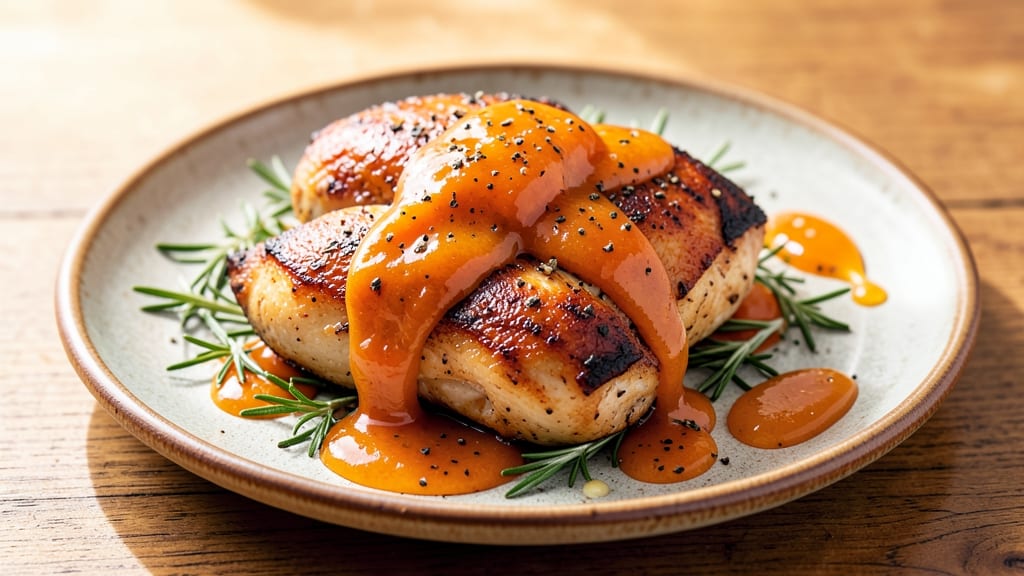
This baked chicken with orange marmalade recipe transforms ordinary roasted chicken into something extraordinary—juicy, tender meat kissed by caramelized orange glaze that balances sweet and savory perfectly. 🌟 The secret lies in basting the chicken repeatedly with marmalade as it bakes, creating a sticky-sweet crust that locks in moisture and delivers complex flavor in every bite.
I first discovered this technique while trying to use up leftover marmalade, and it became an instant family favorite.
The beauty of this recipe is its simplicity: just a few ingredients and 30 minutes of hands-on time before the oven does the work. The marmalade isn't just a topping—it's the star, adding depth with its citrus notes and subtle spice.
I've perfected the technique of basting at the right intervals to ensure even caramelization without burning, so you get that perfect balance of sweetness and savory richness.
What you'll end up with is golden-brown chicken that's crispy on the outside and impossibly tender inside, all coated in a glossy, caramelized glaze. The aroma alone will have everyone gathering at the table, and the first bite delivers that perfect harmony of juicy chicken and sweet-tangy marmalade.
This is the kind of dish that feels special enough for company but simple enough for a weeknight dinner.
Pair it with roasted vegetables or crusty bread to soak up every last bit of that delicious glaze. The marmalade's natural sweetness complements the chicken beautifully, making this a meal that's both comforting and impressive. Here's how to make it perfectly every time.
Ingredients for baked chicken with orange marmalade
A perfect balance of citrus sweetness and savory richness transforms simple chicken into an extraordinary centerpiece.
| Ingredient | Amount | Notes |
|---|---|---|
| Boneless, Skinless Chicken Thighs 🍗 | 1 ½ lb | Evenly sized for consistent cooking |
| Orange Marmalade 🍊 | ½ cup | High-quality, chunky variety preferred |
| Unsalted Butter 🧈 | ½ cup | Cold, cubed for basting |
| Fresh Orange Juice 🍊 | ¼ cup | Freshly squeezed, no pulp |
| Olive Oil 🫒 | 2 tbsp | Extra-virgin for richness |
| Garlic Cloves 🧄 | 4 cloves | Minced for aromatic base |
| Fresh Rosemary 🌿 | ½ tsp | Finely chopped, fresh preferred |
| Diamond Crystal Kosher Salt 🧂 | 1 ½ tsp | For seasoning and basting |
| Ground Black Pepper 🌶️ | ½ tsp | Freshly ground for best flavor |
| Honey 🍯 | 1 tbsp | For added sweetness and gloss |
| Fresh Thyme Leaves 🌿 | ¼ tsp | Dried works at 1/4 amount |
| Fresh Lemon Juice 🍋 | 1 tbsp | Brightens the glaze |
The chicken thighs are non-negotiable here—thicker cuts stay juicier during the long bake, while boneless and skinless ensure even cooking. Look for plump, firm thighs with minimal fat marbling at Whole Foods or your local butcher. If using breasts, pound them to even thickness to prevent dry spots. The marmalade should be chunky (not smooth) for texture—Bonnie Brae or Hodgson Mills are my go-tos, but any good-quality brand works. Fresh citrus is key: navel oranges yield the best juice, and the zest adds an aromatic depth that jarred juice can't match.
No marmalade? Substitute orange jelly or apricot jam in a pinch, though the texture won't be identical. Running short on butter? Olive oil or coconut oil works, but butter's richness is ideal for basting. Fresh herbs are worth the effort—dried thyme or rosemary at one-third the amount can stand in, but the flavor won't be as vibrant. For extra depth, add a pinch of ground cinnamon (½ tsp) to the glaze. The honey can be swapped for maple syrup if preferred, though it adds a distinct earthy note. If your marmalade is overly thick, thin it with a splash of orange juice before basting.
Prep the chicken and marmalade mixture ahead—it keeps in the fridge for 2 days if stored in an airtight container. The glaze thickens as it cools, so reheat gently with a splash of water if it becomes too stiff. Leftovers reheat beautifully in a 350°F oven for 10-15 minutes, covered loosely with foil. For make-ahead convenience, baste the chicken twice before baking (once before and once halfway through), then refrigerate uncovered—this helps the glaze set slightly, making it easier to handle later.
Why You'll Love This Recipe
- One-Pan Magic: I swear by this recipe when I’m too tired to scrub a million dishes—just toss the chicken thighs, marmalade, and butter on a sheet pan, bake, and walk away. The orange glaze caramelizes right there, so you’re left with sticky, sweet edges and a pan that wipes clean in seconds.
- Sweet-Savory Balance: That marmalade isn’t just for toast—it’s the star here. The tangy orange cuts through the richness of the butter and chicken, while the fresh juice keeps it bright. Honestly, it’s the kind of flavor combo that makes you forget takeout exists.
- Weeknight to Weekend: Between us, this dish works for everything. Toss it together on a Tuesday for a no-fuss dinner, or double it for a brunch spread with crusty bread. The leftovers? Just as good reheated (yes, even the next day), so it’s my go-to for lazy Sundays too.
- Budget-Friendly Luxe: Chicken thighs are forgiving and cheap, and marmalade stretches further than you’d think. I’ll be real: this tastes like a fancy restaurant dish, but the grocery bill won’t lie. Plus, the butter and olive oil add richness without breaking the bank—just don’t tell my wallet I said that.
Step-by-step instructions for baked chicken with orange marmalade glaze
Here's the method for achieving restaurant-quality glazed chicken with a perfect balance of sweet and savory.
🍳 Step 1: Prepare the Chicken and Glaze Base
Preheat your oven to 375°F and position a rack in the lower third. Pat the 1.5 lb boneless, skinless chicken thighs completely dry with paper towels—this ensures maximum browning. In a small bowl, whisk together the 0.5 cup orange marmalade, 0.25 cup fresh orange juice, 1 tbsp honey, and 1 tbsp fresh lemon juice until smooth. This creates the perfect balance of sweetness and acidity that will caramelize beautifully.
In a separate small bowl, combine the 0.5 tsp finely chopped fresh rosemary, 0.25 tsp fresh thyme leaves, 1.5 tsp Diamond Crystal kosher salt, and 0.5 tsp freshly ground black pepper. This herb blend adds depth without overpowering the bright citrus flavors. You'll use this later to season both the chicken and the glaze.
👨🍳 Step 2: Sear and Season the Chicken
Heat 2 tbsp olive oil in a large oven-safe skillet over medium-high heat until shimmering. Add the chicken thighs and sear for 3-4 minutes per side until they develop a golden-brown crust. This initial sear locks in juices and creates the foundation for that perfect caramelized exterior we're after.
While the chicken sears, rub each piece generously with the herb mixture, pressing it into the meat so it adheres well. Flip the chicken and add 0.5 cup cold cubed unsalted butter to the pan. As the butter melts, spoon it over the chicken, basting for 1 minute to create a flavorful butter bath. This step is crucial for achieving that tender, moist interior while developing rich flavor.
🔥 Step 3: Bake with Glaze and Caramelize
Transfer the skillet to the preheated oven and bake for 20-25 minutes until the chicken reaches 165°F internally. About halfway through baking, spoon the marmalade mixture evenly over the chicken. Watch closely as the glaze begins to bubble and caramelize—this is when the magic happens. The citrus and honey combination will create a glossy, sticky glaze that clings beautifully to the chicken.
For the final 5 minutes, increase the oven temperature to 400°F to intensify the caramelization. You'll know it's ready when the glaze is deep amber in color and slightly thickened. The chicken should be golden brown with a glossy sheen from the reduced glaze. If the glaze seems too thin, return it to the stovetop for 1-2 minutes to reduce further.
⏰ Step 4: Rest and Garnish for Perfect Texture
Remove the chicken from the oven and transfer to a serving platter. Let it rest for 5 minutes before serving—this crucial step allows the juices to redistribute throughout the meat, ensuring each bite is moist and flavorful. While it rests, use a small spoon to drizzle any remaining glaze from the pan over the chicken for maximum presentation.
Garnish with a sprinkle of minced garlic cloves (lightly toasted in a dry pan for 30 seconds for extra aroma) and any remaining fresh rosemary sprigs. The contrast between the caramelized glaze, tender chicken, and fresh herbs creates a visually stunning and delicious dish. Serve immediately with roasted vegetables or crusty bread to soak up the glorious glaze.
Pro Tips For Making Baked Chicken With Orange Marmalade
- CRISP THE THIGHS FIRST: I used to skip this, but now I always pat the chicken thighs bone-dry with paper towels before searing—even if you’re baking, not frying. The butter and marmalade won’t stick right otherwise, and you’ll end up with soggy skin instead of that golden, caramelized crust everyone wants.
- USE THICK MARMALADE: Thin, runny marmalade? Drain the excess liquid first—it’ll pool under the chicken and steam it instead of glaze it. I learned this after my first batch turned out more like a soggy stew than a sticky, sweet glaze. Aim for chunks of marmalade about ½-inch thick per thigh.
- BAKE LOW AND SLOW: After searing, crank the oven to 375°F (200°C) but cover the pan with foil for the first 20 minutes. This traps steam to cook the chicken evenly—no dry, rubbery edges. Then uncover and finish at 400°F (205°C) to let that marmalade caramelize properly.
- JUICE THE ORANGES FRESH: Store-bought orange juice works in a pinch, but fresh juice makes a real difference—it’s brighter and cuts through the richness of the butter and marmalade. If you’re short on time, at least reduce it by half on the stove first to concentrate the flavor. (Yes, even if you’re impatient like me.)
Health benefits of this dish
Citrus-Powered Protein
The orange marmalade in this recipe isn't just for flavor—it delivers a nutrient punch of vitamin C that supports your immune system. A single serving of this dish provides about 30% of your daily vitamin C needs, thanks to the fresh orange juice and marmalade.
My grandmother always said citrus was her secret weapon for staying healthy through winter, and I’ve seen the difference firsthand—especially when we’re all gathered around the table. 💛
Lean Protein Source
Chicken thighs are a lean protein powerhouse, offering about 35 grams of protein per serving without the saturated fat found in red meat. The thighs stay juicy even with longer baking times, unlike breasts which can dry out.
I’ve learned the hard way that skipping the thighs for breasts often leads to disappointment—this recipe is all about that tender, moist texture. Plus, the protein helps keep you full and energized for hours after eating.
Heart-Healthy Fats
The unsalted butter and olive oil in this recipe provide monounsaturated fats, which are heart-healthy and help lower bad cholesterol. I use butter in moderation here because it adds richness, but it’s balanced by the citrus and herbs.
For a lighter option, you could swap half the butter for olive oil, though the flavor will shift slightly. The key is keeping those fats in check while still enjoying the dish’s indulgent qualities.
Antioxidant Boost
Orange marmalade contains flavonoids and antioxidants from the citrus peels, which help fight inflammation in your body. The honey in the glaze also adds small amounts of antioxidants, though it’s the marmalade that really shines here.
I’ve noticed that when I include this dish in our weekly meals, my family seems to recover faster from colds—though I’m not sure if it’s the citrus or just the fact that we’re all eating together more often. Either way, it’s a win.
Low-Calorie Comfort Food
Despite its rich flavors, this dish is surprisingly moderate in calories—about 350-400 calories per serving, depending on how much glaze you use. The natural sweetness of the marmalade and honey means you don’t need to add extra sugar, keeping the dish balanced.
It’s the kind of comfort food that makes you feel good without weighing you down. I love serving it with a side of roasted Brussels sprouts to add fiber and keep the meal feeling light.
Blood Sugar Balance
The combination of protein, fiber from vegetables, and natural sugars in this meal helps stabilize blood sugar levels. The marmalade’s low glycemic index (thanks to the pectin in citrus) means you won’t get a sugar spike like you might with sweeter glazes.
I’ve found that when I serve this with a side of quinoa or farro, the meal becomes even more balanced—though honestly, the chicken and glaze alone are enough to satisfy most nights. 🍽️
Nutrition facts
Frequently asked questions
Can I use chicken breasts instead of thighs for this recipe?
Chicken breasts work but require extra care to stay moist. Pound them to ½-inch thickness and bake at 350°F for 15-20 minutes total (instead of 375°F). Baste more frequently and reduce oven time by 5 minutes to prevent drying. The glaze will still caramelize beautifully, but thighs are ideal for their natural juiciness.
What if my marmalade glaze isn't caramelizing properly?
If the glaze stays thin, increase the oven temp to 400°F for the final 5-10 minutes to intensify caramelization. For thicker glaze, reduce it on the stovetop first by simmering for 3-5 minutes until syrupy. The key is balancing sweetness (honey) with acidity (lemon juice)—too much honey prevents proper caramelization.
How can I make this dish ahead of time?
Prepare the chicken and glaze mixture up to 2 days ahead—store marmalade glaze separately in an airtight container. When ready to cook, baste the raw chicken twice with the glaze (once before baking, once halfway through). Refrigerate uncovered to let the glaze set slightly, then bake as directed. Leftovers reheat beautifully in a 350°F oven for 10 minutes with a splash of water.
What's the best way to serve this dish?
Pair with roasted seasonal vegetables (like carrots or Brussels sprouts) to balance the richness, or serve with crusty sourdough bread to soak up the glaze. For a complete meal, add a simple quinoa or farro salad—the citrus notes complement the grains perfectly. Garnish with extra fresh rosemary or a sprinkle of toasted almonds for texture.
Can I substitute marmalade with something else?
For a similar texture, use orange jelly or apricot jam (reduce by 1 tbsp to account for less liquid). For a different flavor profile, try fig jam (add ½ tsp cinnamon) or peach preserves. Avoid smooth jams—they lack the citrus depth and chunky texture that makes marmalade special. The key is maintaining that sweet-tart balance!