
Main Courses
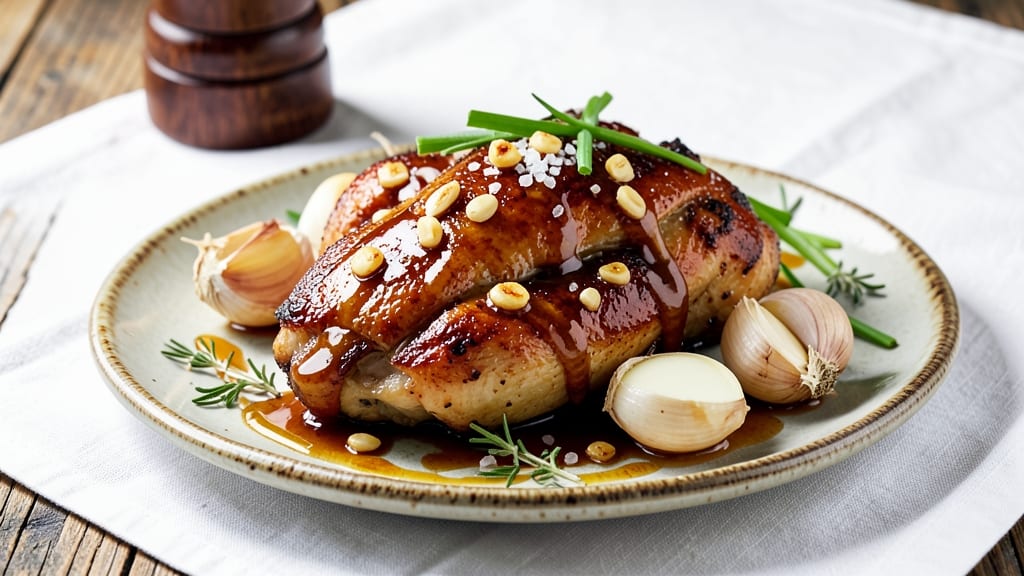
This baked miso chicken recipe delivers restaurant-quality depth with just five simple ingredients—where umami-packed miso transforms ordinary chicken into tender, caramelized bites. The secret lies in marinating the chicken overnight, allowing the miso's complex flavors to penetrate deeply while keeping the meat incredibly juicy.
This isn't just another glazed chicken recipe; it's a perfect balance of salty, sweet, and savory that elevates any weeknight dinner.
The process is straightforward yet transformative: combine white miso paste with honey, soy sauce, and a touch of garlic to create a marinade that both seasons and tenderizes. After baking at 375°F for about 35 minutes, the chicken develops a beautiful caramelized crust while staying moist inside.
The miso's natural sweetness caramelizes beautifully, creating pockets of rich flavor in every bite.
What makes this recipe truly special is how versatile it is. Serve it with steamed jasmine rice to soak up every last bit of that sticky-sauce, or pair it with roasted vegetables for a complete, balanced meal.
The flavors develop even more overnight, making it perfect for meal prep—simply reheat and enjoy.
For an extra layer of depth, consider adding a sprinkle of sesame seeds or a drizzle of sriracha before serving. This recipe proves that with just a few thoughtful ingredients and a little patience, you can create a main course that feels both elegant and effortless.
Ingredients for baked miso chicken
Five ingredients transform ordinary chicken into restaurant-quality umami bites through precise marinating and baking.
| Ingredient | Amount | Notes |
|---|---|---|
| Boneless, Skinless Chicken Thighs 🍗 | 1 ½ lb | Evenly sized for consistent cooking |
| White Miso Paste 🧂 | ½ cup | High-quality, preferably organic |
| Honey 🍯 | ¼ cup | Raw or pure for best flavor |
| Soy Sauce 🥢 | ¼ cup | Low-sodium preferred |
| Garlic Cloves 🧄 | 4 cloves | Freshly minced for aromatic depth |
| Olive Oil 🫒 | 1 tbsp | Extra-virgin for richness |
| Sesame Seeds 🌰 | 1 tbsp | Toasted for garnish |
| Fresh Ginger 🌿 | 1 tsp | Finely grated, optional |
| Jasmine Rice 🍚 | 1 ½ cups | Uncooked, for serving |
| Diamond Crystal Kosher Salt 🧂 | 1 tsp | For seasoning |
| Freshly Ground Black Pepper 🌶️ | ½ tsp | For balance |
| Sriracha Sauce 🌶️ | 1 tbsp | For serving, optional |
The quality of miso makes all the difference here. Look for organic white miso paste at specialty stores like Whole Foods or Trader Joe's—it should have a rich, fermented aroma and smooth texture. If you can't find organic, any high-quality miso will work, but avoid the sweetened varieties. The chicken thighs should be evenly sized—trim any excess fat to ensure even cooking. For the honey, raw or pure varieties add subtle floral notes that complement the miso's depth, while store-brand honey works in a pinch. The garlic should be freshly minced—pre-minced garlic lacks the aromatic punch needed for this recipe's depth.
No white miso? Red miso at half the amount adds a deeper, slightly smokier flavor, though the color will differ. Running out of honey? Maple syrup or agave nectar work in equal measure, though the flavor profile shifts slightly. Substituting soy sauce for tamari gives a gluten-free option, but the umami impact will be slightly milder. The sesame seeds can be omitted if unavailable, but toasted black sesame seeds add an extra layer of nuttiness. For extra heat, add a dash of chili flakes to the marinade. The ginger is optional but recommended—its bright, citrusy notes cut through the richness of the miso beautifully.
Marinated chicken keeps in the fridge for up to 2 days, with flavors deepening overnight. For longer storage, freeze the marinated chicken for up to 3 months—thaw in the fridge before baking. The baked chicken reheats beautifully, though it's best enjoyed fresh. Store any leftover sticky glaze in an airtight container in the fridge for up to 1 week, using it to drizzle over rice or noodles. The sesame seeds and sriracha should be added fresh before serving to maintain their vibrant flavors.
Why You'll Love This Recipe
- Fewer Ingredients, More Impact: I swear by this combo—just chicken, miso, honey, and soy. That’s it. No fancy sauces or last-minute shopping runs. The miso does all the heavy lifting, while the honey keeps it from being too heavy. Honestly, it’s the kind of recipe that makes me feel like a pro without any effort.
- Umami Bomb: The white miso paste turns this into something special—deep, savory, and just a little sweet. That garlic? It’s the cherry on top, especially when it caramelizes at the edges. Between us, I’ve had takeout that didn’t hit this hard.
- Weeknight to Party Ready: Same dish, different vibes. Toss it together for a lazy Tuesday night, or double the batch for a dinner party. The sticky, glossy glaze makes it look impressive without trying. My friends always ask for the recipe—now I can finally share it.
- Leftovers That Don’t Suck: Most baked chicken dries out by day two. Not this one. The thighs stay juicy, and the sauce clings like glue. I meal prep it all the time—just reheat and serve. Even my picky teenager won’t complain. (Yes, even on a Tuesday night.)
Step-by-step instructions for baked miso chicken
Transform simple chicken thighs into restaurant-quality bites with this umami-packed glaze.
Prepare the Miso-Glaze Base
In a medium saucepan, combine the 0.5 cup white miso paste, 0.25 cup honey, 0.25 cup soy sauce, 4 minced garlic cloves, and 1 tsp finely grated fresh ginger. Place over medium-low heat and stir constantly for 5-7 minutes until the mixture becomes smooth and slightly thickened.
This is where the magic happens—the miso paste dissolves completely, creating a velvety base that will caramelize beautifully on the chicken. You'll notice the aroma deepen as the garlic and ginger release their oils. Remove from heat and let cool for 10 minutes—this prevents the chicken from steaming when you add the hot glaze later.
Season and Marinate the Chicken
Pat the 1.5 lb boneless, skinless chicken thighs completely dry with paper towels. This step is crucial for achieving that perfect caramelized crust. In a large bowl, combine the chicken with 1 tbsp olive oil, 1 tsp Diamond Crystal kosher salt, and 0.5 tsp freshly ground black pepper. Toss gently to coat evenly.
Add the cooled miso mixture to the bowl and turn the chicken until fully coated. Let it marinate for at least 30 minutes at room temperature. I like to place the bowl on a wire rack set over a baking sheet to prevent any liquid from pooling underneath. This ensures the chicken develops maximum flavor without becoming soggy.
Bake to Juicy Perfection
Preheat your oven to 375°F and position a rack in the center position. Arrange the marinated chicken thighs on a parchment-lined baking sheet, leaving about ½ inch between each piece. Bake for 25-30 minutes until the internal temperature reaches 165°F and the edges are deeply caramelized.
Here's the professional tip: Don't overcrowd the pan. The chicken needs space to brown properly, not steam. If you notice the glaze bubbling too aggressively after 15 minutes, tent the pan loosely with foil to prevent over-browning while still allowing steam to escape. The result should be chicken that's juicy to the core with a glossy, crackly caramelized exterior.
Garnish and Serve
Transfer the baked chicken to a serving platter and sprinkle generously with 1 tbsp toasted sesame seeds. The seeds add a delightful textural contrast to the tender chicken. Serve immediately with the 1.5 cups cooked jasmine rice and offer the 1 tbsp Sriracha sauce on the side for those who prefer a bit of heat.
Each piece should be effortlessly tender with a perfect balance of sweet, salty, and umami flavors. The glaze should be sticky yet not overly syrupy, clinging beautifully to the chicken. For an elevated presentation, drizzle any remaining glaze from the baking sheet over the top before serving.
Pro Tips For Making Baked Miso Chicken
- CRANK THE HEAT FIRST: Start your chicken thighs on high heat for 10 minutes—yes, even if they look raw afterward. I learned this the hard way: low-and-slow baking means soggy edges and a sauce that pools instead of caramelizing. The initial sear locks in flavor and prevents the miso from turning into a gloppy mess.
- MIX MISO WITH HONEY FIRST: Whisk the white miso and honey together before adding soy sauce and garlic. I used to dump everything in at once, and the miso would clump like cement. The honey helps emulsify it, so you get a glossy, spreadable glaze instead of a lumpy paste. Stir well, then let it sit for 5 minutes before brushing—trust me, it makes a real difference.
- SKIP THE CROWDED PAN: Give those thighs space. I’ve baked them in a single layer on a wire rack over a baking sheet, and the result? Crispy edges, not steamed. If you’re short on space, bake in batches—overlapping chicken just steams itself in its own juices, and you’ll end up with bland, rubbery meat.
- GARLIC: MINCE IT FINE: No, a rough chop won’t cut it. I used to be lazy and just smash the cloves with the flat of my knife, but the flavor gets lost in the baking. Take the time to mince it—you’ll taste the difference when the aroma hits your kitchen. If you’re really pressed, use a food processor for 3 seconds, but don’t overdo it or you’ll end up with garlic paste.
Troubleshooting your baked miso chicken
Glaze Too Thin?
If your miso glaze spreads too thinly during baking, the issue is usually excess liquid from the chicken. Pat the thighs extra dry before marinating—use two layers of paper towels and press firmly.
For added insurance, let the marinated chicken sit uncovered in the fridge for 15 minutes before baking to evaporate surface moisture. 🌡️
Dry or Tough Chicken
Overbaking is the most common culprit here. Use a meat thermometer and remove the chicken when it hits 165°F—no higher! For extra moisture, brush the thighs with 1 tsp olive oil before marinating.
I also recommend baking on the middle rack where heat circulates evenly, not the top where it dries out.
Uneven Caramelization
If some pieces brown faster than others, it’s likely due to uneven heat distribution. Rotate the baking sheet halfway through (after 15 minutes) and use a light-colored baking sheet—dark pans absorb heat differently.
For extra insurance, bake at 350°F instead of 375°F to slow the caramelization process and give you more control.
Miso Not Dissolving
If your miso glaze remains grainy, you likely didn’t heat it long enough. Warm the mixture over low heat for 7-10 minutes, stirring constantly. For stubborn clumps, whisk in 1 tsp warm water to help break them up.
Pro tip: Use white miso (not red) for a smoother texture—its lower fat content dissolves more easily. 🧂
Sticky Glaze Too Sweet
If the finished glaze tastes overwhelmingly sweet, balance it by adding 1 tsp rice vinegar or ½ tsp fresh lemon juice to the marinade. For a deeper umami kick, increase the soy sauce to 3 tbsp and reduce honey to 2 tbsp.
Taste as you go—adjust in ½ tsp increments until you hit the perfect sweet-savory balance.
Chicken Sticking to Pan
Always line your baking sheet with parchment paper or use a nonstick spray (like Pam) before adding the chicken. For extra insurance, place the thighs cut-side down for the first 5 minutes of baking—this helps them release from the pan.
If they still stick, gently slide a spatula underneath while the pan is hot. 🔥
Nutrition facts
Frequently asked questions
Can I use chicken breasts instead of thighs?
You can try, but thighs work better for this recipe! Chicken breasts are leaner and more prone to drying out during baking. If you must use breasts, marinate them for at least 4 hours (or overnight) and bake at 350°F for 20-25 minutes to prevent overcooking. For best results, stick with thighs—they stay juicy and absorb the miso glaze beautifully.
How do I store leftover baked miso chicken?
Store leftovers in an airtight container in the fridge for up to 4 days. Reheat in a 350°F oven for 10-15 minutes or until warmed through. For extra flavor, add 1 tsp soy sauce and ½ tsp honey when reheating. The chicken reheats best when slightly undercooked initially—it'll finish cooking from residual heat.
What's the difference between white and red miso?
White miso is milder, sweeter, and dissolves more easily—perfect for this recipe. Red miso is fermented longer, with deeper, earthier flavors and a slightly grainier texture. For this baked chicken, use white miso for smooth glaze consistency. If you only have red, reduce the amount to ¼ cup and increase soy sauce to 3 tbsp for balance.
Can I make this gluten-free?
Yes! Replace soy sauce with 3 tbsp tamari (gluten-free soy sauce) and use white miso paste labeled gluten-free. Most white miso pastes are naturally gluten-free, but always check the label. The flavor will be slightly less umami, so consider adding ½ tsp fish sauce (optional) for depth.
Why does my miso glaze turn black?
This is normal! The miso's natural sugars caramelize during baking, creating dark brown/black patches. It's not burnt—just deeply flavorful. For a lighter color, bake at 350°F instead of 375°F and reduce honey to 2 tbsp. The blackened areas are often the most flavorful parts—savor them!