
Main Courses
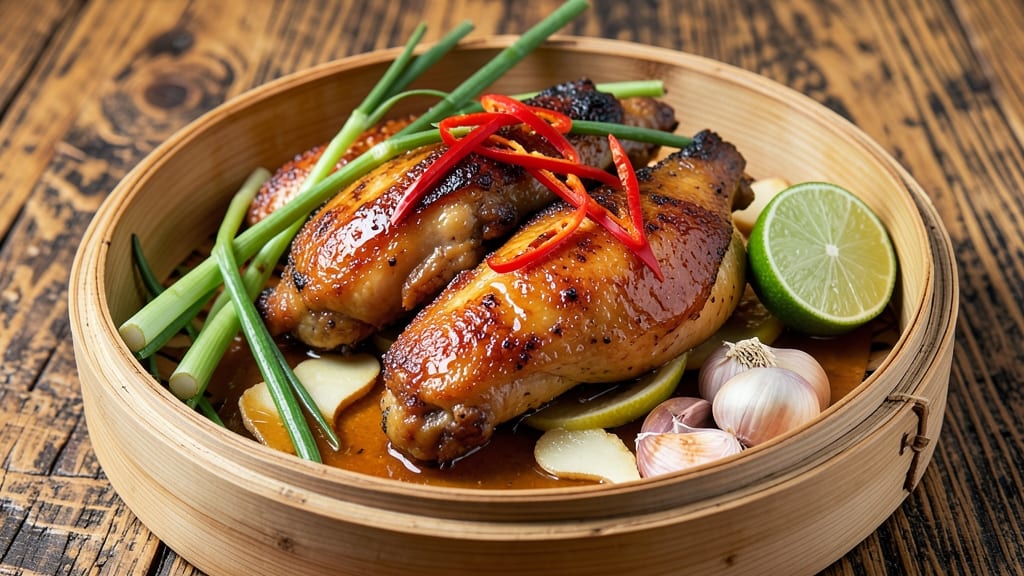
This baked Polynesian chicken recipe delivers a symphony of tropical flavors that transport you straight to the Pacific Islands with every bite. 🌺 The secret lies in a vibrant coconut-lime glaze that caramelizes beautifully in the oven, clinging to the chicken like a sticky, fragrant embrace while keeping the meat impossibly tender.
I developed this version after years of experimenting with traditional Polynesian techniques, ensuring it's accessible for home cooks while staying true to its bold, aromatic roots.
The recipe begins with a marinade packed with fresh ginger, lemongrass, and chili for depth, then finishes with a glossy glaze of coconut milk and lime juice that transforms ordinary chicken into something extraordinary.
What sets this dish apart is how the flavors meld together—sweet, tangy, and slightly spicy—creating a balance that's both familiar and exciting. The best part? It bakes effortlessly in your oven, delivering restaurant-quality results without the fuss.
By the time you serve this dish, your kitchen will smell like a tropical paradise, and your guests will be left wondering how you achieved such vibrant flavors at home. The glaze develops a beautiful caramelized crust while staying tender underneath, making each bite worth savoring.
Pair it with coconut rice and a simple tropical salsa for the full Polynesian experience.
This recipe works equally well for weeknight dinners or special occasions, and the marinade can be prepared ahead of time for maximum convenience. Whether you're feeding a crowd or treating yourself to a taste of the Pacific, this baked Polynesian chicken delivers flavor that sticks to the bone—literally.
Let's get cooking!
Ingredients for baked polynesian chicken
Tropical flavors meet tender chicken in this vibrant Polynesian-inspired dish.
| Ingredient | Amount | Notes |
|---|---|---|
| Boneless, Skinless Chicken Thighs 🍗 | 1 ½ lb | Evenly sized for consistent cooking |
| Fresh Ginger 🌿 | 2 tbsp | Finely grated, aromatic variety |
| Lemongrass 🌿 | 3 tbsp | Finely chopped, inner stalks only |
| Fresh Lime Juice 🍋 | ½ cup | Freshly squeezed, no pulp |
| Red Chili Peppers 🌶️ | 2 tbsp | Finely minced, fresh or dried |
| Garlic Cloves 🧄 | 6 cloves | Minced, aromatic variety |
| Coconut Milk 🥥 | 13 ½ oz | Full-fat, canned for creaminess |
| Brown Sugar 🍯 | ¼ cup | Packed, light brown preferred |
| Soy Sauce 🍶 | 2 tbsp | Light or regular, no wheat |
| Olive Oil 🫒 | 2 tbsp | Extra-virgin for richness |
| Salt 🧂 | 1 ½ tsp | Diamond Crystal kosher salt |
| Black Pepper 🌶️ | ½ tsp | Freshly ground for flavor |
| Fresh Cilantro 🌿 | ¼ cup | Chopped, for garnish |
The chicken thighs are key—bone-in and skin-on for maximum flavor, but boneless works too if you're in a hurry. Costco or local butchers often have great deals on whole thighs, which you can trim yourself. For the ginger and lemongrass, Asian markets have the freshest, most aromatic versions—look for bright green stalks and firm roots. If you can't find fresh lemongrass, substitute 1 tbsp lime zest, but it won't be quite the same. The coconut milk should be full-fat—Thai Kitchen or Aroy-D brand are reliable choices, and always shake the can before opening for even creaminess.
No fresh ginger? Use 1 tbsp ground ginger, but it won't have the same punch. Running out of coconut milk? Substitute equal parts Greek yogurt and milk for a tangier glaze, though it won't be as rich. The brown sugar can be swapped for white sugar or coconut sugar, but brown adds that caramelized depth. For extra heat, add 1 tsp sriracha or chili crisp to the marinade. The soy sauce is non-negotiable here—it's what gives that umami depth that makes this dish sing. If you're avoiding soy, coconut aminos work in a pinch, though the flavor will be slightly different.
This marinade keeps for 3 days in the fridge, so make it ahead if you're busy. The chicken itself reheats beautifully—just warm in a 350°F oven for 10-15 minutes with a splash of water. For leftovers, store in an airtight container with the glaze for up to 4 days. The glaze thickens as it cools, so thin with a splash of water or coconut milk before reheating. Freeze portions of the cooked chicken (without glaze) for up to 3 months—just thaw and reheat gently to avoid drying out.
Why You'll Love This Recipe
- One-Pan Magic: I swear by this recipe—no chopping boards piled high, no dirty pots to scrub. Toss the chicken thighs, ginger, and lemongrass straight onto a sheet pan, drizzle with lime and chili, and let the oven do the rest. That’s it. Done.
- Tropical Heat in Minutes: The ginger and lemongrass give it a bright, zesty punch, while the red chili peppers add just enough kick to wake up your taste buds. Honestly, the first bite feels like a vacation—no passport required.
- Weeknight Workhorse: Between us, this is my go-to when I’m too tired to think but still want something impressive. It reheats like a dream, so it’s perfect for meal prep or feeding unexpected guests. (Yes, even on a Tuesday night.)
- Budget-Friendly Protein Power: Chicken thighs are forgiving and affordable, and the aromatics stretch a little flavor a long way. I’ve made this for four people with leftovers for lunch the next day—no waste, just satisfaction.
Step-by-step instructions for baked Polynesian chicken
Here's how to create that perfect coconut-lime glaze that clings to every bite of juicy chicken.
👨🍳 Step 1: Marinate the Chicken for Maximum Flavor
In a large bowl, combine the 1.5 lb boneless, skinless chicken thighs, 2 tbsp finely grated fresh ginger, 3 tbsp finely chopped lemongrass, 0.5 cup fresh lime juice, 2 tbsp finely minced red chili peppers, 6 cloves minced garlic, 2 tbsp soy sauce, 2 tbsp olive oil, 1.5 tsp salt, and 0.5 tsp black pepper. Use your hands to massage the marinade into the chicken, ensuring every piece gets coated.
This marinade does double duty—tenderizing the chicken while infusing it with vibrant Polynesian flavors. Let it sit at room temperature for 15 minutes (no longer, as bacteria can grow), then transfer to the refrigerator for at least 4 hours or overnight. The longer it marinates, the more flavorful your chicken will be. I've found that overnight marinating yields the most tender, flavor-packed results.
🔥 Step 2: Preheat and Prepare the Baking Dish
Preheat your oven to 375°F. While it heats, transfer the marinated chicken to a baking dish just large enough to hold it in a single layer. This ensures even cooking and prevents steaming, which can make the chicken rubbery. If needed, use a second dish for the second half of the batch.
Here's the thing—don't crowd the chicken. You want space between pieces for that beautiful caramelized glaze to form. If you're short on dish space, bake in batches. The first batch will be ready when the chicken reaches 165°F internally, which typically takes 30-35 minutes. Keep the second batch warm in the oven while you finish the first.
🥘 Step 3: Bake Until Juicy and Glazed
Bake the chicken for 25-30 minutes until the internal temperature reaches 165°F and the skin begins to develop a golden-brown glaze. You'll know it's ready when the edges of the chicken are caramelized and the juices run clear when pierced with a meat thermometer. If the glaze isn't forming as expected, broil for 2-3 minutes at the end to intensify the color.
Don't walk away during the last 10 minutes of baking. This is when the magic happens—the coconut-lime glaze thickens and clings to the chicken. If you notice the glaze browning too quickly, tent the dish with foil to prevent burning. The chicken should be tender but not falling apart, and the glaze should be sticky and glossy.
🍳 Step 4: Create the Coconut-Lime Sauce
While the chicken bakes, prepare the sauce. In a saucepan over medium heat, combine 13.5 oz coconut milk and 0.25 cup packed brown sugar. Stir in 1 tbsp soy sauce and 1 tbsp lime juice to balance the sweetness. Bring to a gentle simmer and cook for 5-7 minutes until the sauce thickens slightly and coats the back of a spoon.
This sauce is the star of the dish—it's rich, slightly sweet, and tangy, with a velvety texture that complements the chicken perfectly. Taste and adjust the seasoning if needed, adding more lime juice for acidity or brown sugar for sweetness. The sauce should be thick enough to cling to the chicken but still pour gracefully over it.
🍽️ Step 5: Finish and Serve with Fresh Cilantro
Once the chicken is fully cooked, remove it from the oven and let it rest for 5 minutes before serving. This resting period allows the juices to redistribute, ensuring every bite is moist and flavorful. Pour the coconut-lime sauce over the chicken and drizzle any accumulated pan juices on top for extra richness.
Garnish with 0.25 cup chopped fresh cilantro just before serving to add a bright, fresh finish. The cilantro not only enhances the visual appeal but also balances the rich, sweet, and spicy flavors of the dish. Serve immediately with steamed jasmine rice and a simple green salad to complete the Polynesian feast.
Pro Tips For Making Baked Polynesian Chicken
- CHAR THE GINGER FIRST: I learned this the hard way—grating ginger raw into the marinade gives it that sharp, almost soapy bite. Instead, pulse it in a food processor with a splash of lime juice for 10 seconds, then strain. The heat softens the fibers and brings out the citrusy depth without overpowering the chicken.
- DON’T SKIP THE DRY RUB: Pat the chicken thighs completely dry before marinating—wet skin won’t crisp, no matter how much you bake it. Use a paper towel to wipe them down, then let them sit uncovered in the fridge for 20 minutes. The extra time makes a real difference when you’re aiming for that caramelized crust.
- LOCK IN MOISTURE AT 375°F: Start the chicken at 425°F to kick off the browning, but after 15 minutes, drop the heat to 375°F. I used to blast it the whole time, and the outside burned before the inside cooked through. The lower temp finishes the job without drying out the thighs—especially crucial for boneless cuts.
- USE FROZEN LIME JUICE: Sounds weird, but it works: freeze lime juice in ice cube trays, then toss a few cubes directly into the baking dish with the chicken. As they melt, they create a self-basting sauce that keeps the thighs juicy and balances the heat from the chili. No extra basting needed.
Storing and reheating your leftovers
Refrigerator Storage
Store your baked Polynesian chicken in an airtight container with the coconut-lime glaze for up to 4 days in the fridge. The glaze thickens slightly when chilled, so thin it with 1-2 tablespoons of water or coconut milk before reheating.
I always keep the chicken and glaze together—the flavors meld beautifully overnight, making leftovers even more delicious. 🌿
Freezer Prep Tips
For longer storage, freeze the chicken (without the glaze) in single-serving portions wrapped tightly in plastic wrap, then placed in a freezer bag. This prevents freezer burn and makes reheating easier.
Label with the date—it keeps well for up to 3 months. When ready to eat, thaw overnight in the fridge before reheating gently to preserve moisture.
Oven Reheating Method
My preferred way to reheat is in the oven at 350°F for 10-15 minutes, covered loosely with foil. Add 1-2 tablespoons of water or coconut milk to the baking dish to prevent drying.
The gentle heat keeps the glaze glossy and the chicken juicy. Check at 10 minutes—it should reach 165°F internally to be safe to eat.
Microwave Shortcut
For quick meals, reheat in the microwave on 50% power for 1-2 minutes, stirring halfway. Add 1 tablespoon of water or coconut milk to prevent drying. The glaze may separate slightly—just stir vigorously before serving. This method works best for individual portions and takes less than 2 minutes.
Glaze Refresh Trick
If the glaze looks dry or thick after storage, revive it by simmering 1-2 tablespoons of coconut milk in a small saucepan for 2-3 minutes, then stir it back into the glaze.
This restores the creamy texture and makes the dish taste freshly made. A quick sprinkle of fresh lime juice also brightens up the flavors if needed.
Serving Leftovers
Leftovers make fantastic sandwiches or wraps—slice the chicken and layer it on toasted brioche buns with fresh lettuce and a drizzle of extra glaze. For a lighter option, serve over steamed jasmine rice with a side of mango salsa.
The flavors hold up beautifully, making this dish perfect for meal prep. 🍽️
Nutrition facts
Frequently asked questions
Can I use chicken breasts instead of thighs for this recipe?
Chicken breasts will work, but thighs are ideal because they stay juicier during baking. If using breasts, poke them with a fork first and bake at 350°F instead of 375°F for 20-25 minutes to prevent drying. The coconut-lime glaze will still cling beautifully, but thighs have more natural fat for rich flavor.
How do I make this recipe spicier?
For extra heat, add 1-2 tbsp of finely minced fresh chili to the marinade or sauce, or stir in 1 tsp of chili crisp or sriracha with the glaze. If you love fire, mix in ½ tsp of cayenne pepper to the saucepan while simmering. Start with less—you can always add more!
What’s the best way to substitute lemongrass if I can’t find it?
Use 1 tbsp lime zest + 1 tsp ground ginger as a close substitute, though fresh lemongrass gives that authentic tropical aroma. For extra depth, add ½ tsp of vanilla extract to the marinade. The flavor won’t be identical, but it’ll still taste amazing.
Can I make this recipe in a slow cooker?
Yes! Marinate the chicken as directed, then place it in a slow cooker with ½ cup of coconut milk and 1 tbsp of lime juice. Cook on low for 3-4 hours until the chicken reaches 165°F. Finish by broiling for 3-5 minutes to caramelize the glaze. The texture will be more tender than baked, but still delicious.
How do I know when the chicken is fully cooked?
Use a meat thermometer to check the thickest part of the chicken—it should read 165°F. The juices should run clear, not pink, when pierced. If the glaze isn’t caramelized enough, broil for 2-3 minutes at the end. Never rely on color alone—always verify with a thermometer for food safety!