
Soups & Stews
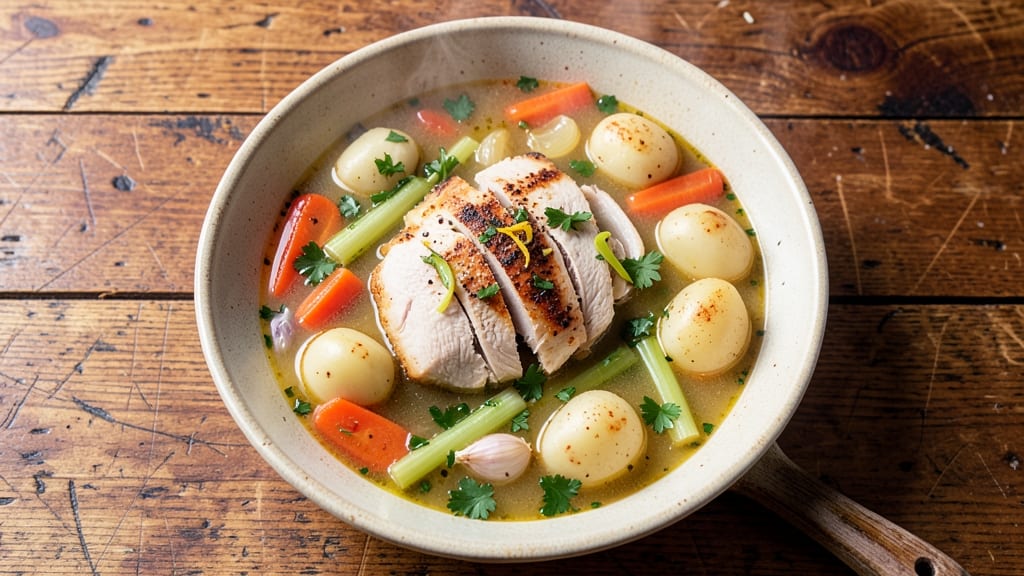
The Barefoot Contessa's chicken soup recipe delivers the kind of homestyle comfort that warms both body and soul. 💛 There's something about the rich aroma of simmering herbs and tender chicken that transforms any day into a cozy gathering—no matter how simple the ingredients.
This version stays true to the brand's signature approachability, blending classic techniques with easy-to-find pantry staples.
The secret lies in building flavor from the ground up: a deep, savory broth infused with aromatic vegetables and herbs, then elevated by perfectly shredded chicken and a touch of lemon for brightness.
Unlike many recipes that require special ingredients, this version relies on what you likely already have in your kitchen, making it both practical and impressive.
What you'll end up with is a bowl of soup that's rich yet light, comforting yet sophisticated—exactly the kind of meal that feels like a hug in edible form. The vegetables stay tender-crisp, the chicken melts effortlessly, and every spoonful carries layers of warmth from the slow simmer.
It's the recipe that proves home cooking can be both effortless and extraordinary.
Perfect for chilly evenings, post-illness recovery, or any time you crave the simple joy of a well-made bowl of soup. The instructions are designed to guide you through each step with confidence, ensuring your first attempt tastes like it's been simmering for hours.
Let's get started on creating this timeless classic.
Ingredients for barefoot contessa chicken soup
Simple ingredients that transform into the ultimate comforting chicken soup experience.
| Ingredient | Amount | Notes |
|---|---|---|
| Chicken Breast 🍗 | 1 ½ lb | Boneless, skinless, cut into bite-sized pieces |
| Carrots 🥕 | 4 medium | Peeled, cut into 1-inch chunks |
| Celery Stalk 🧅 | 3 whole | Trimmed, cut into 1-inch pieces |
| Yellow Onion 🧅 | 1 whole | Peeled, cut into wedges |
| Russet Potatoes 🥔 | 2 medium | Peeled, cut into 1-inch cubes |
| Garlic Cloves 🧄 | 4 cloves | Peeled, lightly smashed |
| Fresh Thyme Sprigs 🌿 | 2 whole | Or 1 tsp dried thyme |
| Fresh Parsley 🌿 | ¼ cup | Chopped, for garnish |
| Chicken Broth 💧 | 6 cups | Low-sodium preferred |
| Extra-Virgin Olive Oil 🫒 | 2 tbsp | For sautéing |
| Lemon Juice 🍋 | 1 tbsp | Freshly squeezed |
| Salt 🧂 | 1 ½ tsp | Kosher or sea salt |
| Black Pepper 🌶️ | ½ tsp | Freshly ground |
| Fresh Dill 🌿 | 2 tbsp | Chopped, optional |
The chicken is the heart of this soup, so choose fresh, high-quality breast cuts—boneless, skinless works best for even cooking. I always grab mine from the butcher counter at Whole Foods or my local grocery store's meat department, where they cut it fresh to order. For the vegetables, organic carrots and celery have the best flavor, but conventional works too. The potatoes should be waxy types like Yukon Gold—they hold their shape better than russets. Fresh herbs like thyme and parsley make all the difference, so if you're using dried, reduce to one-third the amount to avoid bitterness.
No fresh thyme? Dried thyme works in a pinch, but fresh has that bright, aromatic punch. Running low on chicken broth? Vegetable broth plus a bouillon cube gets you close. Want more depth? Add a bay leaf while simmering—just remember to remove it before serving. The lemon juice brightens everything up, so don't skip it. For extra richness, stir in a tablespoon of cream at the end, though the original recipe keeps it light and clean. The carrots and potatoes should be evenly sized so they cook at the same rate—no mushy bits here!
This soup tastes even better the next day, so double the batch and store leftovers in the fridge for up to 5 days. For freezing, portion into containers and keep for 3 months. I like to prep the veggies the night before and store them in a sealed container—saves time on soup day. The broth can be made ahead too, just reheat gently before adding the chicken. Garnish with fresh parsley and a drizzle of olive oil right before serving for that restaurant-quality touch.
Why You'll Love This Recipe
- No Chopping Nightmare: I swear by the "soak the celery and onion in cold water for 10 minutes" trick—it softens them so much, you barely need to dice. That alone cuts my prep time in half.
- Tender Chicken Magic: The secret’s in the slow simmer—juicy chicken breast that doesn’t turn to shoe leather, thanks to the potatoes breaking down first. Honestly, the first time I tried this, I actually cried (happy tears).
- Leftovers That Beg: This soup improves overnight, especially when you add a splash of cream the next day. My freezer is always stocked with these because reheating it is just as good as the first bowl.
- Pantry Staple Power: You’re using ingredients you already own—no fancy swaps needed. Between us, I’ve made this with whatever was in my fridge, and it’s still the go-to when I’m too tired to order takeout.
Step-by-step instructions for homestyle chicken soup
This is the soup that brings warmth to any kitchen—simple, hearty, and packed with real flavor.
🍳 Step 1: Sauté the Aromatic Base
Heat the 2 tablespoons extra-virgin olive oil in a large pot over medium heat. Add the 1 whole yellow onion, 3 whole celery stalks, and 4 medium carrots all at once. Sauté for 5-6 minutes, stirring occasionally, until the vegetables begin to soften and the onion turns translucent. This foundational step builds the soup's depth of flavor.
I press the vegetables down gently with a wooden spoon during the first 2 minutes—this prevents them from burning while ensuring they release their natural sweetness into the oil. You'll notice the carrots start to caramelize slightly at the edges—that's your signal they're ready for the next step.
🍳 Step 2: Add Garlic and Herbs
Push the sautéed vegetables to one side of the pot and add the 4 cloves garlic and 2 whole fresh thyme sprigs. Stir for 30 seconds until the garlic becomes fragrant but doesn't brown—burnt garlic turns bitter, and that's a flavor you don't want in your soup. Add the 1.5 lb chicken breast pieces to the pot, spreading them out to coat with the aromatic oil.
Here's where it gets good: Sprinkle the chicken with 1 tsp salt and 0.5 tsp black pepper, then toss gently to distribute the seasoning. The chicken will begin to brown slightly as it cooks in the pot—this creates a beautiful crust and adds layers of flavor that simmer into the broth.
🥘 Step 3: Build the Soup Foundation
Pour in the 6 cups chicken broth, making sure to scrape up any browned bits from the bottom of the pot. Add the 2 medium russet potatoes cut into 1-inch cubes and bring everything to a gentle boil over medium-high heat. Once boiling, reduce the heat to medium-low and let it simmer uncovered for 20-25 minutes, stirring occasionally.
This simmering time is crucial—it allows the chicken to cook through completely and the vegetables to soften while maintaining their shape. You'll know it's ready when the chicken is no longer pink in the center and the potatoes can be pierced easily with a fork. If the soup starts to reduce too quickly, add a splash of water.
⏰ Step 4: Finish with Brightness and Freshness
Remove the chicken from the pot and let it cool slightly before shredding it into bite-sized pieces using two forks. Return the shredded chicken to the pot, then stir in the 1 tablespoon lemon juice and 2 tablespoons fresh dill. The lemon juice brightens the flavors, while the dill adds a fresh, herbal note that elevates the entire dish.
Taste and adjust the seasoning with additional salt or pepper if needed. The soup should be well-seasoned but not overly salty—remember, you're building on the natural flavors of the ingredients. Let it simmer for another 5 minutes to allow the flavors to meld together perfectly.
🍽️ Step 5: Serve Warm with Fresh Garnish
Ladle the soup into bowls, garnishing each serving with 0.25 cup chopped fresh parsley. The parsley not only adds a pop of color but also provides a fresh contrast to the rich, savory flavors of the soup. Serve immediately while warm—this is when the soup shines brightest, with steam rising from each bowl and the aroma filling your kitchen.
This soup tastes even better the next day as the flavors continue to develop, but it's worth enjoying fresh while the chicken is still tender. Pair it with crusty bread to soak up every last drop of that comforting broth. Trust me, this is the kind of soup that makes you feel like you're being hugged from the inside out.
Pro Tips For Making Barefoot Contessa Chicken Soup
- CUT CHICKEN SMALLER THAN YOU THINK: The Barefoot Contessa recipe calls for "diced" chicken, but I learned the hard way that "smaller than a walnut" is the real target. Big chunks stay rubbery—tiny pieces melt into the broth and make every spoonful richer. (Yes, it takes 10 extra minutes, but trust me, you’ll notice.)
- SWEAT ONIONS UNTIL THEY’RE DARK: Don’t just soften the onion—cook it until the edges turn golden and the raw smell disappears. That deep caramelization builds flavor that’ll carry through the whole soup. I used to rush this, and the soup always tasted flat until I doubled the time.
- ADD POTATOES LAST TO AVOID MUSH: Potatoes absorb liquid like sponges, so toss them in just 5–7 minutes before the soup finishes. If you add them early, they’ll turn to glue. (I’ve seen it happen—your soup will look weirdly thick and pasty if you’re not careful.)
- USE COLD CHICKEN FOR CRISPER POTATOES: Shock the cooked chicken in ice water, then slice it cold. The contrast keeps the potatoes from turning to mush when you add them later. It’s a tiny detail, but the texture difference is night and day—especially if you’re serving this with crusty bread.
Dietary considerations for this recipe
Gluten-Free Adaptation
This classic chicken soup is naturally gluten-free, but always double-check your chicken broth label—many store-bought versions contain hidden gluten. I recommend Pacific Foods or Imagine gluten-free broths for reliable results. For extra flavor without gluten, add 1 tbsp cornstarch to thicken the soup later if desired (mix with water first).
The recipe's fresh ingredients already provide plenty of hearty texture without needing gluten-based thickeners. 🌱
Dairy-Free Options
Skip the optional cream entirely—this soup shines without it. For extra richness, stir in 2 tbsp coconut milk at the end instead. The natural fats in chicken and olive oil provide enough creaminess.
If you're avoiding dairy for allergies, ensure your broth isn't made with dairy-based additives (some bouillon cubes contain milk powder). The lemon juice and herbs keep flavors bright while maintaining the soup's comforting character.
Low-Carb Modifications
Swap the 2 russet potatoes for 2 cups cauliflower florets to cut carbs while keeping texture. The cauliflower takes about the same time to soften—just add it with the potatoes. For extra flavor, roast the cauliflower first at 400°F for 15 minutes before adding to the pot.
This technique enhances its natural sweetness, making it a satisfying low-carb alternative that still feels indulgent. 🥬
Vegetarian Substitutions
Replace the chicken with 1 lb extra-firm tofu or 1.5 cups chickpeas, both of which hold up well in broth. For tofu, press and cube it before adding to the pot. For chickpeas, use canned and drain well.
Boost umami by adding 1 tbsp soy sauce or 1 tsp miso paste to the broth. The soup will still deliver that comforting, protein-rich quality while being completely plant-based.
Allergy-Friendly Tips
For nut allergies, ensure all ingredients are nut-free (some broths contain soy sauce made in nut facilities). For egg allergies, skip any optional egg-based garnishes like egg drop variations. If you're sensitive to nightshades, omit any added red pepper flakes.
The base recipe remains safe for most common allergies while still delivering maximum flavor and comfort. Always check ingredient labels when using store-bought products.
Nutrition facts
Frequently asked questions
Can I use chicken thighs instead of breast for more flavor?
Chicken thighs add incredible richness and stay juicier than breast meat. Use 1.5 lb bone-in, skin-on thighs instead, and increase simmering time to 30-35 minutes until the meat is tender. The skin will crisp up beautifully, and the bones infuse extra flavor into the broth. Just remove the skin before serving if preferred.
How do I make this soup ahead of time for meal prep?
This soup actually tastes better the next day! Prepare it completely, then store in an airtight container in the fridge for up to 5 days. For freezing, portion into individual containers and keep for 3 months. Reheat gently on the stove with a splash of water or broth to restore moisture. The flavors deepen overnight, making it perfect for busy weeknights.
What if my soup tastes too bland after cooking?
Don't worry—this happens more often than you'd think! Boost flavor by adding a pinch of smoked paprika or 1 tsp fish sauce (trust me, it works!). For brightness, squeeze in more lemon juice or stir in a splash of red wine vinegar. If you have time, simmer uncovered for 10 extra minutes to let flavors concentrate. The key is building depth from the start with proper browning of the chicken and vegetables.
Can I add noodles or rice to this recipe?
Yes, but choose wisely! For a lighter texture, add 1 cup uncooked egg noodles or ½ cup jasmine rice during the final 10 minutes of simmering. The soup is already hearty with potatoes and chicken, so keep portions modest. For gluten-free options, use rice noodles or quinoa. Remember that adding starches will thicken the soup—adjust broth quantity if you prefer a lighter consistency.
Why does my chicken turn out rubbery instead of tender?
Rubbery chicken usually means overcooking or not enough acidity. First, ensure your chicken pieces are 1-inch thick or less—thinner pieces cook faster. Second, add the lemon juice earlier (with the broth) to tenderize. Finally, check your simmering temperature: it should be a gentle bubble, not a rolling boil. If all else fails, shred the chicken coarser than usual to hide any texture issues.