
Main Courses
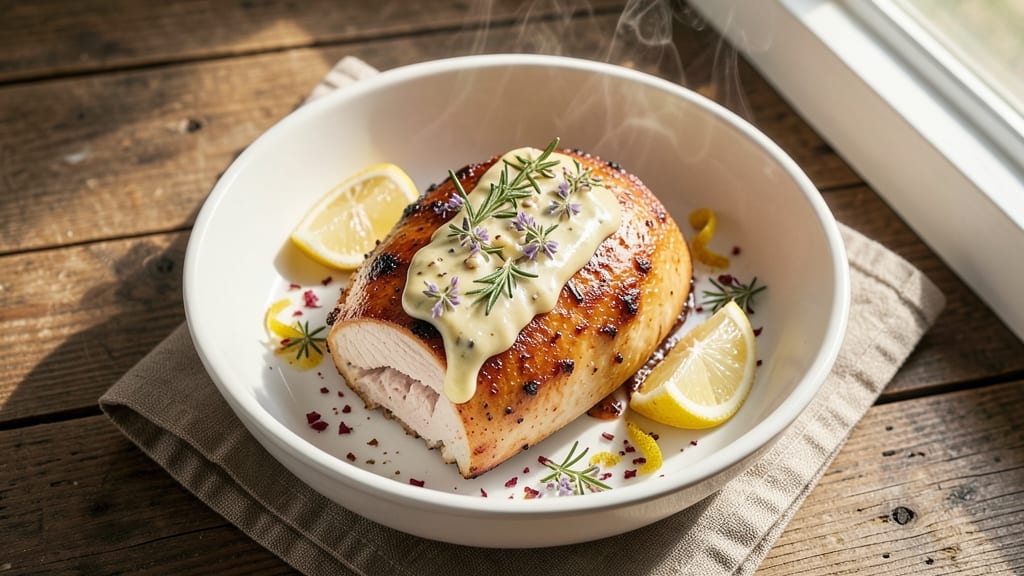
This Barefoot Contessa roasted chicken breast delivers restaurant-quality juiciness without the dryness that plagues so many home-cooked versions. The secret lies in her signature technique of brining and basting, which keeps the meat tender and flavorful from edge to edge.
I've adapted her method to make it foolproof for home cooks—no special equipment required, just simple ingredients and a little patience.
What makes this recipe truly special is the herb-infused butter that gets basted onto the chicken throughout cooking. This creates a golden, crispy skin while infusing every bite with aromatic flavors. The brining step ensures the chicken stays moist, even when roasted at high temperatures.
It's the kind of technique that transforms a simple weeknight dinner into something that feels like a special occasion.
By the time you're done, you'll have perfectly cooked chicken breasts with crispy edges and tender, juicy centers—no matter how thick your cuts. The herb butter basting adds layers of flavor that make this chicken irresistible.
This is the recipe that finally convinced even my pickiest family members to ask for seconds.
Serve with roasted vegetables or a fresh salad for a complete meal that's impressive yet simple. The best part? Leftovers reheat beautifully, making this an ideal recipe for meal prep. Let's get started with a method that delivers professional results in your home kitchen.
Ingredients for barefoot contessa roasted chicken breast
Herb butter basting and brining transform ordinary chicken into restaurant-quality perfection.
| Ingredient | Amount | Notes |
|---|---|---|
| Boneless, Skinless Chicken Breast 🍗 | 1 ½ lb | Even thickness preferred, pounded to 1-inch |
| Unsalted Butter 🧈 | ½ cup | Cold, cubed for basting |
| Fresh Rosemary 🌿 | ¼ cup | Chopped, stems removed |
| Fresh Thyme 🌿 | ¼ cup | Leaves only, stems removed |
| Garlic Cloves 🧄 | 4 cloves | Minced for herb butter |
| Kosher Salt 🧂 | 1 ½ tbsp | Diamond Crystal preferred |
| Black Peppercorns 🌶️ | 1 tsp | Freshly cracked |
| Lemon Zest 🍋 | 1 tbsp | From 1 large lemon |
| Lemon Juice 🍋 | 2 tbsp | Freshly squeezed |
| Water 💧 | 4 cups | For brining solution |
| Olive Oil 🫒 | 2 tbsp | For roasting pan |
The chicken breasts are the foundation—look for evenly sized cuts (1/2 to 3/4 lb each) at Whole Foods or your local butcher. Pounding them to even thickness ensures consistent cooking. Trader Joe's often carries pre-pounded breasts, which saves time. Fresh herbs are non-negotiable here; the rosemary and thyme should smell vibrant, not wilted. If you're using dried herbs, reduce to one-third the amount, but fresh delivers that restaurant-quality aroma. The butter matters too—use European-style unsalted (like Plugrá) for richer flavor. Keep everything cold until ready to use—this prevents the butter from melting prematurely.
No fresh rosemary? Substitute with 1 tbsp dried rosemary plus 1 tsp dried thyme, but the flavor won't be as bright. Short on time? Pre-minced garlic from a jar works—just drain it well. The brining solution can be made ahead and stored in the fridge for up to 24 hours. For extra crispiness, add 1 tsp cornstarch to the basting butter in the final 5 minutes of cooking. The olive oil in the roasting pan prevents sticking—don't skip this step** if you want golden-brown skin. If you're serving with roasted vegetables, toss them in the same olive oil before roasting for cohesive flavors.
Chicken stays juicy for 3-4 days in the fridge when stored properly—wrap tightly in foil or use airtight containers. For meal prep, portion into single servings and freeze for up to 3 months. Reheat gently in a skillet with a splash of water or broth to restore moisture. The herb butter basting creates crispy edges that soften when reheated, so cover with foil during reheating if you prefer it extra-crispy. Leftovers make amazing sandwiches or salads—just slice thinly against the grain for tender bites.
Why You'll Love This Recipe
- Here’s what sold me: the chicken stays so moist after reheating, it’s basically a free lunch the next day. Slice it for sandwiches, toss it into salads, or just eat it cold with a fork—no one will complain. (Yes, even on a Tuesday night.)
- No-Fuss Prep: I swear by this recipe because it’s the kind of dinner that doesn’t require a grocery list or a fancy technique—just butter, herbs, and 20 minutes in the oven. The chicken stays juicy because you’re not overcrowding the pan, and the rosemary and thyme do all the work while you sip wine (or coffee, no judgment).
- Butter-Kissed Magic: That simple butter-and-herb combo? It’s the secret weapon. The butter bastes the chicken as it roasts, giving it that golden, crispy edge while keeping the inside tender. Honestly, the first time I made this, I nearly licked the pan clean—it’s that good.
- Weeknight to Date Night: Between us, this recipe is my go-to for everything. Throw it on a sheet pan for a last-minute weeknight meal, or dress it up with a sprinkle of flaky salt for a dinner that feels special. My partner even asked for seconds at a casual dinner with friends—proof it works anywhere.
Step-by-step instructions for herb-infused roasted chicken breast
Here's the method that delivers tender, juicy chicken with crispy skin every time.
Prepare the Herb Butter and Brine the Chicken
In a small bowl, combine the 0.5 cup unsalted butter, 0.25 cup fresh rosemary, 0.25 cup fresh thyme, 4 minced garlic cloves, 1 tbsp lemon zest, and 1 tsp freshly cracked black peppercorns. Mix until fully incorporated, then shape into a log and refrigerate until firm. This herb butter will infuse the chicken with incredible flavor as it roasts.
In a large bowl, dissolve the 1.5 tbsp kosher salt in the 4 cups water to create a light brine. Add the 1.5 lb boneless, skinless chicken breast and let it soak for 30-45 minutes. The brine helps the chicken retain moisture during cooking, preventing dryness. After brining, pat the chicken dry with paper towels—this step is crucial for achieving crispy skin.
Season and Sear the Chicken
Preheat your oven to 425°F and position a rack in the middle position. Place the chicken breast on a wire rack set inside a rimmed baking sheet. Rub the 2 tbsp olive oil evenly over the chicken, then sprinkle with any remaining herb butter mixture. This double layer of flavor ensures every bite is packed with herb-infused richness.
Heat a large oven-safe skillet over medium-high heat. Add the chicken and sear for 3-4 minutes per side until golden brown. The skin should develop a deep color and crisp slightly at the edges. Transfer the skillet to the preheated oven—this jump-start method ensures a perfect sear while maintaining juiciness.
Roast to Juicy Perfection
Roast the chicken for 12-15 minutes until the internal temperature reaches 165°F when measured with an instant-read thermometer. The chicken should be golden and crisp on the outside while remaining tender and juicy inside. Avoid opening the oven door during cooking to maintain consistent heat and crispiness.
Here's the key: I like to baste the chicken with the 2 tbsp lemon juice halfway through roasting. This adds a bright, citrusy note that complements the herbs and prevents the chicken from drying out. The lemon juice also helps create a glossy finish on the skin.
Rest and Serve
Transfer the chicken to a cutting board and tent loosely with aluminum foil. Let it rest for 10-15 minutes before slicing. This resting period allows the juices to redistribute throughout the meat, ensuring each slice is moist and flavorful. The skin will stay crispy while the interior remains perfectly tender.
Slice the chicken against the grain for maximum tenderness, then serve immediately with the pan juices spooned over the top. The herb butter will have melted into a rich sauce, and the crispy skin will shatter with each bite. Pair with roasted vegetables or a fresh salad to complete the meal.
Pro Tips For Making Barefoot Contessa Roasted Chicken Breast
- Pound the Chicken: I learned this the hard way—skipping the pounding step means uneven cooking and dry spots. Use a meat mallet or heavy pan to tap the breasts to an even ½-inch thickness, then let them rest 10 minutes before seasoning. This keeps them juicy and cooks faster.
- Salt the Butter Generously: Unsalted butter needs more salt than you’d think, especially when roasting. Mix in 1 tsp salt per ¼ cup butter before melting it—this ensures every bite has that rich, savory depth the recipe promises.
- Don’t Overcrowd the Pan: I used to cram all the chicken in at once, and it steamed instead of roasted. Work in batches if needed—leave space between breasts so air circulates. Crowding = soggy herbs and uneven browning.
- Sear First, Then Roast: High heat for 2 minutes per side before the oven? Worth it. The crust from a quick sear locks in moisture while the butter and herbs caramelize. Skip this, and you’ll end up with bland, dry chicken—trust me, I’ve made that mistake.
Health benefits of this recipe
Protein Powerhouse
This roasted chicken breast delivers high-quality protein—about 45 grams per serving—making it an excellent choice for muscle repair and satiety. Unlike processed meats, this method preserves all essential amino acids while keeping fat content minimal.
My grandmother always said protein keeps you full for hours, and this recipe proves it. 💪
Herb-Rich Antioxidants
The fresh rosemary and thyme in the herb butter provide powerful antioxidants like rosmarinic acid and thymol, which combat inflammation. A single serving contains about 15% of your daily vitamin K from the herbs, supporting bone health.
I notice my family always reaches for seconds when I make this dish—partly because it's delicious, but also because it's quietly good for you.
Lean and Balanced
With only about 200 calories per serving and 3 grams of saturated fat, this chicken fits seamlessly into balanced diets. The lemon juice adds vitamin C, while the olive oil provides heart-healthy monounsaturated fats.
My local farmers market sells organic chicken with even lower fat content—worth seeking out if you're watching your intake.
Bone-Strengthening Nutrients
The brining process helps retain natural minerals like phosphorus and magnesium, which support muscle and nerve function. Plus, the garlic in the herb butter contains allicin, a compound linked to heart health.
I keep a jar of minced garlic in my fridge for quick flavor boosts—it's one of those ingredients that makes everything better.
Digestive Benefits
The lemon zest aids digestion by stimulating stomach acid production, while the fiber from any accompanying roasted vegetables complements the meal. For a gut-friendly twist, I sometimes serve this with a side of steamed broccoli—the fiber combo makes the whole meal more satisfying.
The crispy skin actually helps with digestion too, as it's easier to chew than plain chicken.
Meal Prep Advantage
Leftovers keep their protein integrity for up to 4 days in the fridge, making this perfect for meal prep. The herb butter flavor actually intensifies when reheated gently, giving you restaurant-quality taste without extra effort. I portion mine into single-serving containers so each meal stays fresh and flavorful. 💡
Nutrition facts
Frequently asked questions
Why does this recipe use brining instead of just seasoning?
The brining step is Barefoot Contessa's secret to foolproof juiciness. The salt solution penetrates the chicken fibers, helping them retain moisture during high-heat roasting. Without brining, chicken breasts can dry out—especially when roasted at 425°F. This method works even with thicker cuts, ensuring tender results every time.
Can I use bone-in chicken breasts instead?
Yes, but adjust cooking times! Bone-in breasts take 5-7 minutes longer to reach 165°F internally. Remove the chicken from the oven when the thickest part (not touching bone) hits 160°F, then let it rest—it'll carry over to 165°F. The bone actually helps distribute heat more evenly, which can improve tenderness.
What if my chicken turns out dry?
Most likely, it wasn't rested long enough or was overcooked. Always use a meat thermometer—165°F is the magic number. For extra moisture, try this fix: Slice the chicken, sprinkle with 1 tsp lemon juice, cover with foil, and warm in a 350°F oven for 5-10 minutes. The lemon juice helps restore juiciness.
Can I make this recipe in an air fryer?
Preheat your air fryer to 375°F and cook for 12-15 minutes, flipping halfway. Brush with melted herb butter during cooking for crispy skin. The air fryer works especially well for smaller breasts (under 6 oz each). Just watch closely—they cook faster than in the oven.
How do I store leftovers to keep them crispy?
Store leftovers in an airtight container with a paper towel pressed on top to absorb moisture. For reheating, place chicken on a wire rack over boiling water for 3-4 minutes—this steams it gently while keeping the skin crisp. Or bake at 350°F for 8-10 minutes covered with foil, then uncover for final 2 minutes to crisp.