
Main Courses
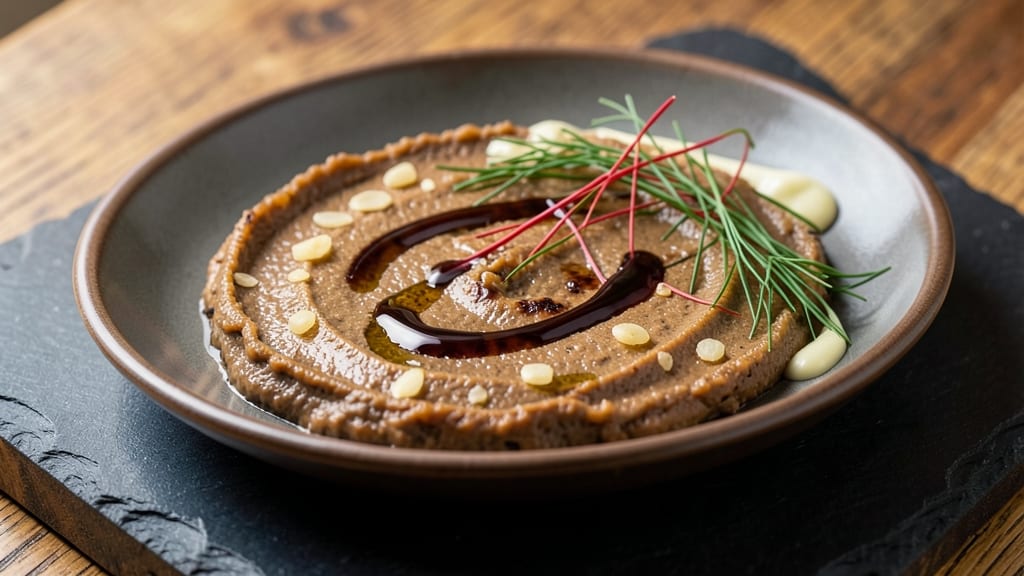
Mastering a basic chicken liver pâté recipe transforms humble offal into a silky, luxurious spread that elevates any gathering—whether served on toasted baguette slices or as an elegant appetizer. 🌟 The key lies in rendering the fat properly, cooking the livers just until tender, then blending them with aromatic seasonings until velvety smooth.
This technique, perfected through years of working with game birds and heritage poultry, delivers restaurant-quality results at home.
What sets this recipe apart is the balance between rich, earthy flavors and delicate textures. The liver must cook gently to avoid bitterness, while the fat renders slowly to create that signature velvety mouthfeel.
I use a mix of fresh herbs, shallots, and a touch of brandy to brighten the natural richness, ensuring each spoonful is both sophisticated and approachable. The process takes patience—about 45 minutes from start to finish—but the reward is a pâté that stays smooth and elegant even after chilling.
By the time you plate this pâté, you'll have a spread that's impossibly smooth, with a deep umami flavor that pairs beautifully with crusty bread, crackers, or even as a filling for blinis.
The secret to serving it properly is letting it rest at room temperature for 10 minutes before slicing, which allows the flavors to meld and the texture to set just enough for clean presentation. This isn't just a recipe—it's a skill that turns simple ingredients into something extraordinary.
Perfect for holiday appetizers, game day spreads, or an impressive first course, this pâté keeps well in the fridge for up to 5 days or can be frozen for longer storage.
The technique works equally well with duck or goose livers, making it versatile for different occasions. Let's create something truly special—one smooth, velvety bite at a time.
Ingredients for basic chicken liver pate
Silky texture achieved with just a handful of quality ingredients and patience.
| Ingredient | Amount | Notes |
|---|---|---|
| Chicken Livers 🐔 | 1 ½ lb | Fresh, rinsed thoroughly |
| Shallots 🧅 | 4 whole | Thinly sliced, skin removed |
| Fresh Chives 🌿 | ½ cup | Chopped, for garnish |
| Brandy 🍷 | 2 tbsp | High-quality, reduced |
| Extra-Virgin Olive Oil 🫒 | ½ cup | For rendering fat |
| Dijon Mustard 🧂 | 1 tbsp | For emulsification |
| Salt 🧂 | 1 tsp | Diamond Crystal kosher |
| Black Pepper 🌶️ | ½ tsp | Freshly ground |
| Unsalted Butter 🧈 | ¼ cup | Cold, cubed |
| Fresh Parsley 🌿 | 2 tbsp | Chopped, for finishing |
| Breadcrumbs 🍞 | ¼ cup | Fine, for texture |
| Lemon Zest 🍋 | 1 tbsp | Brightens the flavor |
| Heavy Cream 🥛 | ¼ cup | For silky texture |
| Egg Yolk 🥚 | 1 whole | Emulsifier for richness |
The quality of chicken livers dictates the final result—opt for fresh, bright red livers from reputable butchers like Whole Foods or Eataly. Avoid livers with any discoloration or cloudy fat, as these indicate spoilage. Rinse them thoroughly under cold water to remove any residual bile, then pat them completely dry with paper towels. For best results, purchase them the day of use, as they oxidize quickly. The extra-virgin olive oil should be cold-pressed, like California Olive Ranch, to avoid bitterness during the rendering process.
Substitutions are possible but require adjustments: duck or goose livers can replace chicken livers, though they require slightly less cooking time to avoid toughness. If brandy isn’t available, dry sherry or white wine vinegar can be used in equal measure, though the flavor profile will differ. For a vegetarian version, replace the livers with mushrooms (chestnut or portobello), cooked until tender and blended with the remaining ingredients. The Dijon mustard is essential for emulsification—substituting with regular mustard will compromise the smoothness. Always use unsalted butter to control the sodium content, as salted butter can make the pâté overly salty.
This pâté should be stored in an airtight container, covered with a thin layer of extra-virgin olive oil to prevent oxidation. It keeps for up to 5 days in the refrigerator, where the flavors deepen. For longer storage, freeze in portioned containers for up to 3 months. Before serving, let it sit at room temperature for 10-15 minutes to allow the texture to set slightly, ensuring clean slicing. Garnish with fresh chives and parsley just before serving to preserve their vibrant color and aroma. The pâté can also be reheated gently in a double boiler, stirring constantly to maintain its velvety texture.
Why You'll Love This Recipe
- No-Fuss Assembly: I’ll admit, the food processor does most of the heavy lifting here—just toss everything in, pulse, and stir. The only real hands-on time is rendering those livers over gentle heat (3-4 minutes per side) and keeping an eye on the shallots until they’re translucent. The rest? A food processor, a warm water bath, and a sprinkle of breadcrumbs. Honestly, it’s the kind of recipe where you can have a glass of wine while it happens.
- Rich, Complex Layers: That 2 tbsp of brandy doesn’t just disappear—it infuses the pâté with a warm, nutty depth that makes the liver taste like it’s been slow-cooked for hours. The shallots caramelize just enough to add sweetness, while the lemon zest and fresh chives cut through the richness. And the egg yolk? It turns this into something silky enough to spread on toast or slice into perfect rounds. It’s not just liver; it’s a velvety, umami-packed masterpiece.
- Host’s Secret Weapon: This isn’t just for fancy dinners—it’s the kind of dish that makes you look like a pro at any gathering. Slather it on crackers for a charcuterie board, use it as a filling for phyllo cups, or serve it with crusty bread at a summer picnic. My daughter even sneaks bites when I’m not looking, so I know it works for all ages. Plus, it keeps for 5 days in the fridge, so you can make it once and enjoy it all week.
- Budget Boost: Chicken livers are one of the most affordable proteins you can buy, and this recipe stretches them into something luxurious. A 1.5 lb package feeds a crowd, and the other ingredients—like shallots, fresh herbs, and butter—are pantry staples most people already have. I’ve made this for under $10 total, and honestly? It tastes like a $50 dish. The best kind of win.
Step-by-step instructions for basic chicken liver pâté
Mastering this silky liver preparation requires precision—follow these exact steps for flawless texture.
🍳 Step 1: Render the Chicken Livers and Shallots
Pat the 1½ lb chicken livers thoroughly dry with paper towels and trim any connective tissue. Heat ½ cup extra-virgin olive oil in a large skillet over medium-low heat—you want gentle cooking to avoid scorching. Add the livers in a single layer and cook undisturbed for 3-4 minutes per side until they develop a deep mahogany color.
Remove the livers and set aside. In the same pan, add the 4 thinly sliced shallots and cook for 5-6 minutes until translucent and caramelized. Here's the thing—don't rush this step. The shallots should soften completely without browning, as they'll blend into the pâté later. Transfer them to a food processor along with the cooked livers.
👨🍳 Step 2: Process and Emulsify the Base
Add the 1 tbsp Dijon mustard, 1 tbsp lemon zest, 1 tsp salt, and ½ tsp black pepper to the food processor. Pulse until the mixture resembles coarse sand, then scrape down the sides. With the processor running, slowly drizzle in the 2 tbsp brandy through the feed tube—this prevents alcohol from evaporating before it can infuse flavors.
Next, add the 1 egg yolk and process for 30 seconds until the mixture becomes smooth and emulsified. The texture should be velvety, almost like thick mayonnaise. This is the moment that matters: if it looks too dry, add 1 tbsp heavy cream; if too loose, pulse in 1 tbsp breadcrumbs to absorb excess moisture. The pâté must hold its shape when chilled but remain spreadable at room temperature.
🥘 Step 3: Incorporate Cream and Butter for Silky Texture
Transfer the liver mixture to a heatproof bowl and place it over a pot of simmering water (bain-marie), ensuring the bowl doesn't touch the water. Slowly whisk in the ¼ cup heavy cream and ¼ cup unsalted butter (cold, cubed) until fully incorporated. The heat from the water bath gently melts the butter while maintaining emulsion stability.
Continue whisking for 3-4 minutes until the pâté reaches 160°F—it should thicken noticeably and coat the back of a spoon. Here's where it gets technical: if the mixture curdles, immediately whisk in 1 tbsp heavy cream to stabilize it. Once smooth, remove from heat and stir in the 2 tbsp chopped fresh parsley and ½ cup chopped fresh chives for brightness.
⏰ Step 4: Chill and Serve with Crisp Topping
Press the pâté into a 4-inch round mold or small loaf pan lined with plastic wrap. Smooth the top with a spatula, then sprinkle ¼ cup fine breadcrumbs evenly over the surface. Chill uncovered in the refrigerator for 4 hours or overnight—this allows the breadcrumbs to crisp while the pâté firms up.
To serve, run a warm knife around the edges of the mold, then invert onto a plate. The breadcrumb topping should slide off easily, revealing a glossy, golden crust. Serve with crusty bread or crackers, and pair with a crisp white wine to complement the rich liver flavors. The pâté will keep for 3 days in the fridge or 1 month frozen, but it's best enjoyed fresh when the texture is at its peak.
Pro Tips For Making Basic Chicken Liver Pate
- Don’t Rush the Shallots: Those 5-6 minutes of slow caramelizing are where the flavor magic happens—I used to skip ahead and end up with a bland base. Let them turn translucent and just start to soften, no browning. The shallots should melt into the pâté like butter, not add crunch.
- Pat Those Livers Dry: Wet livers splatter like crazy and won’t sear properly. I learned this the hard way—after burning three batches, I finally realized the oil needs to work with the livers, not against them. Use paper towels, press firmly, and trim any connective tissue. That mahogany crust? Worth the effort.
- Whisk Like Your Life Depends on It: When you’re whisking in the cold butter and heavy cream over the bain-marie, slow and steady wins. I’ve seen people rush it, and the pâté either breaks or turns grainy. Keep that whisk moving constantly, and if it curdles, hit it with another tablespoon of cold heavy cream—it’s your secret reset button.
- Chill Uncovered for Crisp: Skipping the uncovered chilling step means soggy breadcrumbs. I know, it’s tempting to cover it up, but let that top dry out for 4 hours or overnight. The result? A crisp, golden crust that’ll make your pâté look (and taste) like it came from a fancy charcuterie board.
Serving suggestions for basic chicken liver pate
Toasted Bread Elevation
This pâté deserves a rustic canvas to showcase its richness—crusty baguette or sourdough slices are my go-to choices. Toast them until golden and crisp, then spread the pâté generously. The contrast of the warm, chewy bread against the velvety liver creates an unforgettable texture combination.
I like to use a French baguette from my local Charleston market for that authentic touch. 🥖
Cracker Assortments
For a more refined presentation, arrange an assortment of water crackers, water biscuits, or even buttery shortbread around your pâté. The buttery crackers complement the liver’s richness without overpowering it.
I often keep a selection of Pecorino cheese crackers on hand—they add a salty contrast that enhances every bite.
Blini or Mini Quiches
When entertaining, I love serving the pâté on mini blinis or quiche bites for an elegant touch. The fluffy, buttery base of blinis soaks up the pâté beautifully, while quiche bites add a savory twist.
For blinis, I use a simple recipe with 2 cups cake flour, 2 tbsp sugar, 1 tsp baking powder, and 1 cup sour cream—they’re worth making for this occasion.
Garnish Like a Pro
Fresh herbs are essential for finishing the dish. A light sprinkle of chopped chives and parsley adds vibrant color and brightness. I also like to drizzle a thin line of extra-virgin olive oil and a pinch of flaky sea salt like Maldon right before serving.
The contrast of textures and flavors makes each bite feel like a gourmet experience. ✨
Wine Pairing Perfection
No pâté is complete without the right wine. A crisp Sauvignon Blanc from New Zealand cuts through the richness, while a Champagne like Taittinger Brut Réserve elevates it to a celebratory level.
For a Southern twist, I often reach for a dry Riesling—its acidity balances the pâté’s depth beautifully. 🍷
Nutrition facts
Frequently asked questions
Why does my liver pâté turn grainy instead of smooth?
The graininess usually happens when the emulsion breaks during processing. Make sure to add the 1 egg yolk while the food processor is running and drizzle the 2 tbsp brandy slowly through the feed tube. If it's already too thick, pulse in 1 tsp heavy cream to loosen it up. The mixture should be velvety like thick mayonnaise, not sandy!
Can I skip the breadcrumbs for a lighter texture?
Yes, but skip them only if your pâté isn't holding its shape after chilling. The ¼ cup fine breadcrumbs add structure and crispiness to the top layer. If you omit them, the pâté might spread too much when sliced. For a lighter version, just reduce the amount or replace with crushed panko.
What if my pâté curdles when adding the butter?
Curdling happens when the mixture overheats or gets too acidic. If it starts separating, immediately whisk in 1 tbsp cold heavy cream to stabilize it. Keep the heat gentle—use a bain-marie to melt the ¼ cup unsalted butter slowly. Stir constantly until smooth again.
How do I prevent my pâté from drying out while chilling?
Store it uncovered in the fridge for the first 4 hours to let the breadcrumbs crisp, but cover loosely with plastic wrap afterward. The key is to let it firm up at room temperature first. If it dries out, drizzle a thin layer of extra-virgin olive oil over the surface before chilling.
Can I use duck livers instead of chicken livers?
Duck livers are richer and cook faster—reduce the cooking time to 2-3 minutes per side to avoid toughness. The technique remains the same, but expect a deeper, more luxurious flavor. Just adjust the salt slightly if using saltier duck livers.