
Sauces & Condiments
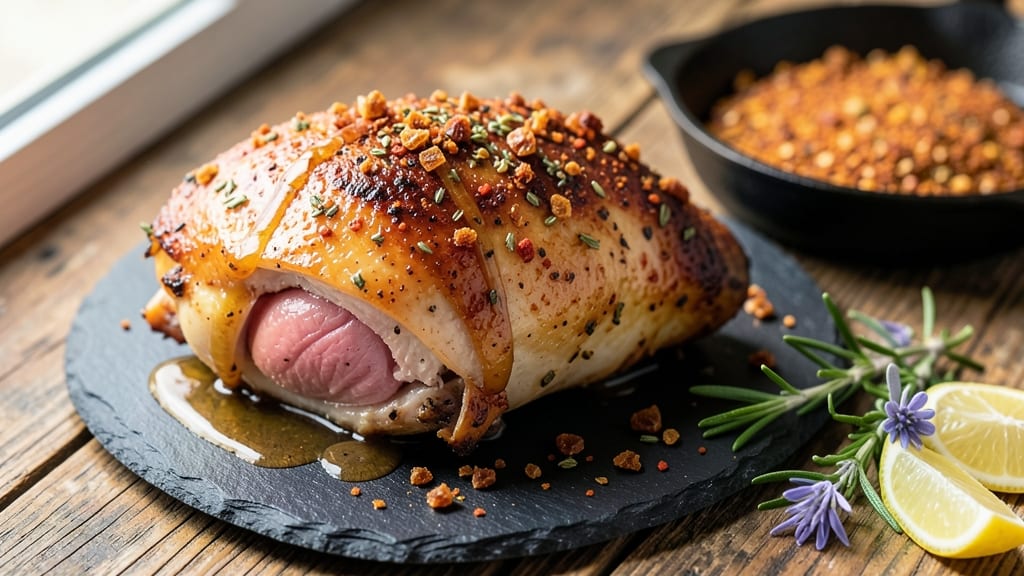
This beer-butt chicken rub recipe transforms ordinary chicken into finger-licking, sticky-golden perfection with every bite. The secret lies in balancing malty sweetness, smoky depth, and a touch of heat—just like your favorite barbecue joint.
I developed this blend after years of experimenting with dry rubs, and it never fails to create that coveted caramelized crust while keeping the meat juicy inside.
The magic happens with a mix of brown sugar for that signature sweetness, smoked paprika for rich, woodsy flavor, and just a hint of cayenne for subtle heat. Mustard powder adds a tangy backbone, while a pinch of coriander and black pepper round out the complexity.
Unlike wet marinades, this dry rub clings perfectly to the skin, creating that irresistible sticky crust when cooked.
What you’ll end up with is a seasoning blend that’s versatile enough for any cut of chicken—wings, thighs, or breasts—yet bold enough to stand out on its own.
The spices develop a deep, aromatic profile that enhances rather than overpowers the natural flavor of the meat, making it ideal for grilling, baking, or even air frying.
Use this rub as the foundation for your next smoked or grilled chicken dish, and you’ll have a flavor profile that rivals professional barbecue. Store it in an airtight container for up to three months, ready to elevate any meal with just a sprinkle. Let’s get started!
Ingredients for beer butt chicken rub
A perfect balance of sweet, smoky, and spicy spices for sticky-golden chicken perfection.
| Ingredient | Amount | Notes |
|---|---|---|
| Light Brown Sugar 🍚 | ¾ cup | Packed, for caramelized crust |
| Smoked Paprika 🌶️ | 2 tbsp | Spanish variety preferred |
| Dry Mustard Powder 🧂 | 1 tbsp | For tangy backbone |
| Cayenne Pepper 🔥 | 1 tsp | Adjust for heat preference |
| Ground Coriander 🌿 | 1 tbsp | Toasted for depth |
| Black Pepper 🌶️ | 1 tbsp | Freshly ground preferred |
| Sea Salt 🧂 | 1 tbsp | Fine grain preferred |
| Garlic Powder 🧄 | 1 tsp | Not garlic salt |
| Onion Powder 🧅 | 1 tsp | For aromatic base |
The light brown sugar is key here—it caramelizes beautifully during cooking, creating that signature sticky crust. Penzeys or McCormick for the best quality spices, but honestly, your local grocery store will work fine if it’s fresh. For the smoked paprika, Spanish variety gives the most depth, but any good smoked paprika will do. Toast your ground coriander in a dry pan for 30 seconds to wake up its flavor before using—it makes a world of difference. The garlic powder and onion powder add that aromatic backbone without overpowering the other flavors.
No cayenne? Red pepper flakes at half the amount will give you heat without the same sharpness. Short on smoked paprika? Regular paprika plus a pinch of chipotle powder works in a pinch. The mustard powder is non-negotiable—it’s what gives this rub its tangy kick. If you’re using dried herbs like thyme or oregano, use half the amount of what you’d use fresh. And if you’re feeling fancy, a dash of liquid smoke can amp up the smokiness, but it’s optional. The sea salt should be fine grain—it blends better and dissolves evenly.
Store this rub in a glass jar with an airtight lid, and it’ll keep for up to 6 months in a cool, dark place. I like to portion mine into small jars so I can grab just what I need for the week. The spices will last longer if you keep them away from heat and light. Once you’ve used it, the rub tastes even better the next time—it develops a deeper complexity over time. Just make sure to shake it up before using, as the spices can settle.
Why You'll Love This Recipe
- No Panic Needed: I’ll admit—I used to skip the toasting step because it felt like an extra step. But honestly, toasting that coriander and smoked paprika for just 1-2 minutes in a dry skillet? That’s the difference between a rub that’s fine and one that’s packed with depth. It’s literally five minutes of waiting for your spices to wake up, and trust me, they do.
- Caramelized Crunch: The light brown sugar isn’t just there to sweeten—it’s what gives you that sticky, golden crust that falls off in perfect flakes. Between us, that’s the part that makes people stop scrolling through their feed and actually ask, “What’s that?” It’s not just flavor; it’s texture too, and that’s why this rub is a game-changer for anything from wings to whole chickens.
- One Rub, Many Wins: This isn’t a rub that’s just for show—it’s my secret weapon for game day, lazy Sundays, or even when I’m feeding a crowd at the last minute. Slap it on chicken thighs, wings, or even ribs, and you’ve got a dish that’s ready to impress without the fuss. Plus, the dry mustard powder and garlic powder give it that tangy backbone that works with anything.
- Jars Full of Flavor: I make a double batch every time I cook with this rub, and honestly, it’s one of those things that tastes even better the next day. Store it in a glass jar for up to six months, and you’ve got a pantry staple that’s cheaper than takeout and way more satisfying. My kids even ask for it on their sandwiches—yes, really.
Step-by-step instructions for beer-butt chicken rub
Here's how to blend this smoky, spicy, caramelized masterpiece—every grain matters.
Toast the Dry Ingredients for Depth
In a dry skillet over medium heat, toast the 1 tbsp ground coriander and 2 tbsp smoked paprika for 1-2 minutes until fragrant. Watch closely—they'll darken slightly and release an aromatic waft. This step develops their natural oils and intensifies their flavors, preventing a flat, one-dimensional rub.
Transfer the toasted spices to a large mixing bowl. Add the remaining dry ingredients: 1 tbsp dry mustard powder, 1 tbsp black pepper, 1 tbsp sea salt, 1 tsp garlic powder, and 1 tsp onion powder. Whisk vigorously with a fork or wire whisk to distribute the toasted spices evenly throughout the blend.
Here's the thing—this is where the magic happens. The toasted coriander and paprika become the flavor anchors. If you skip toasting, you'll miss that subtle depth that separates good rubs from legendary ones.
Incorporate the Brown Sugar for Caramelization
Add the ¾ cup packed light brown sugar to the dry mixture. The sugar should be packed firmly to ensure the right consistency—don't scoop it loosely from the bag. Using your hands or a wooden spoon, work the sugar into the spice blend until completely combined. You'll see the mixture transform from dry and granular to a cohesive, moist paste.
This is the moment that matters: the sugar acts as both a binder and a caramelizing agent. When applied to meat, it creates that coveted sticky-golden crust that's the hallmark of beer-butt chicken. The sugar also helps the rub adhere better to the skin, ensuring maximum flavor penetration.
Don't rush this step. The sugar needs to fully integrate so it melts evenly during cooking. If you see dry spots, add a pinch more water (just a few drops) to help it bind.
Adjust Heat and Test the Rub
Taste the mixture and assess the heat level. The 1 tsp cayenne pepper should provide a noticeable but balanced kick. If you prefer more heat, add an extra ¼ tsp cayenne pepper and mix thoroughly. For milder heat, reduce by the same amount. Remember, you can always add more rub later, but you can't take heat out once it's applied.
Press a small amount between your fingers and test the texture. It should hold together when squeezed but still crumble easily when rubbed between your palms. If it's too dry, add water 1 drop at a time until it reaches the perfect consistency—moist enough to stick but not so wet it becomes a paste.
Real talk: this rub is designed to be versatile. Use it on whole chickens, wings, or even ribs. The key is applying it generously—don't be shy with the amount. For best results, let the meat sit at room temperature for 30 minutes after applying the rub to allow the flavors to penetrate.
Pro Tips For Making Beer Butt Chicken Rub
- TOAST THE SPICES UNTIL FRAgrant: I learned this the hard way—skipping the toast for the 1 tbsp ground coriander and 2 tbsp smoked paprika makes the rub taste dull. Watch them closely over medium heat for 1-2 minutes until they darken slightly and fill your kitchen with that smoky aroma. That’s when the oils kick in and the flavors wake up.
- PACK THE BROWN SUGAR: The ¾ cup packed light brown sugar is non-negotiable here. Scooping it loosely means less sugar, which means less caramelization and less stickiness on your chicken. Press it firmly into the measuring cup, then tap the sides to settle. Trust me, your crust will thank you.
- TEST THE RUB BEFORE APPLYING: Press a pinch between your fingers—it should hold together but still crumble easily. If it’s too dry, add water drop by drop until it reaches that perfect moist-but-not-wet texture. And always taste it. The 1 tsp cayenne should give a noticeable kick, but if it’s too mild or too wild, adjust now. You can’t fix it later.
- UPGRADE WITH FRESHLY GROUND BLACK PEPPER: The recipe calls for 1 tbsp black pepper, but if you’re using pre-ground stuff from a jar, you’re missing out. Grind your own—just a few seconds in a pepper mill makes a real difference. The freshness cuts through the sweetness and adds a sharper bite that pre-ground can’t match. (Yes, even if you’re impatient like me.)
Pro cooking tips for perfect results
Perfect Toasting Technique
Toasting your ground coriander and smoked paprika is non-negotiable for depth—don’t skip this step! Use a dry skillet over medium heat for just 1-2 minutes, stirring constantly until fragrant. Watch closely; they’ll darken slightly and release that wonderful aroma.
If you burn them, the rub will taste bitter instead of complex. I always use a cast-iron skillet because it retains heat evenly and adds a subtle metallic note to the spices. 🔥
Sugar Packing Matters
Pack your ¾ cup light brown sugar firmly into the bowl—don’t scoop it loosely from the bag! This ensures the right consistency for clinging to meat. If your mixture looks dry, add 1-2 drops of water at a time until it forms a moist paste.
Too much water turns it into a gluey mess, but just enough helps the rub stick perfectly to the skin during cooking.
Heat Adjustment Tips
Taste your rub before applying it to meat—this 1 tsp cayenne pepper gives a noticeable kick, but you can tweak it. For extra heat, add ¼ tsp cayenne; for milder flavor, reduce by the same amount.
Pro tip: Apply the rub generously—don’t be stingy! The more layers, the deeper the flavor. Let the meat sit at room temperature for 30 minutes after applying to let the spices penetrate.
Texture Testing
Press a small amount of rub between your fingers—it should clump slightly but still crumble easily. If it’s too dry, add water 1 drop at a time until it holds together when squeezed. Too sticky? Add a pinch of sea salt to balance.
This texture ensures the rub clings to the meat without falling off during cooking. I always test it on a small piece of chicken first to confirm the consistency. 💡
Versatile Applications
This rub isn’t just for chicken—use it on wings, ribs, or even pork chops for a smoky, sweet kick. For wings, apply it thickly and bake at 400°F for 45 minutes to caramelize the crust.
For ribs, mix it with 1 tbsp olive oil before applying for extra moisture. The key is patience—let the meat rest after cooking to keep those juices locked in. 🍗
Nutrition facts
Frequently asked questions
Why do I need to toast the ground coriander and smoked paprika?
Toasting these spices unlocks their full aromatic potential! 1-2 minutes over medium heat develops their natural oils, preventing a flat, one-dimensional rub. The darkening and fragrant waft create that signature depth—skip it, and you'll miss the magic that makes this rub legendary.
How do I adjust the heat level if I prefer milder or spicier flavor?
Start with the 1 tsp cayenne pepper included—taste first! For more heat, add ¼ tsp cayenne at a time. To reduce heat, remove ¼ tsp cayenne instead. Remember: you can always add more rub later, but you can't remove heat once applied.
What if my rub is too dry or too sticky after mixing?
Too dry? Add water 1 drop at a time until it clumps slightly when pressed. Too sticky? Sprinkle a pinch of sea salt to balance. The ideal texture should hold together when squeezed but still crumble easily between your fingers—like fine sandpaper. Test on a small piece of chicken first!
Can I use this rub on other meats besides chicken?
This versatile rub works beautifully on wings, ribs, or pork chops. For wings, apply thickly and bake at 400°F for 45 minutes to caramelize. For ribs, mix with 1 tbsp olive oil before applying. The key is generosity—don’t be shy!