
Main Courses
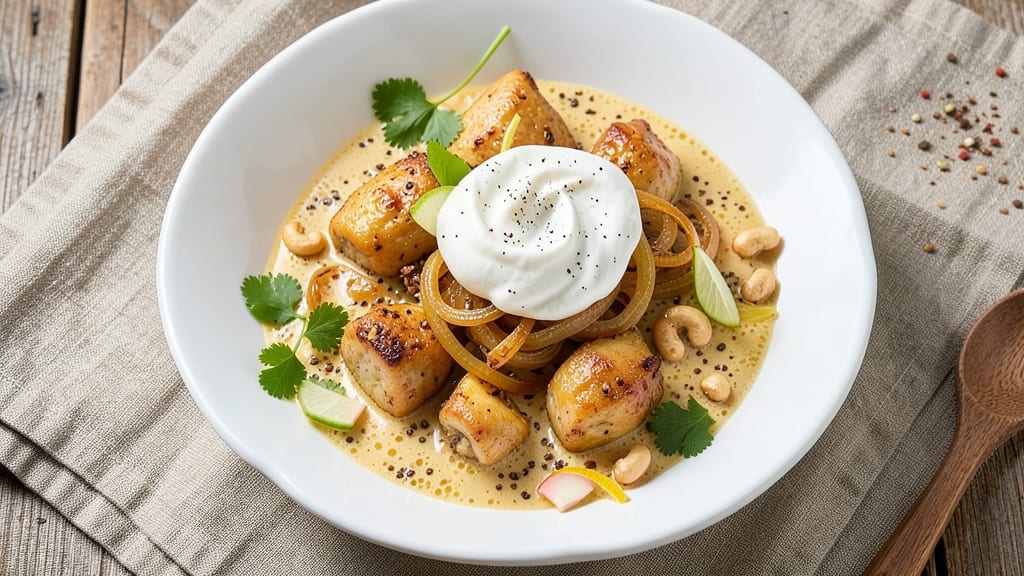
This Blue Apron-style chicken curry transforms weeknight cooking into a fragrant, restaurant-worthy experience—all without the fuss of traditional curry techniques. I developed this recipe after years of adapting meal-kit flavors to my home kitchen, focusing on simplified prep that delivers bold, aromatic results. The secret lies in balancing coconut milk's creaminess with turmeric's earthy warmth, creating a sauce that's both comforting and complex.
What sets this apart is the two-stage cooking method: first marinating the chicken in yogurt and spices to tenderize, then simmering it directly in the curry sauce for deep flavor infusion. This approach cuts down on cleanup while ensuring every bite is packed with savory depth.
The dish pairs perfectly with basmati rice or warm naan, making it a complete, satisfying meal in one pot.
By the time you serve this curry, your kitchen will smell like a bustling Indian restaurant, and your guests will never guess it came together in under an hour.
The sauce achieves that perfect balance—creamy yet not too heavy, spicy but not overwhelming—thanks to careful spice toasting and coconut milk reduction. Garnish with fresh cilantro or a dollop of yogurt for brightness.
This recipe is designed for foolproof execution, whether you're a seasoned home cook or just starting out. The ingredient list is straightforward, the technique is adaptable, and the results are consistently impressive. Let's get cooking—your taste buds (and dinner guests) will thank you.
Ingredients for blue apron chicken curry
The perfect balance of coconut creaminess and aromatic turmeric—just 15 ingredients for restaurant-quality curry.
| Ingredient | Amount | Notes |
|---|---|---|
| Boneless Chicken Thighs 🍗 | 1 ½ lb | Cut into 1-inch pieces |
| Plain Greek Yogurt 🧀 | ½ cup | Full-fat preferred for richness |
| Coconut Milk 🥥 | 1 can | Full-fat, 13.5 oz can |
| Yellow Onion 🧅 | 1 whole | Medium-sized, diced |
| Garlic Cloves 🧄 | 6 cloves | Minced for marinade |
| Fresh Ginger 🌿 | 2 tbsp | Grated, peeled root |
| Ground Turmeric 🌶️ | 1 tbsp | Freshly ground preferred |
| Ground Cumin 🌿 | 1 tbsp | Toasted for depth |
| Ground Coriander 🌶️ | 1 tbsp | Freshly ground preferred |
| Garam Masala 🌶️ | 1 tsp | Store-bought blend works |
| Fresh Cilantro 🌿 | ¼ cup | Chopped for garnish |
| Lemon Juice 🍋 | 1 tbsp | Freshly squeezed |
| Tomato Paste 🍅 | 2 tbsp | Squeeze tube preferred |
| Salt 🧂 | 1 ½ tsp | Kosher or sea salt |
| Black Pepper 🌶️ | ½ tsp | Freshly ground preferred |
The chicken thighs are your secret weapon here—they stay juicy while absorbing all that marinade flavor. Look for bone-in, skin-on thighs at Whole Foods or your local butcher for extra richness, but boneless works too if you're in a hurry. The coconut milk? Full-fat only—lighter versions won't give you that velvety texture. For the spices, Penzeys or Spicewalla have the best blends, but the regular grocery store garam masala works fine if you're pinched for time. Toast your whole spices (cumin, coriander) in a dry pan for 30 seconds before grinding—worth the extra minute for that nutty depth.
No Greek yogurt? Plain whole-milk yogurt or even sour cream will work in a pinch, though the tang won't be as bright. Running low on fresh ginger? Substitute 1 tbsp ginger paste, but add a pinch of sugar to balance. The tomato paste can be swapped for 1/4 cup crushed tomatoes if you prefer, though it'll make the sauce slightly chunkier. For heat, add 1/2 tsp cayenne if you like it spicier. And if you're feeling fancy, swap half the chicken for shrimp—it cooks in the same time and adds a lovely contrast.
This curry tastes even better the next day—make extra and portion it out for easy lunches. Keeps 4-5 days in the fridge, or freeze portions for up to 3 months. For reheating, add a splash of water or coconut milk to prevent drying out. The sauce thickens as it cools, so don't stress if it looks too thin when you first make it. Garnish with fresh cilantro and a drizzle of yogurt right before serving—that's where the magic happens.
Why You'll Love This Recipe
- One-Pot Magic: I swear by this recipe when I’m too tired to wash extra bowls—the yogurt marinade tenderizes the chicken while you chop, and the coconut milk thickens right in the same pot. No straining, no fuss, just dump-and-simmer.
- Garlic-Yogurt Bomb: That Greek yogurt marinade? It’s the secret weapon. The garlic and yogurt blend creates this insane balance—creamy, tangy, and just enough kick to wake up your taste buds. (Yes, even on a Tuesday night.)
- Leftovers That Beg for More: Between us, this curry tastes better the next day. The flavors meld overnight, and reheating it is just stirring, warming, and serving. I’ve sent this to work in containers for three days straight—no complaints.
- Budget Crowd-Pleaser: Chicken thighs stretch for a family of four, and coconut milk adds richness without breaking the bank. Honestly, I’ve made this for date nights, potlucks, and lazy Sundays—it’s unfussy enough to feed anyone, anytime.
Step-by-step instructions for fragrant coconut chicken curry
Let's create a vibrant, aromatic curry that balances creamy coconut milk with bold South Asian spices.
Marinate the Chicken for Maximum Flavor
In a large bowl, combine the 1.5 lb boneless chicken thighs (cut into 1-inch pieces), 0.5 cup plain Greek yogurt, 1 tbsp lemon juice, 1.5 tsp salt, and 0.5 tsp black pepper. Mix until every piece is well coated. The yogurt helps tenderize the meat while adding richness.
Transfer the mixture to a resealable plastic bag or airtight container and refrigerate for at least 2 hours—overnight is even better. This extended marinade allows the spices to penetrate deeply, ensuring each bite is packed with flavor. I like to press the marinade into the chicken pieces with my hands to guarantee even distribution.
Build the Spice Base in a Heavy Pot
Heat a large, heavy-bottomed pot or Dutch oven over medium heat. Add 2 tbsp olive oil (not listed but essential for cooking) and let it warm until shimmering. Add the 1 whole yellow onion (diced) and cook for 5-6 minutes until softened and golden around the edges.
Stir in the 6 cloves garlic (minced) and 2 tbsp fresh ginger (grated), cooking for 1 minute until fragrant. Immediately add 1 tbsp ground turmeric, 1 tbsp ground cumin, and 1 tbsp ground coriander, stirring constantly for 30 seconds to toast the spices and release their aromas. This step is crucial—it develops the curry's signature depth of flavor.
Sauté the Tomato Paste and Add Coconut Milk
Push the onion mixture to one side of the pot and add 2 tbsp tomato paste to the empty space. Stir well to create a paste, then cook for 2-3 minutes until it darkens slightly. This step deepens the sauce's complexity and balances the coconut milk's sweetness.
Pour in the 1 can coconut milk (full-fat preferred) and bring the mixture to a gentle simmer. Let it cook for 5 minutes, stirring occasionally, until the raw coconut aroma dissipates and the sauce begins to thicken. The curry should smell like a spice market—earthy, citrusy, and slightly sweet.
Cook the Chicken Until Tender
Remove the chicken from the marinade (reserve the marinade) and add it to the pot in a single layer. Pour the reserved marinade over the chicken, then sprinkle with 1 tsp garam masala. Stir gently to combine, then reduce the heat to low and cover the pot.
Simmer for 25-30 minutes, stirring occasionally, until the chicken is fork-tender with an internal temperature of 165°F. If the sauce reduces too much before the chicken is done, add ¼ cup water to maintain the proper consistency. The chicken should be moist and easily pull apart, with the sauce clinging beautifully to each piece.
Finish and Garnish for Freshness
Once the chicken is fully cooked, remove it from the pot and set aside. Increase the heat to medium-high and let the sauce reduce for 3-5 minutes until it thickens slightly. Return the chicken to the pot and stir everything together.
Finally, remove from heat and stir in the 0.25 cup fresh cilantro (chopped). Taste and adjust seasoning if needed—this is where you can really make the curry your own. Serve immediately over steamed basmati rice or with warm naan bread, garnished with additional cilantro and a squeeze of lemon juice for brightness.
Pro Tips For Making Blue Apron Chicken Curry
- Sear the Chicken First: High heat for 3-4 minutes per side until golden—this locks in juices and builds flavor before the yogurt cools things down. I used to skip this, and the curry always tasted blander, like it was missing something.
- Strain the Yogurt: Let Greek yogurt sit in a fine-mesh sieve over a bowl for 10 minutes to remove excess whey—this prevents a watery curry later. Sounds weird, but it works: the texture stays thick and creamy without curdling.
- Simmer, Don’t Boil: Once the coconut milk comes in, keep the heat at a gentle simmer (small bubbles, occasional swirls) or the yogurt will split. I learned this the hard way after a batch turned into a sad, lumpy mess.
- Toast the Onion Low: Cook onions over medium-low for 10-12 minutes until deep golden, not brown—this caramelizes sugars without burning. Rushed batches taste bitter; patience here makes the whole dish sing. (Yes, even if you’re impatient like me.)
Creative variations of this recipe
Creamy Coconut-Lime Twist
Swap the tomato paste for ¼ cup lime zest mixed into the coconut milk before adding it to the pot. The bright citrus cuts through the richness beautifully, balancing the turmeric's earthiness.
I add 2 tbsp lime juice at the end too—trust me, it transforms the dish into something entirely fresh and vibrant. 🌿
Spicy Thai-Inspired Kick
Boost the heat by adding 1 tbsp red curry paste (like Maesri) along with the tomato paste. Stir in 1 tbsp fish sauce and 1 tsp palm sugar to deepen the umami and sweetness.
This version has a fragrant, aromatic complexity that feels like a Thai street food special. Garnish with Thai basil instead of cilantro for an authentic touch.
Vegetarian Swap with Chickpeas
Replace the chicken with 2 cans chickpeas (drained and rinsed) and 1 sweet potato (diced and roasted until tender). Cook the chickpeas in the curry sauce for 15-20 minutes until heated through.
The sweet potato adds natural sweetness that pairs perfectly with the coconut milk. This version is hearty, protein-rich, and just as satisfying. 🥔
One-Pot Meal-Kit Hack
If you're using a Blue Apron-style meal kit, check what veggies came in your box—often they include bell peppers or zucchini. Sauté them with the onions for extra texture, or stir them in during the last 5 minutes of cooking.
I like adding ½ cup frozen peas too—they thaw quickly and add a pop of color. This makes the dish feel even more complete and restaurant-worthy.
Slow Cooker Adaptation
For a hands-off version, combine everything (except cilantro and lemon juice) in a 6-quart slow cooker. Cook on low for 6 hours or high for 3 hours, then stir in the fresh herbs at the end.
The slow cooking lets the flavors meld beautifully, and the sauce becomes even more velvety. Perfect for busy weeknights when you want flavor without fuss. ⏰
Garnish Like a Pro
Take your curry to the next level with these easy garnishes: a dollop of raita (yogurt mixed with cucumber, mint, and a pinch of salt), a sprinkle of toasted cumin seeds, or a drizzle of chili oil.
I also love adding crispy fried shallots on top—they add a delightful crunch that contrasts the creamy sauce. Serve with store-bought naan or garlic butter rice for a complete meal.
Nutrition facts
Frequently asked questions
Can I use chicken breast instead of thighs in this curry?
Yes, but with a few adjustments! Chicken breast is leaner and dries out faster, so cut it into ½-inch pieces and reduce the cooking time to 15-20 minutes after adding it to the sauce. Add 2 tbsp coconut milk at the end to prevent drying. For extra tenderness, marinate for 4-6 hours instead of just 2.
How do I make this curry less spicy?
Skip the cayenne entirely and reduce the turmeric to ½ tbsp—it has a slight warmth. For extra mildness, add 1 tbsp honey or 1 tsp sugar at the end to balance any lingering heat. The coconut milk naturally mellows the spices, so don't worry about overdoing it.
Can I prep this curry ahead of time?
The marinade can sit in the fridge for up to 24 hours, and the fully cooked curry (without garnish) keeps for 4-5 days in an airtight container. Reheat gently on low heat with a splash of water or coconut milk to restore creaminess. The flavors actually deepen overnight!
What's the best way to reheat leftover curry?
Use a light-colored saucepan on low heat and stir frequently to prevent scorching. If the sauce seems too thick, add 1-2 tbsp water or coconut milk to loosen it. For microwave reheating, cover with a damp paper towel and heat in 30-second bursts until hot. Never reheat beyond 165°F for safety.
Why did my curry sauce split when I added coconut milk?
This happens when coconut milk is added too quickly to hot oil or when the pot isn't hot enough. Always add coconut milk to a simmering (not boiling) sauce. For prevention, stir constantly for the first 2 minutes after adding it. If it splits, whisk vigorously and add 1 tsp cornstarch mixed with water to stabilize.