
Main Courses
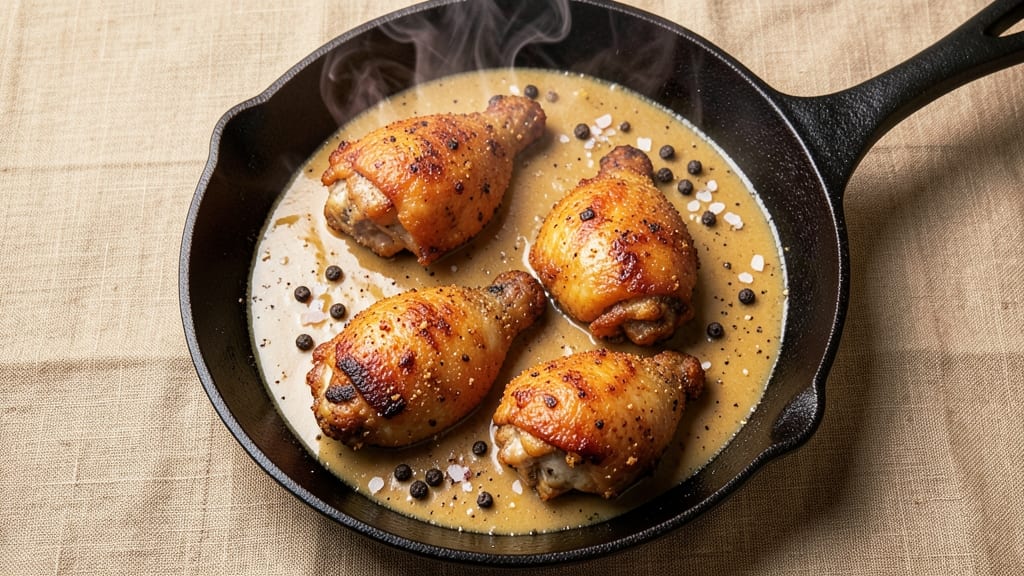
Bobby Flay's buttermilk fried chicken recipe delivers the perfect balance of crispy, golden skin and juicy, tender meat—just like in his restaurants. This double-dredge technique is the secret weapon that transforms ordinary chicken into restaurant-quality masterpieces.
I've been perfecting this method for years, and it never fails to impress even the most skeptical eaters.
The key to achieving Bobby's signature results lies in the buttermilk marinade and the precise double-dredging process. This method ensures maximum flavor absorption while creating that coveted crispy exterior.
With just 5 simple ingredients for the marinade and 15 minutes of prep time, you'll have dinner ready in under an hour—including frying time.
What you'll end up with is golden-brown, crispy chicken that shatters at the touch, revealing tender, juicy meat inside. The buttermilk marinade adds a subtle tang that balances the richness of the fried coating. This is the kind of chicken that disappears faster than you can say "second helping."
Serve with classic Southern sides like mashed potatoes, collard greens, or a tangy remoulade sauce for the full experience. The crispy skin holds up perfectly, soaking up every drop of sauce without losing its texture. Let's get started on this game-changing recipe!
Ingredients for bobby flay buttermilk fried chicken
Five core ingredients transform ordinary chicken into Bobby Flay's legendary crispy, juicy masterpiece.
| Ingredient | Amount | Notes |
|---|---|---|
| Chicken Thighs 🍗 | 2 lb | Bone-in, skin-on, cut into even pieces |
| Buttermilk 🥛 | 1 ½ cups | Full-fat for optimal flavor absorption |
| All-Purpose Flour 🌾 | 3 cups | Bread flour for extra crispiness (optional) |
| Cornstarch 🌾 | ½ cup | For ultra-crispy texture |
| Diamond Crystal Kosher Salt 🧂 | 1 ½ tbsp | Adjust to taste after frying |
| Black Peppercorns 🌶️ | 1 tbsp | Freshly cracked for robust flavor |
| Garlic Powder 🧄 | 1 tbsp | For aromatic depth |
| Paprika 🌶️ | 1 tbsp | Smoked variety for restaurant-style flavor |
| Vegetable Oil 🫒 | 4 cups | High smoke point (peanut or avocado oil preferred) |
| Fresh Lemon Wedges 🍋 | 2 whole | For serving (optional) |
| Hot Sauce 🌶️ | ¼ cup | For dipping (e.g., Tabasco or Cholula) |
The chicken thighs are the foundation—bone-in, skin-on cuts ensure maximum flavor and moisture retention. Look for thighs with a generous layer of fat marbling, which renders during frying for that signature juiciness. Whole Foods Market or Trader Joe's often carry high-quality, pre-cut thighs, but butcher sections at local markets typically offer the best quality. If using breasts, pound them to even thickness (about 1/2-inch) to ensure even cooking. The buttermilk should be full-fat—low-fat versions won't deliver the same crispy, golden crust. For the dry ingredients, King Arthur bread flour elevates the crust, though all-purpose works fine in a pinch.
No buttermilk? Substitute with 1.5 cups whole milk + 1 tbsp vinegar or lemon juice, let sit for 10 minutes. The flour-cornstarch blend is non-negotiable for that signature crunch—cornstarch is key to achieving the restaurant-style texture. For spices, smoked paprika (like Penzeys brand) adds depth, while freshly cracked black pepper ensures robust flavor. The vegetable oil should have a high smoke point (350°F+), with peanut or avocado oil being ideal. If you're short on time, pre-cut the chicken into even pieces while the buttermilk marinates—this saves critical minutes during the double-dredge process.
The buttermilk marinade keeps best for 24 hours in the fridge, though it's best used within 12. The dry flour mixture stays fresh for up to 1 week in an airtight container. For frying, maintain oil temperature at 350°F—a candy thermometer is worth the investment. The chicken stays crispy for 2-3 hours at room temperature, but reheats beautifully in a 350°F oven for 10 minutes. Store leftovers in the fridge for up to 3 days, though the crispiness diminishes slightly. For serving, lemon wedges brighten the richness, while hot sauce adds a tangy kick—both essential for the full Bobby Flay experience.
Why You'll Love This Recipe
- No-Fuss Overnight Prep: I marinate the thighs in buttermilk overnight—no chopping, no stress. Just pull them out, dredge, and fry. That’s it. The buttermilk does all the work while I sleep.
- Crispy-Creamy Magic: The cornstarch blend gives you that perfect crunch, while the buttermilk keeps it juicy inside. Bobby Flay’s secret? Diamond Crystal salt—it’s got that sharp, clean kick that makes every bite sing.
- Game for Any Night: Weeknight dinner? Check. Sunday family feast? Double-check. The thighs stay tender even reheated, so it’s my go-to for lazy days or when company drops by. Honestly, I’ve served it with mashed potatoes, collards, or just plain—it’s always a win.
- Budget-Boosting Leftovers: Chicken thighs are cheap, and this recipe stretches far. I make a double batch, freeze half, and pull it out for quick lunches. The flavor only gets better the second day—crispier, richer, and still just as satisfying.
Step-by-step instructions for Bobby Flay's buttermilk fried chicken
Master the double-dredge technique for restaurant-quality fried chicken at home.
Prepare the Chicken and Buttermilk Marinade
Pat the 2 lb chicken thighs thoroughly dry with paper towels—this is critical for maximum crispiness. Remove any excess skin but leave it intact on the thighs. In a large bowl, combine 1.5 cups buttermilk, 1.5 tbsp diamond crystal kosher salt, and 1 tbsp black peppercorns (cracked fresh for best flavor). Submerge the chicken completely and refrigerate for at least 4 hours, preferably overnight. The acid in the buttermilk tenderizes the meat while the salt enhances flavor penetration.
Here's the thing—don't skip the marinating time. The longer it sits, the more flavorful and juicy the chicken becomes. I've found that 8 hours gives the best results, but if you're short on time, 4 hours will still work. Just be sure to flip the chicken halfway through so it marinates evenly.
Create the Double-Dredge Breading Station
In a large bowl, whisk together 3 cups all-purpose flour, 0.5 cup cornstarch, 1 tbsp garlic powder, and 1 tbsp paprika. The cornstarch is key here—it creates that ultra-crispy texture Bobby Flay is known for. Place this dry mixture on one side of your workspace. On the opposite side, set up a shallow dish for the buttermilk marinade (you won't need all of it after marinating).
I like to use two separate bowls for the double-dredge process: one for the initial flour coating and one for the second, thicker coating. This keeps everything organized and prevents cross-contamination. If you're using bread flour instead of all-purpose, you'll get even more structure and crispiness, but the all-purpose version still delivers excellent results.
Double-Dredge the Chicken for Maximum Crunch
Remove the chicken from the buttermilk and let any excess drip off. Working in batches to avoid crowding, dredge each piece thoroughly in the flour mixture, pressing gently to adhere the coating. Transfer to a wire rack set over a baking sheet and let rest for 10 minutes. This step is crucial—it allows the flour to set up slightly before the second coating.
Return the chicken to the buttermilk and let it soak for 30 seconds to reactivate the coating. Then, give it another generous dredge in the flour mixture, pressing firmly to create that signature thick, crispy crust. Place the breaded chicken on the rack again and let it rest for another 10 minutes. This double-dredge technique is what gives Bobby Flay's chicken its legendary texture—don't skip it.
Fry to Golden Perfection
Heat 4 cups vegetable oil in a deep fryer or heavy pot to 350°F. Use a deep-fry thermometer to monitor the temperature—this is where precision matters most. Once the oil reaches temperature, carefully add the chicken in a single layer (don't overcrowd the pan). Fry for 12-15 minutes, turning occasionally, until the chicken reaches an internal temperature of 165°F and the coating is a deep golden brown.
Here's where it gets tricky: if the oil temperature drops below 325°F, the chicken will absorb oil and become greasy instead of crispy. Maintain the heat by adding more oil if needed, and resist the temptation to fry more than 2-3 pieces at a time. You'll know it's done when the coating is uniformly golden and the chicken releases easily from the rack with a gentle shake.
Rest and Serve with Flavor Boosters
Transfer the fried chicken to a wire rack set over a paper towel-lined plate to drain excess oil. Let it rest for 5 minutes—this crucial step allows the juices to redistribute, preventing them from pooling out when you cut in. Serve immediately with 2 whole fresh lemon wedges and 0.25 cup hot sauce on the side for dipping.
For the ultimate presentation, arrange the chicken on a platter with lemon wedges scattered around and hot sauce in small bowls. The contrast of the tangy lemon and spicy hot sauce with the crispy, juicy chicken is what makes this dish truly special. And remember, the chicken will continue to crisp up slightly as it sits, so serve it while it's hot for the best texture and flavor.
Pro Tips For Making Bobby Flay Buttermilk Fried Chicken
- Double-Dip for Crisp: After dredging thighs in the flour-cornstarch mix (Bobby’s ratio: 3 parts flour, 1 part cornstarch), dip them back in buttermilk—just the tips this time. The extra buttermilk clings to the edges, guaranteeing that perfect golden crust all the way around. I used to skip this and ended up with dry spots near the joints.
- Salt the Buttermilk: Add 1½ teaspoons of Diamond Crystal kosher salt to the buttermilk while marinating. It seasons the meat inside out—no more bland bites, and the crust gets that subtle savory punch without tasting like a salt lick. Sounds weird, but it works: the salt dissolves into the buttermilk, so every dip coats the chicken evenly.
- Fry in Batches: Bobby’s method assumes you’re frying in a deep basket—don’t overcrowd. Three thighs at a time max, or the oil temp will drop faster than a New York summer. If your basket’s smaller, cut the batch to two. Rushing this step = soggy crust. Trust me, I’ve done it.
- Rest Before Frying: Let the buttermilk-marinated thighs sit uncovered in the fridge for at least 4 hours—overnight’s even better. The acid tenderizes the meat, and the skin gets that silky texture Bobby’s after. I learned this the hard way after frying raw, rubbery thighs because I “didn’t have time to wait.” (Spoiler: you do.)
Troubleshooting this dish
Oil Too Hot?
If your oil temperature climbs above 375°F, the coating will burn before the chicken cooks through inside. I’ve ruined more batches than I’d admit by rushing this step—always use a deep-fry thermometer (like the Thermoworks Smoke model) to monitor temperature.
For extra insurance, set your stove to medium-high heat and adjust as needed. 🌡️
Breading Won’t Stick
Dry chicken is the enemy of crispy coating. Pat thighs thoroughly with paper towels—don’t skip this! If your breading still falls off, try adding 1 tbsp cornstarch to your flour mixture or chilling the chicken for 30 minutes before dredging.
I once used wet chicken and ended up with a floury mess—trust me, dry is key.
Greasy Chicken
Greasy fried chicken usually means oil temperature dropped below 325°F or overcrowding. Fry in small batches (2-3 pieces max) and maintain oil heat by adding more if needed.
A 1-quart olive oil bottle as a backup works great for quick top-offs. Also, drain chicken on a wire rack (not paper towels)—this prevents soggy bottoms. 🍗
Uneven Cooking
Chicken pieces cook at different rates—thicker thighs take longer than breasts. For consistency, cut all pieces to even thickness (about 1-inch) before marinating. If using thighs, trim excess fat to ensure even heat penetration.
I’ve found that bone-in pieces cook more evenly than boneless, so stick with thighs for best results.
Soggy Crust
Resting chicken on a plate instead of a rack traps steam, leading to soggy crusts. Always use a wire rack over a baking sheet to allow airflow. If your crust is already soggy, broil for 2-3 minutes on high to crisp it back up—just watch closely to avoid burning. 🔥
Buttermilk Separates
If your buttermilk curdles, it’s usually from sitting too long at room temperature. Store it in the fridge and use within 24 hours for best results. For extra insurance, whisk in 1 tsp vinegar if you notice separation before marinating.
I’ve never had issues with fresh buttermilk, but this trick saves the day when you’re in a pinch.
Nutrition facts
Frequently asked questions about Bobby Flay's buttermilk fried chicken
Why does Bobby Flay use thighs instead of breasts for fried chicken?
Thighs have more fat and connective tissue, which keeps them juicy even after frying. The skin also crisps up beautifully, while breasts can dry out. For best results, use bone-in thighs—they stay moist longer and have better flavor than boneless cuts.
Can I make this recipe without a deep fryer?
Use a heavy pot or Dutch oven with at least 3 inches of oil. A deep-fry thermometer is essential to maintain 350°F. For extra safety, place the pot on a stovetop burner with a splash guard or use a wire rack to keep the pot stable.
How do I keep the chicken crispy after frying?
Drain fried chicken on a wire rack (not paper towels) to prevent sogginess. Serve immediately, but if you must wait, keep it warm in a 200°F oven for up to 30 minutes. For leftovers, reheat in a 400°F oven for 10 minutes—just add a splash of water to the pan for extra crispiness.
What's the secret to the double-dredge technique?
The first dredge coats the chicken evenly, while the second dredge after the 30-second buttermilk soak creates that signature thick, crispy crust. Press firmly during the second dredge to ensure maximum adhesion. The 10-minute rests between dredges are crucial—they let the coating set up properly.
Can I use bread flour instead of all-purpose flour?
Yes! Bread flour creates an even crispier crust due to its higher protein content. For best results, use 100% bread flour and reduce cornstarch to 0.25 cup. The texture will be slightly chewier but still ultra-crispy. This is Bobby Flay's preferred method for restaurant-style results.