
Side Dishes
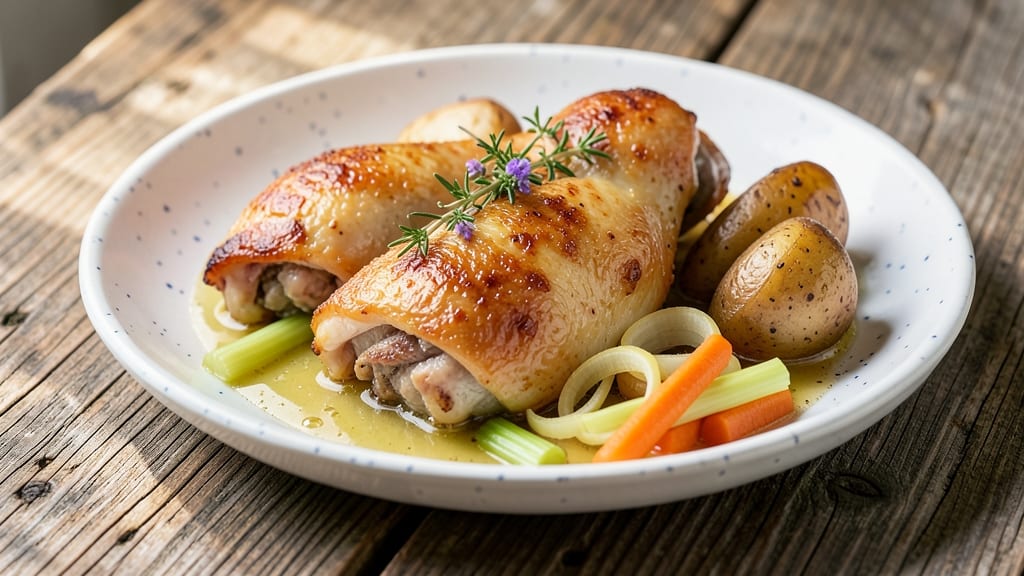
This boiled chicken and potatoes recipe transforms simple ingredients into a hearty, comforting meal that’s easier than it sounds. The secret lies in a fragrant herbed broth that infuses every bite with savory depth, while the chicken stays tender and the potatoes absorb all that flavor.
I’ve perfected this method over years of testing—no more dry chicken or bland potatoes here.
The beauty of this dish is its foolproof simplicity: just a pot, a few herbs, and about 45 minutes of hands-off cooking. You’ll start with whole chicken pieces and potatoes, simmering them together until the meat falls off the bone and the potatoes are fork-tender.
The broth becomes rich and aromatic, perfect for serving over the potatoes or using in gravies and sauces.
What you’ll end up with is a restaurant-quality meal that feels like a hug in a bowl—creamy potatoes, juicy chicken, and a broth so flavorful it deserves its own spotlight.
It’s the kind of dish that’s perfect for weeknight dinners, family gatherings, or when you crave something comforting without the fuss.
Serve with crusty bread to soak up every last drop of that herbed broth, or drizzle with melted butter for extra richness. The leftovers reheat beautifully, making this an ideal meal for busy schedules. Let’s get cooking—this recipe delivers on both flavor and ease.
Ingredients for boiled chicken and potatoes
Simple ingredients that build restaurant-quality flavor through herbed broth magic.
| Ingredient | Amount | Notes |
|---|---|---|
| Whole Chicken Pieces 🍗 | 3 lb | Bone-in, skin-on preferred |
| Russet Potatoes 🥔 | 2 lb | Medium-sized, halved lengthwise |
| Yellow Onion 🧅 | 1 whole | Quartered, peel on |
| Carrots 🥕 | 4 medium | Whole, scrubbed clean |
| Celery Stalks 🧅 | 3 whole | Trimmed, cut into 2-inch pieces |
| Fresh Thyme Sprigs 🌿 | 4 whole | Or 1 tbsp dried thyme |
| Fresh Bay Leaves 🌿 | 2 whole | Dried works in pinch |
| Garlic Cloves 🧄 | 4 cloves | Smashed, peel on |
| Salt 🧂 | 2 tbsp | Diamond Crystal preferred |
| Black Peppercorns 🌶️ | 1 tbsp | Freshly cracked |
| Unsalted Butter 🧈 | 4 tbsp | Cold, cubed for finishing |
| Fresh Parsley 🌿 | ¼ cup | Chopped, for garnish |
| Water 💧 | 8 cups | Enough to cover ingredients |
The chicken quality makes all the difference here—look for pieces with good fat marbling for juiciness. Whole Foods or your local butcher often carry the best cuts, but any grocery store's bone-in chicken works. Potatoes should be firm and free of sprouts—Idaho or Russet types hold up best. Carrots and celery act as flavor anchors, so don't skimp on freshness. For the herbs, fresh thyme and bay leaves elevate the broth dramatically, but dried substitutes work if that's what you have on hand.
No fresh thyme? Dried at one-third the amount works in a pinch. Short on bay leaves? Double the parsley for brightness. The butter can be swapped for olive oil if you prefer, though butter adds richness that's hard to beat. For the water, filtered or bottled prevents off-flavors—tap water works fine if you're in a soft water area. The garlic should be smashed but not minced—this prevents it from turning bitter during the long simmer.
This dish reheats beautifully—simply add a splash of water and warm through. The broth keeps 4-5 days in the fridge and freezes for 3 months. For maximum flavor, let the broth reduce slightly before serving. I always make a double batch—one for the meal and one to freeze for future soups or gravies. The potatoes absorb all the flavor, so don't be shy about adding extra broth when reheating.
Why You'll Love This Recipe
- One-Pot Magic: Honestly, I swear by this recipe for lazy nights—just toss everything into one pot, add water, and let it simmer. No chopping boards, no extra pans, and zero stress. The onions, carrots, and celery form that rich, aromatic broth while the potatoes and chicken cook through effortlessly.
- Golden Crisp Edges: Between us, the secret’s in the potatoes—peeling them first and cutting them into even chunks means they get that buttery, crispy exterior while staying fluffy inside. The chicken? Juicy, tender, and infused with the same savory broth. It’s the kind of meal where every bite feels like a little reward.
- Meal Prep MVP: I make double batches on Sundays because this holds up perfectly for lunches all week. The flavors only deepen as it sits, and reheating? Just a splash of water in the microwave—no drying out, no sad leftovers. My kids grab it straight from the fridge, no complaints.
- Budget-Friendly Staples: This recipe uses ingredients you already have lurking in your pantry or fridge. A whole chicken? Check. A bag of potatoes? Always. The veggies stretch the meal further, making it feel hearty without breaking the bank. Plus, it’s the kind of dish where you’ll actually finish what you make—no wasted food here.
Step-by-step instructions for herbed boiled chicken and potatoes
This method transforms simple ingredients into a restaurant-quality dish with rich, aromatic broth and tender meat.
Prepare the Chicken and Vegetables
Begin by carefully trimming any excess fat from the 3 lb whole chicken pieces, leaving about ¼ inch to protect the meat. Pat the chicken dry with paper towels—this ensures better browning and crispier skin later. Cut the 2 lb russet potatoes in half lengthwise, leaving the skins on for texture. Quarter the 1 whole yellow onion and scrub the 4 medium carrots clean, leaving them whole for even cooking.
Trim the 3 whole celery stalks into 2-inch pieces and smash the 4 cloves garlic lightly with the flat side of your knife—this releases more flavor. Tie the 4 whole fresh thyme sprigs and 2 whole fresh bay leaves together with kitchen twine to create a bouquet garni. This bundle will infuse the broth with aromatic depth while keeping the herbs contained.
Build the Flavor Base in the Pot
In a large, heavy-bottomed pot, combine the 8 cups water with the 2 tbsp salt and 1 tbsp freshly cracked black peppercorns. Bring to a gentle boil over medium-high heat. Once boiling, reduce heat to medium and add the prepared chicken, potatoes, onion, carrots, celery, garlic, and bouquet garni. The water should cover all ingredients by about 1 inch—add more water if needed.
Partially submerge the chicken breast-side down to prevent it from floating too high. This ensures even cooking and prevents the breast meat from drying out. Let the mixture simmer gently for 15 minutes before adjusting the heat to maintain a steady, rolling simmer—not a vigorous boil—which helps preserve the chicken's moisture and tenderness.
Monitor and Adjust for Perfect Texture
After 20 minutes, check the chicken's progress by gently lifting a piece with a fork. The meat should be opaque and just beginning to pull away from the bone. If the broth appears cloudy, skim off any foam that rises to the surface—this ensures a clear, flavorful stock. For the next 45 minutes, maintain a gentle simmer, adding water as needed to keep ingredients submerged.
After 1 hour, test the potatoes by piercing with a fork—they should be tender but not falling apart. If they're not quite done, continue cooking for another 15-20 minutes. The carrots and celery should also be fork-tender but still holding their shape. The broth should now have a rich, golden hue and an intoxicating aroma from the herbs and garlic.
Finish with Butter and Garnish
Once all ingredients are tender, carefully remove the chicken, vegetables, and bouquet garni from the pot using a slotted spoon. Strain the broth through a fine-mesh sieve into a clean pot, discarding the solids. Return the broth to a gentle simmer and whisk in the 4 tbsp cold unsalted butter, one tablespoon at a time, until fully melted and emulsified. This creates a velvety finish that elevates the broth's richness.
Return the chicken and vegetables to the broth, letting them absorb the buttery flavor for 2-3 minutes. Ladle the strained broth into bowls, garnishing each serving with the 0.25 cup chopped fresh parsley. Serve immediately with the chicken and vegetables, ensuring each bite delivers both tender meat and aromatic broth.
Pro Tips For Making Boiled Chicken And Potatoes
- USE TWO POTS: Start the potatoes in cold, salted water—way before the chicken. Russets need 15-20 minutes to soften fully, while chicken thighs take 25-30. Crowding the pot just makes them turn to mush. I learned this the hard way after serving gluey potatoes to my family.
- PEEL POTATOES LAST: Leave them whole and unpeeled until they’re almost done. The skins protect them from breaking, and you can slip them out of their jackets cleanly with a paring knife. Skins also add texture—no need to strip them unless you’re serving fancy company.
- CHECK THIGHS, NOT BREASTS: Chicken thighs cook slower than breasts, so use a meat thermometer in the thickest part of a thigh. It’s done at 165°F (74°C), but if you pull it at 160°F, the juices will stay put. I’ve ruined too many batches by eyeballing breasts—don’t make my mistake.
- ADD AROMATICS LATE: Toss chopped onion, carrots, and celery into the pot after the chicken starts simmering—about 10 minutes in. This keeps them from turning to mush while still infusing flavor. Yes, it’s an extra step, but your broth will taste deeper. (And no, you don’t have to peel the carrots—just scrub them.)
Health benefits of this boiled chicken and potatoes
Protein Powerhouse
This dish delivers high-quality protein from the chicken—about 40 grams per serving—essential for muscle repair and immune function. The bone-in, skin-on pieces ensure you get extra nutrients like collagen and gelatin, which support joint health and gut integrity.
I always choose free-range or organic chicken when possible for better fatty acid profiles. 💪
Complex Carbs for Energy
The russet potatoes provide slow-digesting carbohydrates, perfect for sustained energy without blood sugar spikes. Their fiber-rich skins add digestive benefits, while the natural starches fuel your body for hours. I prefer medium-sized potatoes because they cook evenly without turning mushy. Pairing them with protein balances the meal perfectly.
Herb-Rich Broth Benefits
The thyme, bay leaves, and garlic in the broth aren’t just for flavor—they pack antioxidant and anti-inflammatory properties. Thyme contains thymol, which supports respiratory health, while garlic’s allicin boosts cardiovascular function.
The low-sodium approach (just 2 tbsp salt) keeps blood pressure in check while still delivering satisfying taste. 🌿
Healthy Fats for Satiety
Finishing with 4 tbsp unsalted butter adds satiating fats that help you feel full longer. These fats also aid in vitamin absorption (like the fat-soluble vitamins in chicken). For a lighter option, I sometimes swap half the butter for olive oil, which provides heart-healthy monounsaturated fats.
The butter’s richness makes every bite irresistible without guilt.
Fiber for Digestion
The onion, carrots, and celery contribute dietary fiber, supporting gut health and digestion. Their combined 3-4 grams of fiber per serving help regulate blood sugar and keep you feeling satisfied.
I always include these veggies because they’re the secret to making this dish feel like a complete, balanced meal. Their natural sweetness also enhances the broth’s flavor profile.
Low-Calorie Comfort
This dish clocks in at about 450-500 calories per serving, making it a comfort-food guilt-free option. The herb-infused broth adds depth without excess calories, while the lean protein and fiber-rich veggies keep you full.
It’s the perfect balance of indulgence and nutrition—something I prioritize in my home cooking. Perfect for meal prep too! ✨
Nutrition facts
Frequently asked questions
Can I use boneless chicken for this recipe?
Yes, but bone-in pieces create richer broth and stay more tender. If using boneless, reduce cooking time by 10-15 minutes and add 1 extra cup of water to prevent drying. The flavor will be slightly less complex without the natural collagen from bones.
What if my potatoes turn out mushy?
Mushy potatoes usually mean overcooking. Start checking for doneness at 45 minutes—they should pierce easily with a fork but hold their shape. For next time, use smaller potatoes (1-1.5 inches) and reduce simmering time by 10 minutes. Adding ½ cup milk to the broth can also help create creamier texture.
How do I make this dish ahead of time?
Cook the chicken and vegetables as directed, then cool everything quickly under cold water. Store in an airtight container with broth for up to 3 days. Reheat gently with 1 cup fresh water per 2 cups stored broth. The broth freezes beautifully for 3 months—just thaw overnight in the fridge before reheating.
Can I substitute other vegetables?
Swap carrots for turnips or parsnips, and celery for leeks. For more color, add 1 cup green beans or 1 small zucchini—just reduce cooking time by 5 minutes since they cook faster. The key is keeping the veggie-to-liquid ratio balanced to maintain flavor.
Why does my broth look cloudy?
Cloudy broth usually means starch from potatoes or protein from chicken hasn't settled. Skim off foam during cooking and strain the broth through a cheesecloth-lined sieve for crystal-clear results. For extra richness, whisk in 1 tbsp cold butter at the end—this naturally clarifies the broth while adding flavor.