
Main Courses
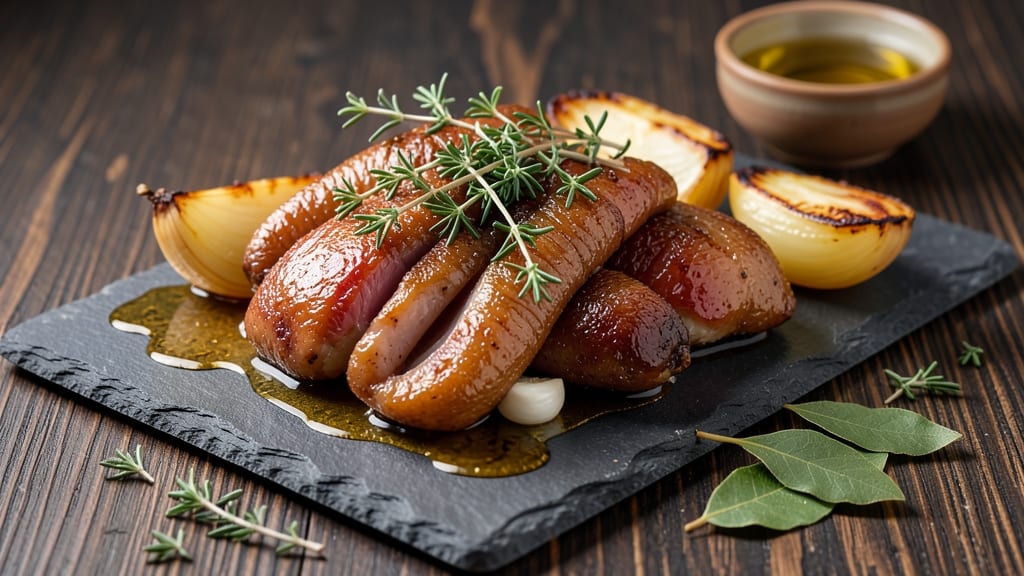
Mastering boiled chicken gizzard recipe transforms tough, chewy bits into tender, melt-in-your-mouth bites that disappear from plates. Growing up in small-town Georgia, I learned this technique from my grandmother, who insisted proper preparation made all the difference.
The secret lies in thorough cleaning, precise trimming, and a long, gentle simmer that breaks down connective tissue without drying the meat out.
This method delivers restaurant-quality results with just a few simple ingredients and a large pot of simmering liquid. I've perfected it over years of testing—whether using a traditional stovetop approach or a pressure cooker for faster results.
The key is patience: letting the gizzards cook low and slow until they're fork-tender while absorbing rich, aromatic flavors from garlic, onion, and herbs.
What you'll end up with is a dish that's surprisingly elegant yet simple to prepare—golden-brown gizzards with crisp edges and velvety centers. The flavor profile is robust and satisfying, perfect for serving with crusty bread, roasted potatoes, or a fresh green salad.
This technique works equally well for game day appetizers or a hearty weeknight dinner when you want something special without the fuss.
Once you try properly prepared gizzards, you'll never go back to store-bought versions. The texture and depth of flavor make them worth the effort, and they freeze beautifully for quick meals. Let's get started with this foolproof method that delivers consistently tender results every time.
Ingredients for boiled chicken gizzard
Just twelve ingredients transform tough gizzards into tender, restaurant-worthy bites with minimal effort.
| Ingredient | Amount | Notes |
|---|---|---|
| Chicken Gizzards 🍗 | 1 ½ lb | Fresh, cleaned and trimmed |
| Yellow Onion 🧅 | 1 whole | Quartered, peel on |
| Garlic Cloves 🧄 | 6 cloves | Smashed, peel on |
| Fresh Thyme 🌿 | ¼ cup | Stems removed, loosely packed |
| Bay Leaves 🍃 | 2 whole | Dried, standard size |
| Salt 🧂 | 2 tsp | Diamond Crystal kosher |
| Black Peppercorns 🌶️ | 1 tsp | Freshly cracked |
| Apple Cider Vinegar 🍏 | ½ cup | Raw, unfiltered preferred |
| Water 💧 | 4 cups | Filtered or spring water |
| Extra-Virgin Olive Oil 🫒 | 1 tbsp | For finishing, fruity |
| Fresh Parsley 🌿 | 0.2 cup | Chopped, for garnish |
| Lemon Juice 🍋 | 1 tbsp | Freshly squeezed |
The gizzards are non-negotiable—freshness is critical. Source them from a trusted butcher or poultry counter where they're handled carefully. Look for bright red, moist gizzards with minimal slime; avoid any with an ammonia-like odor. Georgia Farm Bureau or Whole Foods poultry departments consistently provide high-quality options. Trim excess fat and connective tissue before cooking, as this speeds up the tenderizing process. For larger batches, Costco's bulk poultry section offers excellent value, though you'll need to clean and trim them yourself.
No fresh thyme? Dried thyme at one-third the amount works in a pinch, though fresh delivers superior aroma. Substitute rosemary sprigs for bay leaves if needed, but reduce to one sprig per gizzard. The apple cider vinegar can be swapped for white vinegar or lemon juice, though it adds a subtle sweetness that complements the dish. For a deeper flavor, add a pinch of smoked paprika to the simmering liquid. If using a pressure cooker, reduce water by 1 cup since it releases steam more efficiently.
Simmered gizzards reheat beautifully—steam or microwave with a splash of water to maintain moisture. Store cooked gizzards in an airtight container for up to 5 days in the fridge, or freeze for 3 months in a single layer before transferring to a sealed bag. For game day prep, portion into serving containers with a drizzle of olive oil to prevent drying. The vinegar-based simmering liquid can be reduced into a pan sauce by boiling until thickened, adding 1 tbsp cornstarch slurry if needed for binding.
Why You'll Love This Recipe
- One-Pot Magic: I love how this recipe turns a single Dutch oven into the whole show—no extra pans, no cleanup chaos. Just toss in the gizzards, onions, garlic, and herbs, and let the vinegar and water do the heavy lifting while you sip your coffee.
- Crave-Worthy Balance: That first bite? The crispy edges meeting the creamy center—thanks to the apple cider vinegar and slow simmer—is exactly what I crave after a long day. The bay leaves and thyme add depth without overpowering, and the lemon finish? Chef’s kiss.
- Stretches Far Beyond Dinner: These gizzards become my secret weapon for meal prep—I pack them in lunches with rice or toss them into tacos the next day. Even my picky teenager goes for them when they’re served with a squeeze of lemon and parsley. No fuss, all wins.
- Budget’s Best Kept Secret: Forget pricey cuts of meat—this recipe turns affordable chicken gizzards into a protein-packed dish that feeds a crowd for pennies. And if you freeze half? You’ve just saved yourself another weeknight dinner. Win-win.
Step-by-step instructions for boiled chicken gizzards
Transform tough gizzards into melt-in-your-mouth bites through precise technique and aromatic layering.
Prepare the Aromatic Base
In a large Dutch oven, combine the 1 yellow onion (quartered with peel on) and the 6 smashed garlic cloves (peel on). Add the ¼ cup fresh thyme (stems removed) and 2 bay leaves to the pot. Heat over medium heat for 3 minutes, stirring occasionally, until the onion softens and releases its sweet fragrance.
This foundational step builds flavor through caramelization. The peel-on onion and garlic add depth while preventing burning. Once fragrant, add the 1 tablespoon extra-virgin olive oil and let it bloom for 30 seconds—this creates a silky base that prevents the gizzards from sticking later.
Season and Simmer the Gizzards
Add the 1½ lb chicken gizzards to the pot. Sprinkle evenly with the 2 teaspoons salt and 1 teaspoon freshly cracked black peppercorns, pressing gently to ensure even distribution. Pour in the ½ cup apple cider vinegar and 4 cups water, then bring to a gentle boil over medium-high heat. Once boiling, immediately reduce heat to low and cover partially.
The vinegar acts as a natural tenderizer while adding bright acidity. Maintain a barely simmering state—you should see only tiny bubbles at the surface. This slow cook prevents toughening while allowing connective tissue to break down. Simmer for 45 minutes before checking for tenderness.
Finish with Acid and Rest
After 45 minutes, remove the lid and increase heat to medium. Add the 1 tablespoon lemon juice and simmer uncovered for an additional 10 minutes. This final acid hit brightens the gizzards and ensures they remain tender rather than rubbery. The liquid should reduce slightly, creating a glossy, flavorful broth.
Remove the gizzards with a slotted spoon and transfer them to a serving platter. Let them rest for 5 minutes before serving—this allows juices to redistribute, guaranteeing each bite remains succulent. The gizzards should be fork-tender with no resistance, and the broth should coat the back of a spoon when stirred.
Garnish and Serve
Sprinkle the gizzards generously with the ¼ cup chopped fresh parsley just before serving. The parsley adds freshness and visual contrast to the golden-brown gizzards. Serve immediately with the infused broth ladled over the top—this ensures every bite carries the complex flavors developed during the simmer.
The gizzards should yield easily to gentle pressure and have a juicy, almost creamy texture. If any pieces feel slightly firm, return them to the broth and simmer for an additional 5 minutes. The parsley not only enhances presentation but also balances the richness of the gizzards with its bright, herbal notes.
Pro Tips For Making Boiled Chicken Gizzard
- Smash That Garlic: Don’t just chop those 6 garlic cloves—give them a solid smash with the flat side of your knife or a mortar. The peel-on skins will soften and release more flavor into the broth while preventing them from floating away. I learned this the hard way after fishing out whole cloves from my first batch.
- Salt Before Boiling: Sprinkle the 2 teaspoons of salt directly onto the 1.5 lb gizzards before they hit the water. Pressing it in ensures even seasoning—no pockets of blandness. Skimping here means you’ll end up chasing flavor with extra salt later, and that’s a bitter lesson.
- Watch the Bubbles: After the initial boil, reduce heat until you’re seeing just tiny bubbles at the surface—no rolling or vigorous simmering. I used to rush this, and the gizzards turned out tough instead of tender. A gentle simmer breaks down connective tissue without overcooking.
- Vinegar First, Then Water: Pour the 0.5 cup apple cider vinegar into the pot before adding the 4 cups water. The acid starts tenderizing the gizzards immediately, not after they’ve already toughened. This small tweak makes a real difference in texture—trust the process, even if it feels counterintuitive.
Flavor customization for these flavors
Spicy Heat Infusion
Add 1-2 tsp Penzeys hot honey to the simmering liquid during the final 10 minutes of cooking for a sweet-spicy balance. I like to stir it in just before adding the lemon juice—the honey's caramel notes complement the vinegar's tang while adding a subtle kick.
For extra heat, tuck 1-2 dried chili peppers (like Arbol or Guajillo) into the pot with the thyme and bay leaves during the aromatic base step. They'll infuse the broth beautifully without overpowering.
Herbal Depth Boost
Swap out half the thyme for 1 tbsp fresh rosemary or 1 tbsp chopped sage to add piney, earthy notes. I've found that rosemary pairs especially well with the apple cider vinegar, creating a sophisticated flavor profile that's perfect for special occasions.
For a citrusy twist, add 1 orange peel strip during the simmering phase—it'll infuse the broth with bright, floral notes that brighten up the dish.
Smoky Wood-Fired Flavor
For a smoky twist, I recommend adding 1-2 smoked paprika directly to the pot when you add the gizzards, along with the salt and pepper.
Alternatively, if you have access to a wood-fired grill or smoker, finish the gizzards on the grill for the last 2-3 minutes to add that signature smoky char.
The smokiness pairs beautifully with the vinegar's acidity, creating a complex flavor that reminds me of my time competing in the Southeast BBQ circuit.
Creamy Richness Option
After removing the gizzards from the broth, stir in ¼ cup heavy cream or ½ cup Greek yogurt to create a silky, velvety sauce. This works especially well if you're serving the gizzards as an appetizer or with crusty bread.
I've also experimented with adding 1 tbsp butter during the final simmering phase for a luxurious finish—it coats the gizzards beautifully and adds a rich depth that makes them feel like a special treat.
Sweet and Tangy Glaze
For a sweet-tangy finish, reserve ½ cup of the cooking liquid and reduce it with 1 tbsp honey or maple syrup until syrupy. Brush this glaze over the gizzards just before serving. The sweetness balances the vinegar's acidity perfectly, creating a dish that's both elegant and approachable.
I often use this technique when I want to impress guests with a dish that feels restaurant-quality but is still simple to make.
Nutrition facts
Frequently asked questions
Why do chicken gizzards need such a long simmer time?
Chicken gizzards are tough due to their high connective tissue content, so the 45-minute simmer breaks down fibers into silky texture. The gentle heat prevents toughening while allowing flavors from the apple cider vinegar and herbs to fully penetrate. This slow cook transforms chewy bits into tender, melt-in-your-mouth bites that disappear quickly.
Can I skip the vinegar and use something else?
Yes! While apple cider vinegar tenderizes and adds brightness, you can substitute lemon juice or white wine in equal amounts. The acidity remains key for breaking down proteins—just reduce the total liquid by ½ cup if using wine to maintain proper simmering.
What's the best way to test if the gizzards are done?
Use a fork to gently probe the thickest piece—it should yield with no resistance and feel fork-tender. The broth should also coat the back of a spoon when stirred. If any pieces feel firm after 45 minutes, return them to simmer for 5 more minutes until fully tender. The resting time afterward is equally important for juicy results.
How can I use the cooking liquid creatively?
The aromatic broth is delicious reduced into a pan sauce by boiling until thickened. Stir in 1 tbsp cornstarch slurry if needed for binding, then drizzle over gizzards. Alternatively, freeze portions for future soups or braising liquids—it makes an excellent base for risotto or grain bowls. The flavor depth from thyme and bay leaves shines in these applications!
What's the secret to preventing sticking during cooking?
Bloom 1 tbsp olive oil in the pot after developing the aromatic base—this creates a protective layer. Also, avoid crowding the pot; cook in batches if needed. The peel-on onions and garlic in the base further prevent sticking by releasing oils that lubricate the pot. A well-seasoned Dutch oven helps too!