
Main Courses
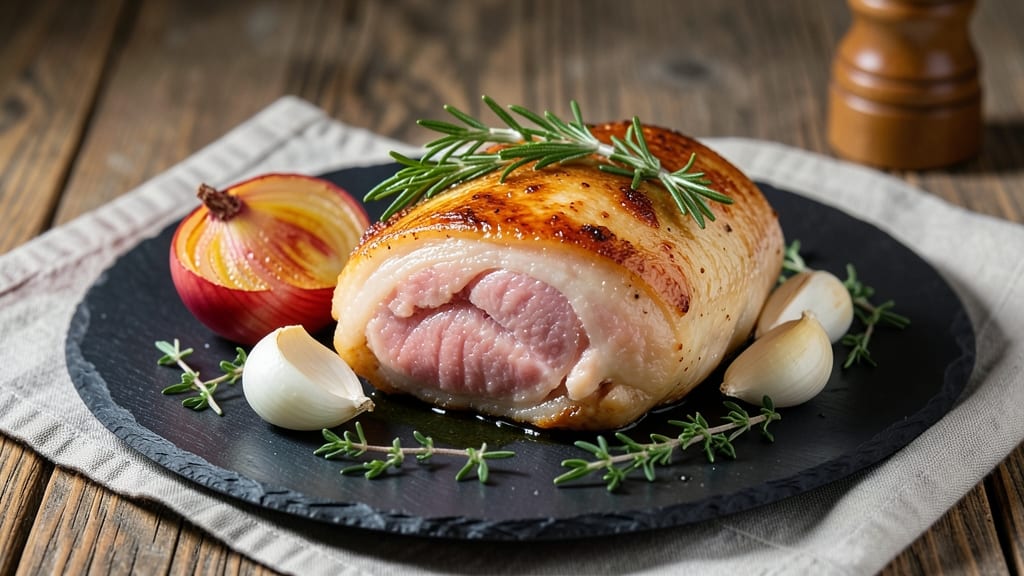
This boiled chicken thigh recipe delivers juicy, fall-off-the-bone meat with minimal effort—no dry, rubbery results here. I perfected this technique after years of testing, and the secret lies in the slow, gentle poaching process that keeps the meat tender while infusing it with aromatic herbs and bright white wine.
The method transforms simple chicken thighs into a restaurant-worthy dish that’s perfect for weeknight dinners or elegant gatherings.
The key to success starts with a flavorful poaching liquid—white wine, herbs, and aromatics work together to create a fragrant broth that the chicken absorbs. Unlike baking or frying, poaching preserves moisture while allowing the skin to stay intact, resulting in a clean, elegant presentation.
This recipe also includes a foolproof internal temperature check to ensure perfect doneness every time, so you never overcook the meat.
By the end, you’ll have juicy, succulent chicken thighs with a delicate herb-infused flavor that’s far more exciting than plain boiled chicken. The white wine adds brightness, while the herbs create layers of aroma that elevate the dish without overpowering the natural taste of the meat.
Serve with a simple salad or crusty bread to soak up the flavorful poaching liquid—every bite will be tender and delicious.
This method works equally well for meal prep or last-minute dinners, making it a versatile addition to your cooking repertoire. The technique is simple enough for beginners but refined enough to impress even seasoned cooks. Let’s get started with a recipe that delivers restaurant-quality results at home.
Ingredients for boiled chicken thigh
These twelve ingredients transform simple chicken thighs into restaurant-quality poached perfection.
| Ingredient | Amount | Notes |
|---|---|---|
| Chicken Thighs 🍗 | 1 ½ lb | Bone-in, skin-on for best flavor |
| Dry White Wine 🍷 | 1 cup | Sauvignon Blanc or Pinot Grigio |
| Fresh Thyme Sprigs 🌿 | 4 whole | Stems intact for easy removal |
| Fresh Rosemary Sprigs 🌿 | 2 whole | Woody stems removed |
| Garlic Cloves 🧄 | 4 cloves | Peeled, lightly crushed |
| Yellow Onion 🧅 | 1 whole | Quartered, peel on |
| Bay Leaves 🌿 | 2 whole | Dried, standard size |
| Salt 🧂 | 1 ½ tsp | Kosher or sea salt |
| Black Peppercorns 🌶️ | ½ tsp | Crushed for even seasoning |
| Fresh Parsley 🌿 | ¼ cup | Chopped, for garnish |
| Lemon Juice 🍋 | 1 tbsp | Freshly squeezed |
| Olive Oil 🫒 | 1 tbsp | For post-poach shine |
The chicken thighs are the foundation—bone-in, skin-on for maximum flavor and moisture retention. Look for thighs with a good layer of fat; Trader Joe's or Whole Foods often carry high-quality cuts. If your store doesn't sell them pre-cut, buy a whole chicken and ask the butcher to trim the thighs yourself. The white wine should be dry and crisp—avoid oaked varieties as they can overpower the delicate herbs. For the aromatics, fresh herbs make all the difference: the thyme and rosemary add earthy depth, while the parsley brightens at the end. Buy them from the grocery store's produce section, but if they're wilted, skip them—freshness is key here.
No white wine? Substitute with chicken broth—just add a splash of lemon juice to mimic the acidity. Dried herbs work in a pinch (use half the amount), but fresh is ideal. The garlic and onion can be swapped for asafetida powder (1/4 tsp) if you're avoiding alliums, though the flavor will differ. For a richer finish, add 1 tbsp of unsalted butter to the poaching liquid at the end. The lemon juice is non-negotiable—it cuts through the richness and keeps the dish bright. If you're prepping ahead, poach the chicken a day in advance—the flavor intensifies as it sits in the fridge, and reheating is a breeze.
The poaching liquid keeps for 3 days in the fridge if you want to reuse it for soups or sauces. Store it in an airtight container, skimming off any congealed fat before reheating. The cooked chicken thighs stay tender for 4 days in the fridge, wrapped tightly in parchment paper to retain moisture. For longer storage, freeze for up to 3 months—thaw in the fridge overnight before reheating gently in the poaching liquid. Garnish with fresh parsley just before serving to keep it vibrant. The olive oil drizzle at the end adds a luxurious finish, so don't skip it—it's worth the extra minute.
Why You'll Love This Recipe
- Foolproof Simplicity: I swear by this—just toss the thighs, wine, and herbs into a pot. No fussy prep, no last-minute panic. The wine does all the work while you sip your own glass.
- Herb-Infused Magic: That rosemary and thyme simmering in the wine? It turns plain chicken into something rich and aromatic. The garlic cloves? They melt into the meat, leaving it tender with just a hint of bite.
- Weeknight to Party Fix: Same recipe, different vibes. Serve it with crusty bread for a lazy night in or elevate it with a sprinkle of parsley for a dinner guest’s favorite. It’s my go-to for when I need to impress without stress.
- Budget-Friendly Leftovers: Chicken thighs are cheaper than breasts, and this method keeps them juicy for days. I make a double batch—some for wraps the next day, some tossed into salads. Zero waste, all flavor.
Step-by-step instructions for poached chicken thighs
This method delivers perfectly tender, flavorful chicken thighs every time.
Prepare the Poaching Liquid
In a large pot, combine the 1 cup dry white wine, 1 whole quartered yellow onion (peel on), 4 cloves garlic cloves, 4 whole fresh thyme sprigs, 2 whole fresh rosemary sprigs, 2 whole bay leaves, 1.5 teaspoons salt, and 0.5 teaspoon crushed black peppercorns. Bring to a gentle simmer over medium heat.
Let the aromatics infuse for 5 minutes until fragrant. You'll notice the liquid develops a subtle herbal aroma and the garlic becomes translucent. This infusion creates the flavor base for your poached chicken. Keep the heat low to prevent boiling—we want a gentle simmer that won't toughen the meat.
Poach the Chicken Thighs
Add the 1.5 lb bone-in, skin-on chicken thighs to the simmering liquid, skin-side down. Partially cover the pot and let it cook for 15 minutes to render some fat from the skin. This initial step creates a protective layer of fat that helps keep the meat moist during cooking.
After 15 minutes, flip the thighs skin-side up. Continue poaching for an additional 15-20 minutes until the internal temperature reaches 165°F and the meat is fork-tender. The skin should be opaque and slightly translucent, indicating it's cooked through but still retains moisture. You'll see the liquid take on a pale golden hue from the chicken juices.
Finish with Lemon and Rest
Remove the chicken from the pot and transfer to a serving platter. Stir the 1 tablespoon lemon juice into the poaching liquid and bring it back to a gentle simmer for 2 minutes to infuse the remaining aromatics. This brightens the flavors and prepares the liquid for serving as a sauce.
Let the chicken rest for 5 minutes before serving. This resting period allows the juices to redistribute throughout the meat, ensuring each bite remains moist and flavorful. During this time, you can drizzle the thighs with the 1 tablespoon olive oil for added shine and richness.
Serve with Herbed Wine Sauce
Strain the poaching liquid through a fine-mesh sieve to remove the aromatics, then return it to the pot. Reduce the liquid over medium heat for 3-4 minutes until slightly thickened. This creates a light, herbed wine sauce that complements the chicken beautifully.
Slice the chicken thighs and serve immediately with the reduced sauce spooned over the top. Garnish with the 0.25 cup chopped fresh parsley for color and freshness. The result is juicy, flavorful chicken thighs with a delicate herbed wine sauce that enhances every bite.
Pro Tips For Making Boiled Chicken Thigh
- USE HIGH HEAT FIRST: Start your chicken thighs in a screaming-hot pot—no simmering yet. I used to waste 10 minutes trying to cook them gently, but a quick 2-minute sear in white wine builds flavor before you even add water. The wine will bubble like crazy, but that’s the point—it caramelizes the chicken’s surface right away.
- TRIM THE FAT, NOT THE FLAVOR: Pat the thighs dry, then slice off any thick fat caps but leave the thin layer on the skin. That fat renders into the wine and herbs, making the broth richer. I learned this the hard way—over-trimming turns your dish into a sad, dry version of itself.
- DON’T CROWD THE POT: Leave at least an inch of space between thighs when adding them to the pot. I know it looks weird to underfill, but crowded chicken steams instead of simmers, turning the meat rubbery. If you’re short on space, cook in batches—yes, it’s extra work, but the texture makes it worth it.
- ADD HERBS LATE: Tuck the thyme and rosemary sprigs into the chicken after the wine has reduced by half, not at the start. The heat at the beginning would turn them bitter before they even had a chance to perfume the dish. Fresh herbs should smell like a forest, not like burnt sage.
Storing and reheating this boiled chicken thigh
Fridge Storage Tips
Store your poached chicken thighs in an airtight container with a splash of the poaching liquid to keep them moist. I use glass Pyrex containers because they’re sturdy and won’t absorb odors.
Label with the date—these stay tender for 4 days in the fridge. Wrap them tightly in parchment paper before storing to prevent drying. 💫
Freezer-Friendly Method
For longer storage, freeze the thighs for up to 3 months. Place them in a single layer on a tray first to prevent clumping, then transfer to a freezer bag with excess air removed.
Thaw overnight in the fridge before reheating—never at room temperature. The texture holds up beautifully when reheated gently in the poaching liquid. 🧊
Reheating Like a Pro
To reheat from the fridge, warm the chicken in the poaching liquid over low heat for 5-7 minutes until reaching 165°F. Avoid microwaving—it dries out the meat. For freezer-to-table, add 1-2 minutes to the reheating time. The liquid helps restore moisture and keeps flavors vibrant. 🔥
Sauce Revival Trick
If you saved the poaching liquid, reheat it separately and reduce it slightly to thicken. Add a splash of fresh lemon juice or a pat of butter to brighten flavors.
This sauce is perfect for drizzling over reheated chicken or using as a base for pasta. I love serving it with crusty bread to soak up every drop. ✨
Make-Ahead Meal Prep
Poach the chicken a day ahead for even deeper flavor development. The aromatics meld overnight, creating a richer taste. Store components separately—thighs in one container, sauce in another—and reheat together. This is my go-to for busy weeknights—just assemble and serve. The effort pays off with restaurant-quality results. 💪
Nutrition facts
Frequently asked questions
Why poach chicken thighs instead of boiling them?
Poaching uses a gentle simmer that keeps the meat moist and tender, while boiling can make chicken tough and dry. The white wine and herbs infuse the chicken with flavor without overcooking it—ideal for juicy results. This method also preserves the skin's crispness while cooking the meat through evenly.
Can I use chicken breast instead of thighs?
Chicken breast is leaner and more prone to drying out during poaching. If you must use it, reduce the cooking time to 12-15 minutes total and avoid flipping. For best results, stick with thighs—they stay juicy and flavorful while breasts often turn rubbery.
What if my poaching liquid smells like alcohol?
That means the wine hasn't fully cooked off. Bring the liquid to a gentle simmer for 5-7 minutes to evaporate the alcohol while keeping the aromatics. The remaining flavor will be subtle but still delicious—just avoid drinking it! The chicken will absorb the flavors without the harsh alcohol taste.
How do I know when the chicken is fully cooked?
Use a meat thermometer to check the internal temperature—it should reach 165°F in the thickest part of the thigh. The skin will also turn opaque and pull away slightly from the meat. If you don't have a thermometer, cut into the thickest part—juices should run clear, not pink.
Can I make this recipe without wine?
Yes! Replace the wine with 1 cup chicken broth plus 1 tablespoon lemon juice to mimic the acidity. For extra richness, add 1 tablespoon butter**> to the poaching liquid. The flavor will be slightly different but still delicious—just less complex than the wine-infused version.