
Main Courses
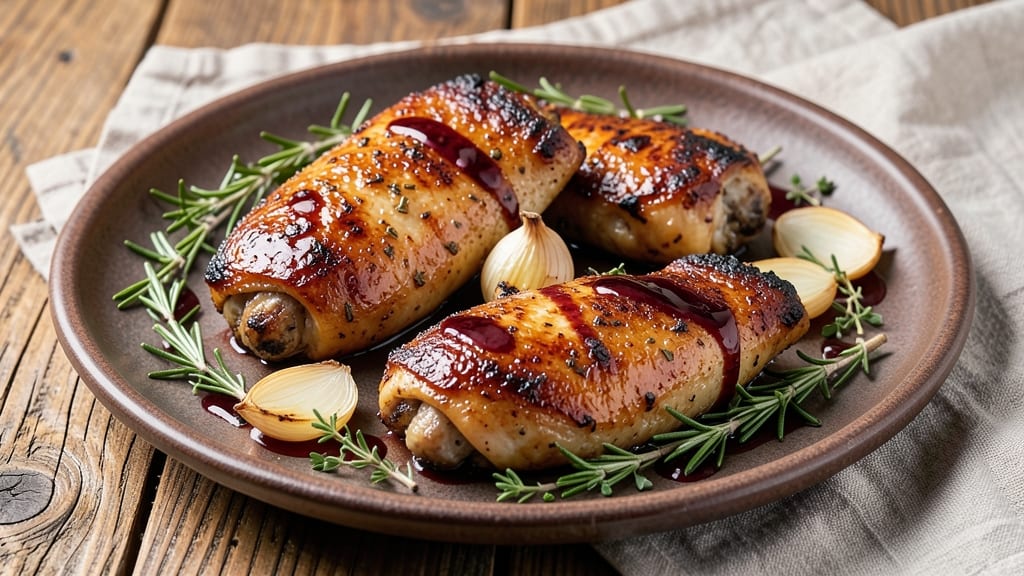
This boneless chicken thighs red wine recipe transforms simple ingredients into restaurant-quality bites that practically melt in your mouth. 🔥 The secret lies in slow-braising the thighs in rich red wine, which infuses them with deep, complex flavors while keeping them impossibly tender.
I developed this method after years of experimenting with different cooking techniques—this one delivers juicy, fall-off-the-bone results every time, with a sauce that's perfect for drizzling over roasted vegetables or crusty bread.
The beauty of this recipe is its simplicity: just a few pantry staples and 30 minutes of active time, followed by hands-off simmering. You'll start with a quick sear to build flavor, then deglaze the pan with red wine, garlic, and herbs to create a fragrant base.
The chicken cooks low and slow in this aromatic liquid, absorbing all the rich, wine-infused goodness while staying moist and flavorful.
What you'll end up with is chicken that's juicy and deeply savory, with a glossy red wine sauce that clings to every bite. The sauce is rich enough to stand alone but balanced enough to complement sides like roasted asparagus or mashed potatoes.
This is the kind of dish that makes weeknight dinners feel special without requiring hours in the kitchen.
Perfect for feeding a family or impressing guests, this recipe scales beautifully while maintaining its restaurant-quality results. The technique works equally well with white wine, but red wine's deeper flavors create that signature depth that makes this dish unforgettable. Let's get started on creating these rich, flavorful chicken thighs!
Ingredients for boneless chicken thighs red wine
Pantry staples meet restaurant-quality technique for these impossibly tender red wine-braised chicken thighs.
| Ingredient | Amount | Notes |
|---|---|---|
| Boneless Chicken Thighs 🍗 | 1 ½ lb | Skinless, trimmed of excess fat |
| Dry Red Wine 🍷 | 1 cup | Bold variety like Cabernet Sauvignon |
| Garlic Cloves 🧄 | 4 cloves | Minced for even distribution |
| Shallots 🧅 | 2 whole | Finely chopped, not minced |
| Fresh Rosemary 🌿 | ½ oz | Needles only, finely chopped |
| Fresh Thyme 🌿 | 1 tbsp | Leaves only, stems removed |
| Olive Oil 🫒 | 2 tbsp | Extra-virgin for high smoke point |
| Chicken Broth 💧 | ½ cup | Low-sodium preferred |
| All-Purpose Flour 🌾 | 1 tbsp | For thickening sauce |
| Salt 🧂 | 1 ½ tsp | Diamond Crystal kosher salt |
| Black Pepper 🌶️ | ½ tsp | Freshly cracked black pepper |
| Butter 🧈 | 1 tbsp | Cold, unsalted for finishing |
| Fresh Parsley 🌿 | ¼ cup | Chopped, for garnish |
The chicken thighs are the star—look for boneless, skinless cuts with even thickness for consistent cooking. Trader Joe's and Whole Foods carry excellent options, but any grocery store's fresh chicken section will work. Trim any visible fat to prevent excess grease in the sauce. For the red wine, Cabernet Sauvignon or Merlot work best—their bold flavors complement the chicken perfectly. If you can't find fresh rosemary, dried works at one-third the amount, but fresh gives that unmistakable aromatic punch. The shallots add subtle sweetness without overpowering the dish, so don't skip them.
No red wine? Substitute with beef broth and a splash of balsamic vinegar—it mimics the acidity and depth. Fresh herbs unavailable? Dried thyme and rosemary will work in a pinch, but reduce to half the amount. The flour is purely for thickening the sauce—if you're watching carbs, omit it and simmer the sauce longer to reduce naturally. For extra richness, stir in 1 tablespoon of heavy cream at the end, though it's optional. The butter at the finish adds luxurious mouthfeel, so don't skip this step—it's what elevates this from good to restaurant-quality.
This dish tastes even better the next day as the flavors meld. Store leftovers in an airtight container in the fridge for up to 4 days. For longer storage, freeze portions for 3 months. I like to portion the sauce separately so I can drizzle it over rice or roasted vegetables later in the week. The chicken reheats beautifully—just warm it gently in the sauce to maintain moisture. If making ahead, braise the chicken fully, then refrigerate before finishing with the butter and parsley.
Why You'll Love This Recipe
- One-Pan Magic: I swear by this recipe when I’m too tired to scrub a million dishes—just sear the thighs, pour in the wine, and let the garlic and rosemary work their magic. The shallots caramelize right in the pan, so you’re left with one sheet, one spatula, and zero stress.
- Wine-Infused Richness: That first sip of red wine hitting the pan? It’s like a flavor bomb. The thighs stay juicy while the sauce reduces into something deep and savory—garlicky, herby, with just enough acidity to cut through. Honestly, I’ve tried fancier cuts, but these thighs soak up the wine like a sponge.
- Weeknight to Dinner Party: Between us, this is my secret weapon for when my in-laws show up unannounced. The same recipe works for a quick Tuesday dinner (with crusty bread) or a fancier spread (add some polenta or roasted veggies). The rosemary gives it that effortless elegance without trying too hard.
- Budget-Friendly Leftovers: Chicken thighs are my wallet’s best friend—they’re cheaper than breasts but just as flavorful. And this sauce? It gets better the next day, so I make a double batch. Freeze half for lazy Mondays or toss it into a grain bowl when I’m craving something hearty but not heavy.
Step-by-step instructions for juicy red wine chicken thighs
Here's how to transform simple chicken thighs into restaurant-quality bites with deep wine-infused flavor.
🍳 Step 1: Sear the Chicken for Maximum Flavor
Heat 2 tablespoons olive oil in a large oven-safe skillet over medium-high heat until shimmering. Pat the 1.5 lb boneless chicken thighs completely dry with paper towels—this ensures a perfect sear. Season both sides generously with 1.5 teaspoons salt and 0.5 teaspoon black pepper, pressing the seasoning into the meat.
Place the chicken thighs in the skillet, skin-side down, and cook undisturbed for 4-5 minutes until golden brown. You'll see the edges crisp slightly and the chicken release easily from the pan. Flip carefully and sear the other side for another 3-4 minutes. Remove the chicken and set aside on a plate, leaving all the browned bits in the pan—these are packed with flavor.
👨🍳 Step 2: Build the Wine Reduction
Reduce heat to medium and add the 2 whole shallots and 4 cloves minced garlic to the skillet. Sauté for 2-3 minutes until the shallots soften and become translucent. Stir in the 0.5 ounce finely chopped fresh rosemary and 1 tablespoon fresh thyme leaves, cooking for another 30 seconds until fragrant.
Pour in the 1 cup dry red wine, scraping up all those flavorful browned bits from the bottom of the pan. Let the wine simmer for 3-4 minutes until reduced by half and slightly thickened. The aroma should be rich and concentrated—this is where the magic happens. If you notice the wine reducing too quickly, lower the heat slightly to prevent burning.
🥘 Step 3: Thicken the Sauce and Finish
Sprinkle the 1 tablespoon all-purpose flour over the wine mixture and stir vigorously for 1 minute to remove any lumps. Gradually pour in the 0.5 cup chicken broth, whisking constantly to create a smooth sauce. Return the chicken thighs to the skillet, spooning the sauce over them. Cover and simmer on low heat for 10-12 minutes, until the chicken reaches an internal temperature of 165°F.
Remove the skillet from heat and stir in the 1 tablespoon cold butter, letting it melt into the sauce. The butter adds richness and helps create a glossy finish. Taste and adjust seasoning if needed—you might need a pinch more salt to balance the wine's acidity. The sauce should coat the back of a spoon with a velvety texture.
🍽️ Step 4: Garnish and Serve
Transfer the chicken thighs to a serving platter, spooning the sauce over the top. Sprinkle generously with the 0.25 cup chopped fresh parsley for a pop of color and freshness. Let the dish rest for 2-3 minutes before serving—this allows the juices to redistribute, ensuring each bite stays juicy and flavorful.
Serve immediately with crusty bread or over mashed potatoes to soak up every last drop of that rich, wine-infused sauce. The chicken should be tender with a golden crust, and each bite should deliver layers of herbaceous, wine-kissed flavor. This technique guarantees juicy results by cooking the chicken gently in its own rendered juices after the initial sear.
Pro Tips For Making Boneless Chicken Thighs Red Wine
- SEAR THE THIGHS FIRST: Don’t skip the initial sear—get your pan screaming hot and cook the thighs for 3-4 minutes per side until deep golden. I learned this the hard way: skipping this step means the wine sauce will taste flat and the chicken will stay bland. The crust locks in flavor and keeps the meat juicy.
- MINCE SHALLOTS SMALL: Chop those shallots into tiny, almost paste-like pieces—think 1/8-inch or smaller. Big chunks turn to mush and ruin the texture. I used to eyeball it, but now I just smash them with the flat side of my knife first, then slice. They’ll dissolve into the wine beautifully.
- DEGLAZE WITH PATIENCE: After searing, let the pan cool for 30 seconds before adding wine—this prevents a violent boil-off. Pour in just enough wine to scrape up the browned bits, then simmer until reduced by half. Rushing this step means a thin, weak sauce instead of a rich one.
- SALT THE CHICKEN WET: Pat the thighs dry, then sprinkle salt before searing—this ensures it sticks and seasons the meat all the way through. I used to salt after, and the crust always tasted uneven. Wet your fingers slightly to help the salt cling.
Common mistakes when making your boneless chicken thighs red wine
Skipping the Sear
One of the biggest mistakes is skipping the initial sear entirely. That golden crust isn't just for looks—it creates the Maillard reaction, which builds deep, complex flavors. Without it, your chicken will taste flat and bland.
I always sear my chicken thighs for 4-5 minutes per side until they're deeply browned. If you're short on time, at least do a quick 2-minute sear on each side—it makes a noticeable difference. 🔥
Using Low-Quality Wine
Don't use cheap wine—it can taste harsh and leave a bitter aftertaste. I recommend a bold red like Cabernet Sauvignon or Merlot with good tannins. If you're using a $5 bottle, you'll regret it.
The wine should be drinkable on its own, but don't worry about expensive vintages—just avoid anything with artificial flavors or cork taint. A bottle from Trader Joe's or Costco works perfectly.
Overcrowding the Pan
If you try to cook all the chicken thighs at once, they'll steam instead of sear, leading to soggy results. Cook them in one layer with space between each piece. I use a 12-inch cast iron skillet and cook 2 thighs at a time if needed.
Overcrowding also makes it harder to flip the chicken properly, which can lead to uneven cooking. Patience here pays off with better texture and flavor.
Ignoring the Deglaze
The deglazing step is where most of the flavor comes from—those browned bits on the bottom of the pan are packed with caramelized goodness. If you skip scraping them up with the wine, you're missing out on layers of depth.
I always use a wooden spoon or silicone spatula to scrape vigorously while adding the wine. This creates a rich, flavorful base for your sauce that you can't replicate any other way.
Overcooking the Chicken
Chicken thighs are forgiving, but they can dry out if cooked too long. The key is to remove them when they reach 165°F internal temperature. I use a meat thermometer to check—any higher, and the meat becomes tough.
If your sauce isn't thick enough after simmering, reduce it longer on the stovetop instead of cooking the chicken more. The sauce will concentrate naturally as it reduces, giving you that perfect velvety texture without drying out the meat.
Neglecting Resting Time
Skipping the 2-3 minute rest before serving might seem trivial, but it's crucial for juicy results. This short wait allows the juices to redistribute throughout the meat. If you cut into the chicken immediately, all the flavorful juices will run out, leaving you with dry, disappointing bites.
I always let the chicken rest on the serving platter while I garnish with parsley—it's a small step that makes a huge difference. ✨
Nutrition facts
Frequently asked questions
Can I use white wine instead of red?
While red wine creates deeper flavors, you can absolutely use white wine like Chardonnay or Sauvignon Blanc. The acidity will brighten the dish, but the sauce will have a lighter color. For best results, add 1 teaspoon red wine vinegar to mimic the richness. White wine works beautifully with lighter herbs like basil or parsley instead of rosemary.
How do I make this recipe in a slow cooker?
Transfer the seared chicken thighs and all sauce ingredients to a slow cooker. Simmer on low for 4-5 hours or high for 2-3 hours until the chicken reaches 165°F. The slow cooking enhances the wine flavors while keeping the meat incredibly tender. Finish with butter and parsley just before serving to maintain freshness.
What's the best way to reheat leftovers?
Reheat gently in a skillet with a splash of chicken broth over low heat for 3-4 minutes until warmed through. Microwaving can dry out the chicken, so avoid that method. For extra richness, stir in 1 tablespoon butter while reheating. Leftovers taste even better the next day as flavors meld!
Can I substitute chicken thighs with another protein?
This method works perfectly with pork chops or beef short ribs, though cooking times will vary. For pork, cook until 145°F internal temperature, and for beef, aim for medium-rare (130°F). Adjust seasoning to taste—beef especially benefits from extra salt to balance the wine's acidity.
Why is my sauce too thin?
If your sauce is too thin, simmer it uncovered for 5-10 minutes to reduce. For instant thickening, mix 1 teaspoon cornstarch with 1 tablespoon water, stir into the sauce, and simmer for 1 minute until it reaches your desired consistency. Avoid adding flour directly to a hot sauce—it can create lumps.