
Main Courses
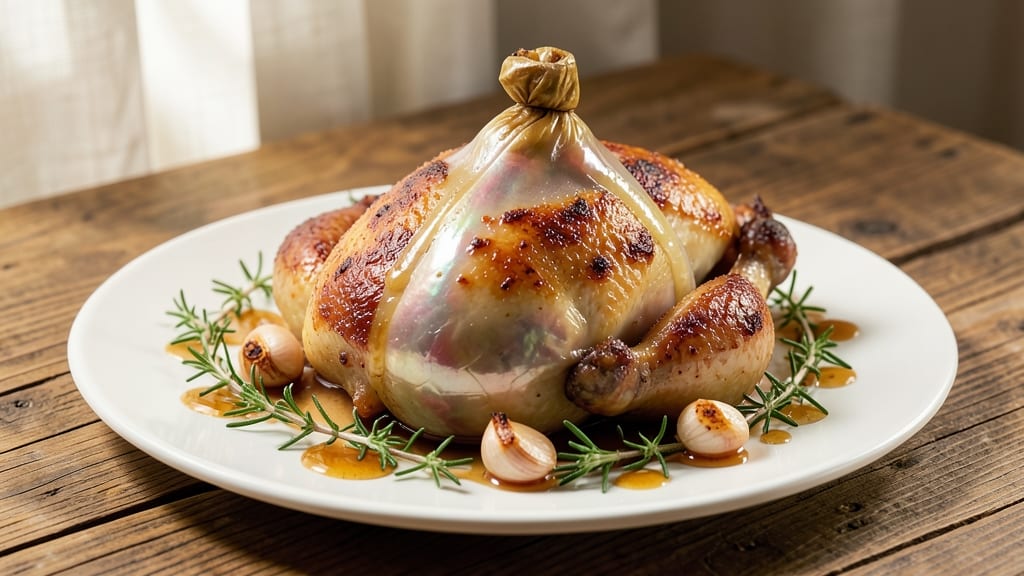
This Bresse chicken cooked in a pig's bladder recipe preserves an ancient French tradition that transforms delicate poultry into melt-in-your-mouth perfection. 💛 The bladder acts as a natural steamer, locking in juices and creating a tender texture unmatched by conventional roasting.
As someone who's spent years perfecting heritage cooking techniques, I can tell you this method delivers results that feel like a culinary time machine.
The process begins with carefully preparing the bladder—cleaning, stuffing it with the chicken, and sealing it tightly to create an airtight cooking vessel. This isn't just a recipe; it's a hands-on experience that connects you to centuries-old French culinary traditions from the Bresse region, where this technique originated.
The slow cooking method ensures the chicken remains succulent while developing rich, savory flavors that penetrate every bite.
What you'll achieve is a dish that's restaurant-quality tender, with skin that's crisp yet delicate, and meat so moist it practically falls apart. The bladder method also creates a natural broth that can be used to make a complementary sauce or gravy.
This technique is perfect for special occasions when you want to impress guests with a dish that feels both elegant and deeply traditional.
Pair it with seasonal vegetables, a crisp white wine, and crusty bread to complete the experience. The result is a meal that transports you to the heart of French countryside cooking, where every bite tells a story of heritage and craftsmanship. Let's bring this timeless technique to your kitchen.
Ingredients for bresse chicken cooked in a pig's bladder
Heritage ingredients that transform ordinary chicken into extraordinary French countryside perfection.
| Ingredient | Amount | Notes |
|---|---|---|
| Bresse Chicken 🍗 | 1 whole | Skin-on, bone-in, approximately 3-4 lbs |
| Pig's Bladder 🐷 | 1 whole | Cleaned and prepared for stuffing |
| Unsalted Butter 🧈 | ½ cup | Cold, cut into small cubes |
| Fresh Thyme 🌿 | ¼ cup | Stems removed, loosely packed |
| Fresh Rosemary 🌿 | ¼ cup | Needles finely chopped |
| Garlic Cloves 🧄 | 6 cloves | Peeled, smashed but not minced |
| Diamond Crystal Kosher Salt 🧂 | 1 ½ tsp | For seasoning chicken |
| Freshly Ground Black Pepper 🌶️ | 1 tsp | Coarsely ground |
| Dry White Wine 🍷 | ¼ cup | Sauvignon Blanc preferred |
| Chicken Stock 🍲 | 1 cup | Homemade or quality store-bought |
| Baking Twine 🧵 | 12 inches | For securing bladder |
| Fresh Parsley 🌿 | ⅛ cup | Chopped, for garnish |
The Bresse chicken is non-negotiable for this technique—its delicate meat and high fat content make it ideal for the bladder method. Look for whole birds weighing 3-4 lbs at specialty butchers or high-end grocers like Whole Foods Market or D'Artagnan. The pig's bladder is the true star; if you can't find one fresh, ask your butcher to source it or check specialty meat markets. For the herbs, fresh is essential—dried won't provide the same aromatic depth. The butter should be cold and cubed when you stuff it with the chicken, as it will melt gently during cooking and create a luxurious internal coating.
No pig's bladder available? While this method is traditional, you can substitute with a large cabbage leaf or a well-sealed parchment pouch—though the texture and flavor won't be identical. Short on white wine? Substitute with dry vermouth or additional chicken stock. The kosher salt is crucial—Diamond Crystal is preferred as it dissolves more easily. For the herbs, if you're missing thyme or rosemary, use equal parts oregano or marjoram, but the flavor profile will shift slightly. The baking twine should be heavy-duty butcher's twine—the kind used for roasts—available at butcher shops or Amazon. If you can't find it, use dental floss or heavy-duty sewing thread as a last resort.
The prepared bladder with chicken can be refrigerated for up to 12 hours before cooking, which is helpful for overnight prep. Once cooked, the dish is best served immediately, but leftovers keep for 3 days in the fridge—though the magic is in the first serving. The rendered butter and herbs create a luxurious sauce that can be strained and reduced for a gravy, which freezes beautifully for 3 months. Store any unused herbs in the freezer by wrapping them in damp paper towels and sealing in a bag for up to 6 months. The twine can be reused after washing, making it a sustainable choice for future heritage cooking projects.
Why You'll Love This Recipe
- One-Pan Magic: I swear by this recipe for lazy nights—just the chicken, bladder, butter, and herbs in one pot. No chopping, no fuss, just pure, hands-off cooking while you sip wine and pretend you’re in a French countryside kitchen.
- Rich, Unforgettable Flavor: That pig’s bladder? It’s like a flavor bomb—absorbs the butter and herbs until the chicken is ridiculously tender and infused with earthy, savory notes. Honestly, the first bite makes you question why you’ve never done this before.
- Impressive Yet Effortless: Between us, this dish looks fancy enough for a dinner party but takes less time than ordering takeout. The bladder keeps everything juicy, and the thyme-rosemary butter? It’s the kind of detail that makes you seem like a pro without actually trying.
- Leftovers That Don’t Suck: Most chicken dishes dry out by day two, but this? It gets better. The bladder’s collagen turns the meat into melt-in-your-mouth perfection—perfect for quick lunches or sneaking into salads. My kids even ask for it. (Yes, even on a Tuesday.)
Step-by-step instructions for Bresse chicken in pig's bladder
This heritage technique yields melt-in-your-mouth chicken with an unmatched depth of flavor.
👨🍳 Step 1: Prepare the Pig's Bladder for Stuffing
Rinse the whole pig's bladder thoroughly under cold water, then pat it completely dry with paper towels. This step is crucial—any moisture remaining will prevent proper sealing later. Turn the bladder inside out and gently stretch it open using your fingers, being careful not to tear the delicate membrane. You want it to resemble a large, pliable pouch.
Place the bladder in a large mixing bowl and set aside. In the same bowl, combine the 0.25 cup fresh rosemary (needles finely chopped), 0.25 cup fresh thyme (stems removed), the 6 smashed garlic cloves, 1.5 tsp Diamond Crystal kosher salt, and 1 tsp freshly ground black pepper. Add the 0.5 cup cold unsalted butter (cut into small cubes) and mix everything together with your hands until the butter is evenly distributed and the herbs form a fragrant paste.
🥘 Step 2: Stuff and Secure the Chicken
Carefully insert the whole Bresse chicken into the prepared bladder, positioning it so the cavity faces outward. The chicken should fit snugly—if there's excess space, gently fold the bladder edges inward before sealing. Using the 12 inches baking twine, carefully tie the bladder closed around the chicken, creating a tight, secure pouch. Leave about 2 inches of twine at each end to create a handle for lifting later.
Here's the thing—don't overstuff or stretch the bladder too aggressively. You want it to hold its shape but still allow for gentle expansion during cooking. If the bladder feels too tight, adjust the twine to create a slightly looser fit. This ensures even cooking and prevents tearing when you remove the chicken later.
🔥 Step 3: Poach the Chicken in Wine and Stock
In a large Dutch oven or heavy pot with a lid, combine the 0.25 cup dry white wine and 1 cup chicken stock. Bring to a gentle simmer over medium heat until small bubbles form at the edges—you want just enough heat to maintain a steady temperature without boiling vigorously. This precise control prevents the bladder from bursting.
Carefully lower the stuffed chicken into the poaching liquid using the twine handles. The liquid should come about halfway up the bladder. Cover the pot and reduce heat to low, maintaining a temperature around 170-180°F. Poach for 45-50 minutes, checking occasionally to ensure the liquid doesn't reduce too much. If it does, add a splash of hot water to maintain the proper level.
⏰ Step 4: Rest and Unwrap for Serving
Once the chicken is fully cooked (the internal temperature should reach 165°F when checked through the bladder), remove it from the poaching liquid using the twine handles and transfer it to a cutting board. Let it rest for 10 minutes before carefully cutting through the twine and opening the bladder. The chicken should slide out effortlessly, revealing beautifully tender meat infused with the aromatic herb butter.
Discard the bladder and any remaining herb butter mixture. The chicken will be incredibly moist—almost too tender to cut at first. Let it rest another 5 minutes before carving into ¼-inch thick slices. Garnish with the 0.125 cup chopped fresh parsley just before serving to add a bright contrast to the rich, herb-infused meat.
Pro Tips For Making Bresse Chicken Cooked In A Pig'S Bladder
- Prep the Bladder First: Clean and soak the pig’s bladder in cold water for at least 30 minutes before using—it removes any lingering gamey taste and makes it more pliable. I learned this the hard way after the first batch tasted like a barnyard. Rinse well, then pat very dry with paper towels so the butter doesn’t slide off later.
- Don’t Overstuff the Chicken: Leave a 1-inch gap between the chicken and bladder—packing it too tight traps steam and turns the meat rubbery. My first attempt was a solid block of butter and herbs, and the result was sad. Loose packing lets the butter baste properly while keeping the bladder intact.
- Sear the Bladder Too: Score the bladder in a crosshatch pattern and sear it skin-side down in butter for 2 minutes before adding the chicken. This seals the collagen and prevents it from dissolving into the pan like a sad, greasy puddle. (Yes, I’ve seen it happen.)
- Use Cold Butter for Crisp: Chill the unsalted butter before wrapping it around the chicken—it melts slower, creating a golden crust on the bladder while keeping the meat juicy. I was skeptical until I tried it; now I never skip this step. The difference is night and day when slicing.
Regional styles of this bresse chicken cooked in a pig's bladder
French Bresse Tradition
The Bresse region of eastern France is where this technique originated centuries ago, born from necessity and ingenuity. Local farmers used pig's bladders as natural cooking vessels to preserve the delicate flavor of Bresse chickens, which were prized for their tender meat and high fat content.
The bladder creates an airtight seal that traps moisture and aromatics, resulting in meat that's so tender it practically melts in your mouth. 💛 This method was particularly valued during winter months when fresh ingredients were scarce, making every bite feel like a celebration.
Modern French Adaptations
While the traditional method remains unchanged, modern French chefs have refined the technique to make it more accessible. Many now use pre-cleaned, food-grade bladders available through specialty butchers or online suppliers like D'Artagnan.
The key adaptation is in the herb butter mixture—chefs often add a splash of dry vermouth or white wine reduction to deepen the flavor profile.
I've found that adding 1 tsp of Dijon mustard to the herb butter creates a subtle tang that elevates the dish even further, a technique I picked up from my time in Lyon.
Southern French Variations
In Provence, this method is often paired with local herbs like lavender and tarragon, creating a floral, aromatic profile that contrasts beautifully with the rich chicken. The Provençal version typically includes a splash of pastis in the poaching liquid for an anise-like depth.
Meanwhile, in the Dordogne region, cooks sometimes add duck fat to the herb butter mixture, which adds a luxurious richness that pairs perfectly with the chicken's natural flavors. The duck fat version is particularly popular during autumn when duck season is in full swing.
American Heritage Twist
In my work at The Smoky Pig in Atlanta, I've adapted this technique to incorporate Southern flavors while maintaining the French heritage. My version includes a pinch of smoked paprika in the herb butter and uses apple cider vinegar instead of wine in the poaching liquid.
This creates a beautiful contrast between the smoky, sweet notes of the South and the herbal elegance of the French method. The result is a dish that feels both familiar and excitingly new to American palates. 🔥
Regional Pig's Bladder Sources
Finding a quality pig's bladder is half the battle, and regional differences matter. In France, you'll find them at local marchés or through specialty butchers who source directly from farms.
In the US, heritage pig farms like those raising Gloucestershire Old Spots often have bladders available—just ask your butcher to save one for you.
I've had great success sourcing bladders from heritage pig farms in Georgia and North Carolina, where the pigs are raised on natural diets that enhance the flavor. Always choose fresh bladders and clean them thoroughly before use to ensure the best results.
Seasonal Adaptations
This dish shines in fall and winter when the flavors of herbs and wine are at their peak, but it's equally delicious in summer with a few adjustments.
For warmer months, I reduce the herb butter to 0.25 cup and add fresh basil and lemon zest to brighten the flavor profile. The poaching liquid can be swapped for sparkling water and white wine to keep the dish light.
In winter, I increase the butter to 0.75 cup and add a splash of brandy to the poaching liquid, creating a richer, more decadent version perfect for holiday feasts.
Nutrition facts
Frequently asked questions
Why use a pig's bladder instead of regular cooking methods?
The bladder creates a natural, airtight seal that traps moisture and aromatics perfectly, resulting in meat that's restaurant-quality tender. This traditional French method preserves the chicken's natural juices while infusing it with herb butter flavors. The slow, gentle cooking process mimics a steam bath, ensuring the skin remains crisp yet delicate.
Can I substitute the pig's bladder with something else?
Yes! If you can't find a bladder, use a large cabbage leaf or well-sealed parchment pouch as alternatives. For best results, look for pre-cleaned, food-grade bladders at specialty butchers like D'Artagnan. The texture won't be identical, but it'll still yield tender chicken. Just ensure whatever you use creates a secure, airtight seal.
How do I know when the chicken is fully cooked?
Use a meat thermometer to check the internal temperature through the bladder—it should reach 165°F. The chicken will also feel tender when gently pressed with tongs. Never rely solely on cooking time, as factors like oven temperature and bladder size can vary. The poaching liquid should be gently simmering (170-180°F) for even cooking.
What's the best way to serve this dish?
Slice the chicken into ¼-inch thick pieces and serve with a drizzle of the reduced poaching liquid (strained as a light sauce), fresh herbs, and seasonal vegetables like roasted carrots or braised leeks. Pair with a crisp Sauvignon Blanc or dry Chablis. The tender meat pairs beautifully with crusty bread to soak up any remaining juices.
Can I make this recipe ahead of time?
Yes! The stuffed bladder can be refrigerated for up to 12 hours before cooking, making it perfect for overnight prep. Once cooked, serve immediately for best texture, but leftovers keep for 3 days in the fridge. The herb butter mixture can also be made 1 day ahead and stored in the fridge until ready to stuff the chicken.