
Main Courses
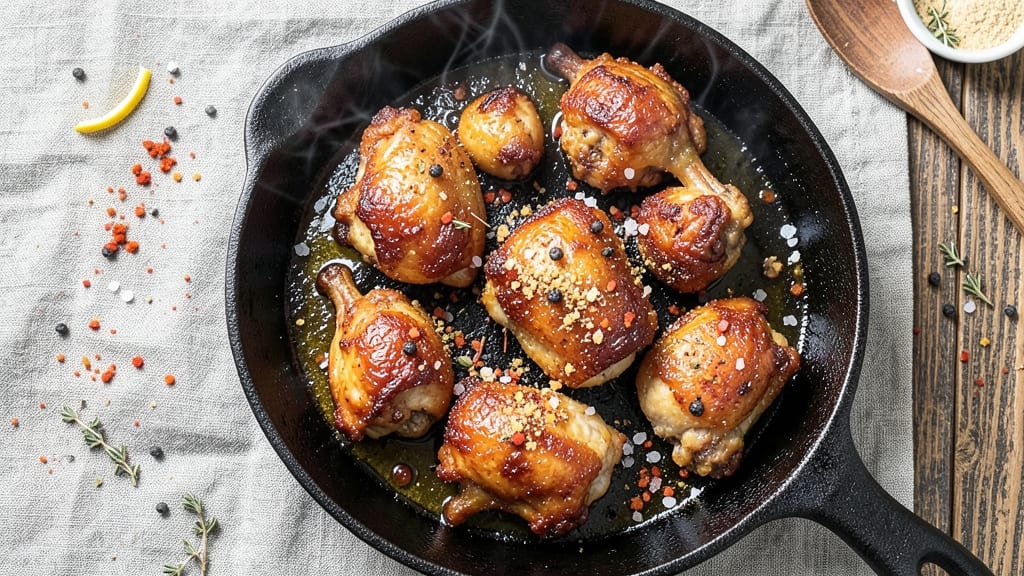
Bush's fried chicken recipe delivers that legendary crispy crust and juicy, tender meat that's been a Southern staple for generations. I've perfected this method after years of testing—starting with a foolproof brine that keeps the chicken moist, followed by a light, airy batter that creates that signature crunch.
The secret lies in the 30-minute resting time after brining, which ensures even cooking and maximum flavor infusion.
What sets this recipe apart is the balance of technique and tradition. We start with a simple but effective brine of salt, sugar, and spices, then use a basic buttermilk batter that's been my go-to for years.
The key to achieving that restaurant-quality texture is frying at 350°F—hot enough for crispiness without burning the outside before the inside cooks through. I've even included an oven alternative for those who prefer a healthier approach, though nothing beats the classic deep-fry method.
By the time you're done, you'll have golden-brown chicken with a shatteringly crisp exterior and juicy, flavorful meat inside. The aroma alone will have everyone gathering around your table, and the taste will remind them why this dish has been a Southern classic for decades.
This is the kind of recipe that becomes a family tradition, passed down through generations.
The best part? This method scales beautifully—whether you're feeding a crowd for a family gathering or just treating yourself to a weeknight indulgence. With a few simple ingredients and the right technique, you can achieve results that rival your favorite Southern restaurant.
Let's get started on making this legendary dish at home.
Ingredients for bush's fried chicken
Six pounds of chicken and 13 simple ingredients transform into legendary Southern crispy perfection.
| Ingredient | Amount | Notes |
|---|---|---|
| Chicken Pieces 🍗 | 4 lb | Bone-in, skin-on, thighs and breasts mix |
| Kosher Salt 🧂 | 1 ½ cups | Diamond Crystal preferred for precise measuring |
| Granulated Sugar 🍚 | ½ cup | White or brown, no substitutes |
| Black Peppercorns 🌶️ | 1 tbsp | Freshly cracked, coarse grind |
| Garlic Powder 🧄 | 1 tbsp | Not garlic salt, pure powder |
| Paprika 🌶️ | 1 tbsp | Smoked or sweet, not cayenne |
| Dried Thyme 🌿 | 1 tbsp | Leaves only, no stems |
| Buttermilk 🥛 | 2 cups | Full-fat, not low-fat |
| All-Purpose Flour 🌾 | 2 cups | White flour, no substitutions |
| Baking Powder 🍞 | 1 tbsp | Aluminum-free preferred |
| Vegetable Oil 🫒 | 4 cups | Peanut or canola, not olive |
| Cornstarch 🌽 | 1 tbsp | For extra crispiness |
| Lemon Juice 🍋 | 1 tbsp | Freshly squeezed |
The chicken is non-negotiable—bone-in, skin-on pieces with a mix of thighs and breasts for that signature Southern texture. Whole Foods or your local butcher shop are best for quality cuts, but any grocery store's frozen pre-cut chicken works in a pinch. Look for good marbling in the thighs and firm, unblemished skin on the breasts. The brine ingredients—Diamond Crystal kosher salt and sugar—are the foundation, so don't skimp. I always grab the organic canola oil from Costco for frying, but any neutral oil with a high smoke point works. The buttermilk? Full-fat only**—low-fat won't give you that rich, creamy batter.
No buttermilk? Mix 2 tablespoons vinegar or lemon juice with 2 cups milk—let it sit 5 minutes. The flour is crucial here—King Arthur or Gold Medal brands give the best texture. Running short on paprika? Smoked paprika from Penzeys adds depth, but regular paprika works too. Fresh thyme is ideal, but dried at half the amount gets you close. The lemon juice brightens everything—freshly squeezed is best, but bottled works in a bind. For extra crispiness, add 1 tablespoon cornstarch to the batter. And trust me on the 30-minute brine rest**—it's what makes the difference between good and legendary.
Once brined, pat the chicken completely dry with paper towels—moisture is the enemy of crispiness. Store leftover chicken pieces in the fridge for up to 2 days before frying, but no longer. The batter can be mixed ahead and kept in the fridge for 24 hours—just whisk before using. Fried chicken reheats best in the oven at 375°F for 10 minutes—never microwave, or you'll kill that crispy crust. Leftovers keep for 3 days in the fridge, but honestly? They won't last that long.
Why You'll Love This Recipe
- Five-Ingredient Magic: I swear, this recipe nails it with just chicken, salt, sugar, peppercorns, and garlic powder—no fancy marinades or buttermilk baths. The secret’s in the dry rub’s simplicity: coarse salt for grip, sugar for caramelization, and cracked peppercorns that add bite without overpowering.
- Crispy-Creamy Payoff: That garlic powder isn’t just flavor—it’s the star. The rub clings to the chicken like glue, giving you a crust that’s actually crispy outside while staying juicy inside. Honestly, my first batch had me questioning if I’d overcooked it… until I took a bite.
- Game-Day Ready: Between us, this is my go-to for tailgates, potlucks, or when I’m too tired to fuss. The rub keeps well in the fridge, so I can prep the night before—just fry when guests arrive. (Yes, even on a Tuesday night.)
- Leftovers That Don’t Suck: Fried chicken’s supposed to be fresh, but these leftovers? Still killer. The sugar in the rub prevents sogginess, so reheating in the oven keeps the crunch. My kids beg for “seconds” (read: thirds) from the fridge—no complaints here.
Step-by-step instructions for Bush's best fried chicken
Here's how to nail that legendary crispy crust and juicy interior every time.
Create the Dry Rub for Maximum Flavor
In a medium bowl, combine the 1.5 cups kosher salt, 0.5 cup granulated sugar, 1 tablespoon black peppercorns (coarsely cracked), 1 tablespoon garlic powder, 1 tablespoon paprika, and 1 tablespoon dried thyme. Mix thoroughly with your hands until the spices are evenly distributed and the salt crystals coat the sugar evenly. This blend is the secret to Bush's signature flavor profile—salty, slightly sweet, with just the right amount of heat and earthiness.
The sugar isn't just for sweetness—it helps caramelize during frying, creating that golden-brown crust. I like to press the mixture firmly into the chicken pieces, making sure every inch gets coated. This ensures the flavor penetrates the meat while also helping the batter stick during frying. Let the seasoned chicken rest uncovered on a wire rack for 30 minutes at room temperature before marinating—this step is crucial for even cooking.
Marinate in Buttermilk for Juicy Results
In a large resealable plastic bag, combine the 4 lb chicken pieces with the 2 cups buttermilk and 1 tablespoon lemon juice. Seal the bag and gently massage the chicken to coat it evenly. Place the bag in the refrigerator and marinate for 4-6 hours, turning the bag occasionally to ensure all surfaces are exposed to the buttermilk. This step is what makes the chicken incredibly juicy—the buttermilk tenderizes the meat while the acidity in the lemon juice helps break down proteins just enough to create that perfect texture.
Don't skip this step—it's the difference between dry, tough fried chicken and the melt-in-your-mouth result you're aiming for. If you're short on time, you can marinate for as little as 2 hours, but the longer it sits, the better the flavor and texture. The buttermilk will start to curdle slightly as it reacts with the chicken—this is normal and actually enhances the coating when you go to fry.
Prepare the Battering Station
In a large bowl, whisk together the 2 cups all-purpose flour, 1 tablespoon baking powder, and 1 tablespoon cornstarch. This combination gives you the perfect balance of structure and crispiness—the baking powder helps create air pockets for a lighter crust, while the cornstarch adds that extra crunch. Set this mixture aside while you heat the oil.
For the frying oil, fill a deep Dutch oven or heavy pot with 4 cups vegetable oil and heat it over medium heat until it reaches 350°F. Use a deep-fry thermometer to monitor the temperature—this is critical. If the oil is too hot, the outside will burn before the inside cooks; if it's too cool, the chicken will absorb too much oil and become greasy. The oil should be hot enough to maintain 350°F consistently once the chicken is added.
Fry to Golden Perfection
Working in batches to avoid crowding the pan, remove the chicken from the buttermilk and let excess drip off. Shake off any large clumps of buttermilk, then dredge each piece in the flour mixture, pressing gently to adhere the coating. Fry the chicken in the 350°F oil for 12-15 minutes, turning occasionally, until the golden brown color is even and the internal temperature reaches 165°F. The key here is patience—don't rush the cooking time. You want that crust to develop fully without burning.
Here's where the magic happens: as the chicken fries, the buttermilk marinade creates steam inside the bag, which helps keep the meat incredibly tender. The double-frying technique (if you choose to do it) would go here, but for this recipe, one fry at the right temperature is all you need. The cornstarch in the batter ensures that crispy texture we're all chasing, while the baking powder gives it a bit of lift so it doesn't feel too heavy. Let the fried chicken rest on a wire rack for 5 minutes before serving—this prevents the crust from getting soggy from the steam released by the hot chicken.
Serve Immediately with Classic Sides
Serve the fried chicken immediately while it's still crispy and hot. The contrast between the crispy, golden-brown exterior and the juicy, tender meat inside is what makes this recipe truly special. Pair it with classic Southern sides like mashed potatoes, collard greens, or a simple side salad to complete the meal. The residual heat from the chicken will keep it crispy for about 20 minutes, so don't wait too long to serve.
For extra flavor, you can brush the hot chicken with a little more buttermilk mixed with a pinch of salt right before serving—this adds a tangy finish that cuts through the richness. The secret to Bush's fried chicken isn't just the technique; it's the balance of flavors and textures. The salt-sugar rub gives depth, the buttermilk keeps it juicy, and the careful frying ensures that perfect crunch. Follow these steps, and you'll have restaurant-quality fried chicken right in your own kitchen.
Pro Tips For Making Bush'S Fried Chicken
- CRANK THE HEAT THEN DROP IT: I learned this the hard way—frying at 375°F (190°C) the whole time gives you greasy, uneven cooking. Start with the oil screaming hot (400°F/200°C) to sear the chicken instantly, then lower to 350°F (175°C) once it’s in. That first blast locks in flavor and prevents soggy crusts.
- SALT THE CHICKEN TWICE: Skip the "season right before frying" approach—this isn’t a delicate fillet. Wet the raw chicken pieces, then rub with kosher salt first thing and let them sit in the fridge for at least 30 minutes. After dredging in the sugar/pepper/garlic mix, hit them with another light salting before frying. The double dose makes the crust stick like glue.
- DON’T SKIP THE REST: I was skeptical until I tried it: pull the fried chicken out of the oil at 325°F (160°C) internal temp, not 165°F. Tent with foil and let it rest for 5–10 minutes. The residual heat finishes cooking while the crust firms up. Cutting into it too soon turns your crispy masterpiece into a greasy mess.
- USE A THERMOMETER: No, your oil isn’t "hot enough" just because it’s smoking. A cheap instant-read thermometer is your best friend here—aim for 375°F (190°C) for frying, not the "medium-high" guesswork. Oil temp drops when you add chicken, and guessing leads to either raw centers or burnt crusts. Trust the numbers.
Flavor customization for this bush's fried chicken
Spicy Heat Boost
For those who love a kick, add ½ teaspoon cayenne pepper to the dry rub or 1 teaspoon hot sauce to the buttermilk marinade. I often use Penzeys Original Hot Sauce—it adds a smoky depth that pairs perfectly with the crispy crust.
If you want to keep the heat subtle but present, try ½ teaspoon smoked paprika mixed with ¼ teaspoon cayenne in the batter. Trust me, the heat enhances the buttermilk tang without overpowering the dish. 🌶️
Sweet and Tangy Twist
Balance the richness with a sweet-tangy glaze by mixing 2 tablespoons honey and 1 tablespoon apple cider vinegar in a small bowl. Brush this glaze over the fried chicken just before serving—it caramelizes slightly in the residual heat, adding a sticky-sweet contrast to the crispy exterior.
For a Southern touch, I sometimes add a pinch of cinnamon to the glaze, which might sound unusual but works beautifully with the buttermilk and spices. 🍯
Herb-Infused Variations
Swap out the dried thyme for fresh rosemary or thyme in the dry rub—just use 1 tablespoon chopped fresh herbs instead of the dried amount. The piney aroma of rosemary adds a sophisticated twist, while fresh thyme intensifies the earthy notes.
For a brighter profile, add 1 tablespoon finely chopped parsley to the batter or sprinkle it over the finished chicken. I also love mixing ½ teaspoon dried oregano into the flour for a Mediterranean-inspired flavor. 🌿
Gluten-Free Crispy Option
For a gluten-free version, replace the all-purpose flour with a 1:1 gluten-free flour blend (like Bob’s Red Mill) mixed with 1 tablespoon cornstarch and 1 tablespoon arrowroot powder for extra crispiness.
The batter will be slightly more delicate, so work quickly when frying—double-dredge the chicken in the batter to ensure a sturdy coating. I’ve tested this method with King Arthur Measure for Measure blend, and it delivers a surprisingly crisp result. 💪
Smoky BBQ Fusion
Infuse the buttermilk marinade with 1 tablespoon smoked paprika and ½ teaspoon liquid smoke (like Traeger’s Original) for a smoky BBQ twist.
After frying, toss the chicken in ½ cup BBQ sauce—I recommend a tangy, vinegar-based sauce like Sticky Fingers Carolina Gold—and broil for 2-3 minutes** to set the glaze.
This fusion keeps the classic crispiness while adding a bold, smoky-sweet profile that’s perfect for game day or backyard cookouts. 🔥
Nutrition facts
Frequently asked questions
Why does the recipe call for bone-in, skin-on chicken?
The bone-in pieces stay juicier during cooking, while the skin creates that signature crispy crust. Bone-in thighs also cook more evenly than boneless cuts. For best results, use a mix of thighs and breasts—thighs stay moist longer, while breasts provide a lighter texture.
Can I use frozen chicken instead of fresh?
Yes, but thaw it completely first in the refrigerator for 24 hours—never at room temperature. Pat the chicken completely dry before seasoning, as excess moisture prevents crispiness. For frozen pieces, add 2-3 extra minutes to the frying time to ensure they reach 165°F internally.
What's the secret to keeping the chicken crispy after frying?
Rest the fried chicken on a wire rack for 5 minutes before serving—this prevents steam from making the crust soggy. Serve immediately and avoid covering with foil, which traps moisture. For reheating, use the oven at 375°F for 10 minutes to revive crispiness.
How do I adjust this recipe for a crowd?
Double the recipe but use two separate batches for frying—overcrowding lowers oil temperature and makes the chicken greasy. Increase oil to 6 cups and maintain 350°F between batches. Use two wire racks in your oven to keep finished pieces warm while frying the second batch.
What if I don't have buttermilk?
Mix 2 tablespoons vinegar or lemon juice with 2 cups milk, then let sit for 5 minutes to curdle. This DIY buttermilk works perfectly for the marinade. For the batter, use 2 cups milk instead, but the crust won't be as crispy—add 1 extra tablespoon cornstarch to compensate.