
Sauces & Condiments
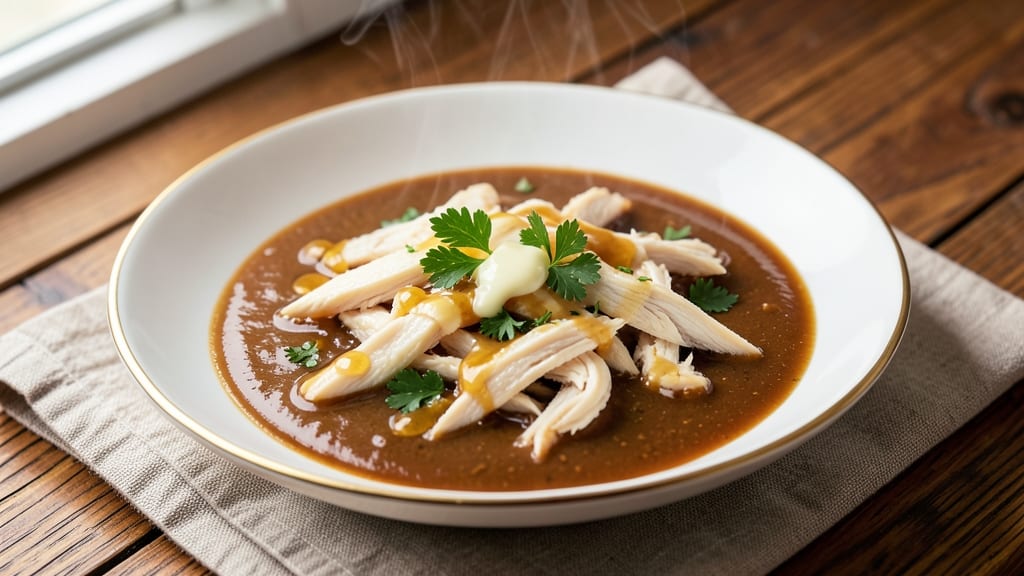
Creating Campbell's Cream of Chicken Gravy from scratch delivers restaurant-quality smoothness without the lumps or store-bought shortcuts. This ultra-creamy version relies on precise technique—simmering, emulsification, and proper thickening—to achieve that velvety texture we all crave.
The secret lies in whisking constantly while adding flour and broth, ensuring no clumps form while building depth of flavor.
What sets this recipe apart is its versatility—use it as a standalone sauce for biscuits or drizzle it over mashed potatoes, roasted chicken, or even pasta.
The key steps involve blooming the flour in butter to develop nutty notes before adding the broth, then reducing the mixture until it reaches that perfect, clingy consistency. This method guarantees a gravy so smooth it’ll fool even the most skeptical gravy purists.
Storage is simple: refrigerate for up to 5 days or freeze for 3 months, though I recommend reheating gently on the stove to maintain that silky texture. The flavor actually improves after sitting overnight as the ingredients meld together.
Whether you're serving a holiday feast or a weeknight dinner, this gravy elevates every dish it touches.
For extra richness, stir in a splash of heavy cream or a pat of butter at the end—this is where the magic happens. The result is a gravy so luxurious it’ll have you reaching for the gravy boat first, every time. Let’s make gravy that shines.
Ingredients for campbell's cream of chicken gravy
A handful of pantry staples transform into velvety gravy perfection with simple technique.
| Ingredient | Amount | Notes |
|---|---|---|
| Unsalted Butter 🧈 | ½ cup | Cold and cubed for blooming |
| All-Purpose Flour 🌾 | ¼ cup | Low-protein for smooth texture |
| Chicken Broth 🍲 | 3 cups | Low-sodium preferred for control |
| Heavy Cream 🥛 | 1 cup | Full-fat for richness |
| Shredded Chicken 🍗 | 1 cup | Rotisserie or poached |
| Salt 🧂 | 1 tsp | Kosher or sea salt |
| Black Pepper 🌶️ | ½ tsp | Freshly ground preferred |
| Dried Thyme 🌿 | ¼ tsp | For aromatic depth |
| Garlic Powder 🧄 | ½ tsp | Not garlic salt |
| Butter (for finishing) 🧈 | 2 tbsp | Unsalted, for richness |
The butter matters most—cold cubes bloom properly when cooked slowly, developing those nutty notes that elevate the gravy. Costco's Kirkland brand is my go-to for unsalted butter; it’s consistently reliable. For flour, low-protein all-purpose (like King Arthur) prevents grittiness. The chicken broth should be low-sodium—homemade or quality brands like Pacific Foods work best to control seasoning. Shredded chicken? Rotisserie from Trader Joe's is my shortcut—just toss it in at the end for extra richness.
No heavy cream? Half-and-half at double the amount gets you close, though it won’t be quite as luxurious. Substitute dried thyme with fresh thyme at one-third the amount—just muddle a few sprigs first. For garlic powder, minced garlic in olive oil adds depth (use 1 tbsp oil + 2 cloves minced). Want to stretch this further? Add 0.5 cup mashed potatoes for a creamy texture boost. The flour-to-broth ratio is critical—never exceed 1:4 ratio or it’ll thicken too fast and clump.
This gravy keeps beautifully—refrigerate in an airtight container for up to 5 days, though it’s best within 3 days for peak texture. For freezing, portion into ice cube trays before transferring to a bag—reheats perfectly without lumps. Gentle stovetop warming (medium-low heat) restores that silky consistency. I always reserve a splash of broth for thinning if needed, but it rarely is. The flavor deepens after sitting overnight, so make it ahead if possible—it’s worth the extra minute.
Why You'll Love This Recipe
- Here’s what sold me: you can make this for less than a takeout meal, but it tastes like you spent hours slaving over a stove. The low-sodium broth keeps costs down, and that ½ cup of butter? Worth every penny for that velvety finish. Comfort food that won’t break the bank.
- No-Pan-Fry Stress: Honestly, this is one of those recipes where I don’t even break a sweat. Just melt the cold butter, whisk in the flour, and let that roux do its thing while I prep the rest. The secret’s in the slow broth addition—no splattering, no mess, just smooth gravy magic.
- Creamy, Herby Perfection: Between the nutty roux, the full-fat heavy cream, and that garlic-thyme kick, this isn’t your basic canned gravy. The shredded chicken soaks up all those flavors, and that final swirl of butter? Chef’s kiss. It’s rich but not heavy, savory but not bland.
- Leftovers? No Problem: I make this on Sunday, and by Wednesday, I’m still eating it over mashed potatoes or mixed into mac and cheese. It keeps beautifully for up to five days—though honestly, it’ll be gone in three. And if you’re feeding a crowd? Double the batch, and you’ve got dinner covered.
Step-by-step instructions for cream of chicken gravy
Here's the method for velvety gravy that's silky smooth and free of lumps every time.
Bloom the Flour with Cold Butter
In a medium saucepan, melt the ½ cup unsalted butter over medium-low heat. Once the butter has completely melted and begins to foam, immediately whisk in the ¼ cup all-purpose flour. This step is crucial—it creates a roux that will thicken your gravy without developing any raw flour taste.
Whisk continuously for 2-3 minutes until the mixture turns a pale golden color. You're looking for a smooth paste that coats the back of a spoon without any gritty texture. This ensures your gravy will be lump-free and rich. If you notice any brown spots forming, reduce the heat slightly to prevent burning.
Cook the Roux Until Nutty
Continue cooking the roux for another 1-2 minutes until it develops a subtle nutty aroma and light golden hue. This deeper color adds depth of flavor to your gravy. The key here is patience—rushing this step can lead to a bitter taste. You'll know it's ready when the roux smells toasty and looks like wet sand.
Watch the pan closely. If the roux starts to darken too quickly, reduce the heat to low and keep whisking. The goal is a light golden color, not brown. Once achieved, you're ready to add the liquids and build your gravy.
Gradually Add Chicken Broth
Slowly pour in the 3 cups chicken broth while whisking constantly to prevent lumps from forming. Add the broth ¼ cup at a time, giving each addition time to fully incorporate before adding more. This gradual approach ensures a smooth, lump-free texture. If you add all the broth at once, you risk creating clumps that are nearly impossible to eliminate later.
Once all the broth is incorporated, bring the mixture to a gentle simmer over medium heat. Stir occasionally to prevent sticking. Let it cook for 5-7 minutes until the gravy begins to thicken slightly. You'll notice it will coat the back of a spoon but still be pourable. This is the perfect consistency for building your final sauce.
Season and Finish with Cream
Reduce the heat to low and stir in the 1 tsp salt, ½ tsp black pepper, ¼ tsp dried thyme, and ½ tsp garlic powder. Let the seasonings steep for 1 minute to infuse the gravy with flavor. Then, whisk in the 1 cup heavy cream and 1 cup shredded chicken. The cream adds richness while the chicken contributes protein and moisture.
Simmer gently for another 3-5 minutes, stirring occasionally, until the gravy reaches your desired consistency. It should be thick enough to coat the back of a spoon but still be smooth and pourable. If it thickens too much, whisk in 1-2 tablespoons of hot chicken broth to adjust the texture.
Finish with Butter for Richness
Remove the saucepan from heat and stir in the 2 tbsp butter (for finishing) until fully melted and incorporated. This final step adds a luxurious finish and enhances the gravy's silky texture. The butter should melt smoothly into the gravy, creating a velvety mouthfeel.
Taste and adjust the seasoning if needed. The gravy should be well-balanced with a harmonious blend of savory, herbal, and slightly peppery notes. Serve immediately over mashed potatoes, biscuits, or roasted chicken for the ultimate comfort food experience.
Pro Tips For Making Campbell'S Cream Of Chicken Gravy
- Whisk Like You Mean It: That first 2-3 minutes with the butter and flour isn’t the time to half-ass the whisking. I used to think "constant stirring" meant occasional swirls—nope. Keep that whisk moving until the roux is actually smooth, like wet sand, not gritty. The second you stop, it starts to clump, and no amount of later whisking will fix it.
- Cube That Butter: Skip the melted butter shortcut—cold, cubed butter blooms the flour better and gives you that proper roux foundation. I learned this the hard way after making gravy that tasted like it had a raw flour aftertaste. Trust me, the 30 seconds it takes to chop those cubes saves you from regret.
- Broth in Stages: Pouring all 3 cups of broth at once is how you end up with lumps. Add it slowly—¼ cup at a time—while whisking like your life depends on it. Yes, it’s tedious, but it’s the only way to guarantee that silky texture. (And if you’re in a rush, at least warm the broth first so it incorporates faster.)
- Finish with Butter: That last 2 tablespoons of butter isn’t just for flavor—it’s the gravy’s insurance policy. Stir it in off the heat, and it’ll melt into a velvety finish. Skip it, and your gravy will taste flat, even if everything else is perfect. (Pro move: Use the same unsalted butter from the recipe—consistency matters.)
Regional styles of this dish
Southern Comfort Style
This gravy style leans into the rich, hearty flavors of Southern cooking by adding a touch of smoked paprika and a splash of apple cider vinegar.
I start by cooking the roux until it smells nutty, then stir in ½ tsp smoked paprika and 1 tbsp apple cider vinegar before adding the broth. The vinegar brightens the flavors while the paprika adds a subtle smokiness that pairs perfectly with biscuits or fried chicken.
This version is so good, it’ll make you crave a full Southern feast. 🔥
Cajun Spiced Kick
For those who love heat, I boost the seasoning with ½ tsp Cajun seasoning (like Penzeys brand) and a pinch of cayenne. Stir it in with the garlic powder and thyme, then simmer for an extra 2 minutes to let the spices meld.
This version works beautifully over roasted chicken or grits—just be warned, it’s spicy enough to wake up your taste buds! 🌶️
French-Style Velouté
Channeling French technique, I reduce the chicken broth to 2 cups before adding the cream and chicken. This creates a lighter, more refined gravy that’s perfect for pairing with delicate dishes like poached salmon or quiche.
I also add 1 tbsp Dijon mustard for tangy depth—it’s surprisingly elegant but still comforting. The result is a gravy that feels restaurant-worthy. ✨
Breakfast Hash Gravy
Transform this gravy into a breakfast star by adding ½ cup diced potatoes and ¼ cup diced onions to the roux before adding broth. Cook the veggies until soft, then proceed with the recipe.
This version is ideal for breakfast hash or eggs—it’s like a creamy, savory hug for your morning meal. I swear by using Trader Joe’s rotisserie chicken for that extra richness. 🍳
Vegetarian Adaptation
For a meat-free version, swap the shredded chicken for 1 cup cooked mushrooms (sautéed with a pinch of salt) and ½ cup veggie broth mixed into the chicken broth.
The mushrooms add umami depth, and the gravy still coats everything beautifully. This works perfectly over mashed cauliflower or roasted veggies—no one will miss the chicken! 🌱
Nutrition facts
Frequently asked questions
Why does my homemade gravy keep getting lumpy?
The secret to silky gravy lies in the gradual addition of broth and constant whisking. Never pour all 3 cups of chicken broth at once—add it ¼ cup at a time while whisking vigorously. If lumps form, blend the gravy with an immersion blender or strain it through a fine-mesh sieve. Patience during the roux stage also prevents gritty texture.
Can I use store-bought rotisserie chicken instead of poached?
Store-bought rotisserie chicken works perfectly—just shred it and add 1 cup to the gravy during the final simmering step. The skin-on chicken adds extra richness, but even skinless versions work well. Trader Joe’s rotisserie chicken is my go-to for that perfect balance of flavor and texture.
How do I adjust the consistency if it's too thick?
If your gravy thickens too much, whisk in 1-2 tablespoons of hot chicken broth until you reach the desired pourable consistency. The goal is a gravy that coats the back of a spoon but still drizzles smoothly. You can also add a splash of heavy cream for extra richness while thinning. Always taste as you go!
Is it okay to make this gravy ahead of time?
Yes! This gravy actually tastes better after resting. Refrigerate it in an airtight container for up to 5 days, though I recommend using it within 3 days for the best texture. When reheating, warm it gently on the stove over medium-low heat and stir in a pat of butter to restore its silky finish. The flavors meld beautifully overnight!