
Main Courses
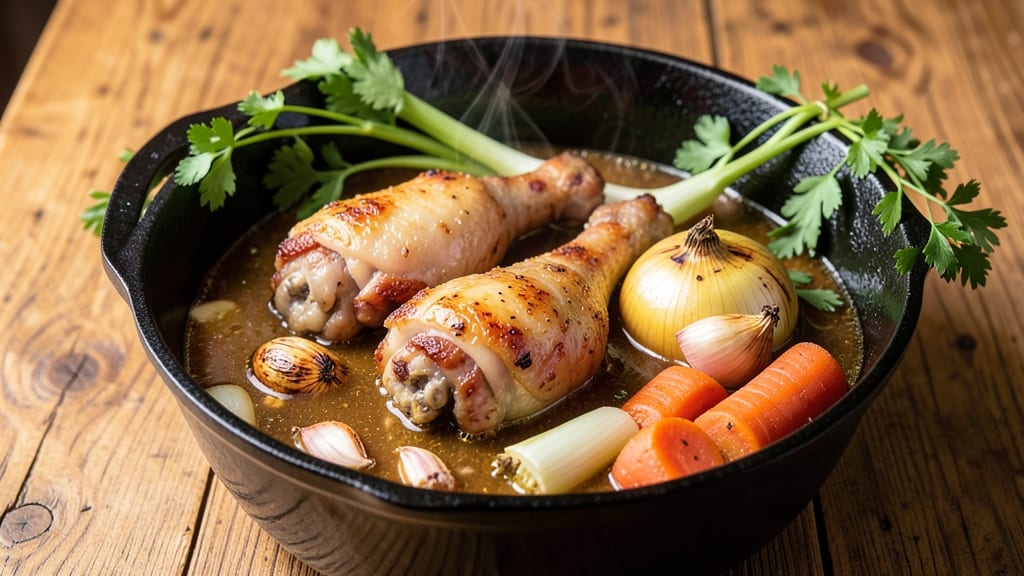
Creating a chicken feet stock recipe unlocks a world of deep umami flavor that transforms ordinary soups and braises into restaurant-quality dishes. The secret lies in slow simmering chicken feet with aromatic vegetables, which releases collagen and gelatin for a rich, velvety base.
I developed this method after realizing how much more complex homemade stock could be compared to store-bought versions.
This stock builds flavor over 8 to 12 hours of gentle simmering, extracting maximum gelatin from the chicken feet while keeping the liquid clear and concentrated. The process requires minimal effort but delivers professional results—ideal for braising meats, enriching soups, or as a base for sauces.
The key is patience and proper preparation to avoid cloudiness or off-flavors.
What you'll achieve is a deeply flavorful, gelatin-rich stock that elevates any dish it touches. The umami notes from the chicken feet create complexity that's impossible to replicate with chicken bones alone.
Once strained and clarified, this stock becomes a versatile foundation for everything from pho to stews, with a texture that's both silky and substantial.
The beauty of this recipe lies in its flexibility—use it immediately or freeze for future use. Whether you're a home cook looking to elevate your cooking or a professional seeking a better stock base, this method delivers consistent, professional-quality results every time.
Ingredients for chicken feet stock
The foundation of restaurant-quality umami starts with these aromatic ingredients.
| Ingredient | Amount | Notes |
|---|---|---|
| Chicken Feet 🦶 | 2 ½ lb | Fresh or frozen, cleaned thoroughly |
| Yellow Onions 🧅 | 2 whole | Peeled, halved, root intact |
| Carrots 🥕 | 4 whole | Scrubbed, cut into 2-inch chunks |
| Celery Stalks 🌿 | 4 whole | Trimmed, cut into 2-inch pieces |
| Garlic Cloves 🧄 | 8 cloves | Peeled, lightly crushed |
| Fresh Parsley Stalks 🌿 | 4 whole | Roughly chopped, stems included |
| Bay Leaves 🌿 | 4 whole | Dried, standard size |
| Black Peppercorns 🌶️ | 1 tbsp | Crushed lightly in mortar |
| Water 💧 | 16 cups | Filtered or spring water preferred |
| Apple Cider Vinegar 🍎 | 2 tbsp | For clarification, optional |
Chicken feet are the cornerstone—look for plump, clean specimens with minimal odor, available at Asian markets or specialty butchers. Whole Foods and Trader Joe's often carry frozen packs. The vegetables (onions, carrots, celery) form the aromatic trio, so don't skimp on freshness. For the garlic, organic cloves with intact skins prevent bruising. The parsley adds brightness, while bay leaves and peppercorns contribute depth. If using frozen feet, thaw completely in cold water before cooking—never microwave, as it can compromise texture.
No chicken feet? While nothing replicates their gelatinous richness, duck feet or pork trotter offer similar collagen content. Substitute half the quantity with chicken necks or backs for bone marrow flavor. For vegetables, fennel or leeks can replace celery. The vinegar is optional but recommended for clarification—white wine vinegar works equally well. Store-bought stocks lack the gelatinous body, so this method delivers unmatched depth. For a quicker version, reduce simmering to 4 hours, though flavor complexity will be less pronounced.
This stock develops over time, so patience is key. Strain through a fine-mesh sieve lined with cheesecloth for clarity. For long-term storage, portion into ice cube trays before freezing—ideal for small batches. Keeps 6 months frozen or 1 week refrigerated. The gelatin-rich base freezes beautifully, making it perfect for stockpiling. For immediate use, chill overnight to skim fat before reheating—this preserves the stock's velvety texture.
Why You'll Love This Recipe
- No Prep Stress: Honestly, I thought chicken feet stock would be a pain—turns out, it’s just one pot, one simmer. Clean the feet (I use my kitchen sink sprayer for this), chop the veggies into chunks (no fancy dicing needed), and toss everything in. The vinegar step? A lifesaver for clarity—no extra work, just better results.
- Umami Bomb: That first sip? Chef’s kiss. The garlic and bay leaves infuse like magic, but the real star is the collagen from the feet turning into silky, body-building goodness. It’s not just flavor—it’s that deep, savory pull that makes soups, sauces, and fried foods taste like they’re from a Michelin-starred kitchen (but your kitchen).
- Freezer Goldmine: I freeze half this batch immediately. Need a quick risotto? Boom, stock’s ready. Making pho? Another batch in the freezer. It’s like having a flavor backup plan for everything—ramen, braises, even mashed potatoes. And because it’s so rich, a little goes a long way. My secret weapon for lazy weeknights.
- Budget’s Best Kept Secret: Chicken feet are cheap—like, seriously cheap. For the price of a takeout meal, you get stock that’ll make your home cooking taste like a splurge. Plus, the veggies (onions, carrots, celery) are pantry staples you’d toss anyway. It’s the kind of recipe that pays you back in flavor and savings.
Step-by-step instructions for chicken feet stock
Transform simple ingredients into deeply flavorful stock through precise technique.
Prepare the Chicken Feet for Maximum Flavor Extraction
Begin by examining the 2½ lb chicken feet for any remaining debris or membrane. Rinse them thoroughly under cold water if using fresh, then transfer to a large stockpot. The key here is to create surface area for flavor extraction—leave the feet whole but ensure they're completely submerged in the 16 cups water. Add the 2 tbsp apple cider vinegar at this stage to help clarify the stock by breaking down proteins.
Bring the water to a rolling boil over high heat. Once boiling vigorously, reduce to a simmer and skim off any foam that rises to the surface for the first 15 minutes. This removes impurities that would otherwise cloud your finished stock. The vinegar will create a gentle acid environment that helps extract collagen from the feet, which will later gel the stock.
Build the Vegetable Base for Depth of Flavor
Add the peeled, halved 2 yellow onions, 4 carrot chunks, and 4 celery pieces to the simmering liquid. These vegetables form the aromatic base known as "mirepoix" in French cuisine, providing natural sweetness and complexity. The onions should be cut root-side down to prevent them from sinking to the bottom where they might burn. Stir gently to ensure all vegetables are fully submerged.
After 30 minutes of simmering, add the 8 lightly crushed garlic cloves and 4 bay leaves. The garlic should be crushed just enough to release its oils without pulverizing into a paste. This timing ensures the vegetables have softened enough to release their flavors into the liquid while maintaining structural integrity. The bay leaves will infuse subtle earthy notes that deepen the stock's complexity.
Develop the Umami Profile Through Prolonged Cooking
Continue simmering the stock uncovered at a gentle boil for 3 hours. This extended cooking time is crucial—it breaks down the collagen in the chicken feet into gelatin, which will give your stock its characteristic body. Maintain the water level by adding hot water as needed, but avoid overfilling the pot beyond its capacity. The stock should never be allowed to reduce below the level of the submerged ingredients.
After 3 hours, remove the chicken feet and vegetables using a slotted spoon, reserving the liquid. The feet should be tender enough to pierce with a fork, though they may still retain some structural integrity. Strain the remaining liquid through a fine-mesh sieve lined with cheesecloth for maximum clarity. This step captures all the suspended particles that contribute to the stock's rich mouthfeel while removing any remaining solids.
Finish with Herbs and Final Clarification
Return the strained stock to the clean pot and add the 1 tbsp crushed black peppercorns and 4 roughly chopped fresh parsley stalks. The peppercorns add subtle heat and depth, while the parsley contributes bright, fresh notes that balance the richness. Simmer gently for an additional 15 minutes to allow these final ingredients to infuse their flavors without overpowering the delicate umami profile you've built.
Remove from heat and let the stock cool slightly before transferring it to clean containers. The stock should have a deep amber color and a rich, meaty aroma with hints of garlic and herbs. For best results, refrigerate overnight to allow any remaining impurities to rise to the surface. The next day, carefully ladle off the clear liquid from beneath the fat layer, leaving behind any congealed proteins that might affect clarity.
Pro Tips For Making Chicken Feet Stock
- Skim Like Your Life Depends On It: That first 15 minutes of boiling is when the stock makes its worst decisions—foam rises like a bad hair day, and if you don’t skim it aggressively, your final stock will taste like a swamp. Use a fine-mesh strainer or ladle to pull off every bit of scum, especially around the chicken feet. I learned this the hard way when my stock turned cloudy and tasted off—now I treat that foam like it’s stealing my flavor.
- Crush Garlic Just Right: Lightly crushing those 8 garlic cloves isn’t just about aesthetics—it’s about balance. If you pulverize them into paste, you’ll get a bitter, overpowering stock. Use the flat side of your knife or a mortar to smash them just enough to bruise the cloves. I was skeptical until I tried it: the flavor is bright and integrated, not like someone dumped a jar of minced garlic in there.
- Don’t Let the Onions Burn: Halve those onions root-side down, but here’s the catch: if they sink too low, they’ll caramelize into the bottom of the pot and turn bitter. Stir them gently every 5 minutes for the first 20 minutes to keep them floating just below the surface. After burning three batches, I finally figured out this simple fix—now my stock smells like a warm kitchen, not a smoky disaster.
- Simmer Uncovered, No Excuses: Covering the pot might feel like it’s saving time, but it’s actually trapping steam and slowing the collagen breakdown in the chicken feet. Keep it uncovered for those full 3 hours, even if it means adding a little hot water occasionally to maintain the level. The stock will gel better and taste richer—trust the process, even if it looks like you’re babysitting a pot of soup for hours.
Perfect pairings for this chicken feet stock
Sauce Elevations
Transform your chicken feet stock into a luxurious velouté sauce by blending 1 cup of the strained stock with 2 tbsp unsalted butter and 1 tbsp all-purpose flour. Simmer until thickened, then finish with a splash of soy sauce for depth.
This creamy base pairs perfectly with duck confit or braised short ribs—the umami from the stock enhances every bite. 💫
Pho-Inspired Broth
For an authentic Vietnamese pho, reduce 4 cups of stock by half before adding 2 star anise pods, 1 cinnamon stick, and 3 slices ginger. Simmer for 20 minutes, then strain and serve over rice noodles with thinly sliced beef or chicken.
The stock’s collagen-rich body gives pho its signature silky texture. I swear by this method for restaurant-quality bowls at home.
Braised Dish Boosters
Use this stock as a braising liquid for tough cuts like beef shank or pork shoulder. Replace 1 cup of water with stock in your braising dish, then add ½ cup red wine and 1 tbsp tomato paste for complexity.
The gelatin from the chicken feet tenderizes the meat while infusing rich flavor—trust me, it’s a game-changer for holiday roasts. 🔥
Soup Enhancers
Add 2 cups of stock to minestrone or tomato soup for depth without overpowering. For ramen, use it as the base liquid—combine with dashi and miso paste for a balanced broth.
The umami from the stock balances sweet and savory notes, making every spoonful more satisfying. I always keep a batch on hand for quick soup-making.
Glaze & Marinade Base
Reduce 1 cup of stock with 2 tbsp honey and 1 tbsp soy sauce until syrupy for a marinade. Coat grilled chicken thighs or duck breasts before cooking—the gelatinous texture clings perfectly, adding moisture and flavor. This works wonders for charcuterie-style dishes too, turning simple meats into showstoppers. ✨
Nutrition facts
Frequently asked questions
Why does this stock take so long to make?
The 3-hour simmering time is essential for breaking down collagen in the chicken feet into gelatin, which gives the stock its rich, velvety texture. This slow process extracts maximum flavor from the aromatics and creates a deeply complex umami base that store-bought versions can't match. Patience pays off with a stock that transforms ordinary dishes into restaurant-quality meals!
Can I skip the apple cider vinegar for clarification?
While optional, the 2 tbsp apple cider vinegar helps break down proteins and prevent cloudiness in your stock. Without it, you might end up with a slightly cloudier liquid, though the flavor will still be rich. For extra clarity, you can also strain through cheesecloth after simmering.
What if I don’t have chicken feet—can I substitute?
If chicken feet aren't available, try duck feet or pork trotters for similar collagen content. For a quicker version, use chicken necks or backs (simmer for 4 hours), though the umami depth won't be as pronounced. The vegetables and herbs will still contribute great flavor!
How do I prevent the stock from burning?
Keep the liquid level above the submerged ingredients at all times by adding hot water as needed. Also, avoid overcrowding the pot—ensure the onions are cut root-side down to prevent sinking to the bottom. A gentle simmer (not a rolling boil) is key to preventing burnt flavors.
Can I freeze this stock in ice cube trays?
Yes! Portioning into ice cube trays makes it easy to grab small amounts for recipes. Just freeze the stock in the trays, then transfer the cubes to a bag for long-term storage. This method is perfect for soups or sauces where you might only need a little at a time.