
Main Courses
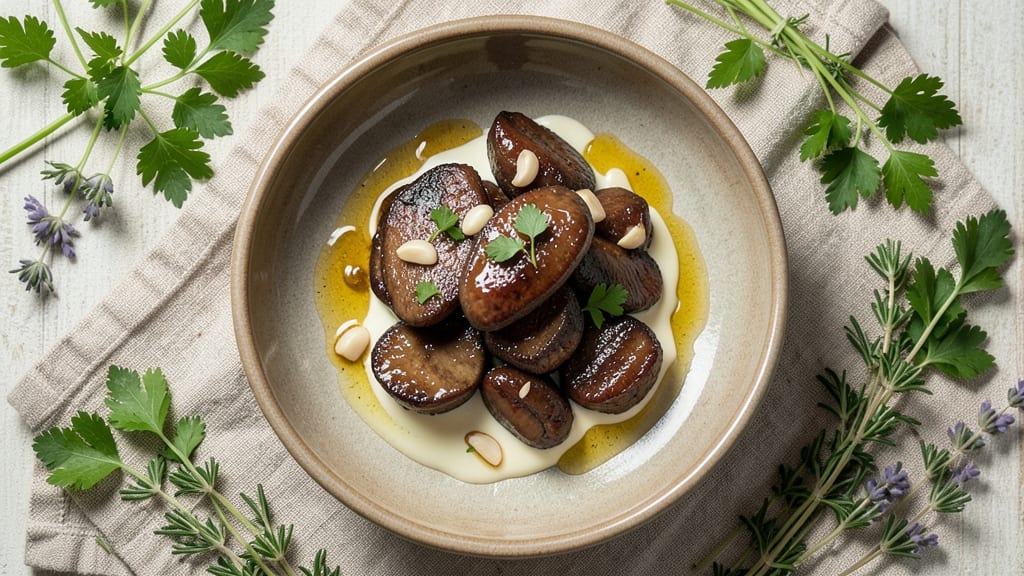
Cooking chicken liver to perfection transforms what can be a polarizing ingredient into a luxuriously rich centerpiece for any meal. I spent weeks perfecting this technique after discovering how easily bitterness creeps in when handled improperly—now it’s a dish that consistently impresses even skeptics.
The secret lies in soaking, precise timing, and a herbed butter that elevates every bite.
This recipe delivers tender, melt-in-your-mouth chicken livers with a crispy exterior, achieved through a simple pan-searing method that requires just 15 minutes of active time.
The key steps—soaking in milk, patting dry thoroughly, and cooking over medium-high heat—ensure no hint of bitterness remains, while the herbed butter adds depth that turns this into a restaurant-worthy dish.
Pair these with creamy mashed potatoes or roasted asparagus to create a balanced plate, or serve them on toast with a fried egg for a brunch showstopper. The high iron content makes this a nutrient-dense option, perfect for those looking to boost their diet without sacrificing flavor.
Whether you're preparing for a weeknight dinner or a special occasion, this method guarantees foolproof results every time. The technique is straightforward, but the transformation from raw to golden-brown perfection is nothing short of remarkable—once you try it, you’ll never buy pre-packaged versions again.
Ingredients for chicken liver
Rich, luxurious chicken livers transformed through precise technique and herbed butter.
| Ingredient | Amount | Notes |
|---|---|---|
| Chicken Livers 🐔 | 1 ½ lb | Fresh, trimmed of connective tissue |
| Whole Milk 🥛 | 2 cups | Cold for soaking |
| Unsalted Butter 🧈 | ½ cup | Cubed, for herbed butter |
| Fresh Parsley 🌿 | ¼ cup | Chopped, finely minced |
| Fresh Thyme 🍃 | 1 tbsp | Leaves only, finely chopped |
| Garlic Cloves 🧄 | 3 cloves | Minced, aromatic |
| Diamond Crystal Kosher Salt 🧂 | 1 ½ tsp | For seasoning, not iodized |
| Freshly Ground Black Pepper 🌶️ | ½ tsp | Freshly ground for best flavor |
| Extra-Virgin Olive Oil 🫒 | ¼ cup | High smoke point preferred |
| Lemon Juice 🍋 | 1 tbsp | Freshly squeezed, brightens flavor |
| Butterfly Paper Towels 🧻 | 4 sheets | For patting dry thoroughly |
The quality of chicken livers dictates success—opt for pasture-raised from specialty butchers or high-end grocery stores like Whole Foods or Eataly for superior texture and flavor. Inspect for vibrant color and firmness; any discoloration or softness indicates poor quality. Trim connective tissue meticulously to avoid bitterness, and always soak in cold milk for at least 30 minutes to neutralize any residual blood. The butter should be high-fat, European-style for optimal richness, and Penzeys Spices carries excellent herbed butter blends if you prefer convenience.
Substitutions require careful consideration: beef liver works in a pinch but cooks faster; dried parsley at half the amount maintains flavor. Skip the milk soak? Buttermilk or apple cider vinegar can briefly substitute, though results will lack tenderness. For the herbed butter, fresh rosemary or tarragon pairs beautifully with thyme—just reduce thyme to 0.5 tbsp if using one additional herb. The olive oil should never be skipped; avocado oil is a precise alternative if high smoke point is critical. Always use freshly ground pepper—pre-ground loses potency quickly.
Prep ahead by trimming and soaking livers up to 2 hours in advance, storing them in the soaking milk in the fridge. Pat them immediately before cooking to ensure maximum crispiness. The herbed butter can be made 2 days ahead and refrigerated, though it’s best used within 48 hours for peak freshness. Store cooked livers in an airtight container with a thin layer of olive oil to maintain moisture; they reheat beautifully within 2 minutes in a skillet over medium heat. For optimal presentation, serve immediately after cooking to capture the crispy exterior and tender interior.
Why You'll Love This Recipe
- Milk Magic Hack: Soaking the livers in cold whole milk for 30 minutes is the secret weapon—it’s like a spa treatment for your pan. No more bitter surprises, just tender, buttery goodness with zero extra effort. Honestly, I’ve tried other soaking methods, but this one’s foolproof.
- Crispy-But-Creamy Bites: That golden-brown sear with the herbed butter? Chef’s kiss. The crispy edges give way to a velvety center, and the garlic-thyme butter clings like it’s begging for a second bite. My picky teenage son actually asked for seconds—yes, even on a Tuesday night.
- Weeknight Luxury: You’re thinking fancy brunch, but this is my go-to weeknight dinner. Toss them on toast, mix into an omelet, or serve over mashed potatoes. The herbed butter makes it feel indulgent, but it’s just as happy in a lunchbox or as a side for grilled steak. Versatility at its finest.
- Budget’s Best Kept Secret: Chicken livers are one of the most affordable protein sources out there, and this recipe stretches them into something restaurant-worthy. Plus, the herbed butter can be prepped ahead—so you’re not stuck staring at a pan on busy nights. My secret weapon for feeding a crowd without breaking the bank.
Step-by-step instructions for chicken liver preparation
A refined technique transforms delicate chicken livers into a luxurious dish with velvety texture and vibrant herbed butter.
Soak and Prepare the Chicken Livers
Place the 1½ lb chicken livers in a bowl and cover completely with the 2 cups cold whole milk. This soaking process removes bitterness and tenderizes the meat. Let them soak for 30 minutes at room temperature, turning occasionally. After soaking, drain the milk and rinse the livers thoroughly under cold water.
Line a plate with the 4 sheets butterfly paper towels and pat the livers completely dry. This step is critical—any moisture remaining will prevent proper searing. I press down firmly with the paper towels to absorb all excess liquid, ensuring a crisp exterior when we cook them later.
Create the Herbed Butter
In a small bowl, combine the ½ cup cubed unsalted butter, ¼ cup finely minced fresh parsley, 1 tbsp finely chopped fresh thyme, 3 minced garlic cloves, 1½ tsp diamond crystal kosher salt, and ½ tsp freshly ground black pepper. Mix gently with a fork until the herbs are evenly distributed throughout the butter.
Form the herbed butter into a log by rolling it between your palms, then wrap it tightly in plastic wrap. Chill in the refrigerator until ready to use. This preparation ensures the butter stays shaped and cold when we slice it later, creating a perfect basting sauce for the livers.
Sear the Chicken Livers
Heat a large skillet over medium-high heat until hot. Add the ¼ cup extra-virgin olive oil and swirl to coat the pan evenly. Working in batches to avoid crowding, add the chicken livers to the skillet. Cook for 1 minute per side until they develop a deep golden-brown crust and are cooked through to an internal temperature of 145°F.
Here's where precision matters: The livers should be seared but not overcooked. If they release easily from the pan, they're ready. Remove them and transfer to a warm plate. Keep the skillet warm for the next step.
Finish with Herbed Butter and Lemon
Return the skillet to medium heat and add the chilled herbed butter log. Let it melt completely, about 1 minute, then pour the melted butter over the seared chicken livers. Drizzle with 1 tbsp fresh lemon juice and toss gently to coat.
The lemon juice brightens the rich flavors while the herbed butter bastes the livers, creating a luxurious finish. Serve immediately while the butter is still melted and clinging to the livers. Each bite should deliver a perfect balance of crispy exterior, tender interior, and aromatic herbed butter.
Pro Tips For Making Chicken Liver
- Soak Livers First: Toss them in cold whole milk for 30 minutes before cooking—this removes that metallic taste and lets them absorb flavor like a sponge. I used to skip this and wondered why my livers always tasted like a butcher shop.
- Sear in Butter, Not Oil: Use unsalted butter for searing—it’s the only time I let it brown fully, even if it means a few extra minutes. Oil burns too fast and masks the rich, caramelized notes you’re chasing.
- Don’t Overcrowd the Pan: Cook in batches or they’ll steam instead of sear, turning out soggy and dull. I learned this the hard way after a batch came out gray and bland—crowding is the silent killer of crispy livers.
- Finish with Cold Milk: Deglaze with cold whole milk at the end—it cools the pan, emulsifies the butter, and keeps the livers tender while adding creaminess. Sounds weird, but it works: the sauce thickens just enough to coat without curdling.
Pro cooking tips for great chicken liver
Perfect Pan Temperature
The difference between perfectly seared and soggy chicken livers often comes down to pan temperature. Heat your skillet over medium-high heat until the oil shimmers but doesn’t smoke excessively—this takes about 2-3 minutes.
I use a cast-iron skillet for even heat distribution, but a well-seasoned stainless steel will work too. If your pan isn’t hot enough, the livers will steam instead of sear, resulting in a mushy texture.
Trust your instincts: the oil should be hot enough to sizzle when you add the livers. 🔥
Batch Cooking Balance
Working in batches is non-negotiable for even cooking. Crowding the pan lowers the temperature and steams the livers instead of searing them. I cook 3-4 livers at a time in my 12-inch skillet, leaving space between pieces.
If your pan is too small, use two skillets or a large sauté pan. The key is maintaining that medium-high heat throughout—don’t be tempted to lower the heat to accommodate more livers. Patience here prevents overcrowding disasters.
Internal Temperature Precision
Use a meat thermometer to confirm doneness at 145°F internal temperature—this is where many home cooks go wrong. Chicken livers cook faster than you might expect, so pull them when they reach temperature rather than relying on time alone.
I’ve learned the hard way that overcooking by just 5°F makes them dry and tough. Let them rest for 1 minute after removing from the pan to redistribute juices before adding the herbed butter.
Butter Temperature Trick
Cold butter creates a luxurious sauce that clings to the livers perfectly. After chilling the herbed butter log, slice it into ¼-inch thick slices before adding it to the skillet. This ensures it melts evenly without turning into a greasy puddle.
I’ve found that European-style butter with higher fat content works best—it has more melt-in-your-mouth richness than standard American butter. Let the butter melt completely before tossing the livers to coat them thoroughly.
Lemon Juice Timing
Add the 1 tbsp fresh lemon juice right before serving to brighten the dish. If you add it too early, the acidity can break down the delicate texture of the livers. I squeeze the juice directly over the pan after removing the livers, then toss them gently to distribute.
This last-minute step transforms the rich, buttery flavor into a balanced, restaurant-quality dish. The acidity also helps cleanse your palate between bites, making each mouthful more enjoyable.
Equipment Upgrades
Investing in a few key tools makes this recipe foolproof. My Thermoworks Smoke thermometer helps me track internal temperature precisely, while a wooden spoon for tossing ensures I don’t damage the delicate livers.
For the herbed butter, I use plastic wrap to keep it shaped—regular foil can tear and create mess. These small upgrades have made a world of difference in my home kitchen, especially when cooking for picky eaters who need consistent results. 💡
Nutrition facts
Frequently asked questions
Why do chicken livers need to soak in milk?
The 30-minute milk soak removes bitterness and tenderizes the meat by breaking down connective tissue. Whole milk works best—it neutralizes the metallic taste while keeping the livers moist. This step is non-negotiable for restaurant-quality results!
How do I tell if chicken livers are cooked properly?
Use a meat thermometer to check for 145°F internal temperature. Visually, they should be golden-brown with no pink inside. If they release easily from the pan after 1 minute per side, they're done—overcooking makes them tough. Let them rest 1 minute before serving.
Can I substitute dried herbs for the fresh ones?
Yes, but use half the amount of dried parsley or thyme. Fresh herbs add vibrant flavor, but dried works in a pinch. Just reduce to 0.5 tbsp dried thyme if replacing the 1 tbsp fresh. The texture won't be identical, but the taste will still be delicious.
What should I serve with these chicken livers?
Pair them with creamy mashed potatoes or roasted asparagus for a balanced meal. For brunch, serve on toast with a fried egg—it creates a luxurious spread. The high iron content makes this a nutrient-packed dish that works for any occasion.