
Side Dishes
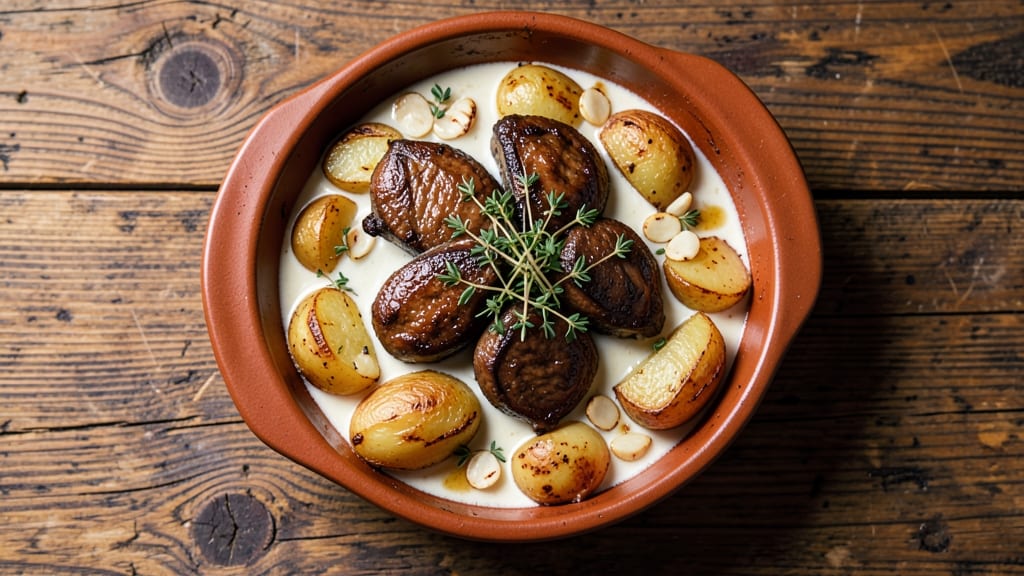
This chicken liver with potato recipe turns pan-seared livers into a restaurant-worthy side dish, where crisp herby edges balance their rich, nutrient-dense heart. The secret lies in properly cleansing the livers and achieving a perfect sear—no rubbery texture here.
I developed this method after years of perfecting liver dishes in Charleston kitchens, where buttery, crisp edges meet tender potatoes in every bite.
This recipe delivers foolproof results with just 20 minutes of active prep and 15 minutes of cooking. The potatoes absorb the herby butter while roasting, creating a golden crust that contrasts beautifully with the pan-seared livers.
We'll use simple pantry staples—garlic, thyme, and a splash of white wine—to elevate the flavors without complexity. The key technique? Searing the livers in batches to maintain even heat and prevent overcooking.
By the time you plate this dish, you'll have perfectly crisp potatoes with herby caramelized edges and tender chicken livers with a rich, buttery finish. The aroma alone will have everyone at the table asking for seconds.
This is the kind of side dish that turns ordinary meals into special occasions—no fuss, just professional results.
Serve alongside grilled meats or as a standalone dish with a fresh green salad. The liver's natural richness pairs beautifully with the earthy potatoes, creating a balanced plate that's both satisfying and elegant. Let's get started with this technique that's been winning over diners for decades.
Ingredients for chicken liver with potato
Restaurant-quality liver and potatoes with just 15 minutes of active time.
| Ingredient | Amount | Notes |
|---|---|---|
| Chicken Livers 🐔 | 1 ¼ lb | Fresh, cleaned and rinsed thoroughly |
| Russet Potatoes 🥔 | 2 lb | Yukon Gold preferred for creaminess |
| Unsalted Butter 🧈 | ½ cup | High-quality European preferred |
| Garlic Cloves 🧄 | 6 cloves | Freshly minced, not pre-minced |
| Fresh Thyme Leaves 🌿 | 2 tbsp | Dried thyme at half quantity |
| Dry White Wine 🍷 | ¼ cup | Sauvignon Blanc or Pinot Grigio |
| Diamond Crystal Kosher Salt 🧂 | 1 ½ tsp | For precise seasoning control |
| Freshly Ground Black Pepper 🌶️ | ½ tsp | Mortar and pestle preferred |
| Extra-Virgin Olive Oil 🫒 | ¼ cup | For roasting potatoes |
| Apple Cider Vinegar 🍎 | 1 tbsp | For liver cleansing |
| Water 💧 | 1 cup | For liver soaking |
The quality of chicken livers is paramount—opt for fresh, vibrant red livers from reputable butchers like Whole Foods Market or local poultry farms. Avoid livers with any yellowish discoloration or strong odor, as these indicate spoilage. For optimal texture, soak the livers in a mixture of apple cider vinegar and water for 30 minutes to remove impurities before cooking. The potatoes should be Yukon Gold or Russet—their waxy texture holds up beautifully to roasting while absorbing the herby butter. Professional kitchens often use organic, non-GMO potatoes for this preparation.
Substitutions are possible, but they require careful consideration. For wine, dry sherry or white wine vinegar can replace the white wine, though it will alter the flavor profile slightly. Dried thyme works at half the quantity of fresh, but the aroma won't be as pronounced. If you're avoiding butter, duck fat or ghee are excellent alternatives—they add depth without altering the dish's structure. For those who prefer a lighter touch, olive oil can replace half the butter in the herby butter blend, though it lacks the richness. Always ensure your substitutions align with the dish's intended balance of richness and crispness.
For best results, roast the potatoes at 425°F until golden and crisp, about 30-35 minutes. The livers should be seared in batches over medium-high heat for 2-3 minutes per side until golden brown. Store leftovers in an airtight container in the refrigerator for up to 4 days, though they're best enjoyed fresh. The herby butter can be made ahead and stored in the fridge for up to 1 week, though it's best used within 3-4 days for optimal flavor. For freezing, portion the dish into individual servings and freeze for up to 3 months—reheat in a skillet to restore the crispness.
Why You'll Love This Recipe
- One-Pan Luxury: Honestly, this is the kind of dish that feels fancy but takes no extra effort. You’re tossing potatoes in oil, searing livers in butter, and tossing everything together in the same pan—no extra dishes, no stress. The only cleanup is one sheet pan and a spatula, and honestly? That’s a win.
- Rich, Herby Depth: The combination of fresh thyme, garlic-infused butter, and a splash of white wine turns simple chicken livers into something ridiculously good. That crispy edge from the sear, the creamy center, and the herby sauce? It’s the kind of flavor that makes you forget you’re eating liver. My kids even ask for seconds—yes, even my picky ones.
- Budget-Friendly Powerhouse: Chicken livers are one of the most affordable protein sources out there, and this recipe stretches them into a meal that feels like a treat. Plus, the russet potatoes add heartiness without breaking the bank. For under $15, you’re getting a dish that’s so satisfying, you’ll forget you’re saving money.
- Leftovers That Shine: I always make extra because the flavors just get better the next day. The potatoes absorb all that herby butter and wine sauce, making them even creamier. Store them in an airtight container for up to four days, and reheat with a quick splash of water or a pat of butter—still delicious, still impressive. No sad leftovers here.
Step-by-step instructions for chicken liver and potatoes
Precision timing and technique transform simple ingredients into a luxurious dish.
Prepare the Chicken Livers for Perfect Texture
Rinse the 1.25 lb chicken livers thoroughly under cold water to remove any blood or impurities. Pat them completely dry with paper towels—this step is critical for achieving a clean sear. Place the livers in a bowl and add the 1 cup water along with 1 tbsp apple cider vinegar. Let them soak for 15 minutes while you prepare the potatoes. This soak removes any remaining bitterness and ensures a tender result.
After soaking, drain the livers and pat them dry again. Season generously with 1.5 tsp diamond crystal kosher salt and 0.5 tsp freshly ground black pepper, pressing the seasoning into the surface. This step guarantees even flavor penetration and prevents the livers from curling during cooking. Set them aside at room temperature while you roast the potatoes.
Roast the Potatoes Until Golden and Crisp
Preheat your oven to 425°F. Peel and cut the 2 lb russet potatoes into ½-inch thick rounds—uniform thickness ensures even cooking. Toss the potato slices immediately with 0.25 cup extra-virgin olive oil and 1 tsp diamond crystal kosher salt until they're evenly coated. Spread them in a single layer on two rimmed baking sheets, leaving space between each slice for proper air circulation.
Roast for 25-30 minutes, flipping the potatoes halfway through, until they develop a deep golden brown crust and are tender when pierced with a fork. The edges should be crisp, while the centers remain slightly firm. Remove from the oven and keep warm while you prepare the livers—these potatoes will absorb the pan sauce beautifully.
Sear the Livers in Butter Until Perfectly Cooked
Heat a large skillet over medium-high heat and add 0.25 cup unsalted butter. Once the butter foams and begins to melt, add the seasoned livers in a single layer, leaving space between each piece. Cook undisturbed for 2-3 minutes per side until they develop a deep golden-brown crust and reach an internal temperature of 145°F. Overcooking will make them dry, so use an instant-read thermometer for precision.
As the livers cook, add the 6 cloves minced garlic and 2 tbsp fresh thyme leaves to the pan. Stir briefly to infuse their flavors into the butter, then remove the livers to a warm plate. Keep them covered to retain heat while you prepare the finishing sauce.
Deglaze and Combine for Rich Herby Sauce
Immediately after removing the livers, reduce the heat to medium and pour in the 0.25 cup dry white wine, scraping up any browned bits from the bottom of the pan with a wooden spoon. Let the wine simmer until reduced by half—this concentrates the flavors and creates a silky sauce base. Return the livers to the pan and spoon the sauce over them, allowing them to absorb the herby richness.
Toss the roasted potatoes into the pan with the livers and sauce, coating everything evenly. Add the remaining 0.25 cup unsalted butter, letting it melt into the sauce. The potatoes will soak up the flavorful butter and wine reduction, creating a luxurious finish. Serve immediately, ensuring each bite delivers crispy potatoes and perfectly seared livers with herby depth.
Pro Tips For Making Chicken Liver With Potato
- Don’t Rush the Vinegar Soak: I learned this the hard way—skipping the full 15 minutes with 1 cup water and 1 tbsp apple cider vinegar leaves bitterness lurking. The acid does more than cleanse; it tenderizes. If you’re impatient, at least give it 10 minutes, but don’t skip it entirely—your livers will repay you with silky texture.
- Cut Potatoes Uniformly: Half-inch slices sound simple, but uneven thickness means some potatoes steam while others burn. Use a mandoline if you’re nervous—consistency is the thing that matters most here. Trust me, the crispy edges won’t form right if they’re all different sizes.
- Watch the Butter Foam: That moment when 0.25 cup unsalted butter starts foaming is your signal to add the livers—not before. If you jump the gun, you’ll get greasy livers instead of a golden crust. Medium-high heat is key; too low, and you’re stuck with sad, pale liver.
- Toss Potatoes While Warm: Cold potatoes soak up sauce like a sponge but lose their crisp edges. Toss them into the pan right after roasting while they’re still piping hot—they’ll absorb the herby butter sauce perfectly without turning soggy. (Yes, even if you’re impatient like me.)
Essential equipment for this recipe
Non-Stick Skillet
Your best friend for searing livers is a 10-12 inch non-stick skillet—preferably with a heavy base like Le Creuset or All-Clad. The non-stick surface prevents sticking while allowing that perfect golden-brown crust.
I swear by my 1950s-era Lodge cast iron for this dish, but if you prefer non-stick, a T-fal E765 is my budget-friendly pick. The even heat distribution ensures livers cook uniformly without burning. 🔥
Instant-Read Thermometer
An instant-read thermometer like the Thermoworks Smoke is non-negotiable for liver cooking. You want to hit 145°F internal temperature—any higher, and your livers turn to rubber. I keep mine tucked in my apron pocket for quick checks during cooking.
Pro tip: Clean the probe with a damp paper towel before each use to avoid cross-contamination.
Rimmed Baking Sheets
For roasting potatoes, half-sheet pans with rims are essential—they catch drippings and allow for even airflow. I use Stainless steel half-sheets from Wilton, but any rimmed baking sheet works.
The key is spacing the potato slices so they crisp properly without steaming. A wire rack over the pan also works wonders if you're short on space. 💫
Mortar and Pestle
Freshly grinding black pepper makes all the difference in flavor depth. A marble mortar and pestle from Zojirushi gives you that aromatic cloud of pepper that elevates the dish. I keep one on my counter for quick seasoning—it's a game-changer for herbs and spices.
For thyme, I lightly crush the leaves to release their oils before adding them to the pan.
Wooden Spoon
A sturdy wooden spoon is your best tool for deglazing the pan after searing. The Oxo Good Grips wooden spoon I use has a perfect angle for scraping up those flavorful browned bits.
I avoid metal utensils here—they can scratch your skillet and potentially introduce metal flavors. A good wooden spoon also helps gently toss the potatoes without breaking them.
Digital Scale
While the recipe calls for measurements by volume, a digital kitchen scale like the Escali E1000 is invaluable for precision. Weighing your livers and butter ensures you're getting the exact amounts needed for consistent results.
I use it especially when scaling recipes up or down—it's the only way to guarantee perfect proportions every time. For potatoes, I eyeball the 2 lb target, but the scale helps confirm accuracy. 💡
Nutrition facts
Frequently asked questions
Why do I need to soak chicken livers in vinegar and water?
The 15-minute soak in apple cider vinegar and water removes blood and impurities while mellowing any bitterness. This step ensures tender, clean-tasting livers that sear perfectly without a gamey flavor. Skipping it risks a harsh taste and uneven texture—trust the process!
Can I substitute fresh thyme with dried thyme?
Yes, but use half the quantity—1 tbsp dried thyme instead of 2 tbsp fresh. Dried thyme loses some aroma, so lightly crush the dried leaves first to release their oils before adding to the pan. The flavor will still be robust, just slightly more subtle.
What if my potatoes aren't crispy enough after roasting?
Increase the oven temperature to 450°F for the last 5-10 minutes to crisp them further, or broil for 2-3 minutes—watch closely! Ensure the potatoes are spaced well on the sheet for even airflow. A wire rack under the pan also helps prevent sogginess.
How do I prevent chicken livers from curling while cooking?
Press the kosher salt and pepper firmly into the surface of the livers before cooking, and avoid overcrowding the pan. Cook them in batches over medium-high heat for 2-3 minutes per side until golden. Overcrowding steams them instead of searing. A thermometer ensures they hit 145°F without drying out.