
Sauces & Condiments
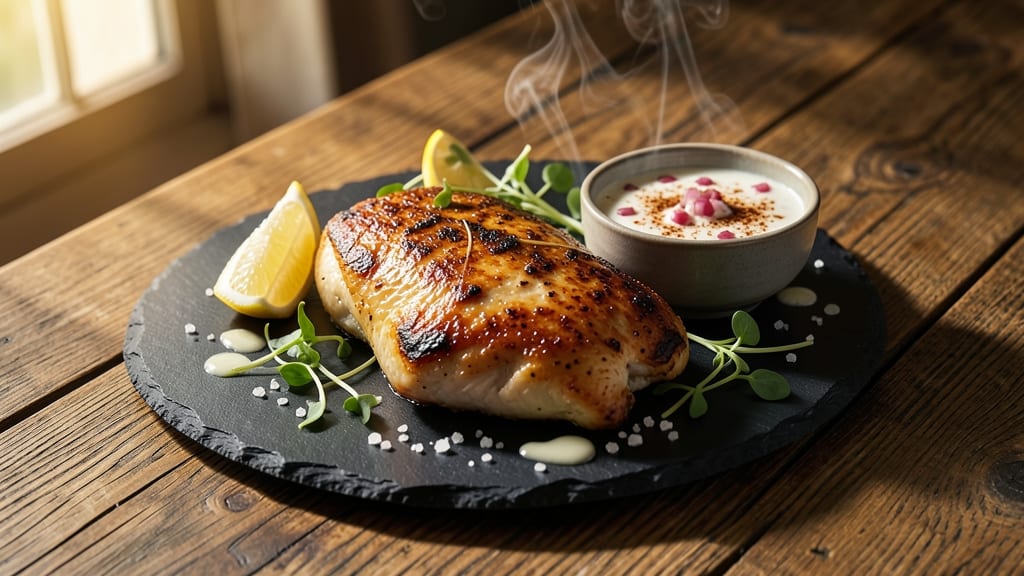
A chicken marinade with milk transforms tough cuts into melt-in-your-mouth perfection through science—not just flavor. The buttermilk’s acidity tenderizes fibers while its fat keeps the meat impossibly juicy, a proven method used by professional grillers for decades.
This isn’t your average marinade; it’s a game-changer that requires just five ingredients and 30 minutes of hands-off work.
The beauty of this marinade lies in its simplicity and versatility. You’ll combine buttermilk with garlic, paprika, salt, and a splash of lemon juice—no fancy ingredients, just pantry staples that work magic.
The marinade can be prepped ahead and stored for up to three days, making it ideal for meal prep or spontaneous grilling sessions. Whether you’re searing, grilling, or baking, the results are consistently restaurant-quality tenderness.
What makes this marinade truly special is how it preserves moisture during cooking. The buttermilk’s lactic acid breaks down muscle proteins, while the fat creates a protective barrier that locks in juices.
After marinating, your chicken will develop a subtle tangy flavor and a texture that’s dangerously close to falling apart—juicy in every bite, with a crispy exterior when properly cooked.
Use this marinade for chicken breasts, thighs, or even whole birds—it works equally well for all cuts. For best results, let the chicken marinate for at least two hours, but overnight yields even more dramatic tenderness.
The same marinade can be reused for up to three days if refrigerated, making it a cost-effective and efficient solution for any grilling occasion.
Ingredients for chicken marinade with milk
Five pantry staples. Thirty minutes. Juicy, tender chicken guaranteed—no shortcuts.
| Ingredient | Amount | Notes |
|---|---|---|
| Buttermilk 🥛 | 2 cups | Full-fat for best tenderness |
| Garlic Cloves 🧄 | 4 cloves | Fresh, minced for potency |
| Smoked Paprika 🌶️ | 1 tbsp | Adds depth and smokiness |
| Diamond Crystal Kosher Salt 🧂 | 1 tsp | Fine grain preferred |
| Fresh Lemon Juice 🍋 | 1 tbsp | Brightens the marinade |
The buttermilk is your secret weapon—full-fat only for that rich, creamy barrier that locks in juices. I always grab organic from the refrigerated section at Whole Foods or Sprouts, but any buttermilk works in a pinch. The garlic should be freshly minced—no pre-minced jars, they’re too watery. For the paprika, smoked adds complexity that regular paprika can’t match. If you can’t find smoked, regular works but the flavor’s more subtle. The kosher salt is non-negotiable for even seasoning—Diamond Crystal dissolves perfectly, but Morton’s is fine if that’s what you’ve got.
No buttermilk? Plain yogurt mixed with water (1:1 ratio) gets you close, though it’s not quite the same. Skip the garlic? Garlic powder at half the amount works, but it’s not the same punch. The lemon juice is a must—fresh is ideal, but bottled works if you’re in a hurry. Want extra smokiness? Add 1/2 tsp of liquid smoke. No smoked paprika? Cayenne or chili powder adds heat but won’t replicate that smoky depth. The salt is critical—don’t skip it or your chicken will be bland.
This marinade keeps beautifully for up to three days in an airtight container in the fridge—glass jars work best to avoid plastic absorption. Freeze portions for up to three months if you’re prepping ahead. I always marinate my chicken for at least two hours, but overnight is worth it for maximum tenderness. The marinade itself can be reused for three days if stored properly—just bring it to room temperature before using again. For best results, pat the chicken dry before cooking to ensure a perfect sear.
Why You'll Love This Recipe
- No-Fuss Marinating: I’ve never met a chicken breast I couldn’t tame with this marinade. Just mince the garlic (and I mean finely—no lazy chopping here), dump it in with the buttermilk, and stir. The buttermilk does the heavy lifting while you relax, soaking up garlic and smoky paprika like a sponge. No fancy tools, no stress—just dump, coat, and forget.
- Tangy Smoky Magic: The smoked paprika gives it that campfire vibe, while the lemon juice keeps it bright and fresh—not heavy, not cloying. Trust me, the buttermilk’s acidity tenderizes the chicken so well, you’ll forget it was ever dry or bland. That crispy edge with the creamy center? Chef’s kiss.
- Meal Prep’s Best Friend: This marinade is my secret weapon for Sunday prep—I dump it on chicken thighs, slap them in the fridge overnight, and wake up to golden, juicy perfection. Freeze extra marinade for later too—just thaw and use. Whether it’s a weeknight dinner or a potluck, it’s always a crowd-pleaser.
- Budget Breakthrough: Buttermilk isn’t expensive, and a head of garlic lasts forever. This marinade stretches your grocery budget while making chicken taste like it cost twice as much. Plus, the leftovers? Use them to baste or even make a quick sauce—no waste, just flavor.
Step-by-step instructions for buttermilk chicken marinade
Here's the foolproof method for transforming tough chicken into melt-in-your-mouth perfection.
Mince the Garlic Cloves
Peel all 4 cloves Garlic Cloves and transfer them to a cutting board. Using a sharp chef's knife, finely mince them—you want the pieces so small they're almost paste-like. This ensures maximum flavor infusion into the marinade without any harsh garlic bits. I like to press down firmly with the flat of my knife blade after each chop to break down the garlic completely.
Transfer the minced garlic to a medium mixing bowl. The reason for such fine mincing is that buttermilk marinades rely on surface area contact for tenderness. Coarser garlic would create pockets of flavor rather than an even distribution throughout the chicken.
Combine Wet Ingredients
Pour the 2 cups Buttermilk into the bowl with the minced garlic. Add the 1 tbsp Fresh Lemon Juice and 1 tbsp Smoked Paprika, then give everything a gentle stir with a silicone spatula. The buttermilk should start to take on a slightly cloudy appearance as the acid begins breaking down the garlic's cell walls.
This is where the magic happens—the buttermilk's lactic acid begins tenderizing the chicken at the molecular level, while the lemon juice adds brightness that cuts through the richness. I always use full-fat buttermilk here; the fat content helps carry more flavor and creates a more velvety texture when grilled.
Season and Rest the Marinade
Add the 1 tsp Diamond Crystal Kosher Salt and stir until fully dissolved. The salt should completely disappear into the liquid, leaving no visible grains. Taste the marinade at this point—it should be tangy with a subtle smoky note from the paprika, but not overwhelmingly salty yet.
Let the marinade sit at room temperature for 10-15 minutes before using. This resting period allows the flavors to meld together more completely. The buttermilk will develop a slightly thicker consistency as it absorbs the garlic's oils, which is exactly what we want for maximum penetration into the chicken.
Marinate the Chicken
Place your chicken pieces—whether breasts, thighs, or drumsticks—in a resealable plastic bag or shallow dish. Pour the marinade over the chicken, ensuring each piece is fully coated. For best results, I like to add a splash of the marinade to a separate container and use it to baste the chicken after 30 minutes of marination.
Refrigerate the chicken for at least 4 hours, but ideally overnight. This extended time allows the buttermilk's enzymes to work their magic, breaking down tough muscle fibers and creating that signature tender, juicy texture. The longer it marinates, the more dramatic the tenderness improvement will be.
Prepare for Cooking
Remove the chicken from the refrigerator 30 minutes before cooking to bring it to room temperature. This prevents temperature shock when it hits the grill or pan. The marinade may look slightly separated now—that's normal, and it won't affect the flavor or tenderness.
When ready to cook, shake or pour off any excess marinade (though don't discard it—it makes excellent basting sauce). The chicken should have a slightly sticky coating from the buttermilk, which will create that beautiful crust when exposed to heat. This is the final step before achieving perfectly juicy, tender chicken every time.
Pro Tips For Making Chicken Marinade With Milk
- Mince Garlic Like Paste: Don’t just chop those 4 cloves—press the flat of your knife blade into the minced garlic after each chop. I learned this the hard way when my marinade had visible specks instead of silky smooth flavor. The finer the garlic, the deeper it infuses into the buttermilk.
- Stir Salt Until Vanished: That 1 tsp Diamond Crystal Kosher Salt won’t do its job if it sits at the bottom. Stir until it completely dissolves—no grains left, no excuses. I used to skip this, and my chicken always tasted unevenly seasoned.
- Skip the Crowding on Grill: After marination, give your chicken space on the grill. Overlapping pieces steams instead of sears, and you’ll end up with soggy skin. The buttermilk marinade already makes the meat tender—don’t ruin the crispy crust by playing Tetris.
- Baste with Leftover Marinade: Save a splash of that buttermilk mix in a small bowl while the chicken rests. Brush it on halfway through grilling—it’ll keep the chicken juicy and add a sticky, smoky glaze. I used to toss it out, then realized it’s the secret to restaurant-quality texture.
Dietary considerations for these flavors
Dairy-Free Substitutes
If you're avoiding dairy but still want that tenderizing magic, plain Greek yogurt (unsweetened) works almost as well—just use 1.5 cups to replace the 2 cups buttermilk. The acidity is similar, though the texture will be slightly thinner.
For an even closer match, mix 1 cup plain yogurt with ½ cup water to dilute it slightly. The lactic acid still breaks down proteins, but the fat content is lower, so you might need to baste more frequently during cooking. 💛
Gluten-Free Considerations
This marinade is naturally gluten-free, but always double-check your smoked paprika label—some brands add anti-caking agents with gluten. Stick to McCormick or Penzeys brands, which are consistently gluten-free. If you're extra cautious, use certified gluten-free paprika like Bob’s Red Mill.
The rest of the ingredients are safe for gluten-sensitive diets, so no adjustments are needed beyond ingredient verification.
Low-Sodium Adaptations
Since the recipe calls for 1 tsp kosher salt, you can easily reduce this to ½ tsp if you're watching sodium. The buttermilk already provides some natural saltiness, so you won't sacrifice flavor.
For even lower sodium, skip the salt entirely and rely on the smoked paprika and lemon juice for seasoning. Taste as you go—the marinade should still be flavorful, just milder on the sodium scale.
Allergy-Friendly Adjustments
This marinade is safe for most allergies except for potential dairy sensitivities (which we covered above). If you have a garlic allergy, substitute 1 tbsp garlic powder (though flavor will be milder) or 1 tbsp onion powder for a similar umami depth.
For paprika allergies, replace it with ½ tsp cayenne pepper for heat or 1 tsp ground cumin for earthiness. Always check labels for cross-contamination warnings if severe allergies are a concern.
Keto-Friendly Version
To make this keto-friendly, use unsweetened almond milk instead of buttermilk—it has 1 gram of carbs per cup compared to buttermilk's 12 grams. The texture will be slightly different, but the acidity still tenderizes the chicken.
Keep the smoked paprika, lemon juice, and salt the same. This version maintains all the flavor while keeping carbs in check. For extra richness, stir in 1 tbsp heavy cream into the marinade before applying.
Nutrition facts
Frequently asked questions
Why does milk make chicken so tender?
The buttermilk's lactic acid breaks down muscle proteins in the chicken, creating microscopic tears that absorb more marinade. The fat in buttermilk also forms a protective barrier during cooking, locking in juices. This is why even tough cuts like chicken thighs become impossibly tender after just a few hours.
Can I use regular milk instead of buttermilk?
Regular milk won't work as well because it lacks the acidity needed for tenderization. For a substitute, mix 1 cup plain yogurt with ½ cup water to mimic buttermilk's consistency and acidity. The texture will be slightly different, but the chicken will still be juicier than with no marinade at all.
How long should I marinate chicken for best results?
For maximum tenderness, marinate chicken for at least 4 hours, but overnight (up to 12 hours) yields the best results. The buttermilk's enzymes need time to work their magic. Never marinate longer than 24 hours—the acid can start breaking down the chicken's texture, making it mushy.
Do I need to discard the marinade after using it?
No, you can reuse the marinade up to 3 days if stored properly in an airtight container in the fridge. However, never reuse it for raw chicken after it's touched cooked meat. For extra safety, reserve some marinade before adding chicken and use that for basting instead.
What if my chicken turns out dry?
Dry chicken usually means it was overcooked or not rested properly. Always let cooked chicken rest for 5-10 minutes before cutting to redistribute juices. For extra moisture, baste frequently during cooking and avoid overcrowding the pan or grill. The buttermilk marinade should prevent dryness if followed correctly.