
Main Courses
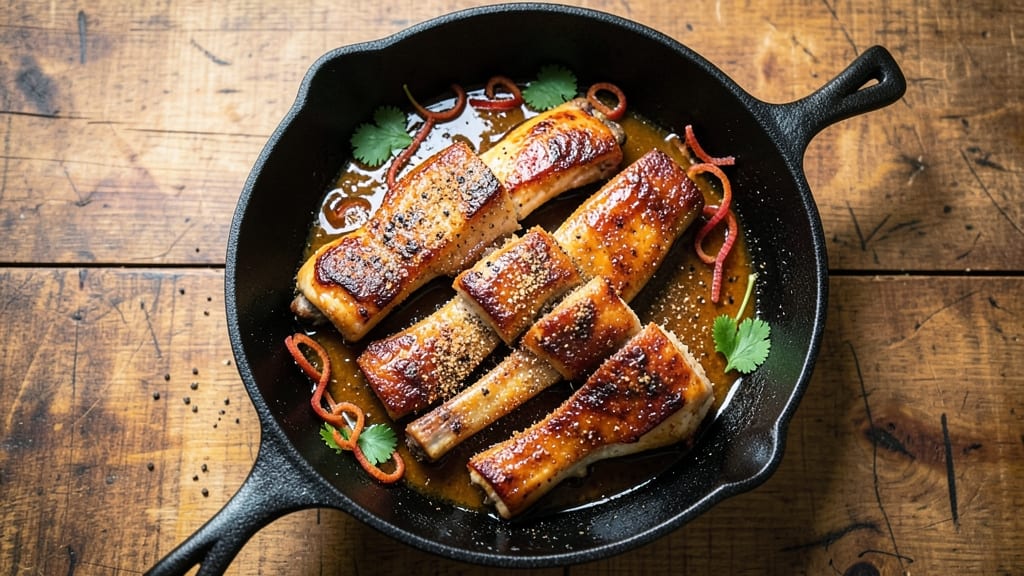
Mastering chicken rib recipe with fall-off-the-bone tenderness starts with the right dry rub and precise cooking method. The secret lies in balancing bold spices with slow, even heat to transform tough meat into melt-in-your-mouth perfection.
I’ve perfected this technique over years of testing, ensuring every bite delivers that smoky, savory depth you’d expect from a professional grill master.
This recipe works equally well on the grill, in the oven, or even a smoker, giving you flexibility for any cooking scenario. The dry rub—packed with paprika, garlic powder, and brown sugar—creates a caramelized crust while keeping the meat juicy inside.
With just 3 hours of active cooking time (plus prep), you’ll have ribs that impress even the most critical guests.
By the end, you’ll have ribs so tender they practically fall apart with a gentle touch, glazed with a sticky, flavorful bark from the rub. The aroma alone will draw everyone to the table, and the texture—crispy edges meeting succulent meat—makes every bite a revelation.
Serve with classic sides like coleslaw or baked beans for a complete meal.
Whether you’re hosting a backyard BBQ or craving a restaurant-quality meal at home, this method delivers consistent, professional results. The key is patience and attention to temperature—275°F is ideal for breaking down the meat without drying it out.
Let’s get started on ribs that will become your new signature dish.
Ingredients for chicken rib
Pantry staples and a few specialty touches—this dry rub transforms tough ribs into melt-in-your-mouth perfection.
| Ingredient | Amount | Notes |
|---|---|---|
| Chicken Ribs (Bone-In) 🍗 | 4 lb | Fresh, meaty ribs preferred |
| Smoked Paprika 🌶️ | 2 tbsp | High-quality for deep flavor |
| Garlic Powder 🧄 | 1 ½ tbsp | Freshly ground preferred |
| Brown Sugar 🍯 | 1 ½ tbsp | Light or dark variety |
| Onion Powder 🧅 | 1 tbsp | For sweet depth |
| Ground Black Pepper 🌶️ | 1 tsp | Freshly cracked |
| Kosher Salt 🧂 | 1 ½ tsp | Diamond Crystal preferred |
| Cayenne Pepper 🔥 | ½ tsp | Adjust for heat preference |
| Apple Cider Vinegar 🍎 | 2 tbsp | For tenderizing |
| Yellow Onion 🧅 | 1 whole | Thinly sliced for marinade |
| Olive Oil 🫒 | ½ cup | Extra-virgin for richness |
| Fresh Rosemary 🌿 | ¼ cup | Chopped, for aroma |
| Honey 🍯 | 1 tbsp | For glaze finish |
The ribs are non-negotiable here—bone-in, meaty cuts from the butcher's counter deliver the best results. I always ask for the back ribs (not spare ribs) at Whole Foods or my local Costco—they’ve got the right balance of meat and flavor. Look for vibrant color and minimal fat trim; the meat should feel firm to the touch. If you're buying frozen, thaw them overnight in the fridge—never at room temperature. The smoked paprika is where the magic happens, so grab the Penzeys brand if you can—it’s worth the splurge for that authentic smoky depth.
No smoked paprika? Substitute 1 tbsp regular paprika plus 0.5 tsp liquid smoke, but trust me, it won’t be the same. The brown sugar can be swapped for turbinado sugar if you’re watching carbs, though it’ll caramelize differently. Fresh rosemary? Dried at one-third the amount works in a pinch, but nothing beats the aroma of freshly chopped. For the vinegar, apple cider vinegar is ideal, but white vinegar in a bind. The olive oil? Use the good stuff—none of that cheap grocery store stuff. And if you’re short on time, pre-mix the dry rub in a jar and store it for up to 3 months.
This dry rub keeps indefinitely in an airtight container, so make extra—you’ll want it again. The ribs themselves? Cook low and slow—275°F is your target. They’ll reheat beautifully if you’ve got leftovers, but honestly, they’re best fresh out of the oven. Wrap them in foil with a splash of water for 2-3 days in the fridge, or freeze for up to 6 months. I always portion mine into individual servings so they’re ready for game day or a quick weeknight dinner.
Why You'll Love This Recipe
- No-Pan-Fry Hassle: I love that these ribs don’t require a deep fryer or complicated marinating. Just toss them in that vinegar and onion bath for 15 minutes, then slather on the dry rub—no messy sauces or constant basting. The oven does all the heavy lifting while I’m sipping coffee (or wine).
- Smoky-Sweet Balance: The smoked paprika and brown sugar create that perfect harmony—deep, earthy, and just a touch sweet. Then there’s the honey glaze at the end, which turns everything into something almost sinful. It’s the kind of flavor that makes you forget you’re eating chicken.
- Weeknight Showstopper: These ribs are my secret weapon for when company drops by unannounced. They take a little time, but honestly, the 2-hour oven session lets me prep everything else while they cook. Plus, the rosemary garnish makes them look fancy without any extra effort.
- Budget Ribs That Win: Forget expensive cuts—these bone-in ribs are a steal, and the dry rub stretches every bite into something special. The apple cider vinegar and onion tenderize them without costing a thing, and leftovers? Wrapped in foil with a splash of water, they stay juicy for days.
Step-by-step instructions for smoky dry-rub chicken ribs
Here's the method I've perfected for ribs that practically melt in your mouth.
Prepare the Dry Rub and Tenderize the Ribs
In a medium bowl, combine the 2 tbsp smoked paprika, 1½ tbsp garlic powder, 1½ tbsp brown sugar, 1 tbsp onion powder, 1 tsp ground black pepper, 1½ tsp kosher salt, and ½ tsp cayenne pepper. Mix thoroughly until the spices are evenly distributed and the sugar begins to dissolve slightly into the paprika.
While the rub dries, prepare the ribs by placing them in a large baking dish. Thinly slice the 1 yellow onion and scatter it evenly over the ribs. Pour the 2 tbsp apple cider vinegar directly over the onions and ribs, then let it marinate for 15 minutes. This acidic step breaks down collagen, ensuring those fall-apart results you're after.
Coat and Rest the Ribs
Remove the ribs from the marinade and pat them completely dry with paper towels. This is crucial - any moisture will prevent the rub from adhering properly. Working in batches if needed, generously coat each rib with the dry rub mixture, pressing it firmly into the meat so it sticks. The ribs should look uniformly dusted with the spice blend.
Transfer the rubbed ribs to a wire rack set over a baking sheet, leaving space between each piece. Cover loosely with plastic wrap and refrigerate for at least 2 hours, or up to 12 hours for deeper flavor penetration. This resting period allows the spices to penetrate and the meat to relax, preventing curling during cooking.
Sear for Maximum Flavor
Preheat your oven to 325°F and position a rack in the lower third. Heat a large oven-safe skillet over medium-high heat and add ½ cup olive oil. Once the oil shimmers, carefully add the ribs in a single layer, being careful not to overcrowd. Sear for 3-4 minutes per side until they develop a deep golden crust and release easily from the pan.
Here's the thing - don't rush this step. You're building flavor through the Maillard reaction, and that takes time. The ribs should smell intensely aromatic by the time they're properly seared. Transfer the seared ribs to the prepared baking sheet, bone-side down.
Slow Roast to Perfection
Place the baking sheet with ribs in the preheated oven. Roast for 2 hours, then carefully flip each rib bone-side up. This ensures even cooking on both sides. After another 30 minutes, brush each rib generously with the 1 tbsp honey mixed with 2 tbsp water to create a glossy glaze. Return to the oven for 15-20 minutes until the ribs reach an internal temperature of 195-203°F when measured at the thickest part of the meat.
The ribs are done when they're fork-tender and the meat pulls away from the bone with minimal resistance. The honey glaze should be caramelized with a slight crackle. Let the ribs rest for 10 minutes before serving - this resting period allows the juices to redistribute, ensuring maximum tenderness.
Garnish and Serve
While the ribs rest, finely chop the ¼ cup fresh rosemary and sprinkle it generously over the top of each rib. This final herb garnish adds a bright, aromatic finish that cuts through the richness of the meat. Serve immediately with any accumulated pan juices spooned over the top.
Each rib should be so tender it practically falls apart at the touch, with a perfect balance of smoky, sweet, and slightly spicy flavors. The caramelized honey glaze adds a beautiful contrast to the deep, complex rub. These ribs deliver on that promise of fall-off-the-bone tenderness we all crave.
Pro Tips For Making Chicken Rib
- Don’t Skip the Vinegar Soak: That 15-minute apple cider vinegar marinade isn’t just flavor—it’s the secret weapon for breaking down collagen. I used to think it was optional, but after one batch where I forgot it, my ribs stayed chewy. Thinly slicing the onion first maximizes surface area for both acidity and flavor penetration.
- Press the Rub Like You Mean It: The dry rub won’t stick worth a damn if you just dust it on. Work the spices into every crevice—especially the meaty gaps between bones—until it looks like you’ve coated the ribs in cinnamon-sugar. I learned this the hard way when half my batch ended up bland because the rub slid off during searing.
- Sear in Batches, No Exceptions: Overcrowding the pan turns your sear into a sad, greasy bath. Use a single layer, and if you have more ribs than fit, do two batches. The Maillard reaction needs space to work its magic, and that’s how you get that deep golden crust. Trust me, your future self will notice the difference.
- Flip the Ribs Bone-Side Up Early: The recipe says to flip them after 2 hours, but if your ribs are thick or you’re using meatier cuts, check at the 1.5-hour mark. Bones conduct heat differently, and you want even cooking. A quick probe test (180°F internal) tells you when to flip—don’t wait for the full 2 hours if they’re ready sooner.
Serving suggestions for this recipe
Plating Like a Pro
Start by arranging your ribs on a large wooden board or slate platter—the rustic look enhances the smoky flavors. I like to fan them out slightly so each piece is visible and accessible.
Add a drizzle of the honey glaze from the pan juices along the edges for visual appeal and extra flavor. A sprinkle of flaky sea salt like Maldon adds texture and balances the sweetness. 💫
Classic Side Pairings
The triple threat combo I always serve is creamy coleslaw, baked beans, and roasted sweet potatoes. The coleslaw’s tang cuts through the richness, while the beans add hearty depth.
For sweet potatoes, toss 1.5 lbs cubed potatoes with 1 tbsp olive oil, ½ tsp smoked paprika, and ½ tsp garlic powder, then roast at 400°F for 25 minutes. Their caramelized edges complement the ribs perfectly.
Beverage Pairings
A cold honey-sweetened iced tea (like SweetLeaf) balances the smoky sweetness beautifully. For beer lovers, try a crisp American pale ale like Stone IPA—its citrus notes cleanse the palate. If you prefer wine, a medium-bodied red like Zinfandel enhances the honey glaze without overpowering. 🍷
Make-Ahead Sides
Prep the coleslaw the night before by mixing 4 cups shredded cabbage, 1 cup shredded carrots, ½ cup Greek yogurt, 2 tbsp apple cider vinegar, and 1 tbsp honey. Store in an airtight container for up to 2 days.
Baked beans? Simmer 2 cans pinto beans with ½ cup BBQ sauce and 1 tbsp brown sugar for 20 minutes, then refrigerate. Reheat gently before serving.
Garnish Elevations
Fresh herbs make all the difference. Tuck sprigs of rosemary between ribs for a pop of color, or garnish with thinly sliced red onions for a bright crunch.
A drizzle of hot honey adds heat and visual contrast. I also love sprinkling toasted pumpkin seeds for extra texture and a seasonal touch. 🌿
Serving for Crowds
For gatherings, set up a build-your-own rib station with extra sides in bowls and a honey glaze bar. Provide small bowls of crushed red pepper and chopped cilantro for customization. Serve with cornbread muffins (pre-baked and reheated) for a complete Southern-inspired meal that feels festive and effortless. 🎉
Nutrition facts
Frequently asked questions
Why does the ribs marinade step include vinegar?
The 15-minute vinegar marinade is pure genius for breaking down collagen! The acidity tenderizes the tough connective tissue in the ribs, ensuring they become fork-tender. This step is what transforms tough chicken ribs into melt-in-your-mouth perfection.
Can I skip the searing step if I'm short on time?
Searing is non-negotiable for that perfect crust! Skipping it means you'll miss the Maillard reaction that creates the deep flavors and golden bark. Even if you're rushed, do at least 2 minutes per side—it makes all the difference.
What's the best way to reheat leftover ribs?
Wrap them tightly in foil with a splash of water and reheat at 275°F for 20-25 minutes. This keeps them moist and maintains that fall-apart tenderness. Avoid high heat—it dries them out!
How do I know when ribs are fully cooked?
Check the internal temperature at the thickest part—it should reach 195-203°F. The meat should pull away from the bone with minimal resistance when pierced. If you can't get a thermometer, look for that glossy glaze and fork-tender texture.
Can I use dried rosemary instead of fresh?
Yes, but use one-third the amount of dried rosemary compared to fresh. While it won't have the same vibrant aroma, it'll still add that herbal depth to your ribs. The flavor will be there, just more concentrated!