
Sauces & Condiments
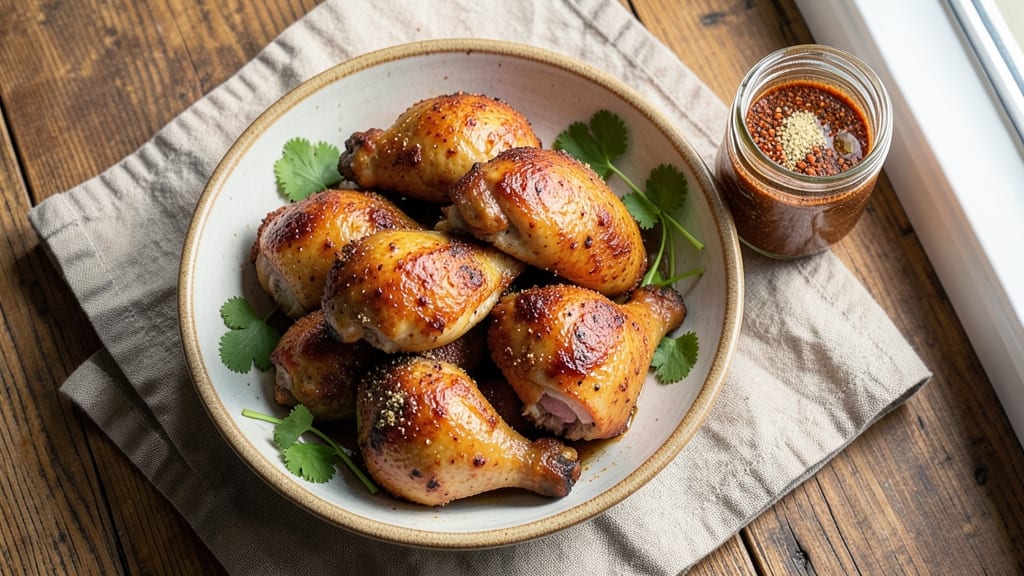
This chicken thigh rub recipe transforms simple chicken into irresistibly flavorful bites with a crust that clings like a second skin. The secret lies in balancing smoky paprika, warm garlic powder, and just enough cayenne to add depth without overpowering—every spice plays a precise role in creating that signature crust.
I developed this blend after years of testing, ensuring it works equally well on the grill, in the oven, or in a skillet.
The beauty of this dry rub is its simplicity: just six core ingredients measured in tablespoons and teaspoons, designed to be mixed in a bowl and stored in an airtight jar for months.
No oils or moisture needed—just pat it onto dry chicken thighs and let the spices work their magic as they cook. The result is a deep, aromatic crust that locks in juices while delivering layers of flavor with every bite.
What makes this rub truly versatile is how it elevates chicken thighs across different cooking methods.
Whether you're searing them in a cast-iron skillet, baking them in the oven, or grilling them over charcoal, the spices develop differently each time—smoky on the grill, slightly caramelized when baked, and intensely concentrated when pan-seared.
The crust isn't just flavorful; it's addictive, making even the simplest chicken thigh taste like a restaurant-worthy dish.
Make a big batch and keep it on hand for quick weeknight dinners or meal prep. The rub stays potent for up to six months, so you'll always have a foolproof way to turn ordinary chicken into something extraordinary. Here's how to mix it—and why it works every time.
Ingredients for chicken thigh rub
Six simple spices. One jar. Instant restaurant-quality chicken thighs every time.
| Ingredient | Amount | Notes |
|---|---|---|
| Smoked Paprika 🌶️ | 2 tbsp | Smoky flavor foundation |
| Garlic Powder 🧄 | 1 ½ tbsp | Warm, aromatic base |
| Onion Powder 🧅 | 1 ½ tbsp | Sweet depth to crust |
| Dried Oregano 🌿 | 1 tbsp | Earthy Mediterranean touch |
| Black Pepper 🌶️ | 1 tbsp | Freshly ground preferred |
| Cayenne Pepper 🔥 | ½ tbsp | Heat control adjustment |
| Sea Salt 🧂 | 1 tsp | Kosher or fine grain |
The smoked paprika is where the magic starts—look for a deep red color at Penzeys or World Market to ensure authentic smokiness. I always buy it in small quantities since it loses potency after about 6 months. Garlic powder and onion powder are non-negotiable for that perfect balance of sweet and savory. For dried oregano, Mexican oregano has a bolder flavor, but regular works fine if that's what you've got. Freshly ground black pepper is a must—pre-ground loses its kick within a few months. The cayenne lets you control the heat, so adjust based on your preference—start with half and add more if needed.
No smoked paprika? Regular paprika plus 1/2 tsp ground coriander mimics the smoky depth. Want more garlic flavor? Add 1/2 tsp extra garlic powder or a pinch of garlic salt (but watch the sodium). Short on cayenne? Red pepper flakes at 1/3 the amount works, though the texture is different. If you're using pre-ground spices, toast them in a dry pan for 1 minute to wake up the flavors before mixing. And if you're worried about spice levels, start with half the cayenne and taste as you go—you can always add more later.
This rub keeps like a dream—airtight jar in a cool, dark pantry means it stays potent for up to 6 months. I like to store it in a small glass jar with a tight seal, shaking it gently before each use to redistribute the spices. For best results, pat the rub onto dry chicken thighs—no oil needed—so it clings perfectly to the meat. If you're prepping ahead, store the rub and chicken separately until cooking time. The flavors develop even more when baked or grilled, so don’t skip that final step!
Why You'll Love This Recipe
- No-Fuss Flavor Bomb: This rub takes less than five minutes to mix—just dump those spices in a bowl, whisk, and boom—you’ve got a flavor punch that turns plain chicken into something special. No fancy prep, no measuring madness, just pure, easy magic.
- Crave-Worthy Crust: The smoked paprika and garlic powder create that perfect balance—smoky, sweet, and just a little kick from the cayenne. Press it right into the meat, and you’ll get that crispy, sticky crust that makes every bite feel like a restaurant secret.
- Weeknight Hero: Forget complicated meals. Toss these thighs in the oven while you’re watching TV, and you’ve got dinner. Leftovers? Even better—reheat with a splash of broth for restaurant-style leftovers that taste fresh.
- Budget Magic: Seven simple spices, all pantry staples, and you’ve got a rub that costs pennies but delivers restaurant-level flavor. It’s the kind of trick that makes your grocery bill stretch further without sacrificing taste.
Step-by-step instructions for smoky-spiced chicken thigh rub
Here's how to mix and apply this flavor bomb that turns plain thighs into restaurant-worthy bites.
Combine All Dry Ingredients in a Bowl
In a medium mixing bowl, add the 2 tablespoons smoked paprika first - this is your flavor foundation. The deep, smoky notes will carry through the entire rub, so don't skimp here. Next, add the 1½ tablespoons garlic powder and 1½ tablespoons onion powder together. These two create that irresistible savory depth that makes the crust cling like glue.
Sprinkle in the 1 tablespoon dried oregano - this adds that earthy Mediterranean warmth that balances the smokiness. Then comes the 1 tablespoon black pepper - I always use freshly ground if possible, as pre-ground loses potency quickly. Finally, add the ½ tablespoon cayenne pepper - this controls the heat level, so adjust to taste if you prefer milder or hotter.
Whisk Until Evenly Distributed
Using a whisk or fork, mix all ingredients together until you see no more dry spots. The smoked paprika will want to clump slightly, so break up any larger chunks with your fingers. You're looking for a uniform, crumbly texture that coats everything evenly. This isn't just about flavor distribution - the even coating ensures the crust sticks to the chicken during cooking.
Here's the thing - don't overmix. Just until everything comes together. Overworking creates fine dust that won't adhere well to the chicken. The perfect texture should be coarse enough to grip the meat but fine enough to rub in completely. This is where the magic happens - when all those spices marry together into one cohesive blend.
Apply Generously to Chicken Thighs
Pat the chicken thighs completely dry with paper towels - moisture is the enemy of crust adhesion. Now comes the fun part: rub the mixture all over the thighs, pressing firmly so the spices stick. I like to work in layers - first coat, then press down with my fingers, then add another thin layer. This ensures maximum flavor penetration and that signature crust that sticks like glue.
Pay special attention to the bone sides and edges - these areas often get overlooked but contribute just as much to the final flavor. After coating, let the seasoned thighs sit at room temperature for 15-20 minutes before cooking. This resting period allows the rub to fully adhere and the chicken to come up to temperature more evenly, preventing any cold spots during cooking.
Optional - Press Rub Into the Meat
For an extra flavor boost, take your fingers and press the rub firmly into every surface of the chicken. You'll see the spices leave visible marks on the meat - that's how you know they're penetrating deeply. This step is particularly important for thicker cuts where the spices might not otherwise reach the center during cooking.
The reason we press so firmly is simple physics - the spices need to make direct contact with the meat to transfer their flavor. When you cook these thighs, you'll notice the crust forms more quickly and sticks better than if you just sprinkled the rub on top. This is the professional trick that takes home cooking to restaurant quality.
Pro Tips For Making Chicken Thigh Rub
- Break Up the Paprika Clumps: Smoked paprika loves to clump—like a stubborn kid refusing to share. Before whisking, run your fingers through it first to break those chunks into fine grains. I learned this the hard way when my first batch had uneven texture, and the crust fell off in flakes during cooking.
- Press Like You Mean It: Don’t just sprinkle the rub—dig in with your fingers and press hard, especially on the bone sides. The goal is to leave visible spice marks on the meat. Skimping here means flavor hiding under a weak crust, and no one wants that.
- Use Freshly Ground Pepper: Pre-ground black pepper loses its kick faster than a microwave dinner. If you’re using jarred pepper, toast it in a dry pan for 30 seconds first—it’ll wake up those dormant flavors. Your taste buds (and future guests) will notice the difference.
- Rest the Rubbed Thighs: That 15-20 minute rest isn’t optional—it’s when the spices actually stick. Skip it, and you’re gambling on uneven cooking and a rub that slides off mid-fry. Trust me, even if you’re impatient like me, your chicken will thank you.
Troubleshooting perfect results
Rub Won’t Stick?
If your rub isn’t clinging to the chicken, the issue is almost always moisture. Pat the thighs completely dry with paper towels—even a little dampness prevents the spices from adhering. I wipe them down with a clean towel right before applying the rub.
Let them sit uncovered for 5-10 minutes to evaporate any lingering moisture before seasoning. This step is critical for that perfect crust. 💡
Uneven Flavor Distribution
When the rub looks patchy or tastes inconsistent, you’ve likely overmixed it. Stop whisking once the spices are just combined—no more than 10-15 seconds of stirring. Overmixing turns the rub into fine dust that won’t cling.
Break up any clumps with your fingers, but avoid grinding it into powder. Think of it like seasoning a steak: coarse texture = better flavor transfer.
Burnt or Bitter Taste
A burnt or bitter flavor usually means you cooked the rub too hot or for too long. If pan-searing, use medium heat and avoid high heat until the chicken releases.
For baked or grilled thighs, ensure the rub is applied evenly—hot spots can scorch the spices before the meat cooks through. I always rotate the pan or flip the thighs halfway to prevent uneven browning. 🔥
Spices Lose Potency Quickly
Pre-ground spices lose flavor fast, especially black pepper and cayenne. If your rub tastes weak, toast the dry ingredients first: spread them on a baking sheet and broil for 1-2 minutes until fragrant. Let them cool before mixing.
For long-term storage, keep the rub in an airtight glass jar away from light and heat—this preserves the spices for up to 6 months. I mark the date on the jar to track freshness.
Crust Doesn’t Form
No crust? Check your cooking method. For a sticky, caramelized crust, sear the thighs in a hot cast-iron skillet for 2-3 minutes per side before finishing in the oven. If baking, broil for the last 2-3 minutes to develop color.
The Maillard reaction—where sugars and amino acids react—creates that golden crust. Skip the broiler, and you’ll miss out on the flavor payoff. ⚡
Nutrition facts
Frequently asked questions
Why does my chicken thigh rub keep falling off?
Moisture is the #1 culprit! Always pat the thighs completely dry with paper towels before applying the rub. Let them sit uncovered for 5-10 minutes to evaporate any lingering dampness. The spices need that dry surface to cling properly—this is how you get that perfect, sticky crust.
How do I adjust the heat level in this rub?
Start with the ½ tablespoon cayenne pepper as written, then add more to taste. For a milder version, reduce it to ¼ tablespoon or skip it entirely. If you prefer extra kick, increase by ¼ tablespoon increments. Always taste before cooking to avoid overpowering the other flavors!
Can I use this rub on other proteins besides chicken?
This spice blend works beautifully on pork chops, beef steaks, or even fish fillets. For fish, reduce the cayenne to ¼ teaspoon and cook at lower temperatures. The key is to let the rub sit for 10-15 minutes before cooking to allow flavors to penetrate. It's a game-changer for grilling!
What's the best way to store leftover rub?
Transfer any unused rub to an airtight glass jar and store it in a cool, dark pantry. It stays potent for up to 6 months. I like to label the jar with the date so I know when it's freshest. For best results, shake gently before using to redistribute the spices.
Why does my rub taste bitter after cooking?
Bitterness usually means the spices were cooked too long or at too high heat. For pan-searing, use medium heat and avoid high heat until the chicken releases. If baking or grilling, ensure the rub is applied evenly—hot spots can scorch the spices before the meat cooks through. Rotate the pan or flip the thighs halfway to prevent uneven browning.