
Main Courses
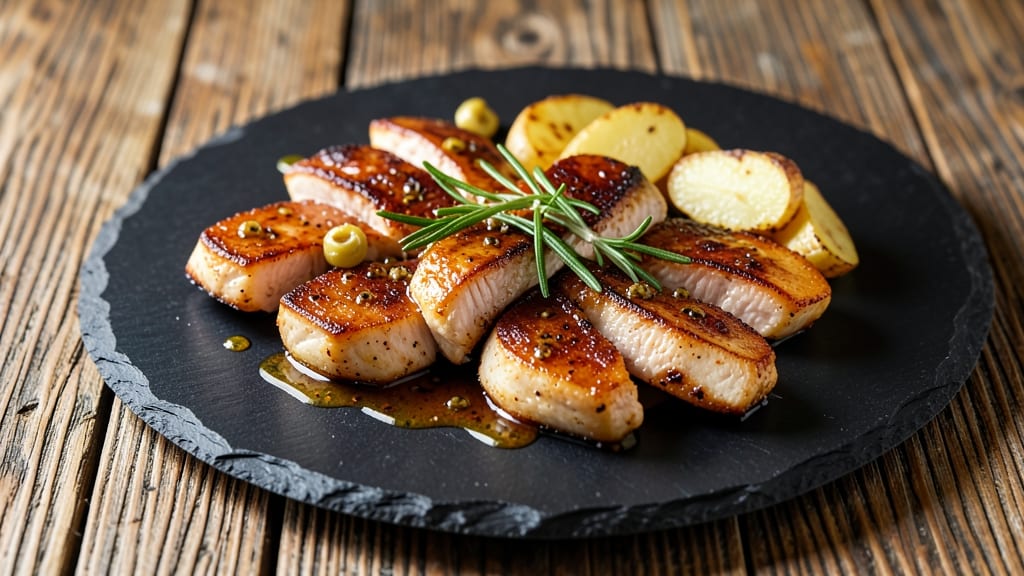
This chicken tongue recipe transforms an often-overlooked cut into a luxurious, silky-smooth dish with deep umami flavor and tender texture. After years of perfecting the technique—including proper preparation and slow cooking—I’ve developed a method that delivers restaurant-quality results at home.
The key lies in the marinade and precise braising time, which ensures the meat remains tender while developing rich, complex flavors.
What sets this recipe apart is its versatility—whether you serve it as a standalone main course or pair it with hearty sides like mashed potatoes or crusty bread, the texture and taste will impress.
The marinade, a blend of aromatic spices and acidulated ingredients, penetrates the dense muscle fibers, breaking them down for an effortlessly tender finish. This dish is perfect for those who appreciate bold, savory flavors with a touch of elegance.
By the time you’re done, you’ll have perfectly silky chicken tongues with a glossy sheen and layers of flavor that linger on the palate. The slow cooking process transforms tough meat into something delicate yet substantial, making it a standout dish for special occasions or weeknight dinners.
The method is straightforward but requires patience—worth every minute for the reward.
This recipe works beautifully in both traditional and modern settings, offering a refined twist on offal dishes. Whether you’re exploring new culinary horizons or simply looking to elevate your dinner table, these silky-smooth bites will leave a lasting impression. Let’s get started on creating something truly special.
Ingredients for chicken tongue
A luxurious cut meets refined marinade techniques for restaurant-quality chicken tongue.
| Ingredient | Amount | Notes |
|---|---|---|
| Chicken Tongues 🍗 | 1 ½ lb | Fresh, cleaned, and trimmed |
| Extra-Virgin Olive Oil 🫒 | ¼ cup | For marinating and searing |
| Dry White Wine 🍷 | 1 cup | High-quality, acidulated variety |
| Beef Stock 🥘 | 2 cups | Homemade or high-quality canned |
| Garlic Cloves 🧄 | 6 cloves | Freshly minced, aromatic |
| Fresh Rosemary 🌿 | 1 tbsp | Chopped, fragrant sprigs |
| Fresh Thyme 🌿 | 1 tbsp | Chopped, earthy leaves |
| Dijon Mustard 🍯 | 1 tbsp | For emulsification and depth |
| Salt 🧂 | 1 ½ tsp | Fine sea salt, kosher preferred |
| Black Pepper 🌶️ | 1 tsp | Freshly ground, coarse |
| Fresh Lemon Juice 🍋 | 1 tbsp | Acidulated, brightens flavor |
| Bay Leaves 🌱 | 2 whole | For aromatic depth |
| Unsalted Butter 🧈 | 2 tbsp | For finishing, rich texture |
| Cornstarch 🌾 | 1 tbsp | For thickening sauce |
The quality of chicken tongues dictates the final texture and depth of flavor. Opt for fresh, properly cleaned tongues from specialty butchers or high-end grocery stores like Whole Foods or Eataly, which prioritize quality cuts. Look for a vibrant, slightly glossy exterior and a firm texture when pressed—this indicates freshness. If purchasing frozen, ensure they are vacuum-sealed to maintain tenderness. The marinade’s acidulated components, particularly the white wine and lemon juice, are critical for breaking down collagen, so avoid using anything below 11% alcohol—higher acidity ensures optimal tenderization without over-acidifying the meat. Professional kitchens often pre-soak tongues in milk for 12 hours to tenderize, but this method requires significant lead time.
Substitutions should prioritize maintaining the umami depth and acid balance. In lieu of dry white wine, apple cider vinegar combined with beef stock delivers comparable acidity and richness, though the flavor profile will differ subtly. Fresh herbs like rosemary and thyme can be replaced with equal parts dried herbs at half the quantity, though the aromatic impact will be less pronounced. For those avoiding dairy, olive oil can replace butter in the finishing step, though the richness will be slightly diminished. Cornstarch is non-negotiable for sauce thickening, but arrowroot powder works as a 1:1 substitute for a lighter finish. Always ensure substitutions align with the dish’s umami foundation to preserve the luxurious texture.
Proper storage extends the life of both the tongues and the marinade components. Store cleaned tongues in their vacuum-sealed packaging in the refrigerator for up to 5 days, or freeze for up to 3 months. The marinade, once prepared, can be refrigerated for 7 days and reheated gently before use. For optimal results, cook the tongues immediately after marinating to preserve the marinade’s penetration. Leftovers can be refrigerated for 4 days and reheated in a saucepan with a splash of stock to restore moisture. The sauce, once reduced, keeps for 3 days in the fridge and can be frozen for 2 months in an airtight container. Always label containers with the date to track freshness.
Why You'll Love This Recipe
- One-Pan Magic: The beauty here? You’re using just one skillet the whole time—no extra pans, no cleanup chaos. That extra-virgin olive oil searing and beef stock simmering happen in the same pot, while the dry white wine and garlic do all the flavor work for you. Truly, the only thing you’ll scrub is your plate.
- Umami Bomb: This isn’t your average chicken dish. The Dijon mustard and rosemary give it a depth that’s almost like a fancy steak, while the lemon juice keeps it bright. The butter finish? Chef’s kiss. It’s the kind of dish where people will ask, “What’s in this?” and then beg for the recipe.
- Leftovers? No Problem: Honestly, I make this once and have it for three meals. The cornstarch-thickened sauce reheats like a dream—just pop it in the oven with the tongues, and boom, dinner’s ready. My kids even ask for seconds (yes, even on a Tuesday night). And if you’re feeding a crowd? Double the beef stock and chicken tongues—it scales effortlessly.
- Budget’s Safe Here: This isn’t one of those recipes where you have to spend a fortune on fancy cuts. Chicken tongues are cheaper than you think, and the dry white wine and herbs stretch far. Plus, if you’ve got a stash of beef stock from other cooking, you’re already ahead. It’s the kind of dish that makes you feel like a gourmet without breaking the bank.
Step-by-step instructions for silky-smooth chicken tongue preparation
Transform humble chicken tongues into luxurious, melt-in-your-mouth bites through precise technique and layered flavors.
Prepare and Parboil the Chicken Tongues
Begin by rinsing the 1½ lb chicken tongues under cold water and patting them thoroughly dry with paper towels. This step is critical—any remaining moisture will prevent proper searing later. In a large pot, combine 2 cups of water with the 1½ tsp salt, 1 tsp black pepper, and 2 bay leaves. Bring to a rolling boil over high heat.
Once boiling, carefully add the chicken tongues and reduce heat to maintain a gentle simmer. Parboil for 15 minutes, then drain and let them cool completely. This initial cooking removes impurities and prepares them for the flavor infusion. The tongues should feel firm but still slightly pliable when handled—this indicates proper preparation for the next steps.
Create the Umami-Rich Marinade and Sear
In a mixing bowl, whisk together the ¼ cup extra-virgin olive oil, 1 cup dry white wine, 2 cups beef stock, 1 tbsp Dijon mustard, 1 tbsp fresh lemon juice, 1 tbsp chopped fresh rosemary, and 1 tbsp chopped fresh thyme. Add the 6 minced garlic cloves and stir until fully incorporated. This marinade forms the foundation of the dish's complex flavor profile.
Place the cooled chicken tongues in a shallow dish and pour the marinade over them, ensuring complete coverage. Refrigerate for at least 2 hours, or preferably overnight, to allow the flavors to deeply penetrate the meat. After marinating, heat a heavy-bottomed skillet over medium-high heat and add 2 tbsp unsalted butter. Once melted, carefully remove the tongues from the marinade (reserving the liquid) and sear each side for 2-3 minutes until golden brown. The butter will create a rich crust while the marinade infuses the meat.
Simmer in Flavorful Liquid for Tender Perfection
Return the seared tongues to the skillet and pour in the reserved marinade. Add enough water to cover the tongues completely, then bring to a simmer over medium heat. The liquid should just barely bubble at the edges—this gentle cooking prevents toughening while allowing the flavors to meld. Skim off any foam that rises to the surface during the first 5 minutes of simmering.
Cover the skillet and simmer gently for 1 hour, turning the tongues occasionally to ensure even cooking. The meat should become fork-tender and easily pull away from the bone. Here's the thing—don't rush this step. The slow cooking transforms the tongues into silky, melt-in-your-mouth bites that practically dissolve in your mouth. After 1 hour, remove the tongues and set them aside on a warm plate.
Thicken the Sauce and Finish
In a small bowl, whisk together the 1 tbsp cornstarch with 2 tablespoons of cold water to create a slurry. Return the simmering liquid to medium heat and slowly pour in the cornstarch mixture while whisking constantly. The sauce will begin to thicken almost immediately—this is your signal to keep whisking until it reaches a glossy, velvety consistency that coats the back of a spoon.
Strain the sauce through a fine-mesh sieve into a clean saucepan and return it to medium-low heat. Stir in the remaining 2 tbsp unsalted butter, allowing it to melt completely and create a rich, velvety finish. The sauce should now have a luxurious sheen and cling to the tongues when served. Taste and adjust seasoning with additional salt or pepper if needed, though the marinade should have already provided ample flavor.
Serve with Confident Presentation
Slice the chicken tongues diagonally into ½-inch thick pieces and arrange them on a warm platter. Ladle the thickened sauce generously over the top, ensuring each piece is well-coated. The sauce should glisten invitingly, promising its silky texture with every bite. Garnish with additional chopped fresh rosemary and thyme for both visual appeal and aromatic contrast.
Serve immediately with crusty bread or over a bed of creamy mashed potatoes to soak up every last drop of that luxurious sauce. The contrast between the tender, melt-in-your-mouth tongues and the rich, umami-packed sauce creates a dining experience that's both sophisticated and deeply satisfying. Each bite should deliver layers of garlic, wine, and herb-infused richness that lingers on the palate.
Pro Tips For Making Chicken Tongue
- Dry Them Thoroughly: I learned this the hard way—wet tongues won’t sear properly, and you’ll end up with sad, pale bites instead of golden crusts. After rinsing, pat them dry with paper towels, then wipe them down with another towel. Trust me, that extra minute now saves the whole dish.
- Don’t Skimp on Wine: The recipe calls for 1 cup of dry white wine, but if you’re using something cheap or flat, you’re cheating yourself. Splurge on a crisp, acidic variety—think Sauvignon Blanc or Pinot Grigio. It’s the backbone of the flavor, and you’ll taste the difference in every bite.
- Simmer Low and Slow: After searing, the hour-long simmer is where magic happens—but only if you keep it gentle. Too much heat, and the tongues toughen up. Keep those bubbles minimal, like a whisper, and turn them occasionally. Patience here makes the difference between fork-tender and chewy.
- Slurry Now, Regret Never: When thickening the sauce, whisk that cornstarch slurry slowly into the simmering liquid, or you’ll end up with lumps. And for the love of garlic, don’t rush it—let it thicken fully before straining. A smooth sauce is non-negotiable for that restaurant-quality finish.
Flavor customization for this chicken tongue
Smoky BBQ Twist
Add 1 tbsp liquid smoke (like McCormick Liquid Smoke) to the marinade for a bold, smoky depth that pairs beautifully with the umami. I also include 1 tbsp brown sugar to balance the smokiness—it caramelizes slightly during cooking and adds a touch of sweetness.
After simmering, finish with 2 tbsp apple cider vinegar for a tangy kick that cuts through the richness. This fusion transforms the dish into a smoky-sweet experience that feels like a Southern BBQ classic. 🔥
Spicy Thai-Inspired Fusion
Swap the white wine for 1 cup coconut milk and add 1 tbsp fish sauce and 1 tbsp red curry paste to the marinade. The coconut milk creates a creamy, velvety sauce, while the curry paste and fish sauce bring bold, aromatic Thai flavors.
After simmering, stir in 1 tbsp lime zest and 1 tsp chili flakes for a fiery finish. Serve with jasmine rice to soak up the sauce—this version feels like a luxurious Thai-inspired appetizer. ✨
Herb-Infused Mediterranean
Boost the marinade with 1 tbsp dried oregano and 1 tbsp dried mint alongside the rosemary and thyme. Add 1 minced shallot and 1 tbsp capers chopped to the sauce for briny brightness.
Finish with a drizzle of olive oil infused with lemon zest and a sprinkle of feta cheese before serving. This version feels like a Mediterranean feast, with bright, herby, and tangy layers that contrast the rich tongues. 🌿
Creamy Mushroom Umami Boost
After simmering, blend the sauce with ½ cup finely chopped cremini mushrooms and 2 tbsp heavy cream for an earthy, luxurious texture. Add 1 tsp truffle oil and ½ tsp black truffle salt for an indulgent finish.
The mushrooms amplify the umami while the cream adds silkiness—this version feels like a gourmet bistro dish. I serve it with a side of roasted garlic mashed potatoes to soak up every last bite. 🍄
Sweet & Tangy BBQ Glaze
For a crowd-pleasing option, replace the cornstarch slurry with ¼ cup BBQ sauce (like Sweet Baby Ray’s) and 1 tbsp molasses to thicken the sauce. Simmer until it reaches a glossy consistency, then finish with 1 tsp smoked paprika and a drizzle of honey.
The sweetness balances the tangy sauce perfectly, making it ideal for casual gatherings or game-day dinners. 🍯
Nutrition facts
Frequently asked questions
Why does this chicken tongue recipe require parboiling first?
The initial 15-minute parboil removes impurities and tenderizes the dense muscle fibers, ensuring silky texture. Skipping this step can leave the tongues tough. The parboiling also helps the marinade penetrate more deeply during the next stages. This preparation is key for achieving that luxurious, melt-in-your-mouth result!
Can I use dried herbs instead of fresh rosemary and thyme?
Yes, but use half the quantity—½ tbsp dried rosemary and ½ tbsp dried thyme instead of fresh. While dried herbs offer concentrated flavor, they won’t provide the same aromatic depth. Fresh herbs bring more vibrant, nuanced notes to the dish.
How do I know when the chicken tongues are fully cooked?
They’re done when they’re fork-tender and easily pull away from the bone after 1 hour of simmering. The internal temperature should reach around 165°F. Overcooking can make them dry, so remove them when they’re just tender—patience here is everything!
What if I don’t have cornstarch to thicken the sauce?
Use 1 tbsp arrowroot powder mixed with 2 tbsp cold water as a 1:1 substitute. Whisk it into the simmering sauce until it reaches your desired consistency. Arrowroot creates a lighter, glossier finish than cornstarch. This works perfectly for achieving that velvety texture!