
Sauces & Condiments
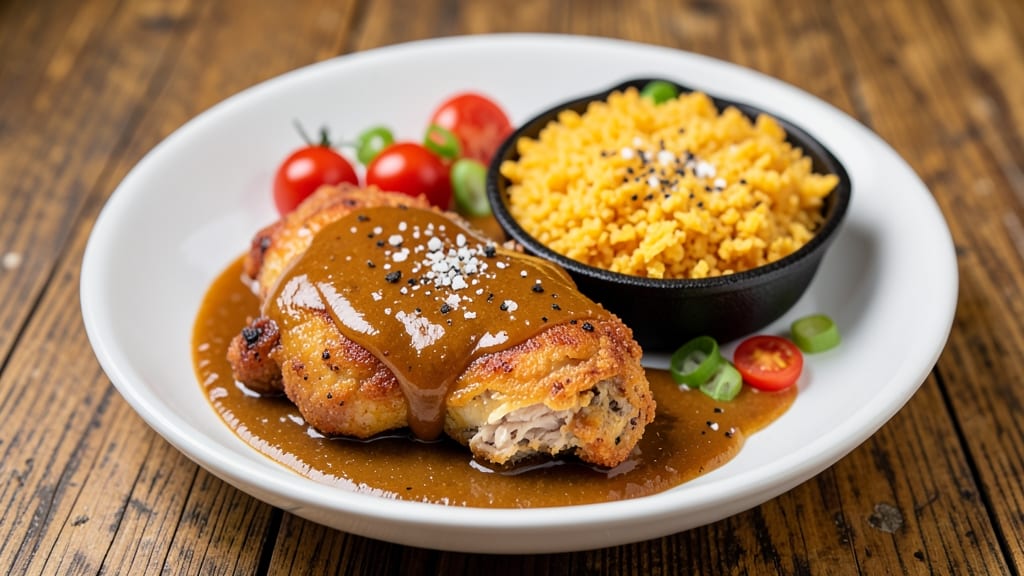
This Church's Chicken Sauce Recipe delivers that signature tangy-sweet glaze that transforms crispy fried chicken into a restaurant-worthy masterpiece.
The secret lies in a rich, velvety base built from butter, flour, and chicken broth—simmered until thick and glossy, then brightened with vinegar and a touch of sugar for that perfect balance. I developed this version after years of perfecting homemade fried chicken, and the sauce makes all the difference.
The sauce starts with a simple roux—equal parts butter and flour cooked until golden—then gradually incorporates warm chicken broth to create a smooth, lump-free foundation.
What sets this apart is the tangy kick from apple cider vinegar and a hint of garlic powder, which mirrors the bold flavor of the original while keeping it approachable for home cooks.
The result is a sauce that clings beautifully to crispy chicken, soaking into every bite without overpowering the natural flavor.
By the time you drizzle this glossy, tangy-sweet sauce over your fried chicken, you’ll have a dish that tastes like it came straight from a Southern kitchen. It’s versatile too—use it as a dip for crispy tenders, a drizzle for roasted chicken, or even a glaze for grilled meats.
The sauce thickens perfectly when reheated, making it ideal for meal prep or serving at gatherings.
For best results, let the sauce simmer until it reaches a glossy consistency—this ensures it coats the chicken evenly and delivers that signature sticky texture.
A splash of hot sauce or extra vinegar at the end can adjust the tang to your preference, giving you full control over the flavor balance. Let’s make this sauce!
Ingredients for church's chicken sauce
Rich, velvety sauce with just a handful of pantry staples. Tangy, sweet, and perfect for crispy chicken.
| Ingredient | Amount | Notes |
|---|---|---|
| Unsalted Butter 🧈 | ½ cup | Cut into small cubes for roux |
| All-Purpose Flour 🌾 | ½ cup | White or whole wheat works |
| Chicken Broth 💧 | 1 ½ cups | Low-sodium preferred |
| Apple Cider Vinegar 🍎 | ¼ cup | Bragg or store brand works |
| Granulated Sugar 🍚 | ¼ cup | White or brown sugar |
| Garlic Powder 🧄 | 1 tbsp | Fresh garlic for stronger flavor |
| Onion Powder 🧅 | 1 tsp | For depth of flavor |
| Salt 🧂 | ½ tsp | Kosher or sea salt |
| Black Pepper 🌶️ | ¼ tsp | Freshly ground preferred |
| Hot Sauce 🔥 | 1 tbsp | Optional for extra heat |
The butter and flour are your foundation here. Use unsalted butter—it gives you control over the salt level. King Arthur flour works best for a smooth roux, but any all-purpose will do. Chicken broth? Homemade is ideal, but Swanson or Pacific Foods cans are solid shortcuts. The apple cider vinegar is non-negotiable for that signature tang—Bragg is my go-to, but any brand works. For the sugar, I usually grab white, but light brown adds subtle caramel notes if you're feeling fancy. The garlic and onion powders are just for depth—don’t overthink it.
No apple cider vinegar? White vinegar or lemon juice will work in a pinch, but it won’t taste quite the same. Short on sugar? Honey or maple syrup at half the amount adds a different sweetness. The hot sauce is totally optional—Frank’s RedHot or Crystal are my picks, but any brand you like will do. If you’re making a big batch, double the ingredients and store the extra sauce in the fridge for up to 1 week. The roux is where things can go wrong—cook it low and slow until it’s golden but not browned, or you’ll taste burnt flour.
This sauce reheats beautifully—just warm it on the stove with a splash of water or broth to loosen it up. It thickens as it cools, so don’t stress if it looks too thin right after making. Store in an airtight container in the fridge for 5-7 days, or freeze for up to 3 months. I like to make a double batch because it’s perfect for dipping, drizzling, or even using as a glaze for grilled shrimp. The flavor actually improves after sitting overnight, so plan ahead if you’re serving it at a gathering.
Why You'll Love This Recipe
- One-Pot Magic: I love that this sauce comes together in just one pan—no extra bowls or cleanup chaos. The roux step takes a little focus, but once that golden flour-butter mix is done, the rest is just whisking and simmering. My kitchen stays tidy, and honestly, that’s half the battle when I’m already stretched thin.
- Tangy-Sweet Perfection: That balance of sweetness from the granulated sugar and the sharp kick from the apple cider vinegar? Chef’s kiss. The garlic and onion powders add depth without overpowering, and the hot sauce gives it that little extra zing that makes it unforgettable. It’s the kind of sauce that makes you want to eat it straight from the pan.
- Feeds a Crowd: This recipe doubles like a dream, and suddenly you’ve got enough sauce to drown a whole platter of fried chicken—or use it for dipping wings, tacos, or even drizzling over mac and cheese. My family of four? They’ll devour it in one sitting, and I’ll have leftovers for days. It’s the kind of meal that disappears fast, but the sauce keeps coming back for more.
- Budget-Friendly Luxury: A few simple ingredients—some of which I already have on hand—and suddenly you’ve got a restaurant-quality sauce. No expensive bottles or specialty items here. The unsalted butter and flour are pantry staples, and the vinegar and sugar? They stretch farther than you’d think. It’s the kind of recipe that makes me feel fancy without breaking the bank.
Step-by-step instructions for Church's chicken sauce
This tangy-sweet glaze delivers that iconic Church's flavor—rich, crispy, and packed with bold taste.
Create the Roux for Thickness and Depth
Melt the ½ cup unsalted butter in a medium saucepan over medium heat. Once fully melted and foaming subsides, whisk in the ½ cup all-purpose flour all at once. Stir constantly for 2-3 minutes until the mixture turns a deep golden brown—this is your roux. You'll notice it smells nutty and rich, which means the flour is properly toasted and ready to absorb the broth.
Here's the thing—don't rush this step. If the roux darkens too quickly, reduce the heat slightly. A properly cooked roux is the foundation of this sauce's velvety texture. Once it reaches that perfect golden-brown color, you're ready for the next step. I like to taste it at this point—it should be nutty and slightly bitter, with no raw flour flavor remaining.
Slowly Incorporate Broth and Seasonings
Gradually whisk in the 1½ cups chicken broth, about ½ cup at a time, allowing each addition to fully incorporate before adding more. This slow process prevents lumps from forming and ensures a smooth sauce. As you whisk, you'll see the roux transform into a thick, glossy mixture. Bring everything to a gentle simmer and let it cook uncovered for 5-7 minutes, stirring occasionally.
Now add the ¼ cup granulated sugar, 1 tbsp garlic powder, 1 tsp onion powder, ½ tsp salt, and ¼ tsp black pepper. Stir well to combine. The sauce should begin to bubble gently and thicken further. This is where the flavors start to meld together—sweet, savory, and aromatic. Let it simmer for another 3-5 minutes until it reaches your desired consistency. It should coat the back of a spoon but still be pourable enough to glaze crispy chicken.
Balance with Vinegar and Hot Sauce
Remove the saucepan from heat and stir in the ¼ cup apple cider vinegar and 1 tbsp hot sauce. The vinegar adds that signature tangy brightness, cutting through the richness of the butter and sugar. The hot sauce brings a subtle kick that elevates the entire dish. Taste as you go—this is where you can adjust the balance. If it needs more sweetness, add a pinch more sugar. If it's too sharp, a splash more broth will help.
Return the sauce to low heat and let it simmer gently for another 2 minutes to fully incorporate all the flavors. The sauce should now have a glossy sheen and a perfect balance of sweet, tangy, and spicy notes. If you're using this sauce for crispy chicken, now is the time to test it. Dip a piece of your fried chicken into the sauce and taste—it should coat beautifully and complement the crispy exterior without overpowering it.
Strain and Rest for Smooth Perfection
For the smoothest texture, strain the sauce through a fine-mesh sieve into a clean saucepan. This removes any lumps and gives you that silky consistency that clings perfectly to crispy chicken. Return the strained sauce to low heat and let it simmer gently for another 2-3 minutes to ensure all the flavors are fully integrated.
Transfer the sauce to a serving dish and let it cool slightly. The sauce will thicken as it cools, so don't worry if it looks a bit thin right now. Once it reaches room temperature, it's ready to use. This sauce keeps well in the refrigerator for up to 5 days, so you can make a big batch and use it whenever you're craving that classic Church's flavor. The key to using it later is to reheat it gently over low heat, stirring occasionally, until it's warmed through and smooth again.
Pro Tips For Making Church'S Chicken Sauce
- Whisk Like You Mean It: The second you add the 1½ cups chicken broth to your roux, grab that whisk and move it like you’re stirring a pot of gold—slow, steady, and never stopping. I’ve seen people dump it all in at once and end up with a lumpy mess that takes forever to fix. Half-cup at a time, let it fully blend before adding more, or you’ll regret it when your sauce looks like it’s got texture issues.
- Cube That Butter: Cutting your ½ cup unsalted butter into small cubes isn’t just for show—it melts faster and more evenly, so your roux doesn’t turn into a greasy, uneven disaster. Big chunks mean some parts of your flour won’t toast properly, and that’s when your sauce tastes flat. Trust me, this tiny step makes a real difference in that nutty, rich foundation.
- Taste Before You Strain: Skip the straining step if your sauce is already smooth—sometimes forcing it through a sieve makes it watery. Instead, taste it first: if it’s silky and clings to your spoon, you’re good. Only strain if you see grit or stubborn lumps, or if you’re serving it over something delicate like mashed potatoes. Otherwise, you might thin out that perfect glaze you just worked so hard to make.
- Vinegar Last, Heat Low: Adding the ¼ cup apple cider vinegar off the heat is non-negotiable—it’s volatile stuff, and cooking it too long turns your sauce sour before you can say “Church’s.” After stirring it in, just warm it back up gently for those 2 minutes. I learned this the hard way when my sauce ended up tasting like a science experiment gone wrong. Low heat, patience, and a taste test are your friends here.
Storing and reheating this recipe
Refrigerator Storage
Transfer your sauce to a clean, airtight container like a glass Pyrex dish or Weck jars to maintain freshness. Let it cool to room temperature first—this prevents condensation and keeps flavors intact. Store in the fridge for up to 5-7 days for that perfect balance of tangy and sweet.
I always make a double batch because it’s perfect for meal prep or unexpected guests. 🍽️
Freezer Preservation
For longer storage, freeze your sauce in 1-cup portions using silicone molds or flat freezer bags. This makes it easy to grab just what you need later. Label with the date—it stays fresh for up to 3 months.
When ready to use, thaw overnight in the fridge or microwave on low power. Freezing actually enhances the flavors, making it taste even richer when you reheat it.
Reheating Like a Pro
Gently warm your sauce on the stovetop over low heat in a small saucepan, stirring occasionally. Add 1-2 tablespoons of water or chicken broth if it thickens too much. Avoid high heat—this can make it grainy.
I like to reheat it just until bubbly, about 3-5 minutes, then taste and adjust seasoning if needed. This method keeps the sauce silky smooth. 🔥
Microwave Shortcut
For quick reheating, use a microwave-safe dish and cover loosely with a damp paper towel. Heat on 50% power in 30-second intervals, stirring between each. Start with 1 minute total and check the texture—it should be warm through but still pourable.
This method works best for smaller portions and saves time when you're short on stove space.
Texture Adjustments
If your reheated sauce is too thin, simmer it uncovered for 1-2 minutes to reduce slightly. For extra richness, stir in a teaspoon of butter while warming. If it’s too thick, thin it with a splash of broth or vinegar.
The key is to reheat gently—this preserves the sauce’s velvety texture and prevents clumping. I always taste it before serving to ensure the perfect balance of sweet and tangy.
Versatile Reuse Tips
This sauce isn’t just for chicken! Use it as a dip for crispy fries, a glaze for grilled meats, or even a marinade for wings. Store any leftovers in the fridge for up to 3 days after reheating.
I love using it to add flavor to mashed potatoes or as a drizzle over roasted vegetables. The possibilities are endless once you’ve mastered the basics. 💛
Nutrition facts
Frequently asked questions
Why does my sauce turn out grainy after reheating?
Graininess usually happens when reheating too quickly or at high heat. Always warm your sauce gently over low heat, stirring constantly, and add 1-2 tablespoons of water or broth if it thickens too much. Avoid microwaving unless using the 30-second interval method with a damp paper towel. This keeps the sauce silky smooth!
Can I use white vinegar instead of apple cider vinegar?
Yes, but it won’t taste exactly the same. White vinegar works in a pinch, but apple cider vinegar adds a subtle fruitiness that enhances the tangy-sweet balance. If you must substitute, use the same ¼ cup amount, but taste and adjust with a pinch more sugar if needed.
How do I adjust the sweetness level if my sauce is too sweet?
If your sauce tastes overly sweet, add 1-2 tablespoons of chicken broth while simmering to dilute it. For a more balanced tang, stir in an extra ½ teaspoon of apple cider vinegar. Taste as you go—small adjustments make the biggest difference!
What’s the best way to store leftover sauce for later use?
Let the sauce cool completely before transferring it to an airtight container. Store in the fridge for up to 5-7 days or freeze in portions for up to 3 months. For best results, reheat gently on the stove with a splash of broth to restore its glossy texture.