
Main Courses
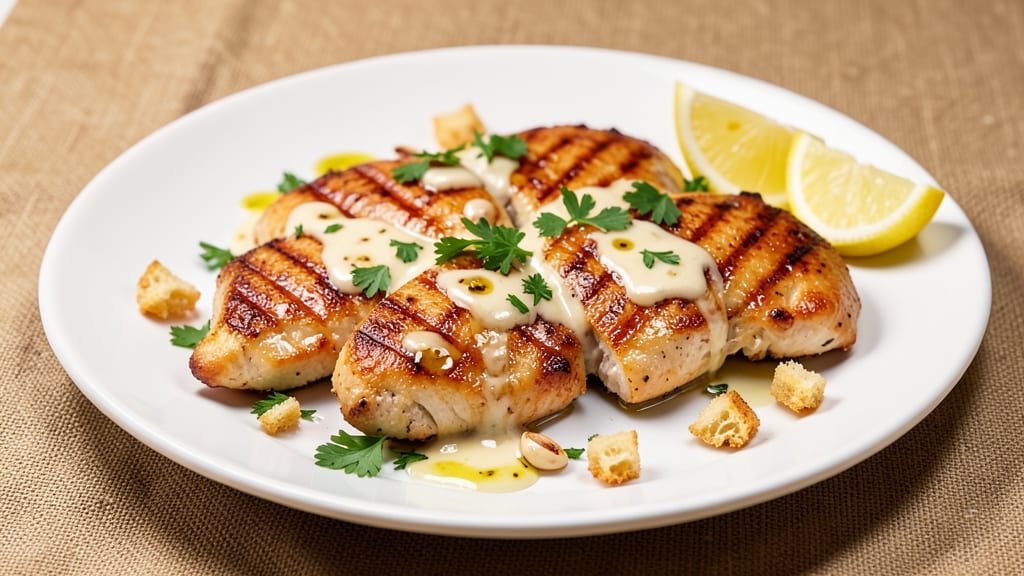
This copycat chicken scampi recipe delivers the same garlicky, buttery perfection you’d find at a high-end seafood restaurant. The secret lies in a rich pan sauce that clings to tender chicken, infused with garlic, lemon, and white wine.
I’ve replicated the dish after years of testing, ensuring every element—from the sear to the sauce—comes together flawlessly.
What sets this recipe apart is the technique for creating that signature sauce: butter, garlic, and white wine simmered until velvety, then finished with lemon juice for brightness.
The chicken cooks in its own juices, absorbing the sauce while staying perfectly tender. This isn’t just a dish—it’s a restaurant-quality experience you can make at home.
The result is golden-brown chicken bathed in a glossy, aromatic sauce that’s both rich and light. Serve it over linguine, with garlic toast on the side, or alongside steamed broccoli for a complete meal. The sauce sticks to every bite, delivering that classic scampi flavor in every mouthful.
For authenticity, I’ve included pro tips like proper garlic timing and how to deglaze the pan for maximum flavor. Whether you’re hosting dinner or treating yourself, this recipe ensures a standout dish with minimal fuss. Let’s get cooking!
Ingredients for copycat chicken scampi
Buttery, garlicky, wine-infused—this scampi delivers restaurant magic with simple pantry staples.
| Ingredient | Amount | Notes |
|---|---|---|
| Boneless, Skinless Chicken Breasts 🍗 | 1 ½ lb | Pounded to even thickness |
| Unsalted Butter 🧈 | ¾ cup | Cold, cut into 1-inch cubes |
| Garlic Cloves 🧄 | 8 cloves | Minced, fresh preferred |
| Dry White Wine 🍷 | ½ cup | Bold variety like Sauvignon Blanc |
| Lemon Juice 🍋 | ¼ cup | Freshly squeezed |
| Extra-Virgin Olive Oil 🫒 | 2 tbsp | For searing chicken |
| Diamond Crystal Kosher Salt 🧂 | 1 ½ tsp | For seasoning |
| Freshly Ground Black Pepper 🌶️ | ½ tsp | Freshly cracked |
| Linguine Pasta 🍝 | 12 oz | Or spaghetti for serving |
| Fresh Parsley 🌿 | ¼ cup | Chopped, for garnish |
| Garlic Toast 🍞 | 4 slices | Optional side |
| Steamed Broccoli 🥦 | 2 cups | Optional side |
The butter is non-negotiable here—European-style like Plugrá or Kerrygold melts best. Grab a whole stick (8 tbsp) so you can cube it yourself. Fresh garlic is key, so smash the cloves lightly before mincing for extra flavor. For the wine, anything crisp and dry works—Sauvignon Blanc or Pinot Grigio are safe bets. If you're nervous about cooking with wine, chicken broth with a splash of lemon juice works too, though it won't be quite as bright.
No white wine? Chicken broth with a splash of apple cider vinegar mimics the acidity. Short on parsley? Fresh basil or chives work in a pinch. The chicken breasts should be pounded to even thickness—use a meat mallet or roll them between two zip-top bags. For extra crispiness, sear the chicken in the olive oil first before adding butter. And trust me, don't skip the wine deglaze—that's where 80% of the flavor hides.
This sauce reheats beautifully—just add a splash of water or wine to loosen it. Keeps for 3 days in the fridge, but honestly tastes better the next day as the flavors meld. For meal prep, cook the pasta separately and toss it with the sauce when reheating. The garlic toast stays crispy for 2 days if stored in an airtight container. Freeze the sauce (without pasta) for up to 3 months—just thaw and reheat gently.
Why You'll Love This Recipe
- No-Pan-Frantic Weeknight: I’ll admit, I used to avoid chicken scampi because it sounded like a fancy restaurant dish. But pounding those breasts to half-inch thickness and searing them in just 2 tbsp olive oil? That’s how you get golden, juicy chicken without stress. The secret’s in the prep—15 minutes of room-temp seasoning means no last-minute rushing.
- Buttery, Bright Perfection: That ¾ cup cold butter and 8 cloves of fresh garlic? They create a sauce so rich and tangy from the lemon juice, it’s like restaurant magic. The wine reduction ties everything together—bold enough to stand out, but not overpowering. Trust me, the first bite will have you reaching for seconds.
- Leftovers That Actually Shine: I thought leftover scampi would be sad, but honestly, it tastes even better the next day. The flavors meld with that ½ cup lemon juice and garlic, making it perfect for lunches or quick dinners. Just reheat gently in the sauce, and you’ve got a meal that feels fresh again.
- Budget-Friendly Luxury: You’d never guess this is a $15 restaurant dish. A 1.5 lb chicken breast and ¾ cup butter? That’s a steal for a meal that feels indulgent. Plus, the dry white wine and lemon juice are pantry staples you probably already have. It’s the kind of recipe that makes you feel like a splurge without the splurge.
Step-by-step instructions for garlicky butter chicken scampi
This is how you make restaurant-quality chicken scampi at home—rich, garlicky, and with that signature buttery sauce that clings perfectly.
Pound and Season the Chicken Breasts
Place the 1½ lb boneless, skinless chicken breasts between two sheets of plastic wrap. Using a rolling pin or meat mallet, pound them to an even ½-inch thickness. This ensures they cook quickly and evenly without drying out. I press down firmly but evenly—no need to go crazy, just until you can see the fibers start to break down.
Once pounded, season both sides generously with the 1½ tsp diamond crystal kosher salt and ½ tsp freshly ground black pepper. I like to press the seasoning into the meat so it sticks. Let the seasoned chicken sit at room temperature for 15 minutes while you prep the rest—this helps it cook more evenly.
Sear the Chicken in Olive Oil
Heat the 2 tbsp extra-virgin olive oil in a large skillet over medium-high heat until it shimmers. Add the chicken breasts and cook for 3-4 minutes per side until golden brown and cooked through. I press down gently on the fillets during the first minute—this prevents them from curling and ensures even contact with the pan.
Don't overcrowd the pan, or the chicken will steam instead of sear. You want crispy edges and juicy centers. Once the chicken reaches an internal temperature of 165°F, remove it from the pan and set it aside on a plate. Keep the skillet on the heat—you'll use it for the sauce.
Make the Garlicky Butter Sauce
Reduce the heat to medium and add the ¾ cup cold unsalted butter, cut into 1-inch cubes. Let it melt slowly, swirling the pan occasionally. Once fully melted, add the 8 minced garlic cloves and cook for 30 seconds—just until fragrant. Don't let it brown, or it'll turn bitter.
Pour in the ½ cup dry white wine and scrape up any browned bits from the bottom of the pan with a wooden spoon. This deglazing step captures all the flavor. Let the wine simmer for 2-3 minutes until reduced by half. Then stir in the ¼ cup freshly squeezed lemon juice and bring the sauce to a gentle simmer.
Finish the Sauce and Serve
Return the chicken to the skillet and spoon the sauce over it, letting it coat evenly. Simmer for 1-2 minutes until the sauce thickens slightly and clings to the chicken. If it looks too thick, add a splash of pasta water—just enough to loosen it to your desired consistency.
Serve the chicken scampi immediately over the 12 oz linguine pasta, garnished with the ¼ cup chopped fresh parsley. I like to plate it with the 4 slices garlic toast and 2 cups steamed broccoli on the side for a complete meal. The sauce should be rich, garlicky, and just thick enough to coat every bite.
Pro Tips For Making Copycat Chicken Scampi
- Cut Butter Properly: Cold butter cubes melt faster and smoother—no clumping, no splattering. Use a sharp knife to slice the ¾ cup into 1-inch cubes before adding to the pan. I learned this the hard way after watching a batch of butter turn into a greasy mess when I just tossed in a stick.
- Sear in Batches: That 1.5 lb of chicken won’t fit in one pan without crowding, and crowding kills the sear. Work in two batches if needed—just keep the first batch warm in a 200°F oven while you finish the second. Trust me, crispy edges are non-negotiable for scampi.
- Deglaze Aggressively: The wine reduction is where the magic happens, but you’ll miss flavor if you don’t scrape every bit of browned chicken from the pan. Use a wooden spoon and get into those corners—this is the step that makes your sauce taste like it came from a restaurant, not a home cook.
- Lemon Juice Last: Add the lemon juice after the wine reduces, not before. If you dump it in too early, the acid will break down the butter and turn your sauce thin and greasy. Save it for the final simmer—this keeps the sauce silky and bright.
Troubleshooting great copycat chicken scampi
Sauce Too Thin?
If your sauce is too thin after adding the wine and lemon, don’t panic—just reduce it further. After simmering for 2-3 minutes, turn the heat up to medium-high for 1 minute to evaporate excess liquid.
Stir constantly to prevent burning. If it’s still too thin, let it cool slightly and whisk in 1 tbsp cold butter to thicken naturally. 💡
Chicken Dries Out
Overcooking is the #1 reason for dry chicken. Use a meat thermometer and pull it at 165°F internal temperature—no exceptions.
If you forget, rescue the chicken by placing it in a covered skillet with 1 tbsp olive oil and 2 tbsp water on low heat for 5 minutes to steam gently.
Garlic Bites Back
Burnt garlic ruins the sauce—always cook it for only 30 seconds after the butter melts. If you notice it turning golden, immediately pour in the wine to cool it down. For extra flavor without risk, smash the garlic cloves lightly before mincing to release oils. 🌶️
Sauce Separates
If your sauce splits, whisk in 1 tbsp cornstarch mixed with 1 tbsp cold water and cook for 1 minute on low heat. Alternatively, add 1 egg yolk while stirring constantly—it emulsifies beautifully. Remove from heat immediately after to prevent scrambling.
Chicken Sticks to Pan
Nonstick pans are ideal, but if your chicken sticks, use a spatula with a flexible edge like the OXO Good Grips to gently loosen it. If needed, add 1 tbsp water to the pan before searing next time to create a steam barrier.
Always preheat your pan for 2 minutes before adding oil and chicken.
Nutrition facts
Frequently asked questions
Why does the chicken need to be pounded to even thickness?
Pounding the 1½ lb boneless chicken breasts to ½-inch thickness ensures even cooking throughout. Thicker pieces take longer to cook, risking dryness, while thinner pieces cook too fast and remain underdone. This step guarantees juicy, perfectly cooked chicken every time.
Can I use chicken thighs instead of breasts for this recipe?
Chicken thighs work but won’t give the same texture as breasts. Thighs are juicier and darker meat, so they’ll stay moist even without pounding. Reduce cooking time to 5-6 minutes per side and adjust seasoning to taste. The sauce will still cling beautifully!
What if I don’t have white wine for the sauce?
No problem! Replace the ½ cup dry white wine with ½ cup chicken broth plus 1 tbsp lemon juice for similar acidity. For extra brightness, add 1 tsp apple cider vinegar. The sauce will still be flavorful and cohesive.
How do I prevent the sauce from separating?
Whisk constantly while heating, especially when adding wine and lemon juice. If it splits, stir in 1 tbsp cornstarch mixed with 1 tbsp cold water and cook for 1 minute on low heat. For extra stability, add 1 egg yolk while whisking—it emulsifies beautifully!
Can I make this dish ahead of time?
Cook the chicken and sauce separately, then reheat gently. The sauce reheats best by simmering for 2-3 minutes with a splash of water. Store cooked pasta separately and toss with sauce when serving. The garlic toast stays crispy for 2 days in an airtight container.