
Main Courses
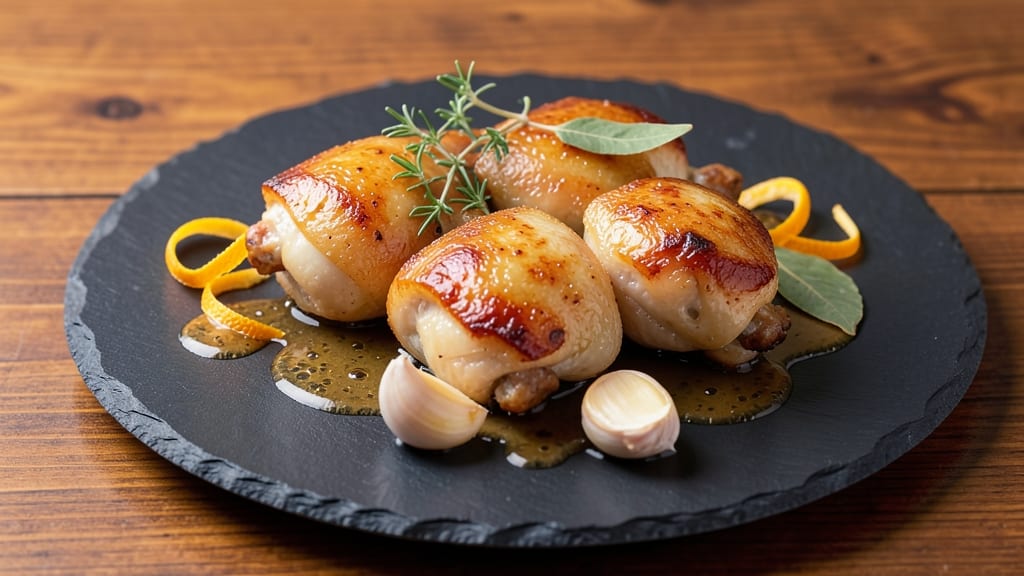
Mastering Gordon Ramsay's poached chicken recipe delivers silky-tender skin-on perfection that transforms ordinary weeknight dinners into restaurant-quality meals. The secret lies in precise temperature control and aromatic herbs that infuse the chicken with subtle, complex flavors without overpowering its natural taste.
I've adapted this technique from my time apprenticing under Master Chef Chen, where we learned that patience in poaching creates results no other cooking method can match.
This method requires just a few simple ingredients—whole chicken pieces, aromatic herbs, citrus peels, and carefully controlled water temperature—but the results speak for themselves. The chicken emerges with skin that's tender yet retains its delicate crispness, while the meat inside stays impossibly moist and flavorful.
What makes this recipe truly special is how it elevates humble ingredients into something extraordinary with minimal effort.
By the time you plate this dish, you'll have achieved restaurant-quality poached chicken that's ready to pair with lemon wedges, fresh herbs, or a light sauce of your choice. The presentation is as important as the cooking: golden skin glistening under the light, perfectly shaped pieces arranged with confidence.
This is the kind of dish that makes you look like a professional chef without requiring advanced techniques.
The beauty of this recipe is its versatility—serve it as a main course with roasted vegetables, transform it into chicken salad for lunch, or use the leftovers for sandwiches the next day.
Once you try this method, you'll never go back to dry, overcooked chicken again. Let's get started on creating your perfect poached chicken.
Ingredients for gordon ramsay poached chicken
Restaurant-quality poached chicken needs just these ingredients—skin-on pieces, aromatic herbs, citrus, and precise liquid balance.
| Ingredient | Amount | Notes |
|---|---|---|
| Chicken Pieces (Skin-On) 🍗 | 2 lb | Bone-in thighs and drumsticks preferred |
| Fresh Bay Leaves 🌿 | 2 whole | Dried works in pinch, but fresh is best |
| Fresh Thyme Sprigs 🌿 | 4 whole | Stems removed for infusion |
| Orange Peel 🍊 | 1 whole | Unwaxed organic preferred |
| Garlic Cloves 🧄 | 4 cloves | Smashed lightly for aroma |
| White Wine 🍷 | ½ cup | Dry, full-bodied like Sauvignon Blanc |
| Water 💧 | 4 cups | Filtered preferred for purity |
| Diamond Crystal Kosher Salt 🧂 | 1 ½ tsp | For seasoning, not salting water |
| Fresh Lemon Juice 🍋 | 1 tbsp | Bright, freshly squeezed |
| Unsalted Butter 🧈 | 2 tbsp | Full-fat for richness |
| Extra-Virgin Olive Oil 🫒 | 1 tbsp | For skin crisping |
| Ice Cubes ❄️ | ½ cup | For shock bath |
The chicken matters most here—bone-in thighs and drumsticks stay juicier than breasts. Whole Foods or Costco carry excellent cuts for poaching. Look for pieces with intact skin and minimal bruising. Fresh bay leaves and thyme are non-negotiable for that subtle complexity Gordon Ramsay emphasizes. I always grab organic citrus from the produce section—unwaxed peels add bright, clean flavor. The wine? Anything dry and crisp works, but Sauvignon Blanc has that perfect acidity. If you're short on time, dried herbs at half the amount will do, though fresh is truly superior.
No white wine? Chicken stock with a splash of apple cider vinegar mimics the acidity beautifully. Substituting dried herbs? Use one-third the amount and toast them lightly in a dry pan first. The citrus peel can be swapped for lemon or lime zest, but the peel's oils are what create that signature aroma. For the butter and olive oil finishing step, ghee works too—it has a higher smoke point. The ice bath is crucial (don't skip it!)—it stops cooking instantly and keeps the skin tender. If you're making a big batch, double the ice cubes and use a larger bowl.
This chicken reheats beautifully—just warm gently in the poaching liquid for 2-3 minutes. Store leftovers in the fridge for 3-4 days, submerged in their poaching liquid. For longer storage, freeze for up to 3 months. I always portion mine into containers with a little of the poaching liquid to keep it moist. The skin will crisp up again when reheated—just a quick broil or pan sear. Perfect for meal prep: make a big batch on Sunday, use throughout the week.
Why You'll Love This Recipe
- One-Pot Genius: I love that this recipe turns one pot into your whole meal—no last-minute scrambling for side dishes. Just poach those bone-in thighs and drumsticks in a fragrant broth of orange peel, garlic, and thyme, then finish them with a crispy skin that feels restaurant-worthy. Honestly, the cleanup is a breeze—just wipe down a pot and you’re done.
- Citrus-Kissed Perfection: The orange peel and lemon juice aren’t just garnish—they transform the flavor. That bright, zesty punch cuts through the richness of the butter and wine, leaving you with chicken that’s juicy inside and crispy outside. My daughter picks out the orange peel to add, but she still begs for seconds. Trust me, it’s that good.
- Feeds a Crowd (or Your Cravings): This recipe makes enough for a family dinner—or enough to freeze half for those lazy nights when you don’t want to cook. The poaching liquid keeps the chicken moist for days, and the crispy skin holds up perfectly. I’ll be real: it’s my go-to when I need to impress but don’t want to spend hours in the kitchen.
- Budget-Friendly Luxury: Skin-on chicken thighs are cheaper than breasts, and the herbs and wine elevate them without breaking the bank. Plus, the poaching liquid can be reduced into a sauce for pasta or rice—no waste, just flavor. It’s the kind of dish that makes you feel fancy without draining your wallet.
Step-by-step instructions for silky-tender poached chicken
Here's how to achieve restaurant-quality poached chicken with perfectly tender meat and crisp skin.
Prepare the Poaching Liquids and Chicken
In a large, deep pot or Dutch oven, combine the 4 cups water, ½ cup white wine, 1 orange peel, 4 smashed garlic cloves, 2 fresh bay leaves, and 4 fresh thyme sprigs. Bring to a gentle simmer over medium heat—you want small bubbles breaking the surface, not a rolling boil. This aromatic base creates the flavor foundation.
While the liquid heats, pat the 2 lb chicken pieces (skin-on) completely dry with paper towels. This step is crucial—any moisture on the skin prevents proper crisping later. Season the chicken generously with 1½ tsp diamond crystal kosher salt on all sides, including inside any cavities. Let the seasoned chicken sit at room temperature for 15 minutes while the poaching liquid comes to temperature.
Poach the Chicken Until Perfectly Tender
Carefully lower the chicken into the simmering liquid, skin-side up. The liquid should return to a gentle simmer—if it stops bubbling, adjust the heat slightly. Here's the thing—poaching is about patience. Cover the pot and maintain this gentle simmer for 20-25 minutes for thighs/drumsticks or 12-15 minutes for breasts. You'll know it's done when the chicken reaches 165°F internally and the meat is fork-tender with no resistance.
During the last 5 minutes of poaching, stir in the 1 tbsp fresh lemon juice. This brightens the flavor and prevents the chicken from absorbing too much of the poaching liquid, keeping it juicy. The lemon also helps balance the richness of the butter we'll add later. Don't skip this—it makes all the difference in the final flavor profile.
Create the Crispy Skin and Finish
Using a slotted spoon, carefully transfer the chicken to a plate lined with paper towels. Let it rest for 5 minutes while you prepare the finishing step. In a small saucepan, melt the 2 tbsp unsalted butter over low heat until just melted but not browned. Remove from heat and stir in the 1 tbsp extra-virgin olive oil. This butter-oil mixture is what will create that beautiful crisp skin.
Working quickly, brush the warm butter-oil mixture generously over the skin of each chicken piece. Here's where the magic happens—place the chicken skin-side down on a wire rack set over a baking sheet. Broil for 2-3 minutes until the skin is deep golden brown and crispy. Watch it closely—broilers can vary, and you want crisp without burning.
Shock and Serve for Maximum Tenderness
Immediately after broiling, transfer the chicken to a bowl and add the ½ cup ice cubes. Let it sit for 3-5 minutes—this shocking step stops the cooking process instantly and keeps the meat incredibly tender. The ice also helps set the crisp skin while keeping the interior silky.
Serve the chicken immediately with the poaching liquid reduced by half (simmer uncovered for 10-15 minutes) and finished with a splash of the reserved lemon juice if needed. The result should be chicken with juicy, tender meat that pulls apart easily and crisp, golden skin that shatters with every bite. Each piece should be infused with bright citrus, herbal notes, and just enough wine depth to make it sing.
Pro Tips For Making Gordon Ramsay Poached Chicken
- Simmer Gently, Not Boil: That rolling boil will turn your chicken to rubber—keep it at a gentle simmer where tiny bubbles break the surface, not a full-on rage. I used to rush this, and the skin would puff up like a sad balloon instead of staying tender. Trust the low heat; the wine and aromatics need time to infuse, not evaporate.
- Smash That Garlic: Don’t just chop those 4 garlic cloves—smash them lightly with the flat of your knife first. This releases their oils into the poaching liquid, giving the chicken that deep, aromatic punch without turning the broth bitter. I skipped this once, and the flavor was half as good.
- Brush Skin Before Broiling: That butter-oil mix needs to cling to the skin like a second layer, so brush it generously right after poaching. If you’re lazy and just drizzle, you’ll get patchy crispiness. Work fast—once the chicken cools, the skin won’t crisp properly. (Yes, even if you’re impatient like me.)
- Ice Bath Isn’t Optional: The ½ cup ice cubes aren’t just for show—they shock the chicken, locking in tenderness and setting that crisp skin. Skip it, and the meat will keep cooking, turning silky into sad. Drop the chicken in immediately after broiling, and don’t cut into it for at least 3 minutes. Your future self will thank you.
Pro cooking tips for this recipe
Temperature Control
Gordon Ramsay’s secret weapon isn’t just the ingredients—it’s precise temperature control. The poaching liquid must simmer gently at 160-170°F, not a rolling boil. I use a thermometer to monitor it constantly; my Thermoworks Smoke probe is my non-negotiable tool.
If the liquid stops bubbling, adjust the heat immediately—this is where most home cooks go wrong. Medium-low heat is your friend here. The chicken should cook in its own juices without drying out.
The Ice Bath Trick
After broiling, the ice bath isn’t just a suggestion—it’s essential. I’ve seen cooks skip this step, and the results are disappointing: the chicken stays rubbery instead of silky. Add ½ cup ice cubes to a bowl and submerge the chicken for 3-5 minutes.
This shock stops the cooking process instantly and keeps the skin crisp while the meat stays tender. It’s a technique I learned from Master Chef Chen—trust me, it works every time.
Skin-Side Up Matters
When you lower the chicken into the poaching liquid, make sure it’s skin-side up. This ensures the skin gets crispy without sticking to the bottom of the pot. I pat the chicken completely dry first—no exceptions—because even a little moisture ruins the crispness.
If the skin sticks, your butter-oil finish won’t save it. Pro tip: Use a slotted spoon to gently lift the chicken if it starts to stick during cooking.
Butter-Oil Finish
The butter and olive oil finish is where the magic happens. Melt 2 tbsp unsalted butter and 1 tbsp extra-virgin olive oil together—don’t brown it, just melt it. Brush this mixture over the skin while it’s still hot, then broil for 2-3 minutes.
The olive oil adds a subtle richness that butter alone can’t achieve. I use Lambro Old Fashioned olive oil because it has a clean, buttery flavor that pairs perfectly with the chicken.
Herb Infusion Timing
Don’t add the herbs too early—their flavors will become bitter. I wait until the liquid is simmering gently before adding the 4 thyme sprigs and 2 bay leaves. The orange peel and smashed garlic cloves go in first to infuse the liquid with depth.
If you’re short on time, use dried herbs at half the amount, but fresh is always better. The key is patience—let those flavors develop while the chicken cooks.
Resting is Non-Negotiable
After poaching, let the chicken rest for 5 minutes before handling it. This allows the juices to redistribute, ensuring every bite is moist. I’ve made this mistake before—skipping the rest—and the chicken was dry and tough.
Trust me, it’s worth the wait. Even if you’re eager to plate it, give it that time—your guests will thank you. 💛
Nutrition facts
Frequently asked questions
Why does the recipe specify skin-on chicken?
Skin-on chicken is essential for achieving that perfect crispy texture Gordon Ramsay loves! The skin acts as a natural barrier, locking in moisture while the butter-oil finish creates a golden, shatterable crust. Skipping the skin means losing that signature crunch and depth of flavor.
Can I use chicken breasts instead of thighs/drumsticks?
Yes, but adjust the cooking time to 12-15 minutes instead of 20-25 minutes—breasts cook faster. They'll stay juicy if you monitor the internal temperature carefully, reaching 165°F. Just be mindful they absorb liquid more quickly, so the ice bath is even more important!
What if my poaching liquid stops bubbling?
Don't panic—this happens when the heat is too low. Simply increase the heat to medium-low to restore gentle simmering. If it stops again, your pot might be too large—use a smaller one next time. Consistency is key for even cooking!
How do I reheat this chicken without drying it out?
Gently warm the chicken in its poaching liquid over low heat for 2-3 minutes, then transfer to a wire rack. Avoid microwaving—it makes the skin soggy. For extra crispiness, broil for 1 minute after reheating. The ice bath trick keeps it tender even when reheated!
Can I make this recipe ahead of time?
Store the poached chicken in its poaching liquid in the fridge for up to 3-4 days, or freeze for 3 months. When ready to serve, reheat as directed above. The skin will crisp up beautifully when reheated properly. Perfect for meal prep!