
Sauces & Condiments
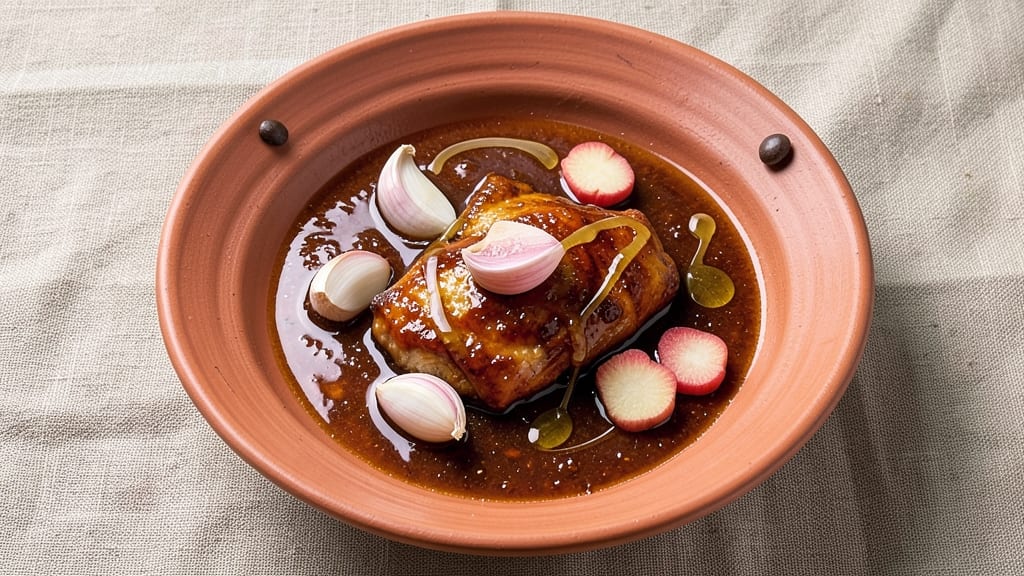
This hibachi chicken marinade recipe transforms ordinary chicken into restaurant-quality bites with its perfectly balanced sweet-savory glaze that caramelizes beautifully. The secret lies in the harmony of soy sauce, honey, and aromatic spices that penetrate the meat while developing a glossy, sticky finish.
I created this marinade after years of testing—it’s the one that finally delivers that signature hibachi flavor at home, without the fuss of a full meal prep.
The magic happens when you combine simple pantry staples like garlic, ginger, and sesame oil with a touch of brown sugar for depth. This marinade works in just 15 minutes of prep, then lets the flavors meld while you cook—no waiting hours.
The result? Chicken that’s tender, juicy, and coated in a glaze so rich it’ll have everyone asking for seconds. It’s the kind of sauce that elevates grilled, pan-seared, or even air-fried chicken to hibachi perfection.
What makes this marinade truly special is its versatility—it’s just as effective for quick weeknight dinners as it is for weekend entertaining. The caramelized glaze clings to the chicken, creating pockets of flavor in every bite, while the aromatic spices add layers of complexity.
Whether you’re serving it over rice, in lettuce wraps, or as skewers, this marinade guarantees a standout dish that tastes like it came straight from a hibachi grill.
Ready to take your chicken from ordinary to extraordinary? This marinade is your secret weapon—simple to make, foolproof to apply, and guaranteed to deliver that perfect hibachi finish. Let’s get started on creating a sauce that’ll make your chicken the star of any meal.
Ingredients for hibachi chicken marinade
Pantry staples meet restaurant magic in this sticky-sweet hibachi glaze.
| Ingredient | Amount | Notes |
|---|---|---|
| Soy Sauce 🍶 | ½ cup | High-quality, light or regular |
| Honey 🍯 | ⅓ cup | Pure, liquid honey preferred |
| Brown Sugar 🍚 | ¼ cup | Packed, light or dark |
| Sesame Oil 🫒 | 2 tbsp | Toasted sesame oil for aroma |
| Garlic Cloves 🧄 | 6 cloves | Freshly minced, not pre-minced |
| Fresh Ginger 🌿 | 2 tbsp | Grated, not powdered |
| Rice Vinegar 🍶 | 2 tbsp | White rice vinegar preferred |
| Sesame Seeds 🌰 | 1 tbsp | Toasted for garnish |
| Ground White Pepper 🌶️ | ½ tsp | Freshly ground preferred |
| Salt 🧂 | 1 tsp | Kosher or sea salt |
The soy sauce is the flavor anchor here—Kikkoman or La Choy are solid choices, but anything with good depth works. Honey should be pure, nothing with additives (like that cheap grocery store stuff). For the ginger, freshly grated makes all the difference—powdered just won’t cut it. I usually grab mine from the Asian market where it’s always bright and zesty. Sesame oil can be tricky—toasted is key for that nutty aroma, and the Trader Joe’s brand is my go-to since it’s affordable and reliable. The brown sugar adds that caramelized depth, so don’t skip it—light or dark doesn’t matter here, just make sure it’s packed in the cup.
No soy sauce? Coconut aminos work in a pinch, though it’ll be slightly sweeter. Short on honey? Maple syrup at half the amount keeps things balanced. Fresh ginger not an option? Ground ginger at one-third the amount, but it won’t have the same zing. The sesame oil can be swapped for neutral oil plus extra sesame seeds if you’re out, though it’ll lack that toasty note. For the garlic, pre-minced from a jar is fine if you’re in a rush, but freshly minced always tastes better. The rice vinegar adds brightness—apple cider vinegar is a decent sub, but it’ll taste slightly different. And if you’re worried about the sweetness, the caramelization during cooking will deepen those flavors naturally.
This marinade keeps beautifully—1 week in the fridge in an airtight container. For longer storage, freeze it in ice cube trays and pop out what you need. The flavors actually improve after marinating for at least 4 hours, but overnight is ideal. Just remember, the longer it sits, the more tender your chicken will be. If you’re prepping ahead, store the chicken and marinade separately in the fridge, then combine right before cooking. And trust me, leftovers taste even better the next day—it’s worth making extra.
Why You'll Love This Recipe
- No-Fuss Marinade: Honestly, this marinade is the kind of recipe that makes you feel like a pro without the fuss. Just whisk together the soy sauce, honey, and brown sugar—no fancy gadgets needed—and you’re already halfway there. The rest is just letting flavors hang out for a bit, and honestly, that’s the easy part.
- Sweet-Savory Magic: Between the honey and brown sugar caramelizing into that perfect glaze and the garlic and ginger giving it that umami punch, this marinade hits every note. The sesame oil ties it all together with just the right amount of nuttiness—it’s the kind of dish that makes you go back for seconds without even thinking about it.
- One Marinade, Endless Uses: I marinate chicken for hibachi, but honestly, this works just as well on shrimp, tofu, or even pork chops. It’s the kind of marinade you can pull out for a weeknight dinner, a dinner party, or even just because you’re craving something delicious. And if you have leftovers? Toss them in rice or noodles for an instant meal.
- Budget-Friendly Flavor Bomb: Here’s what sold me—this marinade packs a ton of flavor without breaking the bank. A few pantry staples like soy sauce, honey, and garlic turn plain chicken into something restaurant-worthy. And since the marinade keeps for a week, you can make a big batch and use it over and over without wasting anything.
Step-by-step instructions for hibachi chicken marinade
Here's how to make a marinade that transforms ordinary chicken into restaurant-worthy hibachi perfection.
Combine Wet Ingredients for the Base
In a medium bowl, whisk together the ½ cup soy sauce, ⅓ cup honey, and ¼ cup brown sugar until the sugar dissolves completely. I like to use a fork for this step—it helps break up any sugar crystals that might resist mixing. The mixture should become smooth and slightly syrupy in texture.
Next, add the 2 tbsp rice vinegar and 2 tbsp sesame oil. Stir well to incorporate all ingredients. Here's the thing—this combination creates the perfect balance of sweet, savory, and tangy flavors that define hibachi chicken. The vinegar brightens the sweetness, while the sesame oil adds depth and aroma. Let this mixture sit at room temperature for 5 minutes so the flavors can meld together before moving to the next step.
Add Aromatics and Seasonings
While the wet ingredients rest, use a microplane or fine grater to zest the 2 tbsp fresh ginger directly into the bowl. Then, carefully mince the 6 garlic cloves into small pieces—you want them finely chopped so they distribute evenly throughout the marinade. Add these to the bowl along with the ½ tsp ground white pepper and 1 tsp salt. Stir everything together until fully combined and smooth.
The reason we add the ginger and garlic now is to infuse their flavors into the marinade while it's still liquid. I've found that mincing the garlic finely prevents it from sitting in clumps later. Give it a taste at this stage—it should be sweet, tangy, and slightly spicy with a hint of garlic punch. If it needs more salt, adjust now before proceeding.
Marinate the Chicken Thoroughly
Place your chicken pieces—whether thighs, breasts, or drumsticks—in a resealable plastic bag or shallow dish. Pour the marinade over the chicken, ensuring each piece is fully coated. Here's the key: use your hands to massage the marinade into the chicken, working it into all the crevices and seams. This ensures even flavor distribution and maximum tenderness.
Seal the bag or cover the dish and refrigerate for at least 4 hours, but I recommend marinating overnight for the best results. The longer the chicken sits in this sweet-savory blend, the more flavor it absorbs. During this time, the sugars in the marinade will begin to break down, creating a caramelized crust when you cook the chicken. Don't skip this step—it's what transforms ordinary chicken into hibachi perfection.
Prepare for Cooking (Optional Crust Enhancement)
Before cooking, remove the chicken from the refrigerator and let it sit at room temperature for 15-20 minutes. This helps the chicken cook more evenly. While it's resting, you can optionally brush any leftover marinade onto the chicken pieces. For an extra crispy crust, sprinkle the 1 tbsp sesame seeds evenly over the chicken just before cooking.
The sesame seeds add both texture and visual appeal, giving your hibachi chicken that authentic restaurant look. Here's a pro tip: if you're grilling or broiling the chicken, place it on a wire rack set over a baking sheet. This allows the excess marinade to drip away, preventing flare-ups and ensuring that beautiful caramelization we're after. The result should be chicken with a glossy, sticky-sweet glaze and a perfectly balanced flavor profile.
Pro Tips For Making Hibachi Chicken Marinade
- Whisk the Sugar First: I used to just dump everything in and stir—big mistake. The brown sugar needs to dissolve completely before adding the garlic and ginger, or you’ll end up with gritty bits that ruin the smooth texture. Use a fork to break up any stubborn crystals while whisking, and let the mixture sit for those 5 minutes. Trust me, your marinade will thank you.
- Mince Garlic Like You Mean It: Pre-minced garlic is lazy garlic. Freshly minced 6 cloves into tiny pieces—almost like a paste—so they disperse evenly in the marinade. I learned this the hard way after finding garlic chunks in my bites. A rock of salt on your cutting board keeps it from sliding, and a sharp knife makes this less of a chore.
- Don’t Skip the Room-Temp Rest: Cold chicken straight from the fridge steams instead of caramelizes. Let it sit for 15-20 minutes before cooking, and brush on any leftover marinade while it’s still warm. This step guarantees the glaze sticks and the meat cooks through evenly—no dry, tough surprises here.
- Toast Sesame Seeds Separately: Tossing raw sesame seeds into the marinade just to sprinkle them later is a waste. Toast them in a dry pan over medium heat for 1-2 minutes until fragrant and golden—this amplifies their nutty flavor. Keep them in a small bowl until ready to use, so they don’t soak up the marinade’s moisture and turn soggy.
Essential equipment for perfect results
Microplane for Ginger
Invest in a microplane for grating ginger—it’s a game-changer for this marinade. A OXO Good Grips Microplane ($15) is my go-to because it grates ginger into fine, consistent shreds without turning it into a paste.
This ensures the marinade stays smooth and the ginger’s flavor infuses evenly. I keep mine on my countertop and use it exclusively for ginger, garlic, and citrus zest. 🌿
High-Quality Soy Sauce
Skip the cheap soy sauce—opt for Kikkoman or La Choy for depth and umami. The difference is noticeable in how the marinade clings to the chicken. I store mine in the fridge and use it within 6 months of opening to preserve flavor.
For extra richness, add 1 tsp fish sauce to the marinade—it enhances the savory profile without overpowering. 🍶
Wire Rack for Caramelization
A wire cooling rack placed over a baking sheet is essential for grilling or broiling. It lets excess marinade drip away, preventing flare-ups and ensuring that beautiful caramelization. I use a Stainless Steel Cooling Rack ($10) from Amazon, and it’s become a staple in my kitchen.
This setup also helps create that crispy crust we talked about earlier. 🔥
Digital Scale for Precision
While measuring cups work, a digital kitchen scale ensures accuracy, especially with ingredients like brown sugar or honey. I use a Escali Digital Scale ($20), and it’s helped me perfect the sweet-savory balance.
Weighing ingredients by grams makes a difference in consistency, especially when scaling recipes up or down. The ½ cup soy sauce becomes 120g—small but impactful adjustments! 💡
Resealable Bags for Marinating
For even coating, I always use quart-sized resealable plastic bags like Gladiator Freezer Bags ($10). They’re sturdy, stackable, and let me massage the marinade directly into the chicken. If you’re short on time, a shallow dish works too, but the bag ensures every nook gets flavor.
Pro tip: squeeze out excess air before sealing to prevent freezer burn if storing. 📦
Nutrition facts
Frequently asked questions
How long should I marinate the chicken for best results?
For maximum flavor absorption, marinate the chicken for at least 4 hours, but overnight yields the best results. The longer it sits, the more tender and flavorful your chicken will become. The sugars in the marinade break down during this time, creating that perfect caramelized crust when cooked.
Can I use pre-minced garlic instead of fresh?
While pre-minced garlic works in a pinch, freshly minced garlic always delivers better flavor. The garlic clumps in pre-minced jars can make the marinade uneven. If you're short on time, just use 1 tbsp of pre-minced garlic instead of 6 cloves—it won't be as potent, but it'll still work.
What if I don't have sesame seeds for garnish?
No sesame seeds? No problem! Skip them or use 1 tbsp chopped peanuts or sesame oil brushed on before cooking. The flavor will still shine—just without that authentic hibachi crunch. The key is the marinade itself, which delivers all the sweet-savory goodness.
Can I double this marinade for larger batches?
This marinade scales perfectly for bigger batches. Just double all ingredients and use a larger resealable bag or dish. For 2 lbs of chicken, double the recipe—it'll still coat evenly and deliver that restaurant-quality flavor. Just make sure to refrigerate any leftovers within 1 week.
Why does my marinade look grainy after adding ginger?
A grainy texture happens when ginger isn't finely grated. Use a microplane or fine grater to avoid this—it'll blend seamlessly into the marinade. If you already have it, strain it through a fine-mesh sieve before mixing. The result should be smooth and flavorful, just like the recipe intends!