
Main Courses
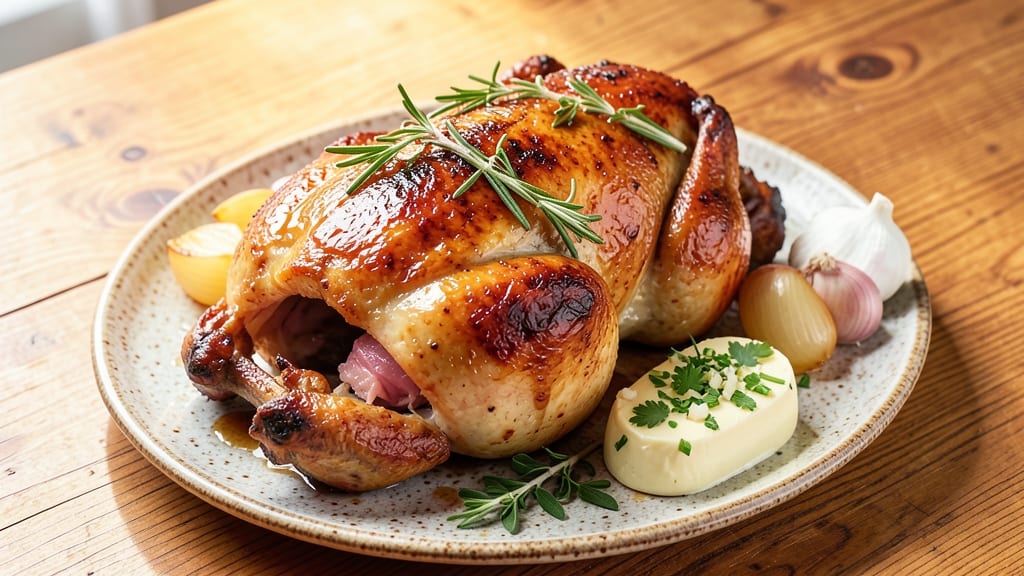
Ina Garten's perfect roast chicken recipe delivers restaurant-quality results with juicy meat and golden, crispy skin every time. Growing up in Georgia, I learned that a well-roasted chicken transforms any meal—this method ensures that tender, flavorful center and that coveted crisp exterior.
The secret lies in precise timing, proper seasoning, and a technique that keeps the meat moist while creating that perfect crust.
This recipe relies on simple ingredients: a whole chicken, butter, herbs, and aromatics like garlic and onion. You'll start by seasoning the chicken generously with salt, pepper, and fresh herbs, then roast it at a moderate temperature with occasional basting.
The key is patience—allowing the chicken to cook slowly ensures even doneness without drying out the meat. My cast iron Dutch oven helps maintain consistent heat, a trick I picked up from Master Chef Chen.
By the time it emerges from the oven, you'll have a perfectly roasted chicken with skin that's crisp enough to stand up to a fork and meat that's tender enough to pull apart with ease.
The aromatics infuse every bite, creating a dish that's elegant yet approachable. The pan drippings can be turned into a rich gravy, adding another layer of flavor to complete the meal.
Serve this chicken with roasted vegetables, a fresh salad, or crusty bread to soak up every last bit of that delicious pan sauce. This recipe proves that with the right technique, you can achieve restaurant-quality results in your own kitchen. Let's get started on creating your perfect roast chicken.
Ingredients for ina garten's perfect roast chicken
Simple ingredients, restaurant-quality results—this is Ina Garten's secret to perfect roast chicken.
| Ingredient | Amount | Notes |
|---|---|---|
| Whole Chicken 🍗 | 4 lb | Fresh, preferably organic |
| Unsalted Butter 🧈 | ½ cup | Cold, cut into pieces |
| Fresh Rosemary 🌿 | ¼ cup | Chopped, stems removed |
| Fresh Thyme 🌿 | ¼ cup | Chopped, stems removed |
| Garlic Cloves 🧄 | 4 cloves | Peeled, smashed slightly |
| Yellow Onion 🧅 | 1 whole | Quartered, skin on |
| Kosher Salt 🧂 | 1 ½ tbsp | Coarse grain preferred |
| Freshly Ground Black Pepper 🌶️ | 1 tsp | Cracked from whole peppercorns |
| Fresh Lemon 🍋 | 1 whole | Juiced, zest optional |
| All-Purpose Flour 🌾 | 1 tbsp | For gravy, if desired |
| Chicken Stock 🍲 | ½ cup | Homemade or high-quality store-bought |
The chicken is everything here—look for a 4-pound bird with good color and firm skin. Local butchers often have the best quality, but any reputable grocery store will work. Fresh herbs are non-negotiable; Trader Joe's has great pre-chopped rosemary and thyme if you're short on time. The butter needs to be cold when you mix it with the herbs—this creates that signature crisp skin. I always grab European-style unsalted butter from Whole Foods for the best flavor. The lemon juice brightens everything, so don't skip it—freshly squeezed is ideal, but bottled works in a pinch.
No fresh rosemary? Dried works at half the amount, but it won't be as aromatic. Short on time? Pre-chopped herb blends from Williams Sonoma save steps. The garlic can be roasted ahead for extra flavor—just toss the cloves with olive oil and roast at 400°F for 10 minutes. For the onion, yellow or red both work, but yellow has a slightly sweeter flavor. The kosher salt is key—it dissolves better than table salt, giving you that perfect seasoning balance. And if you're making gravy, keep those pan drippings—they're liquid gold for flavor.
This chicken reheats beautifully—just 15 minutes at 350°F brings it back to perfection. Store leftovers covered in the fridge for 3-4 days or freeze for up to 3 months. I like to portion the meat separately from the skin and bones—makes it easier to use in salads or sandwiches later. The pan drippings can be turned into gravy immediately or frozen for up to 6 months in an airtight container. Trust me, you'll want to make extra—this recipe always gets rave reviews.
Why You'll Love This Recipe
- No-Fuss Roasting: I can’t tell you how much I love that this recipe lets me do all the flavor work upfront. Just mix the butter, rosemary, thyme, garlic, onion, salt, and pepper together once, then stuff and rub—done. The chicken practically cooks itself while the oven does the heavy lifting.
- Crispy Skin, Juicy Inside: That first 20 minutes at 425°F with the lemon juice? Game-changer. The skin gets this perfect golden crisp while the meat stays so tender it falls apart. And the lemon stock finish? Brightens everything up without overpowering.
- Leftover Magic: I always make this for Sunday dinner, and honestly, the leftovers are even better the next day. Reheat gently, and you’ve got a quick lunch or dinner with minimal effort. Plus, it freezes beautifully—just thaw and roast again for a weeknight win.
- Budget-Friendly Feast: A whole chicken feeds a crowd for less than you’d spend on takeout, and the ingredients are simple staples. The butter, herbs, and lemon turn even a basic chicken into something special without breaking the bank.
Step-by-step instructions for Ina Garten's perfect roast chicken
Here's the method that delivers legendary results—crispy skin, juicy meat, and aromatic herbs every time.
Prep the Chicken with Herbs and Butter
Start by removing the chicken from the refrigerator and letting it sit at room temperature for 30 minutes. This ensures even cooking. While it rests, combine the ½ cup unsalted butter, ¼ cup fresh rosemary, ¼ cup fresh thyme, 4 garlic cloves, 1 yellow onion (quartered), 1½ tbsp kosher salt, and 1 tsp freshly ground black pepper in a bowl. Mash the garlic and onion with the back of a spoon to release their flavors.
Stuff the cavity of the chicken with half of the herb-butter mixture, then rub the remaining mixture all over the outside of the bird, including under the skin. The butter will baste the chicken as it roasts, while the herbs infuse every bite with aromatic depth. Don't skip this step—it's what makes the skin golden and the meat irresistible.
Sear the Chicken for Crispy Skin
Preheat your oven to 425°F. Place the chicken breast-side up on a rack in a roasting pan. The rack allows air to circulate underneath, ensuring crispy skin on all sides. Pour the juice from the whole fresh lemon over the chicken and into the pan—this adds brightness and prevents the skin from drying out.
Roast the chicken for 20 minutes until the skin is golden brown and crispy. Here's the thing—don't open the oven door during this time. Every time you peek, you let out heat and steam, which can turn that perfect crispy skin into soggy skin. Trust the timer and the visual cues: you're looking for deep golden color, not just pale skin.
Finish Roasting with Lemon and Stock
After the initial sear, reduce the oven temperature to 375°F. Add the ½ cup chicken stock to the roasting pan and place the quartered lemon halves on top of the chicken. The stock will create steam, keeping the meat moist, while the lemon adds a bright, citrusy note. Return the chicken to the oven and roast for an additional 45-55 minutes, or until the internal temperature reaches 165°F when measured in the thickest part of the thigh.
You'll know it's done when the skin is deeply golden and crispy, and the juices run clear when you pierce the thigh with a knife. The lemon will have softened slightly, releasing its juices into the pan. This is where the magic happens—the chicken becomes tender and flavorful without drying out.
Rest and Serve with Gravy (Optional)
Transfer the chicken to a cutting board and tent loosely with foil. Let it rest for 15-20 minutes before carving. This resting period allows the juices to redistribute throughout the meat, ensuring every slice is moist and flavorful. Don't skip this step—I learned the hard way that skipping rest results in dry, disappointing chicken.
For gravy, pour the pan juices into a saucepan and skim off any fat. Add the 1 tbsp all-purpose flour and whisk to combine. Cook over medium heat for 2-3 minutes until the flour is fully incorporated. Slowly whisk in ¼ cup chicken stock (from the remaining ½ cup) until the gravy thickens to your desired consistency. Strain the gravy if you prefer a smooth texture, then serve alongside the chicken.
Pro Tips For Making Ina Garten'S Perfect Roast Chicken
- Skip the Crowding: That roasting rack isn’t just for looks—it’s how you get skin that actually crisps. If your pan is too shallow or the chicken sits in its own juices, you’ll end up with steam instead of crunch. I used to ignore this and wondered why my 4 lb chicken always came out unevenly browned. Trust me, the airflow under the bird makes all the difference.
- Mash That Onion: Don’t just toss those quartered onions into the butter mix—give them a good smash with the back of a spoon. You want those juices and flavors to bleed into the butter so they infuse the chicken while it roasts. I learned this the hard way when my first batch tasted bland because I skipped this step. Takes 30 seconds but changes the whole dish.
- Lemon Juice First: Pour that fresh lemon juice over the chicken before it hits the oven—not after. The acid helps break down the skin just enough to trap moisture while the butter bastes, giving you that golden crust without drying out the meat. I used to add it later and still got great results, but this method guarantees it every time.
- Watch the Heat: That initial 425°F sear is non-negotiable, but resist the urge to peek. Every time you open the oven door in those first 20 minutes, you’re letting out heat and steam, which turns crispy skin into sad, pale skin. I know, I know—you’re dying to check, but trust the timer. The chicken will tell you when it’s ready with deep golden color, not just a light tan.
Perfect pairings for this recipe
Herb-Infused Sides
I always serve my roast chicken with garlic sautéed green beans—just toss 1 lb fresh green beans with 2 tbsp olive oil, 3 minced garlic cloves, and a pinch of salt.
Cook on medium-high heat for 5-7 minutes until tender-crisp. The garlic ties perfectly with the chicken's rosemary and thyme notes. 🌿
Crispy Roasted Potatoes
For a Southern twist, I roast 2 lbs baby potatoes with the chicken's pan drippings. Toss them with 1 tbsp olive oil, 1 tsp paprika, and ½ tsp garlic powder, then roast at 400°F for 30-40 minutes until golden and crispy.
The potatoes absorb the chicken's aromatic juices during baking.
Bright Citrus Salad
A grapefruit and arugula salad cuts through the richness beautifully. Toss 1 grapefruit (segmented), 4 cups baby arugula, ¼ cup crumbled feta, and 2 tbsp lemon vinaigrette. The grapefruit's tartness balances the chicken's richness—this combo feels like a vacation in every bite.
Wine Pairings
For this dish, I reach for a dry Riesling—its acidity cleanses the palate between bites of rich chicken. A Chablis from Burgundy also works wonders, with its crisp minerality complementing the herbs. Avoid heavy reds that might overpower the delicate flavors. 🍷
Beverage Alternatives
If wine isn't your thing, try a sparkling lemonade with a splash of bourbon for depth. I mix 1 cup freshly squeezed lemon juice, ¾ cup water, ½ cup honey, and 2 oz bourbon, then top with club soda.
The citrus echoes the lemon in the chicken while the bourbon adds complexity. 🥤
Garnish Finishing Touches
Before serving, sprinkle the chicken with freshly cracked black pepper and a few drops of lemon zest. I also like adding microgreens like cilantro or dill for a pop of color. These small touches elevate the dish from homemade to restaurant-quality without extra effort. ✨
Nutrition facts
Frequently asked questions
Why does the recipe call for letting the chicken sit at room temperature?
Letting the chicken sit for 30 minutes at room temperature ensures even cooking throughout. Cold chicken cooks unevenly, often leaving the center undercooked while the outside becomes dry. This step guarantees juicy meat from breast to thigh.
Can I use dried herbs instead of fresh rosemary and thyme?
Yes, but use half the amount of dried herbs—1 tbsp each—to match fresh flavor intensity. Dried herbs lack the vibrant aroma of fresh, so they won't infuse the chicken as deeply. Fresh is always preferred for this recipe!
What if my chicken isn't done after 55 minutes?
Turn up the oven to 400°F and continue roasting, checking every 10 minutes until the thigh reaches 165°F. Larger chickens may need extra time. The key is patience—overcooking is easier than undercooking!
How do I prevent the skin from getting soggy?
Never open the oven during the first 20 minutes of roasting at 425°F. Heat loss from peeking turns crispy skin into soggy skin. Also, pour lemon juice into the pan—it adds moisture without steaming the skin.