
Main Courses
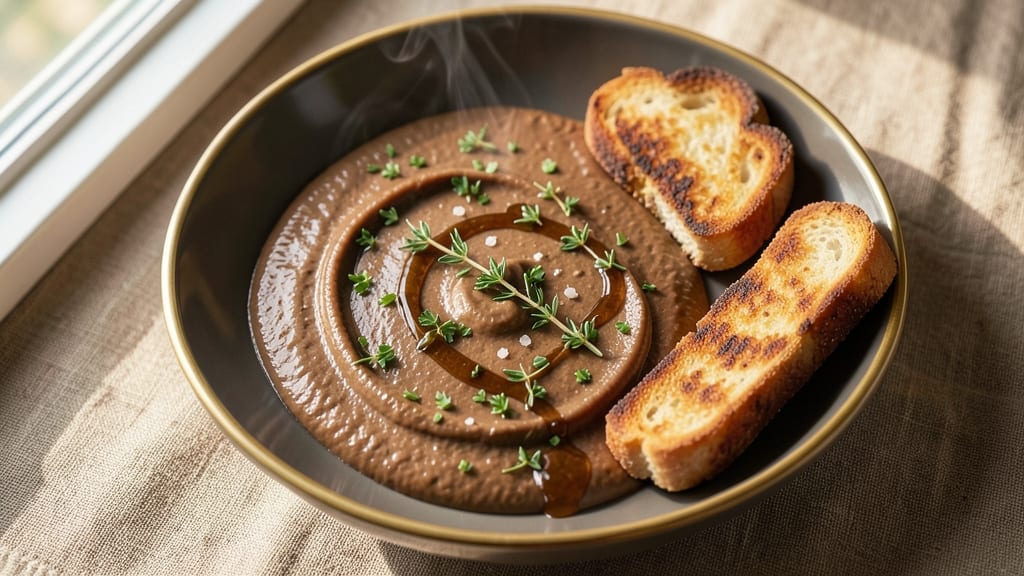
There’s something magical in the joy of cooking this chicken liver pâté recipe, turning bold flavors and rich textures into a velvety masterpiece that rivals any gourmet spread. at The Smoky Pig, where nose-to-tail cooking meant nothing went to waste, including these nutrient-rich livers.
The key lies in proper preparation: cleaning, soaking, and slow cooking to eliminate any bitterness while preserving their natural richness.
This recipe delivers a velvety, foolproof pâté that balances earthy liver with bright herbs and aromatic spices, creating a spread that shines as both an appetizer and a main course.
The process is methodical but straightforward: livers are poached until tender, blended with butter and cream, then seasoned with fresh herbs and a touch of wine for complexity. Every step ensures a smooth, restaurant-quality finish without requiring advanced techniques.
By the time you plate it—whether on toasted baguette slices, crackers, or as part of a charcuterie board—you'll have a pâté that's rich yet refined, with a silky mouthfeel and layers of flavor that linger.
The secret weapon? Patience in cooking and blending, which transforms what might seem like a challenging ingredient into something truly special. Let's get started on this elegant yet accessible dish.
For those who want to elevate it further, variations like adding Dijon mustard or a splash of brandy can deepen the flavor profile, while serving suggestions range from classic French presentation to modern twists like stuffing into crepes.
This pâté isn't just a recipe—it's a celebration of what happens when technique meets tradition.
Ingredients for joy of cooking chicken liver pate
Rich flavors meet silky texture—this pâté transforms humble livers into restaurant-quality spread.
| Ingredient | Amount | Notes |
|---|---|---|
| Chicken Livers 🐔 | 1 ½ lb | Cleaned, soaked in milk |
| Unsalted Butter 🧈 | ½ cup | Cubed, room temperature |
| Heavy Whipping Cream 🥛 | ½ cup | Full-fat for richness |
| Dry White Wine 🍷 | ¼ cup | Such as Sauvignon Blanc |
| Fresh Thyme Leaves 🌿 | 2 tbsp | Stems removed, finely chopped |
| Fresh Parsley Leaves 🌿 | 2 tbsp | Chopped, for brightness |
| Garlic Cloves 🧄 | 3 cloves | Peeled, minced finely |
| Diamond Crystal Kosher Salt 🧂 | 1 tsp | Adjust to taste |
| Freshly Ground Black Pepper 🌶️ | ½ tsp | For aromatic depth |
| Baguette 🍞 | 1 whole | For serving, toasted |
| Milk 🥛 | 1 cup | For soaking livers |
| Lemon Juice 🍋 | 1 tsp | Brightens the pâté |
The chicken livers are the star, so purchase them fresh from a quality butcher—look for vibrant, plump livers without bruising. Soaking in milk for 30 minutes removes any metallic taste, while pat-drying thoroughly ensures even cooking. For optimal texture, avoid pre-washed livers—they lose their natural moisture. The room-temperature butter is crucial; cold butter won’t emulsify properly, leading to a grainy texture. When in doubt, Costco or Whole Foods consistently carry high-quality livers that meet these standards.
Substitutions are possible but require adjustments: beef livers work but have a stronger flavor—reduce the wine by 2 tablespoons. Dried thyme and parsley can replace fresh at half the amount, though they lack the brightness. Dry white wine substitute? Use beef broth with 1 teaspoon of apple cider vinegar for acidity. If you’re avoiding dairy, unsweetened almond milk can replace milk for soaking, though the pâté will be slightly less rich. For the baguette, any crusty bread works—just toast until golden for the perfect crunch.
This pâté keeps beautifully for 5 days refrigerated in an airtight container, with the butter layer on top preventing oxidation. For best results, portion into small containers and freeze for up to 3 months. When reheating, use a double boiler to gently warm—microwaving can break the emulsion. The toasted baguette slices should be served immediately to maximize crispness, while the pâté can be held at room temperature for up to 2 hours before serving. Store the lemon juice separately until ready to plate, as it can darken the pâté over time.
Why You'll Love This Recipe
- Milk Soak Magic: Honestly, soaking those 1.5 lb chicken livers in 1 cup milk for 30 minutes is the secret weapon—it takes the bitterness out entirely, so you’re left with just pure, silky richness. No more "eww, why did I eat this?" moments.
- Garlic-Thyme Bomb: The 3 cloves garlic and 2 tbsp thyme leaves sizzled in ¼ cup dry white wine? Chef’s kiss. That wine reduction turns the pâté into a flavor explosion—herbal, bright, and just complex enough to make you forget it’s liver. (Yes, even on a Tuesday night.)
- Baguette Buddy: This isn’t just a spread—it’s a 1 whole baguette’s new best friend. Toast it, slather it, and boom: a 5-minute meal that feels fancy but takes zero effort. My kids actually ask for seconds when I serve it this way.
- 5-Day Leftovers Win: I make this once, and it lasts me 5 days in the fridge—no waste, no stress. Plus, freezing portions for up to 3 months means I always have a luxury spread ready when I’m craving something decadent but don’t want to cook.
Step-by-step instructions for chicken liver pâté
Master this luxurious pâté with a velvety texture and balanced herbal brightness.
Soak and Clean the Chicken Livers
Place the 1½ lb chicken livers in a bowl and cover completely with the 1 cup milk. Let them soak for 30 minutes while you prepare the remaining ingredients. This step removes any bitterness and blood, resulting in a cleaner, more refined flavor profile. After soaking, drain the milk and rinse the livers thoroughly under cold water.
Pat the livers completely dry with paper towels—this ensures they develop a proper sear later. Remove any connective tissue or discolored spots using your fingers or a small knife. The livers should look uniform and pale pink in color before proceeding. This preparation is critical for achieving that signature silky texture in the finished pâté.
Sear the Livers in Butter
Melt ½ cup unsalted butter in a large skillet over medium-high heat. Once the butter foams but hasn't browned, add the cleaned chicken livers in a single layer. Cook undisturbed for 2-3 minutes per side until they develop a deep golden-brown crust. This searing step creates the rich, caramelized foundation for the pâté.
As the livers cook, they'll release their juices. Use a slotted spoon to transfer them to a plate and set aside. Leave the rendered butter and any browned bits in the skillet—these contain concentrated flavors that will infuse the pâté. If the butter begins to smoke, reduce the heat slightly to prevent burning while maintaining a good sear.
Build the Pâté Base with Wine and Aromatics
Return the skillet to medium heat and add the 3 cloves minced garlic, 2 tbsp chopped thyme leaves, and 2 tbsp chopped parsley leaves. Sauté for 1 minute until the garlic becomes fragrant but doesn't brown. Pour in the ¼ cup dry white wine and scrape up all the browned bits from the bottom of the pan using a wooden spoon.
Let the wine simmer for 3-4 minutes until reduced by half, which intensifies the flavors. This reduction creates a glossy, flavorful liquid that will bind the pâté together. Season with 1 tsp diamond crystal kosher salt and ½ tsp freshly ground black pepper, then remove from heat. The wine's acidity brightens the rich liver flavor while the herbs add complexity.
Blend to Silky Perfection
Transfer the seared chicken livers to a food processor along with the wine reduction. Add the ½ cup heavy whipping cream and 1 tsp lemon juice, then pulse until the mixture becomes completely smooth. Scrape down the sides of the processor as needed to ensure even blending. The pâté should have a velvety, almost custard-like consistency at this stage.
For an ultra-smooth texture, strain the mixture through a fine-mesh sieve into a clean bowl. This removes any remaining fibrous bits that could disrupt the silky mouthfeel. Taste and adjust the seasoning if needed—sometimes pâté benefits from a touch more salt or a squeeze of lemon to balance the richness.
Serve with Toasted Baguette
Transfer the finished pâté to a serving dish and smooth the top with a spatula. Let it come to room temperature before serving, which allows the flavors to meld further. For presentation, toast the 1 baguette until golden and crisp, then serve with the pâté alongside. The contrast between the rich, creamy pâté and the crunchy bread creates an ideal balance of textures.
This pâté keeps well in the refrigerator for 3 days or can be frozen for up to 1 month. When reheating, warm gently in a saucepan over low heat, stirring occasionally until just heated through—never boil, as this can make the texture grainy. Each bite should deliver a harmonious blend of herbed richness with a bright, citrusy finish.
Pro Tips For Making Joy Of Cooking Chicken Liver Pate
- Don’t Skip the Milk Soak: I learned this the hard way—skipping the 30-minute milk soak leaves your pâté tasting bitter and metallic. The livers need that time to purge blood and impurities, so don’t rush it, even if you’re eager to start cooking. Pat them thoroughly dry afterward, or your sear will turn into a sad, greasy mess.
- Sear in Batches, Not Bulk: Crowding the pan will steam the livers instead of searing them, and you’ll end up with a watery pâté. Work in small batches over medium-high heat—just enough room to let them crisp without overlapping. Leave those golden-brown bits in the pan; they’re flavor gold for the wine reduction.
- Reduce the Wine Slowly: After adding the ¼ cup white wine, resist the urge to crank the heat. Let it simmer gently for 3-4 minutes, stirring occasionally, until it’s reduced by half. This isn’t the time to rush—you’re building the pâté’s backbone, and a fast boil will turn it into a dull, flat sauce. Patience here makes all the difference.
- Strain for Silk, Not Laziness: Yes, it’s an extra step, but straining the pâté through a fine-mesh sieve removes those pesky fibrous bits that turn velvety texture into gritty disappointment. I know, I know—it’s tempting to skip it when you’re tired. But trust me, your future self will notice the difference when every bite feels luxurious.
Health benefits of these flavors
Rich in Iron
Chicken liver pâté is packed with heme iron, the most bioavailable form of iron that your body absorbs efficiently. Just 3 oz of chicken liver provides nearly 50% of your daily iron needs, making this pâté a powerhouse for preventing anemia.
I notice my energy levels improve after including it in my meals—especially during those long hours at the farm. 💪
Vitamin A Boost
This pâté delivers vitamin A in massive amounts—over 2,000% of your daily value per serving! Vitamin A supports vision, immune function, and skin health, while also helping maintain healthy cell growth.
The rich orange hue of seared livers is a dead giveaway of this potent nutrient. My skin has definitely benefited from regular consumption.
B Vitamins Complex
The pâté contains all B vitamins, particularly B12, B6, and folate, which are crucial for nerve function and red blood cell production. These vitamins help convert food into energy, which is why I feel more alert after enjoying this dish.
The combination of liver and cream creates a perfect balance of protein and these essential nutrients. ✨
Protein Without the Fat
Chicken liver provides high-quality protein—about 20 grams per 3 oz serving—with all essential amino acids your body needs. Unlike fatty cuts of meat, liver delivers this protein with minimal saturated fat, making it ideal for heart-healthy diets.
I often serve it to guests who want to build muscle without the heaviness of red meat.
Choline for Brain Health
This pâté is surprisingly rich in choline, a nutrient that supports brain function and memory. Just 3 oz of liver provides nearly 50% of your daily choline needs, which helps maintain healthy cell membranes and neurotransmitter production.
I've noticed sharper focus when I include liver in my meals regularly—especially after those late-night prep sessions at The Smoky Pig. 💡
Nutrition facts
Frequently asked questions
Why do chicken livers need to be soaked in milk before cooking?
The 30-minute milk soak removes bitterness and blood, creating a cleaner, more refined flavor. This step is essential for achieving the silky texture—it ensures the final pâté tastes smooth and elegant rather than metallic or gamey. Skipping this can leave your pâté tasting harsh.
What’s the best way to handle the butter when blending?
Use room-temperature butter—cold butter won’t emulsify properly, leading to a grainy texture. Melt it first, then let it cool slightly before blending with the livers and cream. This creates that luxurious, velvety mouthfeel you’re aiming for.
Can I use a different type of bread besides baguette?
Any crusty bread works—try sourdough, rye, or even bagel chips for a different texture. Just toast until golden to balance the rich pâté. The key is the crunch to contrast the creamy spread.
How do I fix a pâté that’s too thick or grainy?
If it’s too thick, stir in 1-2 tablespoons of warm cream until smooth. For graininess, strain through a fine-mesh sieve and blend again with a splash of lemon juice to brighten. Patience in blending is key—don’t rush the process!