
Side Dishes
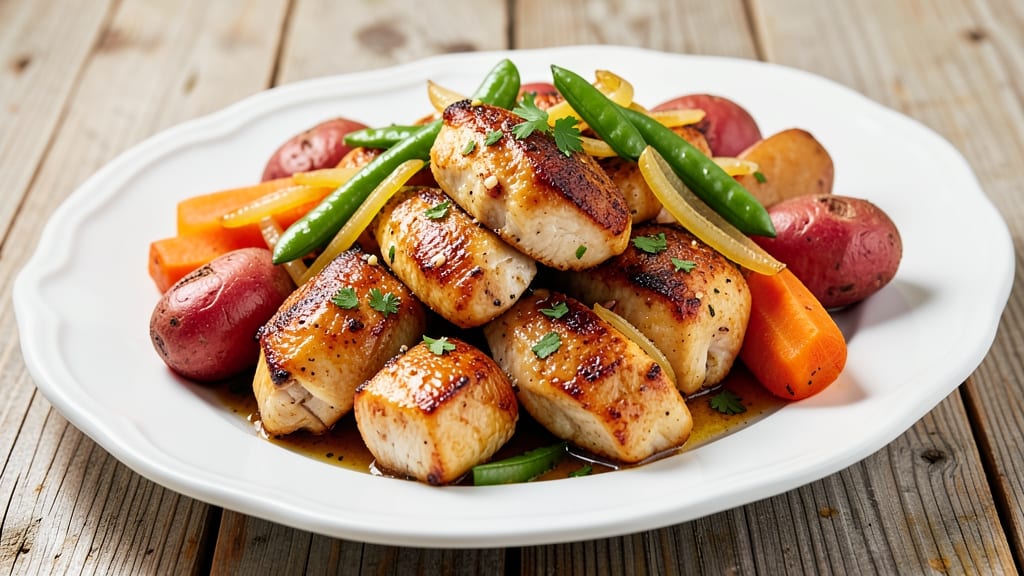
Transforming simple ingredients into a hearty, savory one-pot meal is where Knorr Chicken and Garden Vegetables shines—this recipe delivers restaurant-quality depth with minimal effort. The secret lies in balancing Knorr’s signature seasoning blend with fresh vegetables and tender chicken, creating a dish that’s both comforting and elegant.
I’ve refined this method over years, ensuring the flavors meld perfectly without overpowering the natural taste of the ingredients.
The beauty of this recipe is its versatility—whether you’re using Knorr’s seasoning mix or creating a homemade alternative, the technique remains the same. A single pot handles everything: chicken simmering in rich broth while vegetables soften and absorb the savory flavors.
This method cuts down on cleanup and ensures every bite is packed with tender meat and vibrant, caramelized vegetables.
By the time you serve this dish, you’ll have a golden-brown chicken breast alongside perfectly tender carrots, potatoes, and peas—all infused with a savory, umami-rich broth. The aroma alone will draw everyone to the table, and the first bite delivers that satisfying combination of tender protein and sweet, caramelized vegetables.
It’s the kind of meal that feels indulgent yet effortless.
Perfect for weeknight dinners or meal prep, this recipe scales easily to feed a family or a crowd. The one-pot approach ensures simplicity, while the depth of flavor makes it feel like a special occasion. Let’s get started on creating this savory, satisfying dish that brings comfort to any table.
Ingredients for knorr chicken and garden vegetables
Balancing Knorr’s signature seasoning with fresh vegetables and tender chicken creates a hearty one-pot meal.
| Ingredient | Amount | Notes |
|---|---|---|
| Boneless, Skinless Chicken Breast 🍗 | 1 ½ lb | Cut into 1-inch cubes for even cooking |
| Knorr Chicken and Garden Vegetables Seasoning Mix 🌶️ | 2 tbsp | Original blend for authentic flavor |
| Yellow Onion 🧅 | 1 whole | Diced, medium-sized for balance |
| Carrots 🥕 | 1 ½ lb | Baby carrots or sliced into 1-inch pieces |
| Russet Potatoes 🥔 | 1 ½ lb | Cut into 1-inch cubes, peeled |
| Green Peas 🌱 | 1 cup | Fresh or frozen, thawed if frozen |
| Low-Sodium Chicken Broth 💧 | 2 cups | Homemade or high-quality store-bought |
| Extra-Virgin Olive Oil 🫒 | 2 tbsp | For searing chicken and vegetables |
| Garlic Cloves 🧄 | 4 cloves | Minced for aromatic depth |
| Fresh Thyme Leaves 🌿 | ¼ cup | Chopped, or 1 tsp dried thyme |
| Fresh Parsley 🌿 | ⅛ cup | Chopped, for garnish and freshness |
| Diamond Crystal Kosher Salt 🧂 | 1 tsp | Adjust to taste after cooking |
| Freshly Ground Black Pepper 🌶️ | ½ tsp | For seasoning and finish |
Knorr’s seasoning mix is the backbone of this dish, so prioritize the original blend—it contains a carefully balanced umami profile that elevates the vegetables and chicken. For optimal results, source Knorr products from major grocery chains like Walmart or Kroger, where the seasoning is consistently fresh. If you’re crafting a homemade alternative, combine 2 tbsp paprika, 1 tbsp onion powder, 1 tbsp garlic powder, 1 tsp dried thyme, 1 tsp dried parsley, 1 tsp black pepper, and 1 tsp salt. The chicken breast should be cut uniformly into 1-inch cubes to ensure even cooking and tender results. Fresh vegetables like carrots and potatoes should be peeled and cubed—this not only enhances presentation but also promotes even cooking in the one-pot method.
Substitutions can be made with care to preserve the dish’s integrity. If Knorr’s seasoning mix is unavailable, homemade blends or even store-bought chicken bouillon cubes can work in a pinch, though they may require additional salt adjustment. For the vegetables, frozen peas or corn can replace fresh peas, and sweet potatoes can substitute for russet potatoes if preferred. The broth can be swapped for vegetable broth or water with an extra 1 tsp bouillon powder, though the flavor depth will differ slightly. Fresh herbs like thyme and parsley can be replaced with dried equivalents at one-third the amount, though fresh is always preferred for vibrant flavor. If you’re using pre-cut frozen vegetables, ensure they are thawed and drained before adding to the pot to avoid excess moisture.
This one-pot meal reheats beautifully, making it ideal for meal prep. Store leftovers in an airtight container in the refrigerator for up to 4 days or freeze for 3 months. For reheating, add a splash of water or broth and simmer gently to restore moisture. The dish can also be prepped ahead and refrigerated overnight, allowing flavors to meld further. Garnish with fresh parsley just before serving to maintain its vibrant color and aroma. For a restaurant-quality finish, sprinkle with an extra pinch of Diamond Crystal kosher salt and freshly ground black pepper to enhance the savory notes.
Why You'll Love This Recipe
- One-Pot Magic: That seared chicken with crisp edges and those tender russet potatoes? All in one pan, no fuss. The Knorr seasoning mix does 80% of the work while I just stir occasionally—perfect when I’m too tired to clean three dishes.
- Knorr’s Secret Weapon: Honestly, the Knorr blend isn’t just flavor—it’s that perfect balance of savory and herbal notes that makes the chicken taste like it’s been simmered all day. The garlic and thyme just tie it all together without overpowering.
- Leftover Champion: I always make extra because this reheats like a dream. The next day, the flavors deepen, and the broth thickens into a creamy sauce. My kids even ask for seconds (yes, even on a Tuesday night).
- Budget-Friendly Feast: For under $15, I feed four people a complete meal with protein, veggies, and carbs. The chicken broth and frozen peas stretch it even further—no waste, just satisfaction.
Step-by-step instructions for Knorr chicken and garden vegetables
This one-pot method delivers a harmonious blend of tender chicken and seasonal vegetables with minimal effort.
Prepare the Chicken and Vegetables
Cut the 1½ lb boneless, skinless chicken breast into 1-inch cubes for even cooking. Peel and cut the 1½ lb russet potatoes into 1-inch cubes, and slice the 1½ lb carrots into 1-inch pieces. Dice the 1 yellow onion into medium-sized pieces and mince the 4 cloves garlic. If using frozen 1 cup green peas, thaw them completely before proceeding.
Chop the ¼ cup fresh thyme leaves and set aside ⅛ cup fresh parsley for garnish. The uniform size of the vegetables ensures they cook at the same rate as the chicken, creating a balanced one-pot dish. I recommend using a sharp chef's knife for precision—this prevents uneven cooking and ensures the vegetables maintain their texture.
Sear the Chicken and Sauté the Vegetables
Heat the 2 tbsp extra-virgin olive oil in a large, deep skillet or Dutch oven over medium-high heat. Add the chicken cubes in a single layer and sear for 4-5 minutes until the edges turn light golden brown. This step develops a foundational flavor and prevents the chicken from becoming dry during the long simmer.
Remove the chicken and set it aside. In the same skillet, add the diced yellow onion and cook for 3 minutes until softened. Add the sliced carrots, cubed russet potatoes, and minced garlic cloves, stirring to combine. Sprinkle the 2 tbsp Knorr Chicken and Garden Vegetables Seasoning Mix evenly over the vegetables and toss to coat. Cook for an additional 4 minutes until the vegetables begin to soften and the seasoning blend adheres.
Simmer in Broth Until Tender
Pour the 2 cups low-sodium chicken broth into the skillet, scraping up any browned bits from the bottom. Return the seared chicken to the skillet and bring the mixture to a gentle boil over medium heat. Once boiling, reduce the heat to low, cover, and let it simmer for 25-30 minutes. This slow cook ensures the chicken remains juicy while the vegetables absorb the rich, flavorful broth.
After 15 minutes, stir in the 1 cup green peas and the chopped ¼ cup fresh thyme leaves. The peas will cook quickly and absorb the savory flavors of the broth. Continue simmering, uncovered, for the remaining time until the chicken reaches an internal temperature of 165°F and the potatoes are fork-tender. The broth should reduce slightly, creating a thick, cohesive sauce.
Adjust Seasoning and Finish
Remove the skillet from heat and stir in the 1 tsp Diamond Crystal kosher salt and ½ tsp freshly ground black pepper. Taste and adjust the seasoning if needed—this step ensures the dish is perfectly balanced. The Knorr seasoning mix provides a robust base, but personalizing the salt and pepper ensures the flavors align with your preference.
Garnish each serving with the reserved ⅛ cup fresh parsley just before serving. The parsley adds a bright, fresh contrast to the hearty, savory flavors of the chicken and vegetables. Serve immediately while the chicken is still juicy and the vegetables retain their texture. This one-pot meal is ideal for busy weeknights, delivering a complete, satisfying dish with minimal cleanup.
Pro Tips For Making Knorr Chicken And Garden Vegetables
- Don’t Rush the Sear: Those 4-5 minutes of searing the chicken cubes until golden aren’t optional—they lock in flavor and moisture. I used to skip this when I was in a hurry, and the chicken always turned out dry. Trust the process; high heat here makes all the difference later.
- Cut Potatoes Uniformly: Russet potatoes vary in size, and uneven pieces mean some will turn mushy while others stay hard. Take the extra 2 minutes to measure and cut them all into exact 1-inch cubes—your future self will thank you when every bite is perfect.
- Deglaze Like a Pro: After searing the chicken, don’t wipe out the browned bits—those are flavor gold. When you add the broth, scrape them up with a wooden spoon. I learned this the hard way: skipping this step leaves your dish tasting flat.
- Add Peas Late: Green peas cook in minutes, so toss them in only after the first 15 minutes of simmering. If you add them earlier, they’ll turn to mush—no one wants that. Think of it as the last-minute garnish they really are.
Dietary considerations for these flavors
Gluten-Free Adaptation
This recipe is naturally gluten-free when using the original Knorr Chicken and Garden Vegetables Seasoning Mix, which contains no wheat, barley, or rye. However, always double-check the label, as formulations can change.
For extra assurance, opt for Knorr’s gluten-free certified seasoning available at stores like Whole Foods or Sprouts. The dish’s gluten-free nature makes it perfect for those avoiding wheat while still delivering that savory depth. 💛
Dairy-Free & Egg-Free
This recipe is inherently dairy-free and egg-free, making it ideal for those with lactose intolerance or egg allergies. The Knorr seasoning mix contains no dairy ingredients, and the dish relies solely on the natural flavors of chicken, vegetables, and herbs.
If you’re avoiding soy (common in some seasoning blends), verify the label—Knorr’s original mix is typically soy-free. This adaptability ensures everyone can enjoy the meal without worry.
Lower-Sodium Options
For a lower-sodium version, reduce the 2 cups low-sodium chicken broth to 1½ cups and add ½ cup water instead. Skip the extra salt adjustment after cooking, and use Diamond Crystal kosher salt sparingly—just ½ tsp total.
Fresh herbs like thyme and parsley will enhance flavor without relying on sodium. This approach keeps the dish hearty while cutting excess salt.
Vegetarian Substitution
To make this dish vegetarian, swap the chicken for 1½ lb extra-firm tofu or chickpeas. Press the tofu for 20 minutes to remove moisture, then cube it before searing. For chickpeas, boil 2 cans (15 oz each) until tender.
The Knorr seasoning mix will still deliver that savory depth, and the vegetables will absorb the flavors beautifully. This version keeps the one-pot simplicity while catering to plant-based diets.
Kid-Friendly Tweaks
Kids often prefer milder flavors, so reduce the Knorr seasoning mix to 1 tbsp and add ½ tsp extra sugar (optional) to balance the savory notes. Skip the fresh thyme and use ½ tsp dried parsley instead.
The dish still retains its comforting qualities while being gentler on young palates. Serve with a side of buttered noodles or crusty bread for extra appeal. 👧👦
Allergy-Friendly Notes
Always check labels for potential allergens like soy, gluten, or dairy in pre-made seasoning mixes. If avoiding nuts, ensure your olive oil is nut-free (some brands process oils in shared facilities).
For those with garlic or onion allergies, omit these ingredients and rely on extra thyme and parsley for flavor depth. This dish’s simplicity makes it easy to customize for common allergies while keeping the essence intact.
Nutrition facts
Frequently asked questions
Why is searing the chicken important in this recipe?
Searing the chicken cubes for 4-5 minutes creates a flavorful crust that locks in moisture and prevents dryness during the long simmer. This step also develops a rich, savory base that enhances the entire dish. Skipping it can result in bland-tasting chicken.
Can I use frozen vegetables instead of fresh?
Yes! You can absolutely use frozen carrots, peas, or potatoes—just thaw and drain them thoroughly before adding to the pot. Frozen veggies cook quickly and maintain their texture well, making them a convenient alternative. Just ensure they’re fully defrosted to avoid excess moisture.
How do I know when the chicken is fully cooked?
Use a meat thermometer to check the internal temperature—it should reach 165°F for safe consumption. The chicken will also pull away easily from the bone when tested. If unsure, let it cook an extra 2-3 minutes to ensure tenderness.
What if my broth is too salty after simmering?
If the broth tastes overly salty, dilute it with ½ cup water and continue cooking uncovered for another 5 minutes. Avoid adding more broth—this will only intensify the saltiness. Taste as you go and adjust gradually.
Can I make this recipe ahead of time?
This dish reheats beautifully. Store leftovers in an airtight container in the fridge for up to 4 days or freeze for 3 months. For best results, add a splash of broth or water when reheating to restore moisture. The flavors actually deepen overnight!