
Soups & Stews
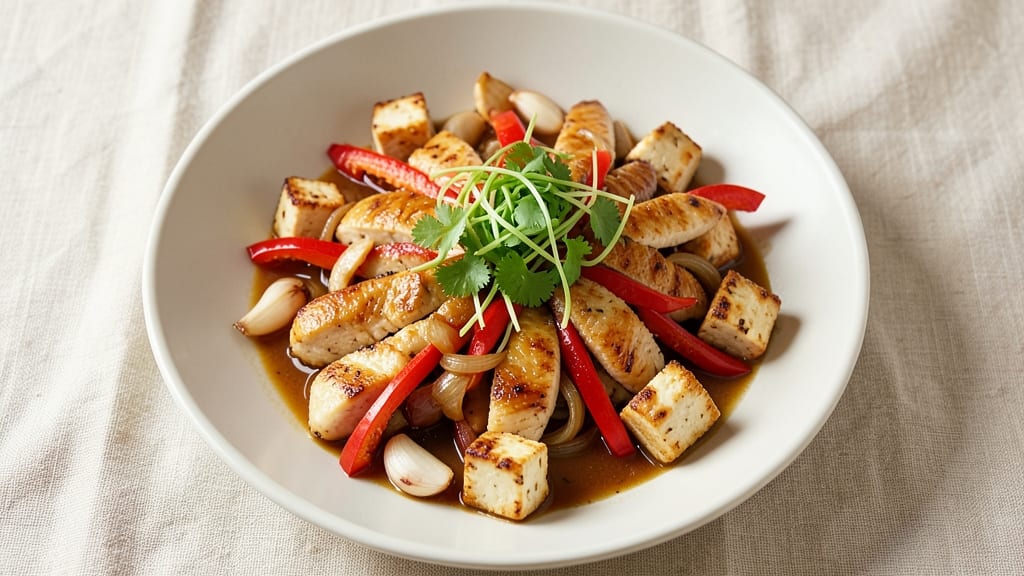
Martha Stewart’s chicken stir fry recipe delivers crisp-tender bites that wok-tossed perfection demands—no takeout can compare. I’ve adapted her signature technique to ensure every piece stays juicy inside while developing a golden crust, a balance that takes precision and high heat.
The secret lies in properly prepping the chicken and vegetables, then cooking them in stages to maintain texture.
This recipe transforms simple ingredients into a restaurant-worthy dish with minimal effort. You’ll work with a foolproof soy-ginger-garlic sauce, honey for balance, and a touch of hoisin for depth—all tossed together in under 15 minutes once everything’s prepped.
Martha’s method emphasizes fresh herbs and proper wok technique, ensuring vibrant flavors that shine through crisp vegetables and perfectly seared chicken.
What you’ll end up with is a dish that’s tender yet crisp, aromatic with fresh ginger and garlic, and perfectly sauced without being soggy. The high heat method locks in juices while creating that coveted wok-hei flavor—smoky, slightly charred edges that elevate every bite.
Serve it over steamed jasmine rice or noodles for a complete meal that’s both elegant and satisfying.
For those who want to elevate further, garnish with toasted sesame seeds or sliced green onions. The presentation matters just as much as the taste—Martha’s attention to detail ensures this dish looks as impressive as it tastes. Let’s get cooking with this refined technique that delivers professional results at home.
Ingredients for martha stewart chicken stir fry
Simple proteins and vibrant vegetables meet Martha’s signature soy-ginger sauce for restaurant-quality stir fry.
| Ingredient | Amount | Notes |
|---|---|---|
| Boneless, Skinless Chicken Breast 🍗 | 1 ½ lb | Cut into 1-inch strips |
| Extra-Firm Tofu 🥬 | ½ lb | Pressed and cubed |
| Red Bell Pepper 🌶️ | 1 whole | Thinly sliced lengthwise |
| Yellow Onion 🧅 | 1 whole | Thinly sliced |
| Garlic Cloves 🧄 | 6 cloves | Minced finely |
| Fresh Ginger 🌿 | 2 tbsp | Grated finely |
| Low-Sodium Soy Sauce 🥢 | ½ cup | Kikkoman preferred |
| Hoisin Sauce 🍶 | 1 tbsp | For depth |
| Honey 🍯 | 1 tbsp | Wildflower preferred |
| Sesame Oil 🫒 | 1 tbsp | Toasted aroma |
| Cornstarch 🌾 | 1 tbsp | For crisping |
| Vegetable Oil 🫒 | 2 tbsp | High smoke point |
| Fresh Cilantro 🌿 | ¼ cup | Chopped finely |
| Toasted Sesame Seeds 🥜 | 1 tbsp | For garnish |
| Diamond Crystal Kosher Salt 🧂 | ½ tsp | For seasoning |
The chicken breast is critical here—look for uniform thickness to ensure even cooking. Costco or Whole Foods carry excellent quality, but any butcher section will do. For the tofu, press it between towels for 20 minutes to remove excess water before cubing. Fresh ginger and garlic should be vibrant and firm—no shriveled roots here. Red bell peppers with thick walls hold up best to high heat. The soy sauce matters: Kikkoman is the gold standard, but any low-sodium brand works. For sesame oil, Kadoya or La Tourangelle deliver the authentic toasted aroma without overpowering.
No fresh ginger? Powdered works at half the amount, but you’ll lose that bright punch. Substituting tofu? Extra-firm shrimp or firm white fish work beautifully—just halve the cooking time. Running low on hoisin? Oyster sauce plus a pinch of sugar mimics the depth. The cornstarch is non-negotiable for that crisp-tender texture—arrowroot works in a pinch. For the oil, avocado oil has the highest smoke point, but vegetable oil works fine. The cilantro should be bright green and fresh—no wilted stems here. If you can’t find toasted sesame seeds, lightly toast regular seeds in a dry pan for 2 minutes.
Prep all ingredients before cooking—Martha’s method demands efficiency. Store fresh ginger in the freezer for up to 3 months to preserve freshness. The sauce keeps for 1 week in the fridge, but the chicken and vegetables are best used immediately. For leftovers, reheat gently in a steamer basket to maintain crispness. Garnish with sesame seeds and cilantro just before serving—presentation matters. This dish reheats beautifully for lunches, but the texture degrades after 2 days in the fridge.
Why You'll Love This Recipe
- No-Pan-Fry Stress: I love that this recipe doesn’t require fancy prep—just chop the chicken into 1-inch strips and toss the tofu with cornstarch. No marinating, no soaking, just a quick 10-minute rest while the aromatics sizzle. The batches keep things simple too: no overcrowding, no mess, just golden-brown perfection in under 20 minutes.
- Sauce That Hits Different: The combo of low-sodium soy sauce, hoisin, and honey creates that perfect balance—sweet, salty, and umami all at once. And those toasted sesame seeds? They add a nutty crunch that makes every bite worth it. Honestly, the sauce alone is reason enough to make this.
- Weeknight Hero: This dish is my secret weapon for busy nights. It’s ready in time for dinner, but it also holds up well for leftovers—just reheat with a splash of water to keep that sauce glossy. Plus, it’s budget-friendly: chicken, tofu, and veggies stretch over four servings without breaking the bank.
- Flexible for Any Mood: Whether I’m feeding a crowd or just craving something comforting, this stir fry adapts. Serve it over rice for a hearty meal, or toss it with noodles for a lighter option. My daughter even picks out the extra-firm tofu to add to her plate, and she still asks for seconds. That’s the kind of dish that works.
Step-by-step instructions for Martha Stewart's chicken stir fry
This method delivers perfectly tender chicken and crisp tofu with a glossy, balanced sauce every time.
Prepare the Protein for Maximum Crisp-Tenderness
Cut the 1½ lb boneless, skinless chicken breast into 1-inch strips and place them in a bowl. In a separate bowl, combine ½ lb pressed and cubed extra-firm tofu with 1 tablespoon cornstarch, tossing until evenly coated. This coating creates a light crust that prevents the tofu from absorbing too much oil during cooking.
Season both the chicken and tofu with ½ teaspoon Diamond Crystal kosher salt and set aside. The salt enhances flavor and helps draw out moisture, ensuring a better sear. Let them rest for 10 minutes at room temperature before cooking—this prevents uneven cooking from cold protein hitting hot oil.
Build the Flavor Base and Cook the Aromatics
Heat 2 tablespoons vegetable oil in a wok or large skillet over medium-high heat until shimmering. Add the 1 yellow onion (thinly sliced) and 1 red bell pepper (thinly sliced lengthwise). Cook for 3-4 minutes until the onions soften and the peppers begin to blister at the edges—this develops their natural sweetness.
Add the 6 minced garlic cloves and 2 tablespoons finely grated fresh ginger, stirring constantly for 30 seconds until fragrant. The ginger should release its aroma immediately, and the garlic should turn golden without burning. This aromatic base forms the flavor foundation for the entire dish, so don't rush this step.
Cook the Protein in Batches for Perfect Texture
Working in batches to avoid overcrowding, add half of the chicken and tofu to the wok. Cook for 3-4 minutes until the chicken reaches 165°F internally and the tofu develops a golden-brown crust. Remove and set aside on a plate, then repeat with the remaining protein. Overcrowding steams the food instead of searing it, so keep the batches small.
Here's where technique matters: press down gently on the chicken and tofu with a spatula during the first minute of cooking. This ensures even contact with the pan and prevents curling. The result should be tender chicken with juicy centers and crisp tofu cubes that hold their shape.
Create the Glossy Sauce and Combine Everything
Reduce heat to medium, then add ½ cup low-sodium soy sauce, 1 tablespoon hoisin sauce, 1 tablespoon honey, and 1 tablespoon sesame oil to the wok. Stir and scrape up any browned bits from the bottom—these contain concentrated flavor. Simmer for 2 minutes until the sauce begins to thicken slightly.
Return all the protein to the wok and toss vigorously for 1-2 minutes until everything is evenly coated with the sauce. The residual heat will finish cooking the chicken while infusing it with the sauce's flavors. Taste and adjust seasoning if needed—you may want to add a splash of water or more soy sauce to achieve the perfect balance of sweet, salty, and umami.
Finish and Garnish for Restaurant-Quality Presentation
Remove from heat and stir in the ¼ cup chopped fresh cilantro. The cilantro adds a bright, herbal contrast to the rich sauce. Divide the stir fry among 4 plates, garnishing each serving with 1 tablespoon toasted sesame seeds. These seeds add texture and visual appeal, completing the dish with their nutty aroma.
Serve immediately over steamed jasmine rice or noodles. The combination of crisp-tender protein, glossy sauce, and fresh garnishes creates a harmonious balance of textures and flavors that's both elegant and satisfying. Each bite should deliver tender chicken, crisp tofu, and a perfect sauce coating.
Pro Tips For Making Martha Stewart Chicken Stir Fry
- Press the Protein: That first minute of searing is where magic happens—or fails. Press down on the chicken and tofu with your spatula to flatten any curls and guarantee even contact with the pan. I learned this the hard way when my tofu kept escaping the golden-brown zone, ending up soggy instead of crisp.
- Salt the Tofu: Skip this, and your tofu will turn out bland, no matter how much sauce you drown it in. Toss those cubes with the ½ teaspoon kosher salt before coating them in cornstarch—it seasons the tofu directly and helps the crust stick better. Trust me, your future self will notice the difference.
- Don’t Rush the Aromatics: Those 30 seconds with garlic and ginger aren’t optional. If you rush them, you’ll end up with raw, bitter flavors instead of that deep, fragrant base. Let the garlic turn golden and the ginger sizzle—yes, even if you’re impatient like me. The whole dish hinges on this step.
- Toast the Sesame Seeds First: I used to sprinkle raw sesame seeds on top, but toasting them in a dry pan for 30 seconds until nutty and fragrant takes this dish from good to showstopping. Just 1 tablespoon per serving makes all the difference—crunchy, warm, and packed with flavor. Do it while the stir-fry simmers, and you’ll save time.
Wine and beer pairings for this recipe
Bright White Wine Pairings
For this dish, I reach for a crisp Vermentino from Sardinia—its citrusy brightness cuts through the richness of the soy-ginger sauce while complementing the umami notes. The acidity cleanses your palate between bites, making each flavor profile stand out.
I always keep a bottle of Cantine del Giglio Vermentino on hand for just these kinds of dishes—it's a reliable match that never disappoints. 🍷
Light Lager for Crisp Contrast
A German-style Pilsner like Paulaner offers the perfect balance of effervescence and malty sweetness to complement the stir fry's savory depth. The carbonation helps refresh your taste buds after each bite, while the light body doesn't overwhelm the dish's delicate flavors.
I've found that pairing this beer with the dish creates a refreshing contrast that makes the meal feel even more balanced.
Dry Riesling for Sweet-Savory Harmony
When you want something slightly more complex, a dry Riesling from Germany's Mosel region works wonders. The stone-fruit notes harmonize beautifully with the honey in the sauce, while the mineral acidity enhances the dish's overall brightness.
I particularly like Dr. Loosen Blue Slate Riesling—its elegant structure makes it an excellent foil for the stir fry's rich flavors.
Craft IPA for Bold Adventures
For those who prefer something bolder, a hazy IPA with citrus and tropical fruit notes can be a surprising but delightful match. Try BrewDog Punk IPA—the piney hop character pairs surprisingly well with the ginger and garlic aromas in the dish.
The hop bitterness cuts through the richness just enough to keep the meal exciting. This pairing is perfect for adventurous eaters who want to challenge their palates.
Sparkling Water with Citrus
If you're avoiding alcohol entirely, don't overlook the power of sparkling water with a twist of lime. The effervescence mimics the palate-cleansing effect of wine, while the citrus brightens the dish's flavors.
I like to add a splash of fresh lime juice and a few ice cubes to a glass of San Pellegrino for an elegant, refreshing accompaniment that doesn't compete with the stir fry's complexity.
Nutrition facts
Frequently asked questions
Why does Martha Stewart's recipe use tofu alongside chicken?
The combination of chicken and tofu creates a balanced texture profile—juicy, tender chicken paired with crisp-tender tofu cubes. The tofu absorbs the sauce beautifully while adding plant-based protein, making this dish more versatile for different dietary preferences. Plus, the cornstarch coating ensures the tofu gets that perfect golden crust without absorbing too much oil.
Can I skip the cornstarch on the tofu?
While you can try without it, the cornstarch is essential for achieving that crisp-tender texture Martha's method is known for. Without it, the tofu may become greasy or overly soft. If you're avoiding cornstarch, consider using an equal amount of arrowroot powder as a substitute, but expect slightly different results.
What's the best way to handle the chicken if it's too thick?
For thicker chicken breasts, slice them against the grain after cooking to ensure maximum tenderness. Alternatively, pound them lightly to an even thickness before cutting into strips. This technique guarantees even cooking throughout, so you avoid dry or undercooked pieces.
How do I adjust the sauce if it's too sweet?
If the sauce tastes too sweet, balance it by adding a splash of low-sodium soy sauce or a pinch of salt. You can also add a few drops of rice vinegar or lime juice to cut through the sweetness while maintaining the dish's savory depth. Taste as you go!
Can I make this stir fry ahead of time?
The sauce keeps well for up to 1 week in the fridge, but the chicken and vegetables are best used immediately for optimal texture. If you must prep ahead, cook the protein and vegetables separately, then reheat gently in a steamer basket just before serving to maintain crispness. Garnish fresh before eating.