
Main Courses
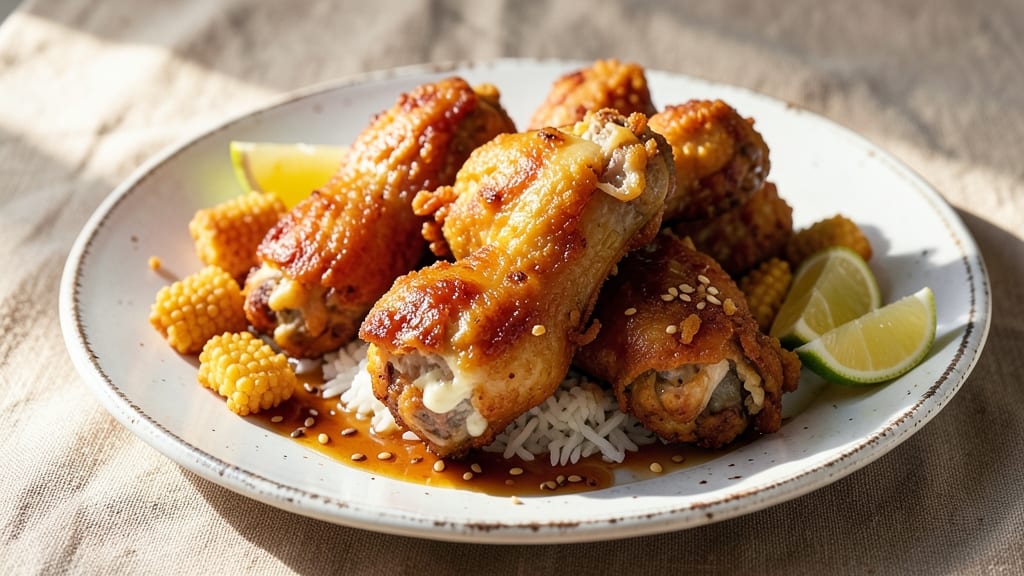
This Maryland fried chicken recipe delivers the crispy, juicy bites that make it a Southern classic—where buttermilk marinades meet perfectly seasoned flour for that iconic crunch. 🌟 I first fell in love with this dish during a trip to Baltimore, where the balance of heat, tang, and sweetness creates something truly special.
The secret lies in the marinade, which tenderizes the meat while infusing it with bold flavors that stand up to the crispy crust.
The beauty of this recipe is its adaptability—whether you're working with whole chickens or cut-up pieces, the technique remains the same. A 30-minute marinade in buttermilk and spices ensures the meat stays juicy, while a double-dredge in seasoned flour guarantees a crust that's crispy enough to stand on its own.
The result is a dish that's both nostalgic and impressive, perfect for gatherings or a satisfying weeknight meal.
What you'll achieve is golden-brown chicken with a crackling exterior and tender, flavorful meat inside—every bite delivers that perfect harmony of tangy, spiced, and slightly sweet notes. The crispy crust shatters with each bite, revealing juicy meat that's impossible to resist.
This is the kind of recipe that turns ordinary dinners into memorable experiences, and it's easier to master than you might think.
Serve with classic sides like roasted potatoes or a simple green salad to round out the meal. The leftovers reheat beautifully, making this a great option for meal prep. Let's get started on creating your own Maryland-style fried chicken that'll have everyone asking for seconds.
Ingredients for maryland chicken
Pantry staples meet Southern tradition for this iconic Maryland fried chicken.
| Ingredient | Amount | Notes |
|---|---|---|
| Chicken Pieces 🍗 | 2 lb | Bone-in, skin-on, cut into 8 pieces |
| Buttermilk 🥛 | 1 ½ cups | Full-fat for best results |
| All-Purpose Flour 🌾 | 2 cups | White or bread flour preferred |
| Cornstarch 🌽 | ½ cup | For extra crispiness |
| Salt 🧂 | 2 tbsp | Kosher or sea salt |
| Ground Black Pepper 🌶️ | 1 tbsp | Freshly ground preferred |
| Garlic Powder 🧄 | 1 tbsp | Not garlic salt |
| Onion Powder 🧅 | 1 tbsp | For depth of flavor |
| Paprika 🌶️ | 1 tbsp | Smoked for authentic taste |
| Cayenne Pepper 🔥 | ½ tsp | Adjust for heat preference |
| Vegetable Oil 🫒 | 3 cups | For frying, 350°F |
| Fresh Lemon Juice 🍋 | 1 tbsp | Brightens the marinade |
The chicken pieces are everything—bone-in, skin-on cuts like drumsticks and thighs stay juicy while the skin crisps to golden perfection. Look for fresh cuts at your local butcher or grocery store's meat department—avoid pre-cut pieces that might be older. For extra authenticity, I like to use a mix of drumsticks and thighs, but Costco or Whole Foods often have pre-cut Maryland-style pieces if you're short on time. The key is to pat them completely dry before marinating—this helps the crust adhere better. If you're using frozen chicken, thaw it overnight in the fridge first.
No buttermilk? Mix 1.5 cups milk with 1 tbsp vinegar or lemon juice—it's the same science, just different ingredients. The smoked paprika is non-negotiable for that true Maryland flavor, but regular paprika plus a pinch of liquid smoke works in a pinch. For the flour mix, King Arthur or Gold Medal brands work perfectly. If you want to cut costs, swap half the all-purpose flour for cornmeal—it adds a nice texture contrast. The cayenne can be adjusted based on spice tolerance, but trust me, a little heat balances the richness beautifully.
This recipe makes enough for a crowd, so plan ahead. The fried chicken stays crispy for about 2-3 hours at room temperature if you keep it in a 200°F oven, but it reheats best in the oven at 375°F for 10-15 minutes. For meal prep, store leftovers in the fridge for 3-4 days or freeze for up to 3 months. The marinade can be made a day ahead—just keep the chicken in it until you're ready to fry. Pro tip: Use a deep fryer thermometer to maintain that perfect 350°F oil temperature—it's worth the investment for consistent results.
Why You'll Love This Recipe
- Five-Ingredient Magic: I swear, this recipe is the kind of thing that makes me question why I ever complicate dinner. Buttermilk marinade + flour-cornstarch mix = that signature crispy-yet-tender texture with zero fuss. The salt? Just enough to make every bite sing without overpowering.
- Crispy-Creamy Obsession: That golden crust hides a juicy, buttermilk-soaked center—like a hug for your taste buds. Honestly, the first time I bit into it, I nearly dropped the plate. It’s the kind of dish that makes people ask, “What’s in it?” and then immediately want the recipe.
- Game for Any Night: Between us, this is my go-to when I’m not in the mood to plan. Weeknight dinner? Check. Potluck side dish? Even better. The leftovers reheat like a dream, and honestly, I’ve served it cold in sandwiches when I was too tired to cook.
- Budget Win: Chicken thighs stay affordable, and the pantry staples (flour, cornstarch, salt) mean I’m not breaking the bank. I’ll be real: I’ve made this for $10 and fed four people—with seconds. That’s a victory in my book.
Step-by-step instructions for Maryland fried chicken
Here's how to make the legendary Maryland-style fried chicken with that signature golden crust.
👨🍳 Step 1: Marinate the Chicken in Buttermilk Magic
In a large resealable plastic bag, combine the 2 lb chicken pieces with the 1½ cups buttermilk and 1 tbsp fresh lemon juice. Seal the bag and gently massage the marinade into the chicken, coating every piece thoroughly. Let it marinate in the refrigerator for at least 4 hours (overnight is even better).
The buttermilk tenderizes the meat while the lemon juice brightens the flavor. You'll see the chicken absorb the liquid and become slightly opaque—this is your signal it's ready for frying. Don't skip this step; it's what makes Maryland fried chicken so juicy.
🍳 Step 2: Build the Crispy Flour Coating
In a large bowl, whisk together the 2 cups all-purpose flour, ½ cup cornstarch, 2 tbsp salt, 1 tbsp ground black pepper, 1 tbsp garlic powder, 1 tbsp onion powder, 1 tbsp paprika, and ½ tsp cayenne pepper. This spiced flour blend is what gives Maryland fried chicken its signature kick and crunch.
Remove the chicken from the marinade (let any excess drip off) and place it in a clean bowl. Pour the flour mixture over the chicken and gently toss to coat each piece evenly. I like to use my hands for this—press the flour into the crevices so you get that perfect crust all over. Let the coated chicken rest for 15 minutes at room temperature before frying.
🔥 Step 3: Fry to Golden Perfection
Pour the 3 cups vegetable oil into a deep fryer or heavy pot and heat to 350°F. Use a deep-fry thermometer to monitor the temperature—it should stay steady. Fry the chicken in batches (don't overcrowd the pot) for 12-15 minutes, turning occasionally, until the external temperature reaches 165°F and the chicken is golden brown and crispy.
Here's the thing—you want that oil shimmering but not smoking. If it gets too hot, the outside will burn before the inside cooks through. The cornstarch in the coating helps create that legendary Maryland crunch, but you've got to maintain that oil temperature. Drain the fried chicken on a wire rack set over a baking sheet to allow air circulation and prevent sogginess.
⏰ Step 4: Rest and Serve
Let the fried chicken rest for 5 minutes before serving. This resting period allows the juices to redistribute, keeping the meat moist and preventing them from running out when you cut in. The exterior will stay crispy while the interior remains tender and juicy.
Serve immediately with your favorite dipping sauces. The contrast of the crispy, spiced exterior with the juicy, tender meat inside is what makes this Maryland fried chicken recipe so special. You'll notice the paprika and cayenne give it that signature kick while the buttermilk marinade keeps it moist and flavorful.
Pro Tips For Making Maryland Chicken
- Pat Dry First: The buttermilk marinade works best when the chicken is bone-dry before going in. I learned this the hard way—wet skin means a thinner crust and less crispiness. Use paper towels and really press into those crevices.
- Keep Oil Steady: That 350°F isn’t a suggestion—it’s non-negotiable. I used to eyeball it and ended up with burnt outsides or raw insides. A cheap thermometer fixes that forever. Let the oil recover between batches too.
- Salt the Flour Well: The 2 tbsp salt in that flour mix might seem like a lot, but trust me. I’ve tasted versions where people skimp, and the flavor falls flat. Kosher salt dissolves better, so don’t swap for table salt without adjusting.
- Rest Before Frying: Those 15 minutes at room temperature after coating aren’t optional. I rushed it once and the crust stuck together in clumps. Let the flour absorb into the chicken—it makes all the difference when you pull it from the oil.
Make-ahead tips for this recipe
Marinate Ahead
I always prep the buttermilk marinade the night before—it's one less thing to do in the morning. Combine the 1½ cups buttermilk and 1 tbsp fresh lemon juice in a resealable bag, then add the 2 lb chicken pieces.
Seal it tightly and refrigerate overnight. The chicken will absorb the marinade perfectly, staying juicy and flavorful without over-soaking. This is my secret to stress-free weeknight cooking. 💫
Double-Dredge Trick
For extra crunch, I recommend a double-dredge technique. After coating the chicken in the first flour mixture, let it rest for 15 minutes, then dip it back into the flour—this second coating traps moisture and creates that legendary Maryland crunch.
I use my hands to press the flour into every crevice, especially around the bone-in pieces. This step makes all the difference in texture. 🔥
Oil Temperature Control
Maintaining 350°F oil temperature is critical—too hot, and the crust burns before the chicken cooks through; too cool, and it absorbs too much oil. I use a deep-fry thermometer because guesswork leads to disappointment.
If your oil starts smoking, let it cool for 2-3 minutes before adding more chicken. Patience here pays off in perfect golden-brown results. ⏰
Batch Cooking Strategy
Frying in batches is non-negotiable—overcrowding the pot drops the oil temperature and ruins the crust. I work in 3-4 piece batches at a time, letting each batch fry undisturbed for 12-15 minutes.
Use tongs to turn them occasionally, but avoid overhandling. This ensures even cooking and maximum crispiness. I also keep a wire rack ready to drain the chicken immediately after frying. 💪
Freezer Prep Method
For meal prep, I freeze the fully cooked chicken on a baking sheet for 1 hour to solidify the crust, then transfer it to airtight containers. This prevents sogginess when reheating.
When ready to eat, thaw overnight in the fridge, then reheat at 375°F for 10-15 minutes until crispy again. The cornstarch in the coating helps maintain texture even after freezing. ✨
Nutrition facts
Frequently asked questions
Why does Maryland fried chicken need buttermilk?
The buttermilk marinade is what makes Maryland fried chicken so tender and flavorful! It breaks down the meat fibers while adding a subtle tanginess that pairs perfectly with the spiced crust. The 1½ cups buttermilk combined with 1 tbsp lemon juice creates a marinade that tenderizes the 2 lb bone-in chicken pieces without making them mushy. This step is non-negotiable for that signature juicy texture.
How do I avoid soggy chicken after frying?
Drain your fried chicken on a wire rack instead of paper towels to maintain crispiness! After frying, place it on a rack set over a baking sheet to allow air circulation—this prevents the crust from getting soggy from trapped moisture. Also, keep the oil temperature steady at 350°F and avoid overcrowding the pot during frying. The cornstarch in your flour blend helps too!
Can I use whole chickens instead of cut pieces?
Yes, but adjust your cooking time! Whole chickens will take 25-30 minutes to reach 165°F internally, longer than the 12-15 minutes for cut pieces. Score the skin before frying to help the marinade penetrate deeper. Just be patient—bone-in pieces stay juicier than boneless cuts, which is why Maryland-style uses them.
What if my oil temperature fluctuates while frying?
Use a deep-fry thermometer to maintain 350°F—it's worth the investment! If the oil gets too hot, let it cool for 2-3 minutes before adding more chicken. Overcrowding drops the temperature, so work in batches of 3-4 pieces at a time. The cornstarch in your flour blend helps create a crispy crust even if the oil isn't perfect.