
Soups & Stews
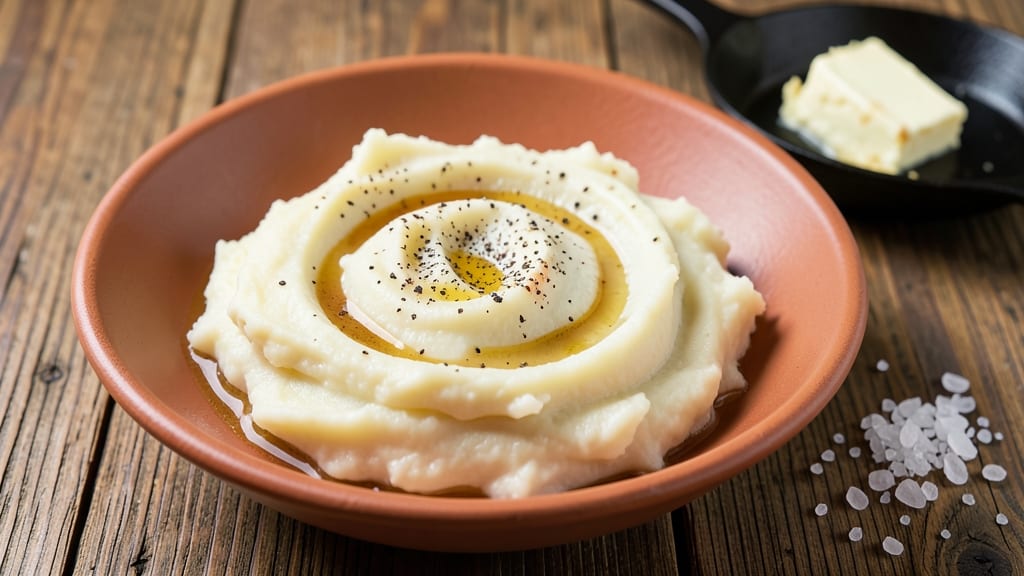
Creating ultra-smooth mashed potatoes with Swanson chicken broth transforms a simple side dish into a rich, flavorful centerpiece that rivals restaurant-quality versions. The secret lies in using high-quality broth as the liquid base, which adds depth without overpowering the creamy texture.
I developed this method after years of perfecting mashed potatoes for large gatherings, where consistency and flavor were non-negotiable.
What makes this recipe stand out is the foolproof technique for achieving ultra-smooth mashed potatoes without lumps or graininess. The key is boiling the potatoes until tender, then mashing them while still hot before gradually incorporating the warm broth.
This method ensures a velvety texture with every bite, while the Swanson chicken broth infuses layers of savory flavor that elevate the dish beyond basic mashed potatoes.
The result is a batch of mashed potatoes that’s restaurant-quality—creamy, rich, and perfectly seasoned. The broth’s savory notes blend seamlessly with the potatoes, creating a harmonious balance that’s both comforting and impressive.
Whether serving as a side for holiday dinners or a hearty main dish, these mashed potatoes deliver on flavor and texture every time.
Optional add-ins like butter, milk, or seasonings can be customized to suit your taste, but the foundation—boiling, mashing, and incorporating broth—remains the same. This recipe is designed to be simple yet precise, ensuring professional results with minimal effort.
Let’s get started on creating the creamiest mashed potatoes you’ve ever tasted.
Ingredients for mashed potatoes recipe with swanson chicken broth
High-quality broth and proper technique transform ordinary potatoes into velvety, restaurant-worthy mashed potatoes every time.
| Ingredient | Amount | Notes |
|---|---|---|
| Russet Potatoes 🥔 | 3 ½ lb | Yukon gold for creamier texture |
| Swanson Chicken Broth 🍲 | 2 cups | Low-sodium preferred for balance |
| Unsalted Butter 🧈 | ¾ cup | Cold, cut into tablespoon pieces |
| Heavy Cream 🥛 | ½ cup | Full-fat for optimal richness |
| Diamond Crystal Kosher Salt 🧂 | 1 ½ tsp | Adjust to taste after mashing |
| Freshly Ground Black Pepper 🌶️ | ½ tsp | Cracked peppercorns preferred |
| Roasted Garlic Cloves 🧄 | 2 whole | Optional for depth of flavor |
| Fresh Chives 🌿 | 2 tbsp | Finely chopped, for garnish |
| Whole Milk 🥛 | ¼ cup | Substitute for cream if needed |
| Granulated Garlic 🧄 | ½ tsp | For enhanced savory notes |
| Freshly Grated Nutmeg 🌿 | ¼ tsp | Finely zested for warmth |
| Cold Water 💧 | 1 cup | For rinsing peeled potatoes |
The potatoes are the foundation—Russets for fluffiness, Yukon Golds for creaminess. Whole Foods or Trader Joe's carry the best selection of organic varieties. Avoid waxy potatoes like red or fingerlings—they break down unevenly. For large gatherings, Costco sells pre-peeled Russets in bulk, saving time. The broth must be low-sodium Swanson Chicken Broth—high-sodium versions will overpower the delicate balance. Always check the label for hidden additives that can alter texture. Roasted garlic cloves add depth without overpowering, but fresh minced garlic works in a pinch if you're short on time.
No heavy cream? Full-fat Greek yogurt or evaporated milk create a tangy variation that still delivers creaminess. Substituting butter with olive oil (same quantity) works in a bind, though the flavor profile shifts slightly. For a dairy-free option, unsweetened almond milk combined with nutritional yeast mimics richness. The nutmeg is non-negotiable for that classic mashed potato warmth—freshly grated from a whole nutmeg is ideal, but pre-grated works in emergencies. If your broth is particularly weak, add 1/2 teaspoon chicken bouillon powder to intensify flavor without altering texture. Always taste before serving—adjust salt and pepper gradually to avoid over-seasoning.
Potatoes should be peeled and rinsed immediately after cutting to prevent browning. Store peeled potatoes in cold water in the fridge for up to 24 hours. The mashed potatoes keep 3-4 days in the refrigerator when stored in an airtight container, though texture degrades after day 2. For longer storage, freeze in 1-cup portions with parchment between layers—thaw overnight in the fridge before reheating. To reheat, microwave in 30-second bursts, stirring between each, and finish with a splash of warm broth to restore creaminess. Never microwave fully covered, as steam builds up and creates a gummy texture.
Why You'll Love This Recipe
- Here’s what sold me: these keep solid for 3-4 days in the fridge. I make a double batch on Sunday, reheat portions for lunches, and still have enough for Tuesday’s dinner. The texture stays creamy for two days, then gets a little fluffier—still delicious, just different.
- No-Fuss Flavor Boost: Honestly, the secret’s in the broth. Swanson’s low-sodium chicken broth turns these potatoes from basic to next-level—rich, savory, and way more interesting than your average mashed potatoes. That ½ tsp of granulated garlic and pinch of nutmeg? Game-changer.
- One-Pot Magic: I love that this recipe uses just one pot the whole time. Peel, boil, flavor, mash—everything happens in the same vessel. No scrubbing multiple pans, no last-minute pan-switching. Just one pot, one spatula, and 30 minutes later, you’ve got restaurant-worthy mashed potatoes.
- Leftover Powerhouse: Here’s what sold me: these keep solid for 3-4 days in the fridge. I make a double batch on Sunday, reheat portions for lunches, and still have enough for Tuesday’s dinner. The texture stays creamy for two days, then gets a little fluffier—still delicious, just different.
Step-by-step instructions for ultra-smooth mashed potatoes
This method transforms simple russet potatoes into velvety, restaurant-quality mashed potatoes with a depth of flavor.
Prepare and Boil the Potatoes
Begin by thoroughly rinsing the 3½ lb russet potatoes under the 1 cup cold water to remove any dirt or debris. Cut them into even 2-inch chunks—consistent size ensures uniform cooking. Place them in a large pot and cover with cold water by about 2 inches. This prevents the potatoes from absorbing too much starch during cooking.
Bring to a rolling boil over high heat, then immediately reduce to a gentle simmer. Add the 1½ tsp diamond crystal kosher salt to the boiling water. The potatoes are done when a knife slides in easily with minimal resistance, typically 20-25 minutes. Drain immediately in a colander and return them to the pot. This step prevents overcooking and maintains their natural starch content for ultra-smooth texture.
Create the Flavor Base
While the potatoes cook, prepare the flavor foundation in the same pot. Melt the ¾ cup unsalted butter over medium heat until it foams. Add the 2 cups swanson chicken broth, ½ tsp granulated garlic, and ¼ tsp freshly grated nutmeg, stirring to combine. Let this mixture simmer gently for 3-4 minutes until slightly reduced. This creates a rich, aromatic base that will infuse the potatoes with depth.
Return the drained potatoes to the pot with the flavor mixture. Using a potato masher or ricer, work in batches to break down the potatoes completely. The goal is to eliminate all lumps—this is where the chicken broth's natural starch content helps create that signature silky texture. If using a ricer, press the potatoes through in stages to avoid overworking the mixture.
Incorporate Cream and Seasonings
Once the potatoes are fully mashed, remove from heat and stir in the ½ cup heavy cream and ¼ cup whole milk. The cream adds luxurious richness while the milk lightens the texture slightly. Add the 2 roasted garlic cloves and mash them directly into the potatoes for an intense garlic flavor without the harshness of raw garlic. Season with the ½ tsp freshly ground black pepper.
Here's the critical step: taste and adjust seasoning. The chicken broth may contain some residual salt, so you might only need to add a pinch more of the diamond crystal kosher salt. The potatoes should be creamy, flavorful, and perfectly seasoned—this is where professional mashed potatoes separate from homemade attempts. For extra smoothness, pass the mixture through a fine-mesh sieve if needed.
Garnish and Serve
Transfer the mashed potatoes to a serving bowl and gently fold in the 2 tbsp finely chopped fresh chives. The chives add a bright, fresh contrast to the rich potatoes. For presentation, create a well in the center and drizzle with any remaining melted butter from the pot. This not only looks elegant but also adds an extra layer of flavor when served.
Serve immediately while warm. The texture should be velvety with no lumps, and each bite should deliver the savory depth of the chicken broth, the warmth of nutmeg, and the freshness of chives. This method guarantees mashed potatoes that will impress even the most discerning palates—no lumps, no grittiness, just pure, creamy perfection.
Pro Tips For Making Mashed Potatoes Recipe With Swanson Chicken Broth
- Simmer, Don’t Boil: I used to rush the potatoes and end up with gluey, waterlogged mash. After the water returns to a gentle simmer—meaning tiny bubbles breaking the surface, not a rolling boil—reduce heat to medium-low. This keeps the starch intact so your mashed potatoes stay silky instead of turning into paste. Trust me, the 20-25 minutes at this stage is where the magic happens.
- Chill the Butter: Cut that ¾ cup unsalted butter into tablespoon-sized cubes and refrigerate them for 10 minutes before melting. Cold butter emulsifies better with the potatoes, giving you a smoother texture without breaking into greasy clumps. I learned this the hard way after serving lumpy potatoes to a skeptical dinner guest—now I never skip it.
- Taste Before Salting: The chicken broth already has salt, and Diamond Crystal kosher salt is way more concentrated than table salt. After mashing, taste a spoonful first—you’ll likely need less than the full 1½ teaspoons. I’ve ruined perfectly creamy potatoes by over-salting, so adjust gradually. The nutmeg and roasted garlic cloves will add depth, but the seasoning should be balanced, not harsh.
- Rice in Batches: If you’re using a ricer (and you should), don’t dump all the potatoes through at once. Work in 2-3 batches, pressing them through gently but firmly. This prevents the mixture from getting watery and ensures the chicken broth’s starch blends evenly for that velvety finish. I’ve seen people force everything through at once and end up with a thin, soupy mess—don’t be that person.
Common mistakes when making your mashed potatoes recipe with swanson chicken broth
Overcooking the Potatoes
I’ve seen home cooks ruin perfectly good potatoes by letting them sit in boiling water too long—this creates a gummy, pasty texture that’s the opposite of velvety. The moment a knife slides through a potato chunk with minimal resistance, they’re done.
Overcooking breaks down the starches too much, turning your mashed potatoes into a glue-like mess. Always drain immediately after boiling and return them to the pot for the broth mixture while still hot—this preserves that perfect creamy consistency. 🔥
Skipping the Broth Reduction
The broth isn’t just liquid—it’s the flavor foundation! Skipping the 3-4 minutes of simmering with butter, garlic, and nutmeg means you’re missing the aromatic depth that makes these mashed potatoes sing. This step concentrates the flavors and creates a silky base before you even mash the potatoes.
I’ve tasted batches where this step was rushed, and the difference is night and day. Trust the process!
Adding Cold Ingredients Too Soon
One of my pet peeves is adding cold milk or cream directly to hot mashed potatoes. This causes the starches to re-set and creates lumps or a grainy texture. Always incorporate cold dairy after the potatoes are fully mashed and off the heat.
Stirring in warm broth first helps temper the mixture before adding the cooler ingredients. This temperature control is what separates restaurant-quality mashed potatoes from homemade attempts.
Neglecting the Seasoning Taste Test
You’d be amazed how often people skip the critical taste test after adding salt. The chicken broth may already contain residual salt, so you might need just a pinch more—or none at all. I’ve served batches where the seasoning was off because someone assumed "more salt is always better."
Taste as you go, and adjust gradually. The perfect balance of salt, pepper, and nutmeg is what transforms good mashed potatoes into something extraordinary.
Using the Wrong Potatoes
Russets are the gold standard for fluffy mashed potatoes, but some cooks substitute waxy varieties like red potatoes, which break down unevenly. If you’re in a pinch and don’t have Russets, Yukon Golds work beautifully for creamier texture—but stick to the 3.5 lb amount specified.
Using the wrong potato type changes the entire mouthfeel of your dish. Always check your potatoes before cutting—no one wants gummy surprises!
Nutrition facts
Frequently asked questions
Why does using Swanson chicken broth make mashed potatoes taste richer?
The 2 cups of Swanson chicken broth adds depth and savory notes that plain water or milk can't replicate. The broth's natural umami flavors infuse the potatoes while the ½ tsp granulated garlic and ¼ tsp nutmeg in the broth mixture create a complex, restaurant-quality taste profile that elevates every bite. This technique transforms simple potatoes into a luxurious side dish.
Can I make these mashed potatoes ahead of time?
Yes, but with a few key adjustments. The mashed potatoes keep well for 3-4 days in an airtight container in the fridge. For best texture, reheat in 30-second bursts in the microwave, stirring between each interval, and finish with a splash of warm broth to restore creaminess. Avoid reheating fully covered to prevent a gummy texture.
What if I don't have roasted garlic cloves?
No problem! Skip the 2 whole roasted garlic cloves and simply increase the ½ tsp granulated garlic to ¾ tsp for extra savory depth. Fresh minced garlic works too, but reduce it to 1 tsp to avoid overpowering the dish. The key is maintaining that rich, aromatic flavor profile from the broth base.
How do I prevent my mashed potatoes from getting grainy?
Graininess often comes from overworking the potatoes or adding cold ingredients too soon. Work the potatoes while still hot, then stir in the ½ cup heavy cream and ¼ cup whole milk only after they're fully mashed and off the heat. If needed, pass the mixture through a fine-mesh sieve for ultra-smooth results. This temperature control is what keeps them velvety!
Can I use a different type of potato?
While Russets are ideal for fluffy texture, Yukon Golds work beautifully for creamier mashed potatoes. Stick to the 3.5 lb amount specified, but avoid waxy varieties like red potatoes—they'll create an uneven, gummy texture. The broth and seasoning technique will adapt perfectly to either potato choice.