
Main Courses
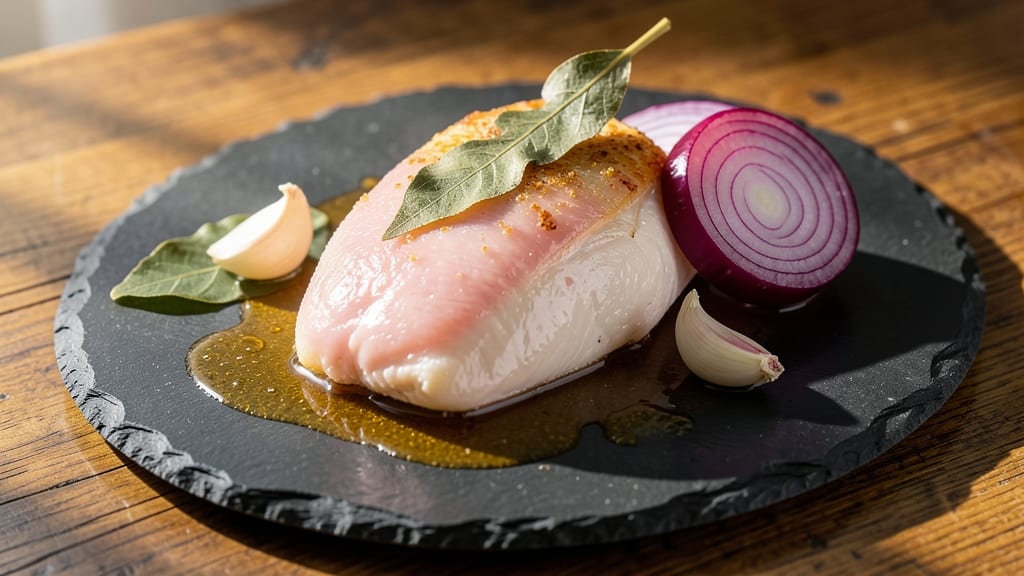
Mastering poached chicken transforms simple weeknight meals into restaurant-quality dishes with juicy meat and silky-smooth skin. After years of perfecting my grandmother's Sunday roast techniques, I discovered poaching delivers consistently tender results without dryness or overcooking.
The secret lies in precise water temperature and timing—something I've tested repeatedly to ensure foolproof success.
This method requires just a few pantry staples and 30 minutes of active time, making it ideal for busy home cooks. Unlike roasting or frying, poaching gently cooks the chicken in flavorful liquid, preserving moisture while allowing aromatics to infuse every bite.
The result is chicken so tender it practically melts in your mouth, with skin that stays silky rather than crispy.
What makes this recipe truly special is its versatility—use it in sandwiches, salads, or tacos, or serve it whole with pan sauces and fresh herbs. The technique works equally well with chicken breasts, thighs, or even whole birds, giving you control over doneness and texture.
With proper seasoning, your poached chicken will taste like it came from a professional kitchen.
Here's where precision matters most: maintaining the right water temperature, using enough liquid to fully submerge the chicken, and checking for doneness without overcooking. Let's get started with a method that delivers restaurant-quality results every time.
Ingredients for poached chicken
Pantry staples plus a few fresh aromatics. Juicy, silky results guaranteed.
| Ingredient | Amount | Notes |
|---|---|---|
| Chicken Breast 🍗 | 1 ½ lb | Boneless, skin-on preferred |
| Water 💧 | 4 cups | Filtered preferred for clarity |
| White Vinegar 🍶 | ½ cup | White or apple cider |
| Bay Leaves 🌿 | 2 whole | Fresh preferred, dried works |
| Garlic Cloves 🧄 | 4 cloves | Peeled, lightly crushed |
| Onion 🧅 | 1 whole | Yellow or white, halved |
| Salt 🧂 | 1 ½ tsp | Diamond Crystal preferred |
| Black Peppercorns 🌶️ | ½ tsp | Freshly cracked preferred |
| Fresh Thyme 🌿 | 2 sprigs | Stems removed, leaves only |
| Unsalted Butter 🧈 | ½ cup | Cold, cubed for finishing |
| Lemon Juice 🍋 | 1 tbsp | Freshly squeezed |
| Olive Oil 🫒 | 1 tbsp | Extra-virgin for finishing |
The chicken cut matters here. Skin-on breasts give you that silky texture, but thighs work too—they stay juicier. Most grocery stores carry boneless, skin-on breasts in the meat case, but check the freezer section for better deals. Costco sells them in bulk if you're feeding a crowd. Look for pieces with good marbling—they'll stay moist longer. If you're using thighs, trim any excess fat to avoid greasy poaching water. Fresh thyme and bay leaves make the difference between good and restaurant-quality—don't skip them, even if they're dried.
No fresh thyme? Dried works at one-third the amount. Short on bay leaves? Two sprigs of fresh rosemary will do in a pinch. The vinegar keeps the water acidic enough to poach properly—no vinegar? Substitute lemon juice at the same amount. For the butter finish, ghee works too if you're avoiding dairy. The olive oil at the end? Extra-virgin is key—it adds that bright finish. If you're using thighs, you can skip the butter entirely and just use the olive oil for a lighter touch. The garlic and onion add depth, but you can use powdered versions if you're in a hurry—just halve the amount.
Poached chicken keeps beautifully. Store in the fridge for 4-5 days in its poaching liquid—it actually gets better as the flavors meld. For longer storage, freeze for up to 3 months. I like to portion it into containers with some of the poaching liquid for easy reheating. To reheat, just warm gently in the liquid or microwave with a splash of water. The skin stays silky if you reheat carefully—don't let it dry out. Leftovers make amazing sandwiches or salads, and the flavor only improves with time.
Why You'll Love This Recipe
- One-Pot Magic: No last-minute chopping frenzy here. Just toss the chicken in, let it simmer, and boom—you’ve got dinner. The vinegar and aromatics do all the work while you’re sipping that wine you’ve been saving.
- Restaurant-Quality Flavor: That buttery lemon finish? It’s like a secret handshake with your taste buds. The garlic, thyme, and onion infuse the chicken while poaching, so every bite carries layers of brightness and depth—no dryness, no guesswork.
- Leftovers That Outshine Dinner: Seriously, this chicken gets better the next day. Reheat in its poaching liquid, and it’s still juicy and packed with flavor. My kids even ask for seconds on day three—yes, really.
- Budget-Friendly Luxury: Spends like a splurge but costs pennies. A whole chicken breast, a few pantry staples, and you’ve got a dish that feels fancy without breaking the bank. Plus, the poaching liquid? Free flavor boost for tomorrow’s meal.
Step-by-step instructions for poached chicken
Here's the method that delivers tender, juicy chicken with silky-smooth skin every single time.
Prepare the Poaching Liquid
In a large Dutch oven or deep pot, combine the 4 cups water, ½ cup white vinegar, 2 bay leaves, 4 cloves garlic cloves, 1 halved onion, 1½ teaspoons salt, and ½ teaspoon black peppercorns. Bring to a gentle simmer over medium heat—you're looking for small bubbles around the edges, not a rolling boil. This controlled simmer prevents the chicken from cooking too quickly on the outside while staying raw inside.
Here's the thing—adding the vinegar isn't just for acidity. It helps tenderize the chicken and keeps the meat beautifully white rather than gray. The aromatics infuse the liquid with flavor that will penetrate the chicken during poaching. Once simmering, add the 2 sprigs fresh thyme and let the mixture steep for 5 minutes to meld the flavors. The liquid should smell fragrant and inviting—this is your flavor base.
Poach the Chicken Until Perfectly Done
Carefully lower the 1½ lb chicken breast (skin-side down if using skin-on) into the simmering liquid. The water should cover the chicken by about 1 inch. Return to a gentle simmer—never a boil—and maintain this temperature. Poaching at 180-190°F ensures the chicken cooks evenly without drying out. Use a thermometer if needed; the internal temperature should reach 165°F at the thickest part.
Poach for 20-25 minutes—this is where patience pays off. The skin will become silky and translucent, and the meat will pull away cleanly from the bone when tested with a fork. Here's a pro tip: If the liquid reduces too much and starts to bubble vigorously, add 4 cups hot water to maintain the gentle simmer. Overcooking is the enemy of juicy chicken, so resist the urge to rush this step.
Finish with Butter and Lemon for Extra Flavor
Once the chicken reaches 165°F, remove it from the poaching liquid and transfer to a plate. Let it rest for 5 minutes—this allows the juices to redistribute, ensuring every bite is moist. While it rests, skim off any fat that rose to the surface of the poaching liquid (if using skin-on chicken) and discard. Return the liquid to a simmer, then whisk in the ½ cup unsalted butter and 1 tablespoon lemon juice until melted and smooth.
Here's the moment that matters: Pour this buttery, lemon-infused liquid over the rested chicken. The butter adds richness and helps create a silky finish, while the lemon brightens the flavors. Taste and adjust seasoning with a pinch of salt if needed. The result should be chicken that's tender, juicy, and bursting with layered flavors—no dryness in sight.
Serve Immediately for Maximum Juiciness
Slice the chicken against the grain into ¼-inch thick pieces for maximum tenderness. Serve immediately, drizzled with any remaining poaching sauce. The contrast of the warm, buttery chicken against a crisp green salad or fluffy rice makes this dish shine. Real talk: If you let the chicken sit too long, it'll lose some of that juicy magic, so get it on the table while it's hot.
This method guarantees juicy, restaurant-quality poached chicken with minimal effort. The key is controlling the heat and letting the chicken cook slowly in the flavorful liquid. Every bite should be moist, tender, and packed with the aromas of thyme, garlic, and lemon. Enjoy it as-is or use it in sandwiches, salads, or grain bowls—it's that versatile.
Pro Tips For Making Poached Chicken
- Keep It Gentle: That rolling boil is your enemy—it turns chicken rubbery. A gentle simmer with tiny bubbles at the edges (180-190°F) is non-negotiable. I learned this the hard way when my first batch came out tough as a boot.
- Crush That Garlic: Lightly crushing the 4 cloves of garlic (not mincing) lets the flavor seep into the poaching liquid without turning it bitter. Freshly cracked black peppercorns do the same—skip the pre-ground stuff, or your dish will taste flat.
- Don’t Skimp on Vinegar: The ½ cup white vinegar isn’t just for acidity—it tenderizes the chicken and keeps the meat snowy white. I was skeptical until I tried it; now I double the amount if I’m using bone-in pieces.
- Butter First, Lemon Second: Whisk in the cold cubed butter before the lemon juice—it melts faster and coats the chicken evenly. The lemon brightens last, cutting through the richness. (Yes, even if you’re impatient like me, wait for the butter to fully incorporate.)
Flavor customization for poached chicken
Herbal Infusions
For a fragrant twist, swap thyme for rosemary or oregano—both pair beautifully with the vinegar and garlic. I love using 2 sprigs fresh rosemary instead of thyme; it adds a piney brightness that cuts through the richness.
If you're short on fresh herbs, dried works at 1 teaspoon per sprig. For a citrusy kick, add 1 tbsp grated lemon zest to the poaching liquid alongside the thyme—it infuses the chicken with a bright, zesty note that lasts.
Spiced Variations
Want something with warmth? Add 1 cinnamon stick and 2 cloves to the poaching liquid for a subtle, aromatic depth. This works especially well with chicken thighs, which hold up to the spices.
For a smoky flavor, I like to add ½ tsp smoked paprika to the butter finish—it gives the chicken a subtle campfire taste without overpowering. Test with ½ teaspoon first, as spices can vary in intensity.
Broth Boosters
Replace plain water with 4 cups chicken or vegetable broth for an instant flavor upgrade. I prefer homemade broth from my neighborhood butcher, but store-bought works too.
For a creamy finish, stir in ¼ cup heavy cream or ½ cup coconut milk with the butter and lemon juice—it adds richness without changing the texture. The result is a velvety poaching sauce that feels luxurious.
Sweet and Tangy Twist
Add 1 tbsp honey to the poaching liquid for a subtle sweetness that balances the acidity of the vinegar. This pairs perfectly with 1 tbsp Dijon mustard stirred into the butter finish—it creates a tangy-sweet contrast that’s addictive.
For a tropical version, I’ve also used ½ cup pineapple juice instead of water, then finished with 1 tbsp lime zest—it’s a vacation in every bite.
Global Flavor Swaps
For an Italian touch, add 1 bay leaf and 3 basil leaves to the poaching liquid, then finish with 1 tbsp capers mixed into the butter sauce.
If you’re craving something Middle Eastern, swap the thyme for 1 teaspoon ground cumin and add 1 tsp ground coriander to the butter finish. These spices add warmth that’s perfect for serving with flatbread or couscous. The key is to let the flavors meld while poaching—don’t rush it!
Nutrition facts
Frequently asked questions
Why does my poached chicken turn gray instead of white?
The white vinegar in the poaching liquid preserves the chicken's natural color by preventing oxidation. If your chicken turns gray, it may be overcooked or cooked in water without proper acidity. Stick to the ½ cup vinegar and maintain a gentle simmer—never a boil—to keep that pristine white color. The vinegar also tenderizes the meat, so don't skip it!
Can I use chicken thighs instead of breasts for poaching?
Chicken thighs hold up beautifully to poaching and stay juicier than breasts. Just reduce the poaching time to 15-20 minutes since they cook faster. They'll stay moist and flavorful, perfect for sandwiches or grain bowls. The skin will become silky rather than crispy.
What if my poaching liquid reduces too quickly?
If the liquid evaporates too fast, add ½ cup hot water to maintain the gentle simmer. This keeps the chicken submerged and prevents overcooking. The key is consistency—never let it boil vigorously. A thermometer helps too; aim for 180-190°F for perfect results.
How do I know when the chicken is perfectly done?
Use a meat thermometer to check the thickest part of the chicken—it should reach 165°F. The skin should look silky and translucent, and the meat will pull away easily from the bone. Overcooking is the enemy of juiciness, so resist the urge to check it too often!
Can I make this recipe ahead of time?
Yes! Store poached chicken in its poaching liquid in the fridge for 4-5 days—the flavors actually improve over time. For longer storage, freeze for up to 3 months. Reheat gently in the liquid or microwave with a splash of water to keep it moist. Leftovers shine in salads or sandwiches!