
Main Courses
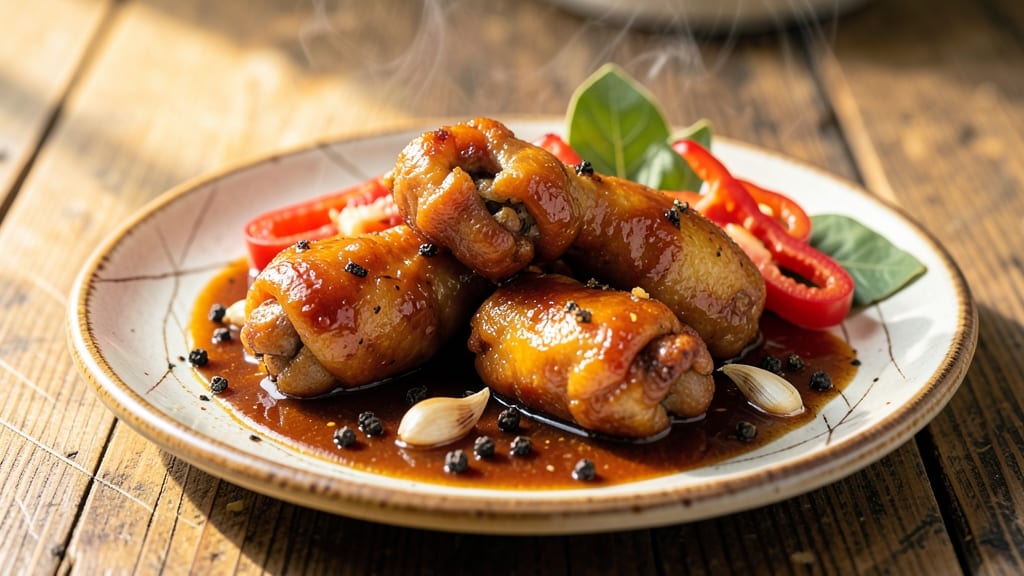
This adobong chicken feet recipe turns tough, chewy bits into a Filipino adobo treasure—where crispy skins cloak rich, gelatinous layers bursting with tangy, savory magic. The secret lies in a slow, multi-stage cooking process that breaks down collagen while building layers of tangy, savory adobo sauce.
I developed this recipe after years of experimenting with traditional techniques, ensuring every bite delivers that perfect balance of texture and depth.
This dish begins with thorough soaking and parboiling to remove impurities and jumpstart the tenderizing process, then braises in a rich adobo marinade of vinegar, soy sauce, garlic, and black pepper. The result?
Chicken feet that are so tender they practically dissolve on your tongue, all while maintaining that satisfying crunch. It’s a labor of love that rewards patience with restaurant-quality results you’d never expect from chicken feet.
What makes this recipe special is how the adobo sauce transforms from a simple marinade into a thick, glossy glaze that clings to every bite. The aroma alone—tangy, garlic-forward, with just a hint of smokiness—will have your kitchen smelling like a Filipino comfort food feast.
Serve it over steamed white rice to soak up every last drop of that flavorful sauce.
Perfect for special occasions or when you want to impress with a dish that’s equal parts challenging and rewarding. The key to success is timing and technique—don’t rush the soaking or braising, and let the sauce reduce until it’s just thick enough to coat the feet perfectly.
This is Filipino home cooking at its finest, where humble ingredients become something extraordinary.
Ingredients for adobong chicken feet
Filipino comfort food essentials. The secret's in the slow braise and tangy sauce.
| Ingredient | Amount | Notes |
|---|---|---|
| Chicken Feet 🦶 | 2 lbs | Cleaned, trimmed, parboiled |
| White Vinegar 🍶 | 1 ½ cups | Distilled preferred for tang |
| Soy Sauce 🍶 | ½ cup | Dark soy for color depth |
| Garlic Cloves 🧄 | 8 cloves | Minced, fresh preferred |
| Black Peppercorns 🌶️ | 1 tbsp | Crushed, not ground |
| Bay Leaves 🍃 | 2 whole | Dried, standard size |
| Sugar 🍚 | ¼ cup | Granulated, balances acidity |
| Onion 🧅 | 1 whole | Yellow, sliced |
| Olive Oil 🫒 | 2 tbsp | For initial searing |
| Salt 🧂 | 1 ½ tsp | Kosher, adjust to taste |
| Water 💧 | 1 ½ cups | For initial parboiling |
| White Rice 🍚 | 2 cups | Long-grain, for serving |
Chicken feet are the star, so look for clean, fresh ones at Asian markets or specialty butchers. Filipino grocery stores often have pre-cleaned ones, which saves time. The feet should smell clean, not fishy. If you can't find them fresh, frozen works too—just thaw overnight in the fridge. For the vinegar, distilled white vinegar gives the cleanest tang, but apple cider vinegar adds a nice complexity if you're feeling adventurous. I usually grab my soy sauce from Trader Joe's—their dark soy adds that gorgeous color without overpowering.
No dark soy sauce? Regular soy sauce plus a pinch of molasses mimics the depth. Running short on garlic? Garlic powder at half the amount works, but fresh is worth it here. The peppercorns should be crushed—not ground—so they release their flavor gradually. If you're using dried bay leaves, make sure they're whole and aromatic. The sugar might seem odd, but it's crucial to balance the acidity and bring out the natural sweetness of the chicken. For the onion, yellow or red both work, but yellow has a slightly sweeter flavor that pairs well with the tangy sauce.
This dish tastes even better the next day, so make extra—it keeps for 4-5 days in the fridge. The sauce thickens as it cools, so you might need to add a splash of water when reheating. For serving, steamed white rice soaks up all that glorious sauce. Store leftovers in an airtight container with a splash of water to keep things moist. The chicken feet will stay tender for days if stored properly, making this a great make-ahead dish for gatherings.
Why You'll Love This Recipe
- One-Pot Magic: I love how this recipe turns one Dutch oven into the whole show—no extra pans, no cleanup chaos. The chicken feet start with a quick 15-minute parboil, then just sear and braise while the flavors build themselves. By the time you’re done, you’ve got a dish that’s practically hands-off after the initial prep.
- Tangy, Savory Perfection: That balance of vinegar and soy sauce? Chef’s kiss. The garlic and black peppercorns infuse everything while the sugar tames the acidity, leaving you with a sauce that’s rich but still bright. The crispy skin and tender meat inside? It’s the kind of contrast that makes you go back for seconds without even thinking.
- Leftover Powerhouse: Honestly, this is the kind of recipe that makes me want to double the batch. The flavors get even better the next day, and it keeps for days in the fridge—perfect for lunches or when you’re too tired to cook. Just reheat and serve over rice, and you’ve got a meal that feels like it took hours but actually took minutes.
- Budget-Friendly Feast: Between the chicken feet and pantry staples like vinegar and soy sauce, this is one of those meals that stretches your dollar without sacrificing taste. You’re getting a protein-packed dish that feels indulgent but won’t break the bank. Plus, it’s the kind of thing that makes me feel like I’ve won at meal planning.
Step-by-step instructions for adobong chicken feet
Here's how to transform tough chicken feet into melt-in-your-mouth tender bites with that signature Filipino adobo tang.
Parboil the Chicken Feet
Start by filling a large pot with enough water to cover the 2 lbs chicken feet. Bring to a boil and add the 1½ tsp salt. Once boiling vigorously, add the chicken feet and cook for 15 minutes. This initial boil removes impurities and begins softening the connective tissue.
After 15 minutes, drain and rinse the chicken feet thoroughly under cold water. This step is crucial—it removes any blood or grit that could make your final dish bitter. Pat them completely dry with paper towels before proceeding. The feet should feel lighter and cleaner after rinsing.
Sear for Depth of Flavor
Heat the 2 tbsp olive oil in a large Dutch oven over medium-high heat until shimmering. Working in batches if needed, add the chicken feet and sear for 3-4 minutes per side until golden brown. Don't crowd the pan—this ensures proper browning and flavor development.
As they brown, you'll notice the skin crisping and the feet developing a rich caramelized color. This searing step creates the foundational flavors that will carry through the entire dish. Remove the seared chicken feet and set them aside temporarily.
Build the Adobo Base
In the same Dutch oven, add the sliced 1 onion and cook for 3-4 minutes until softened and translucent. Add the minced 8 garlic cloves and crushed 1 tbsp black peppercorns, cooking for another 30 seconds until fragrant. This aromatic base forms the flavor foundation of your adobo.
Pour in the 1½ cups white vinegar and ½ cup soy sauce, scraping up any browned bits from the bottom of the pot. Add the 2 bay leaves and ¼ cup sugar, stirring to combine. Bring this mixture to a boil, then reduce heat to medium-low and let it simmer for 5 minutes to allow the flavors to meld together.
Braise to Tenderness
Return the seared chicken feet to the Dutch oven along with the 1½ cups water. Bring the mixture to a gentle simmer, then cover and reduce heat to low. Here's where patience pays off—simmer for 1 hour 15 minutes, turning the chicken feet occasionally to ensure even cooking.
You'll know they're ready when the meat pulls away from the bones easily and the sauce has thickened slightly. The chicken feet should be fork-tender with a satisfying crunch to the skin. If the sauce reduces too quickly, add a splash of water to maintain the proper consistency.
Finish and Serve
Remove the 2 bay leaves from the sauce. Taste and adjust seasoning if needed—you might want to add a bit more salt or sugar to balance the acidity. The sauce should coat the back of a spoon and have a glossy sheen.
Serve the adobong chicken feet hot over the 2 cups cooked white rice, spooning the flavorful sauce generously over the top. The contrast of tender meat with the crispy skin and tangy sauce over fluffy rice creates a perfect balance of textures and flavors.
Pro Tips For Making Adobong Chicken Feet
- CRISP THE SKIN FIRST: I used to skip searing and just braise—big mistake. Those 3-4 minutes per side over medium-high heat with 2 tbsp olive oil turn the skin into edible gold. If you crowd the pan, you’ll end up with soggy feet. Work in batches, even if it takes an extra five minutes.
- CRUSH, DON’T GRIND, THE PEPPERCORNS: Whole peppercorns stay punchy and aromatic; grinding them turns them into bitter dust. Use a mortar and pestle or roll them with the flat side of a knife until they crack but don’t turn to powder. Trust me, the difference in flavor is night and day.
- DON’T SKIP THE COLD RINSE: After parboiling, that 15-minute boil leaves behind blood and grit. Rinsing under cold water after draining stops the cooking and washes away impurities that’ll make your sauce taste off. Pat them thoroughly—wet feet won’t sear, and you’ll lose that crispy skin.
- SIMMER LOW AND LONG—NO CHEATING: I’ve tried speeding this up by cranking the heat, but the feet turn rubbery. Keep it at a gentle simmer for the full 1 hour 15 minutes, turning them occasionally. If the sauce reduces too fast, add a splash of water—but don’t rush the cooking. Patience here makes the difference between tough and tender.
Troubleshooting this recipe
Overcooked Chicken Feet
If your chicken feet turn rubbery instead of tender, you’ve likely overcooked them during the braising stage. The key is to stop cooking once the meat pulls away from the bones easily—about 1 hour 15 minutes total.
Overcooking can happen if your heat is too high or if you forget to turn the feet occasionally. I’ve found that using a gentle simmer (barely bubbling) prevents this issue. If you notice the sauce reducing too quickly, add a splash of water to maintain moisture. 🔥
Bitter or Sour Taste
A bitter or overly sour flavor often comes from not rinsing the chicken feet properly after parboiling. After the initial 15-minute boil, always rinse them thoroughly under cold water to remove blood and impurities.
If the vinegar taste is too strong, add a pinch of sugar or a splash of water to balance it. I sometimes add a ½ tsp molasses to mellow the acidity if needed.
Sauce Too Thin or Too Thick
Thin sauce? You likely didn’t reduce it enough during the 5-minute simmer of the adobo base. Keep stirring and let it thicken naturally—it should coat the back of a spoon.
If it’s too thick, add 1-2 tbsp water while simmering. For extra depth, let the sauce reduce uncovered for the last 5 minutes of cooking.
Skin Not Crispy Enough
If the skin lacks that satisfying crunch, the searing step might not have been thorough enough. Make sure to sear the feet in batches over medium-high heat until golden brown—3-4 minutes per side.
Avoid crowding the pan, or the oil temperature will drop and prevent proper browning. I use a Dutch oven for even heat distribution, which helps achieve that perfect crisp.
Underseasoned or Overly Salty
Taste the sauce before serving and adjust seasoning as needed. If it’s too salty, add a 1-2 tbsp water or a splash of vinegar to dilute. For extra flavor, I sometimes add a ½ tsp fish sauce or a pinch of MSG (traditional in Filipino cooking) to enhance umami.
Taste as you go—seasoning can always be adjusted, but you can’t un-salt overcooked food.
Dry or Grainy Texture
If the chicken feet taste dry, they may have lost too much moisture during cooking. Ensure you’re using 1½ cups water during the braising stage and cover the pot tightly to trap steam.
If the texture feels grainy, it could mean the feet weren’t parboiled long enough. Next time, extend the initial boil to 20 minutes to break down more collagen. 💡
Nutrition facts
Frequently asked questions
Why do chicken feet need parboiling before cooking?
Parboiling for 15 minutes removes impurities and blood, preventing bitterness. It also begins breaking down collagen for tenderness. Skipping this step can leave your dish with an off-flavor and tough texture.
Can I use frozen chicken feet in this recipe?
Yes! Just thaw them overnight in the fridge before parboiling. Frozen feet work fine, but ensure they’re fully defrosted to avoid uneven cooking. The rest of the process remains the same.
How do I know when the chicken feet are done?
They’re ready when the meat pulls away from the bones easily after 1 hour 15 minutes of braising. The skin should be crispy, and the sauce should coat the back of a spoon. Overcooking turns them rubbery, so check them at the 1-hour mark.
What if my sauce is too thin after braising?
Simmer uncovered for 5 minutes to reduce naturally. If needed, stir in 1-2 tbsp water to adjust consistency. Always taste before serving—adjustments are easy before plating!