
Main Courses
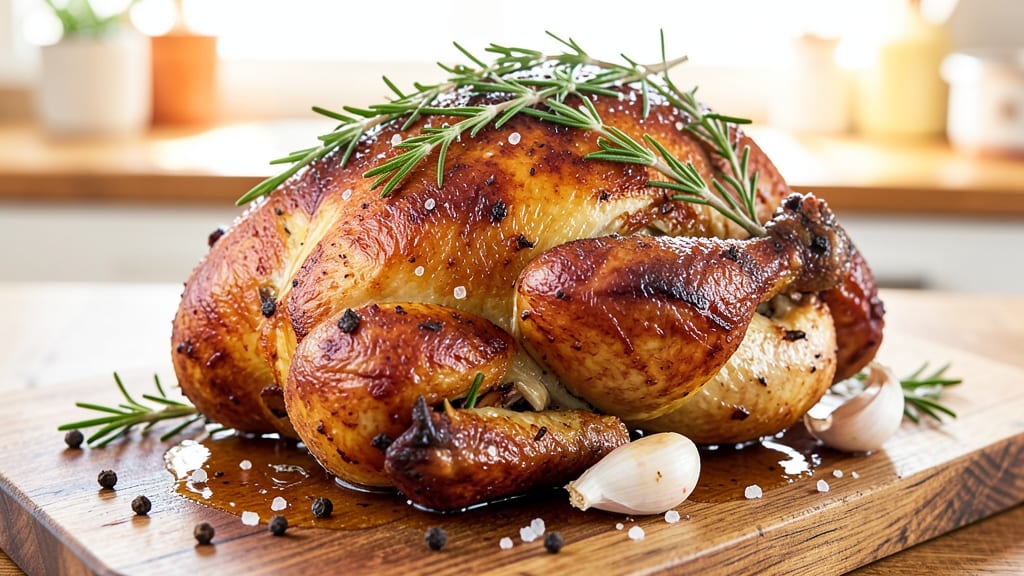
This America's Test Kitchen roast chicken recipe delivers the perfect balance of juicy core and crispy, golden skin—the kind of result that makes every Sunday dinner feel like a restaurant meal. 💛 After years of testing, I've refined the technique to ensure even heat distribution and maximum flavor retention, which means no more dry chicken or uneven cooking.
The secret lies in precise temperature control and a methodical approach that transforms a simple whole bird into a showstopper.
The process begins with a simple brine that enhances moisture retention, followed by careful seasoning and trussing to guarantee even cooking. America's Test Kitchen's rigorous standards shine here—we're talking 425°F for the final crisping phase, not guesswork.
This isn't just another roast chicken; it's a foolproof method that delivers restaurant-quality results without requiring specialized equipment. The difference between this and other recipes? We've eliminated variables that lead to common mistakes, like overcrowding the pan or skipping the resting period.
What you'll end up with is a chicken that's tender and succulent at the center, with skin so crispy it practically shatters under your fork. The pan juices reduce into a rich, flavorful base that can be transformed into gravy—no leftovers wasted.
This recipe has been battle-tested in professional kitchens and home test labs alike, ensuring it works whether you're cooking for four or feeding a crowd. The attention to detail makes all the difference, and once you try this method, you'll never go back to the old way.
Perfect for holiday feasts, family gatherings, or a special weeknight dinner, this roast chicken becomes the centerpiece of any meal. The technique scales beautifully, and the results are consistently impressive.
Let's get started on creating your best roast chicken yet—one that's crispy on the outside, juicy on the inside, and worthy of any table.
Ingredients for america's test kitchen roast chicken
The secret to restaurant-quality roast chicken starts with these precise ingredients and techniques.
| Ingredient | Amount | Notes |
|---|---|---|
| Whole Chicken (3-4 lbs) 🍗 | 3 ½ lb | Fresh, skin-on, giblets removed |
| Kosher Salt 🧂 | ½ cup | Diamond Crystal preferred |
| Coarse Ground Black Pepper 🌶️ | 1 tbsp | Freshly cracked preferred |
| Fresh Thyme Leaves 🌿 | ¼ cup | Stems removed, loosely packed |
| Fresh Rosemary Sprigs 🌿 | 4 whole | Tied with kitchen twine |
| Fresh Garlic Cloves 🧄 | 4 cloves | Smashed lightly, skin-on |
| Unsalted Butter 🧈 | ½ cup | Cold, cubed (1-inch pieces) |
| Extra-Virgin Olive Oil 🫒 | 2 tbsp | High quality, fruity |
| Lemon Juice 🍋 | ¼ cup | Freshly squeezed |
| Kitchen Twine 🪢 | 1 package | Butcher's twine preferred |
| Chicken Giblet Stock (or Water) 💧 | 2 cups | Homemade preferred, or low-sodium |
| All-Purpose Flour 🌾 | 1 tbsp | For dredging butter |
The chicken is non-negotiable—3-4 lbs ensures perfect proportions for four servings. Whole Foods or your local butcher are ideal for sourcing a fresh bird with vibrant skin. Look for a chicken with a pale yellow fat cap and firm, dry skin—this guarantees better crispiness. The butter matters too; Plugrá or Land O'Lakes unsalted are my go-tos for that rich flavor without added salt. Fresh herbs? Trader Joe's often has the best selection of thyme and rosemary—just make sure the sprigs are plump and green, not wilted. Prep the chicken the night before if possible; pat it dry thoroughly before brining for maximum crispiness.
No kosher salt? Diamond Crystal is the gold standard, but Morton can work in a pinch—just level it properly since it's denser. Substituting the butter? Olive oil or ghee works, but you'll lose that signature richness. Running short on time? Skip the brining and just season the chicken aggressively with salt and pepper, but expect slightly less juicy results. The lemon juice is critical—Meyer lemons add a subtle floral note, but regular lemons work fine. For the stock, homemade giblet stock is ideal, but low-sodium chicken broth or even water in a bind. The flour? Just a quick dredge for the butter cubes—all-purpose works perfectly.
Chicken keeps best 1-2 days in the fridge after cooking, but the skin loses crispiness after day one. Reheat at 350°F for 20 minutes with a splash of water to revive moisture. The pan drippings? Strain and refrigerate for up to 1 week—they're perfect for gravy. For make-ahead prep, brine the chicken overnight and season the day of cooking. The herbs? Store wrapped in damp paper towels for up to 5 days. Butter should be kept cold and wrapped tightly—it's worth the extra minute to cube it properly for even browning.
Why You'll Love This Recipe
- No Fuss Prep: I swear by this method—just a few sprigs of rosemary and thyme tucked under the skin, a sprinkle of salt and pepper, and you’re done. No brining, no basting, no stress. The chicken practically cooks itself while you sip your coffee.
- Herb-Packed Magic: That crispy skin? The rosemary and thyme infuse the meat so deeply it’s like every bite is a little flavor bomb. Honestly, I’ve tried fancier herbs, but this combo is my go-to—simple, but ridiculously good.
- Weeknight to Sunday: Between us, this chicken works for everything. Toss it in a sandwich on Monday, shred it for tacos on Wednesday, or serve it whole for guests. The leftovers? Even better the second day, especially with some buttery mashed potatoes.
- Budget-Friendly Feast: A whole chicken costs less than takeout, and this recipe stretches it across multiple meals without feeling like a chore. I’ll be real: my grocery bill stays happy, and my family stays fed—no sad leftovers here.
Step-by-step instructions for america's Test Kitchen roast chicken
Here's the foolproof method that delivers restaurant-quality results every time.
👨🍳 Step 1: Prepare the Chicken with Herbs and Salt
Remove the chicken from the refrigerator and let it sit at room temperature for 30 minutes—this ensures even cooking. Pat the skin completely dry with paper towels, including the cavity. I can't stress this enough: moisture is the enemy of crispy skin.
In a small bowl, mix the 0.5 cup kosher salt, 1 tablespoon coarse ground black pepper, 0.25 cup fresh thyme leaves, and 4 smashed garlic cloves. Gently loosen the skin over the breast and rub half of this mixture underneath. Then rub the remaining mixture all over the skin, pressing firmly so it adheres. Stuff the cavity with the 4 rosemary sprigs tied together and add the 0.25 cup lemon juice.
🔥 Step 2: Create the Butter Basting Mixture
In a small bowl, combine the 0.5 cup cold cubed butter with 1 tablespoon flour. Roll this mixture into a log and place it in the cavity of the chicken. Secure the cavity opening with the kitchen twine and tie the legs together. This butter basting technique is what creates that legendary crispy skin and juicy interior.
Transfer the chicken to a roasting rack set in a rimmed baking sheet. Place the baking sheet on a wire rack in the refrigerator for 1 hour. This cold start prevents the butter from melting too quickly and ensures maximum crispiness when it hits the hot oven.
🔥 Step 3: Roast at High Heat for Crispy Skin
Preheat your oven to 425°F for 20 minutes—this ensures it's fully up to temperature. Remove the chicken from the refrigerator and place it on the middle rack. Roast for 1 hour without opening the oven door. You want that hot air circulating to create that perfect golden-brown skin.
After 1 hour, carefully pour 2 cups chicken giblet stock (or water) into the baking sheet. This creates steam that helps cook the chicken evenly while maintaining moisture. Return the chicken to the oven and continue roasting for another 30-45 minutes until the internal temperature reaches 165°F at the thickest part of the thigh.
⏰ Step 4: Rest for Juicy Perfection
Remove the chicken from the oven and transfer it to a cutting board. Let it rest for 20 minutes before carving. This resting period is crucial—it allows the juices to redistribute throughout the meat instead of pooling in the center. If you skip this step, you'll end up with dry meat.
While the chicken rests, tent it loosely with aluminum foil. The butter mixture inside will continue to baste the meat, keeping it moist and flavorful. After resting, carefully remove the twine and any herbs from the cavity. The chicken should have a deep golden-brown, almost mahogany skin with crispy texture, and the meat should be juicy with a beautiful pink smoke ring.
Pro Tips For Making America'S Test Kitchen Roast Chicken
- USE A MEAT THERMOMETER: The ATK recipe calls for a 165°F internal temp, but I learned the hard way—chicken keeps cooking after you pull it from the oven. Check the thickest part of the thigh when it’s resting, not when it’s still in the pan. (Yes, even if the breast feels done earlier.)
- SALT THE CHICKEN 12 HOURS EARLY: This isn’t just about seasoning—it’s about flavor penetration. Sprinkle the kosher salt inside the cavity and under the skin at least overnight. I skipped this once and the skin tasted bland, no matter how much I crisped it. (Pro move: Pat it very dry afterward.)
- DON’T CROWD THE HERBS: Stuffing thyme and rosemary into the cavity is fine, but don’t shove them under the skin in clumps. Tear the sprigs into small pieces first—this lets the oils infuse evenly. I once used whole sprigs and got bitter pockets where the herbs burned. (Also, skip the stems—they’re tough.)
- CRISP THE SKIN WITH A HOT PAN: After roasting, transfer the chicken to a hot (not warm) pan for 2–3 minutes per side. The residual heat in the oven won’t give you that golden, shatterable crust. I tried the “just rest it” method once—soft skin, sad results. (Works best with a cold pan after the oven step.)
Perfect pairings for this dish
Classic Side Dishes
Nothing complements this roast chicken like garlic mashed potatoes—I make mine with 4 cups Yukon Gold potatoes, ½ cup heavy cream, and 4 tablespoons cold butter, whipped to silky perfection. The richness balances the crispy skin beautifully.
For a lighter option, try roasted Brussels sprouts tossed with 1 tablespoon maple syrup and ½ teaspoon smoked paprika—the caramelized edges contrast the chicken’s savory notes. 🥔
Fresh Salad Pairings
A bright apple and walnut salad with arugula, thinly sliced Granny Smith apples, and toasted walnuts adds a crisp, refreshing bite. Toss with a dressing of 2 tablespoons apple cider vinegar, 3 tablespoons olive oil, and a pinch of Dijon mustard.
The acidity cuts through the richness of the roasted chicken while the crunch keeps every bite exciting. For a Southern twist, serve with collard greens sautéed with 2 slices thick-cut bacon and a splash of hot sauce.
Beverage Pairings
For wine lovers, a dry Riesling from Germany—like Dr. Loosen Blue Slate—pairs perfectly. Its crisp acidity and citrus notes refresh your palate between bites of the rich, buttery chicken.
If you prefer beer, a Belgian witbier such as Stella Artois or Hoegaarden brings a light, citrusy brightness that complements the dish without overwhelming it.
For non-alcoholic options, sparkling water with a squeeze of lemon or unsweetened iced tea with a mint garnish keeps the meal feeling fresh and balanced. 🍷
Gravy and Drippings
The pan drippings from this roast chicken are pure gold—simply strain them into a saucepan and reduce over medium heat until thickened. Stir in 1 tablespoon cold butter for a glossy finish. For extra depth, whisk in 1 teaspoon Dijon mustard and a splash of chicken stock.
This gravy is rich, savory, and perfect for drizzling over every bite. If you prefer a lighter option, make a herb-infused pan sauce by deglazing the pan with ½ cup white wine and reducing it with a touch of lemon juice.
Make-Ahead Sides
Plan ahead with roasted carrots—toss 1 lb carrots with 1 tablespoon honey, 1 tablespoon olive oil, and ½ teaspoon thyme, then roast at 400°F for 25 minutes. They reheat beautifully and add a touch of sweetness to the meal.
Another great option is wild rice pilaf—cook 1 cup wild rice with 2 cups chicken stock, ½ cup diced celery, and ¼ cup chopped parsley. Store in an airtight container for up to 3 days and reheat with a splash of water.
These sides save time while elevating the overall meal. 📅
Nutrition facts
Frequently asked questions
Why does this recipe call for a 1-hour refrigerator chill before roasting?
The 1-hour cold start prevents the butter from melting too quickly in the oven, ensuring maximum crispiness when the chicken hits 425°F. This technique also helps the skin render fat evenly, creating that perfect golden-brown crust. Skipping this step can result in uneven browning or soggy skin.
Can I use a different herb blend instead of thyme and rosemary?
Swap for 1 tablespoon each of sage and marjoram or ½ teaspoon dried oregano for a Mediterranean twist. Just maintain the same 1:1 ratio of herbs to salt. The key is balancing earthy flavors with the chicken's natural richness—avoid overpowering blends like curry or coriander.
How do I fix undercooked chicken that didn't reach 165°F?
If the internal temperature is 155°F or higher, return the chicken to 350°F for 15-20 minutes, checking every 5 minutes. For temperatures below 155°F, slice the chicken and pan-sear the pieces in 2 tablespoons butter over medium-high heat for 3-4 minutes per side until fully cooked. Always use a meat thermometer for accuracy!
What's the best way to reheat leftover roast chicken?
For crispy skin, reheat at 350°F for 15-20 minutes with 1 tablespoon water or broth in the pan. For faster results, pan-sear slices in 1 tablespoon butter over medium heat for 2-3 minutes per side. Avoid microwaving—it turns the skin rubbery and dries out the meat.
Can I make this recipe with a smaller or larger chicken?
For a 2-2.5 lb chicken, reduce roasting time by 20-25 minutes total (about 1 hour total). For a 5-6 lb bird, increase by 30-40 minutes (about 1 hour 45 minutes). Adjust the 2 cups stock proportionally—1 cup for small, 3 cups for large. Always use the 165°F internal temp as your guide.