
Main Courses
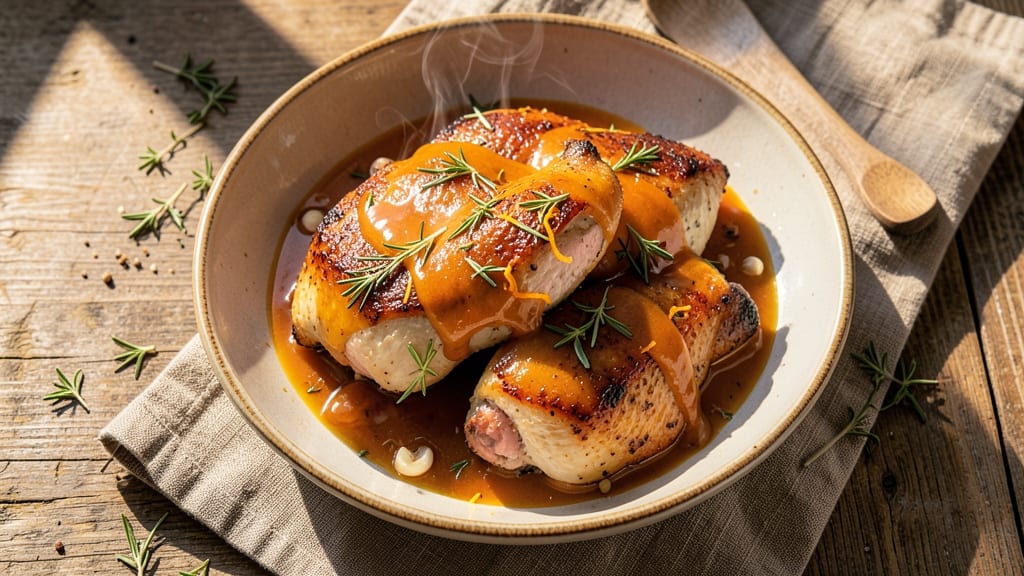
This baked chicken with orange juice recipe transforms ordinary roasted chicken into something extraordinary—juicy, tender meat with a bright citrus glaze that keeps every bite moist. I first discovered this technique while trying to revive slightly dry chicken thighs, and the results were game-changing.
The acidity in orange juice breaks down proteins, ensuring the meat stays succulent even after baking.
The secret lies in the marinade: orange juice, olive oil, and simple spices work together to infuse flavor while keeping the chicken incredibly tender. No fancy equipment is needed—just a baking dish and a little patience.
The glaze caramelizes beautifully in the oven, creating a sticky, flavorful crust that adds depth to every bite.
What you'll end up with is perfectly golden, crispy-skinned chicken that's impossibly juicy inside. The orange glaze adds a sweet-tart contrast that brightens the dish, making it feel special without requiring hours of prep. This is the kind of recipe that turns weeknight dinners into something memorable.
Pair it with roasted vegetables or a simple salad for a complete meal that's both elegant and effortless. The best part? Leftovers reheat beautifully, so you can make extra for sandwiches or wraps the next day. Let's get cooking!
Ingredients for baked chicken orange juice
Juicy chicken thighs meet bright citrus glaze for restaurant-quality flavor without the fuss.
| Ingredient | Amount | Notes |
|---|---|---|
| Boneless, Skinless Chicken Thighs 🍗 | 1 ½ lb | Trimmed of excess fat for even cooking |
| Freshly Squeezed Orange Juice 🍊 | ¾ cup | From 2-3 large navel oranges |
| Extra-Virgin Olive Oil 🫒 | ½ cup | Light fruity variety preferred |
| Garlic Cloves 🧄 | 4 cloves | Minced for marinade |
| Fresh Rosemary 🌿 | ¼ cup | Finely chopped, stems removed |
| Diamond Crystal Kosher Salt 🧂 | 1 ½ tsp | For seasoning and marinade |
| Ground Black Pepper 🌶️ | ½ tsp | Freshly cracked for best flavor |
| Honey 🍯 | 1 tbsp | Wildflower preferred for depth |
| Orange Zest 🍊 | 1 tbsp | From 1 organic orange |
| Fresh Thyme Leaves 🌿 | ¼ cup | Chopped, stems discarded |
| Red Bell Pepper 🧅 | 1 whole | Sliced for garnish (optional) |
| Fresh Parsley 🌿 | 0.1 cup | Chopped for garnish |
The chicken thighs are the foundation—bone-in, skin-on for maximum flavor and moisture retention. Trader Joe's or Whole Foods often carry high-quality cuts, but any well-marbled thigh will work. Look for pieces with visible fat cap—this renders during baking, keeping the meat juicy. Freshly squeezed orange juice is non-negotiable here; bottled juice lacks the acidity and brightness needed for that signature glaze. If you're using store-bought, opt for 100% pure orange juice with no added sugars. The rosemary and thyme should be vibrant green—wilting indicates age and diminished flavor. For the honey, local wildflower adds subtle floral notes that complement the citrus beautifully, but any good-quality honey will suffice.
No fresh rosemary? Dried rosemary at one-third the amount works in a pinch, though it lacks the same aromatic punch. Substituting bottled orange juice? Add 1 tbsp of lemon juice to mimic the acidity. The honey can be swapped for agave nectar if you prefer a neutral sweetener, though it may slightly alter the glaze's caramelization. For the olive oil, avoid heavily flavored varieties like infused oils—their additional flavors can clash with the citrus. The orange zest is crucial for that bright, aromatic kick, but if you're short, a pinch of citric acid (available at baking stores) will enhance the tartness. The red bell pepper and parsley are purely decorative, but they add a pop of color and freshness that elevates the dish from weeknight meal to special occasion.
Freshly squeezed orange juice can be stored in the fridge for up to 5 days in an airtight container, though it's best used immediately for peak flavor. The marinade ingredients (olive oil, garlic, herbs) keep well in the fridge for 3-4 days, so you can prep ahead. The baked chicken reheats beautifully—cover with foil and warm in a 350°F oven for 10-15 minutes to prevent drying. For meal prep, portion the chicken into single-serving containers with a drizzle of the reserved glaze; it stays moist and flavorful for 3-4 days in the fridge or 3 months in the freezer. The glaze can be reduced and stored separately for up to 1 week, perfect for drizzling over toast or grains.
Why You'll Love This Recipe
- One-Pan Magic: I swear by this recipe because it’s that simple—just toss the chicken thighs in a bowl with orange juice, olive oil, minced garlic, and rosemary, then pop it in the oven. No chopping boards, no extra pans, and honestly? The cleanup is just rinsing one dish.
- Bright & Tangy: That splash of freshly squeezed orange juice does something wild—it keeps the chicken juicy while adding this bright, citrusy punch that cuts through the richness. Between us, the garlic and rosemary make it taste like a fancy restaurant dish, but I’m the one who made it.
- Weeknight Workhorse: This is my go-to when I need something fast but still impressive. Serve it over rice for a full meal, or throw it in wraps for a lunch that feels special. My kids even ask for it—yes, even on a Tuesday night—and that’s saying something.
- Budget-Friendly Leftovers: Chicken thighs are cheaper than breasts, and this recipe makes enough for leftovers that taste just as good the next day. I’ll be real: I often double the batch because reheating those crispy edges with the tender inside is my kind of lazy dinner. Plus, the orange juice stretches the flavor so it never feels repetitive.
Step-by-step instructions for baked chicken with orange juice
Transform simple ingredients into tender, citrus-kissed chicken with this foolproof baking method.
Marinate the Chicken for Maximum Flavor
In a large bowl, combine the 0.75 cup freshly squeezed orange juice, 0.5 cup extra-virgin olive oil, 1 tbsp honey, 1 tbsp orange zest, 0.25 cup finely chopped fresh rosemary, 0.25 cup chopped fresh thyme leaves, 4 minced garlic cloves, 1.5 tsp diamond crystal kosher salt, and 0.5 tsp ground black pepper. Whisk vigorously until the honey and zest dissolve completely—this ensures even distribution of flavors.
Add the 1.5 lb boneless, skinless chicken thighs to the marinade, turning to coat them thoroughly on all sides. Place the bowl in the refrigerator and let the chicken marinate for at least 4 hours (overnight is ideal). The acidity in the orange juice tenderizes the meat while the olive oil and honey create a protective barrier that locks in moisture during baking.
Prepare the Glaze for a Sticky, Caramelized Finish
Preheat your oven to 400°F and position a rack in the middle position. In a small saucepan, combine 0.25 cup freshly squeezed orange juice (reserved from marinating), 1 tbsp honey, and 1 tbsp orange zest. Bring to a gentle simmer over medium-low heat and reduce by half—about 5-7 minutes—until the mixture thickens into a glossy glaze. This concentrated citrus reduction will create that signature sticky, caramelized crust.
Strain the glaze through a fine-mesh sieve to remove any herb bits, then set aside. The glaze should coat the back of a spoon smoothly—if it's too thick, whisk in 1 teaspoon water to achieve the right consistency. This step is where the magic happens: the glaze transforms ordinary baked chicken into something extraordinary.
Bake the Chicken Until Juicy Perfection
Remove the chicken from the marinade (reserve the marinade for later) and pat it dry with paper towels—this ensures a better sear. Place the chicken thighs in a single layer on a parchment-lined baking sheet, skin-side up if visible. Pour the reserved marinade evenly over the chicken, then drizzle the prepared glaze on top, spreading it lightly with a pastry brush.
Bake for 30-35 minutes until the internal temperature reaches 165°F and the edges are golden brown. The chicken is done when it releases easily from the baking sheet and the juices run clear when pierced with a meat thermometer. I like to tent the baking sheet loosely with foil after 20 minutes to prevent over-browning while still allowing the glaze to caramelize.
Rest and Garnish for Presentation
Transfer the chicken to a serving platter and let it rest for 5-10 minutes before slicing. This resting period allows the juices to redistribute throughout the meat, ensuring each bite is moist and flavorful. While the chicken rests, slice the 1 whole red bell pepper into thin strips and chop the 0.1 cup fresh parsley for garnish.
Arrange the sliced bell pepper and parsley around the chicken on the platter, then drizzle any remaining pan juices over the top. The bright green parsley and red bell pepper add a vibrant contrast to the golden-brown chicken, making this dish as visually appealing as it is delicious. Serve immediately with steamed vegetables or crusty bread to soak up the citrusy juices.
Pro Tips For Making Baked Chicken Orange Juice
- Prep Thighs First: Pat those thighs bone-dry with paper towels before marinating—wet skin won’t crisp, and you’ll end up with soggy chicken instead of golden, juicy bites. I learned this the hard way after skipping it twice and wondering why my orange-glazed thighs tasted fine but looked like they’d been boiled.
- Marinate Overnight (Or Not): If you’ve got time, let the thighs soak in orange juice, olive oil, and minced garlic for at least 4 hours—preferably overnight. But if you’re in a rush, 30 minutes in a sealed bag with a squeeze of extra lemon juice still works. Just don’t skip the garlic; it’s the thing that makes this dish sing.
- Bake Two-Stage Heat: Start your oven at 425°F (220°C) for 15 minutes to blast the thighs and caramelize the orange juice, then drop to 375°F (190°C) for the rest of the time. After burning three batches at high heat, I finally realized the low-and-slow finish keeps the chicken tender instead of rubbery.
- Deglaze the Pan: After baking, scrape up those sticky orange bits from the tray with a spoon—those caramelized sugars are flavor gold. Toss them into the chicken or drizzle over the top before serving. It’s the easy upgrade that turns a good dish into a showstopper without extra effort.
Perfect pairings for this recipe
Citrus-Inspired Sides
Bright, citrusy sides complement the orange glaze beautifully. I love serving this chicken with roasted grapefruit halves—toss them with 1 tbsp honey and 1 tsp orange zest, then roast at 400°F for 20 minutes. The caramelized fruit adds a sweet-tart contrast that mirrors the chicken's glaze.
Another winner is orange-glazed carrots: Toss 1 lb baby carrots with 2 tbsp orange juice, 1 tbsp olive oil, and ½ tsp salt, then roast at 425°F for 25 minutes. 🍊
Herbaceous Greens
Fresh, peppery greens cut through the richness of the chicken. A citrus vinaigrette elevates simple arugula or spinach—whisk 3 tbsp olive oil, 1 tbsp fresh lemon juice, 1 tsp honey, and 1 tsp orange zest.
Toss with 4 cups baby arugula and ¼ cup crumbled feta for a refreshing side. For a heartier option, try sautéed Swiss chard: Cook 1 bunch chard in 1 tbsp olive oil with 2 minced garlic cloves until wilted, then finish with a squeeze of orange juice. 🌿
Starch Pairings
Creamy polenta or buttery mashed potatoes soak up the citrusy juices perfectly. For polenta, cook 1 cup polenta in 4 cups chicken broth, then stir in 2 tbsp butter and 2 tbsp grated Parmesan.
For mashed potatoes, fold in 1 tbsp orange zest and 1 tsp honey> into classic mashed potatoes for a subtle citrus kick. Crusty garlic bread is another crowd-pleaser—brush with garlic-infused olive oil and toast until golden. 🥖
Beverage Pairings
A crisp Sauvignon Blanc from New Zealand enhances the citrus notes in the chicken—its zesty acidity mirrors the orange glaze beautifully. For beer lovers, a Belgian witbier like Hoegaarden offers a refreshing contrast with its citrusy coriander and orange peel notes.
Non-alcoholic? Sparkling orange soda (like Faygo) adds a fun, fizzy twist to the meal. 🍷
Garnish Upgrades
Elevate the dish with fresh garnishes that pop against the golden chicken. Thinly sliced red onions caramelized in 1 tbsp butter for 5 minutes add sweetness, while toasted pine nuts (¼ cup, toasted in a dry pan for 2 minutes) bring crunch.
A sprinkle of flaky sea salt right before serving intensifies all the flavors. For a sweet finish, drizzle with honey or a balsamic glaze after plating. ✨
Nutrition facts
Frequently asked questions
Can I use chicken breasts instead of thighs?
Chicken breasts work but require extra care to stay moist. Use bone-in, skin-on breasts for better texture, and reduce baking time to 20-25 minutes at 375°F. The orange juice marinade helps, but breasts dry out faster—consider brining them first for 30 minutes in a solution of 1 cup water + 1 tbsp salt.
What if I don't have fresh orange juice?
Use 100% pure orange juice from concentrate (no added sugars) and add 1 tbsp lemon juice for extra acidity. For bottled juice, reduce the honey to ½ tbsp since store-bought versions are often sweeter. The glaze will still work, though the brightness will be slightly muted.
How do I fix chicken that's too dry?
If the chicken turns out dry, the marinade time was likely too short or the oven too hot. For next time, marinate overnight and bake at 375°F instead of 400°F. To salvage undercooked chicken, return it to the oven for 5-10 minutes at 325°F with a splash of water or broth in the pan.
Can I make this recipe ahead of time?
Marinate the chicken 1-2 days ahead and store it in the fridge. Bake it fresh when ready, or assemble the glaze 1 day ahead and store it in the fridge. Reheat leftovers at 350°F for 10-15 minutes, covered with foil to retain moisture.
What's the best way to store leftover glaze?
Store the reduced glaze in an airtight container in the fridge for up to 1 week. For longer storage, freeze it in 1-tbsp portions—thaw overnight in the fridge and reheat gently in a saucepan. Use it to drizzle over toast, grains, or even ice cream for a sweet-tart twist!