
Sauces & Condiments
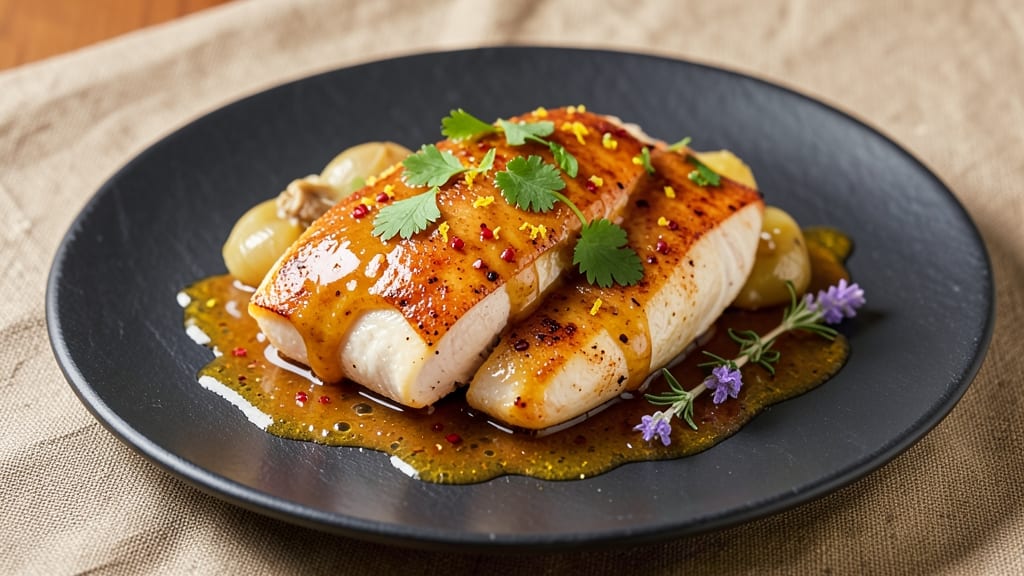
This boiled chicken sauce recipe transforms simple ingredients into a velvety, herbed masterpiece that elevates any dish. The secret lies in balancing bright lemon, aromatic garlic, and fresh herbs with rich chicken broth for a sauce that's both simple and sophisticated.
Perfect for drizzling over boiled chicken, rice, or even as a dipping sauce, this recipe delivers restaurant-quality flavor in just 30 minutes.
What sets this sauce apart is its versatility—it works equally well as a standalone condiment or a base for other dishes. The combination of lemon juice and garlic creates a bright, tangy foundation, while fresh parsley and thyme add layers of herbal complexity.
A touch of butter at the end ensures the sauce has that signature velvety richness that makes it irresistible.
The best part? This sauce keeps beautifully in the refrigerator for up to 5 days, making it ideal for meal prep. Simply reheat gently on the stove, stirring until warm and smooth.
Whether you're serving it over boiled chicken, pairing it with roasted vegetables, or using it as a marinade, this herbed lemon-garlic sauce will become a staple in your kitchen.
With just a handful of ingredients and minimal effort, you'll achieve a sauce that's far more flavorful than anything store-bought. The key is patience—allowing the flavors to meld together while simmering gently ensures every spoonful is packed with depth and character. Ready to elevate your meals with this foolproof recipe?
Ingredients for boiled chicken sauce
Velvety richness comes from just nine simple ingredients—herbs, citrus, and butter work magic.
| Ingredient | Amount | Notes |
|---|---|---|
| Chicken Broth 🍲 | 2 cups | Homemade or quality low-sodium |
| Fresh Lemon Juice 🍋 | ¼ cup | Freshly squeezed, strained |
| Garlic Cloves 🧄 | 4 cloves | Minced for aromatic depth |
| Fresh Parsley 🌿 | ¼ cup | Chopped, stems removed |
| Fresh Thyme Leaves 🌿 | 1 tbsp | Or 1 tsp dried thyme |
| Unsalted Butter 🧈 | 2 tbsp | Cold, cubed for richness |
| Extra-Virgin Olive Oil 🫒 | 1 tbsp | For velvety finish |
| Salt 🧂 | ½ tsp | Diamond Crystal preferred |
| Black Pepper 🌶️ | ¼ tsp | Freshly ground |
The chicken broth is the foundation—use homemade if possible, but Kitchen Basics or Pacific Foods low-sodium versions work beautifully. Fresh lemon juice is non-negotiable here; bottled won't give the same bright tang. For garlic, peel and mince just before adding to preserve freshness. Fresh herbs make all the difference—Trader Joe's or Whole Foods market sections have the best quality. If you're using dried thyme, measure carefully: it's potent stuff. The butter should be cold and cubed when added at the end for that perfect velvety finish.
No fresh parsley? Dried parsley at half the amount works in a pinch, but the flavor won't be as vibrant. Short on lemon juice? Substitute lime juice, though the flavor profile shifts slightly. Want to make this dairy-free? Swap the butter for olive oil (add an extra tablespoon). For a richer sauce, add a splash of heavy cream at the end. The olive oil matters too—avoid the cheap stuff here. A good extra-virgin with fruity notes elevates everything. If you're making this ahead, strain out any herb stems before storing for a smoother texture.
This sauce keeps beautifully for 5 days in the fridge, sealed in an airtight container. Reheat gently over low heat, stirring occasionally—never boil or it'll break. Freezes for 3 months if portioned into ice cube trays for easy use. For meal prep, double the batch and store in glass jars—it reheats like a dream. The butter solidifies when chilled, so let it sit at room temperature for 5 minutes before serving if you prefer a fully liquid sauce.
Why You'll Love This Recipe
- Five-Minute Simmer: I swear by this—just toss in broth, garlic, and herbs while the chicken boils. No straining, no fuss, and honestly? The hardest part is waiting for the thyme to steep.
- Bright & Bold: That lemon juice cuts through the richness like a wake-up call. The garlic and parsley make it taste like a restaurant dish, not just a sauce—especially when it clings to tender chicken.
- Meal Prep MVP: I make a double batch on Sundays and use it for everything: dipping grilled fish, tossing with pasta, or drizzling over roasted veggies. It keeps for days, and the flavor only gets better.
- Budget Bright Spot: Chicken broth and herbs are cheap, but this sauce feels luxurious. I’ll be real: it’s my go-to for stretching a protein budget without sacrificing taste—especially when I’m feeding a crowd.
Step-by-step instructions for herbed lemon-garlic chicken sauce
This velvety sauce transforms simple broth into a restaurant-worthy condiment with bright citrus and aromatic herbs.
Sauté Aromatics in Olive Oil
Heat the 1 tablespoon extra-virgin olive oil in a medium saucepan over medium heat until shimmering. Add the 4 cloves minced garlic cloves and cook for 30 seconds until fragrant but not browned—this prevents bitterness. Immediately add the 1 tablespoon fresh thyme leaves and stir for 10 seconds to release their essential oils.
Watch the garlic carefully—it burns quickly. If it starts to darken, remove the pan from heat for 5 seconds to cool slightly before continuing. The goal is to build flavor without creating harsh notes that will overpower the delicate lemon and herb profile.
Add Butter and Broth
Reduce heat to medium-low and add the 2 tablespoons cold unsalted butter, stirring until melted and the mixture becomes glossy. Pour in the 2 cups chicken broth and bring to a gentle simmer. I like to use a low, steady simmer rather than a rolling boil to prevent the sauce from breaking or losing its delicate texture.
Simmer uncovered for 8-10 minutes until the liquid reduces by about one-third and the aroma becomes concentrated. You'll notice the sauce thicken slightly and develop a golden hue—this is when the base flavors meld together. Skim off any foam that rises to the surface during this time for a cleaner finish.
Incorporate Citrus and Seasonings
Remove the saucepan from heat and stir in the 0.25 cup fresh lemon juice and 0.5 teaspoon salt. The acidity brightens the sauce and balances the richness. Add the 0.25 teaspoon black pepper and let the mixture sit for 2 minutes to allow the flavors to integrate completely.
Here's where the sauce transforms from good to exceptional. The lemon juice should make the sauce glisten slightly, and you'll detect a noticeable brightening of color. If you taste it now, you'll notice the foundation is there, but it needs the final herbal touch to reach its full potential.
Finish with Fresh Herbs
Stir in the 0.25 cup chopped fresh parsley and let the sauce sit for 1-2 minutes to allow the parsley to infuse. The fresh herbs add a vibrant green color and a fresh, slightly peppery note that cuts through the richness. If you prefer a smoother texture, strain the sauce through a fine-mesh sieve to remove any herb stems or seeds.
For the best results, serve the sauce immediately while warm. The fresh herbs release their maximum flavor when incorporated just before serving. If you need to reheat, do so gently over low heat, stirring constantly to prevent separation. This sauce pairs beautifully with grilled chicken, roasted vegetables, or as a dipping sauce for crusty bread.
Pro Tips For Making Boiled Chicken Sauce
- Simmer Low and Slow: I learned this the hard way—boiling this sauce hard turns the broth cloudy and bitter. Keep it at a gentle simmer (tiny bubbles, barely moving) so the flavors meld without scrambling. Trust me, your sauce will taste like it spent hours in a restaurant kitchen, not your pot.
- Mince Garlic Like It’s 1985: Fresh garlic cloves should be finely minced, not chopped—this sauce needs that smooth texture to shine. Use a sharp knife and rock it back and forth; no food processor here. (Yes, even if you’re impatient like me.)
- Strain the Broth Twice: First strain removes solids, but second straining through a fine-mesh sieve catches those tiny bits that make the sauce taste unrefined. Skip it, and you’ll get a mouthful of herb stems every sip. (Your future self will notice.)
- Acidify Before Straining: Add the lemon juice before you strain the broth—it brightens the flavors while the herbs are still in the pot. If you wait, the acid will fight with the thyme and parsley instead of working with them. Sounds weird, but it works.
Serving suggestions for boiled chicken sauce
Boiled Chicken Pairings
This sauce is a game-changer for boiled chicken—simply drizzle it over tender slices for a bright, herby finish. The lemon-garlic notes cut through the richness of the chicken beautifully. I love serving it with steamed jasmine rice or crusty sourdough bread to soak up every last drop. 🍗
Vegetable Sides
Roasted asparagus or green beans become even more irresistible with this sauce. Toss them with a little olive oil, salt, and pepper, then drizzle with the warm sauce before serving.
The parsley and thyme add a fresh herbal note that pairs perfectly with earthy vegetables. For a complete meal, add a simple arugula salad with lemon vinaigrette.
Dipping Sauce Magic
This isn’t just for chicken—it’s an amazing dipping sauce for spring rolls, fresh mozzarella, or even crudités like carrots and bell peppers. The velvety texture and bright flavors make it incredibly versatile.
I’ve even used it as a marinade for chicken skewers, adding an extra layer of flavor. 💡
Garnish Ideas
Elevate your presentation with a sprinkle of toasted pine nuts or crumbled feta cheese for added texture. A few lemon zest strips on the side let diners add extra brightness to their plates.
For a pop of color, add edible flowers like nasturtiums—just a pinch transforms the dish into something restaurant-worthy.
Meal Prep Uses
Double the batch and store it in the fridge for up to 5 days—it reheats perfectly over boiled chicken or roasted potatoes. Freeze in ice cube trays for easy portioning, then thaw and reheat as needed.
This sauce keeps beautifully, making it ideal for weeknight dinners or meal prep Sundays. 📅
Unexpected Pairings
Try this sauce over mashed potatoes for a creamy, herby twist. It also works surprisingly well with grilled fish like cod or halibut. For a vegetarian option, drizzle it over roasted cauliflower or mushroom risotto. The lemon and garlic flavors shine in unexpected ways! 🌟
Nutrition facts
Frequently asked questions
Can I make this sauce without butter for a lighter version?
Swap the 2 tablespoons butter for an extra 1 tablespoon olive oil and add a splash of heavy cream (2 tablespoons) at the end for richness. The sauce will still be velvety but with a lighter texture. For dairy-free, use only olive oil and a pinch of salt to balance the flavors.
How do I prevent the sauce from breaking or separating when reheating?
Reheat gently over low heat, stirring constantly until just warm—never boil. If it starts to separate, whisk in 1 teaspoon cold water or broth to re-emulsify. For best results, store in an airtight container and reheat in short intervals. The butter helps stabilize the sauce, so avoid adding extra liquid when reheating.
What’s the best way to store leftovers for maximum freshness?
Keep in an airtight container in the fridge for up to 5 days. For long-term storage, freeze in ice cube trays, then transfer to a bag. Thaw overnight in the fridge and reheat gently. The butter solidifies when chilled, so let it sit at room temperature for 5 minutes before serving for a smoother texture.
Can I use dried herbs instead of fresh?
Yes, but adjust the amounts: use 1 teaspoon dried thyme (instead of 1 tablespoon fresh) and 1 tablespoon dried parsley (instead of 0.25 cup fresh). Dried herbs are more concentrated, so start with half the fresh measurement. Toast the dried herbs lightly in a dry pan for 30 seconds before adding to deepen their flavor.
Is this sauce spicy? Can I make it milder?
This recipe is naturally mild, but if you prefer it even gentler, skip the black pepper or reduce it to 1/4 teaspoon. For extra warmth, add a pinch of red pepper flakes (start with 1/8 teaspoon) or a dash of hot sauce at the end. The lemon and herbs keep the heat balanced, so adjust to taste.