
Main Courses
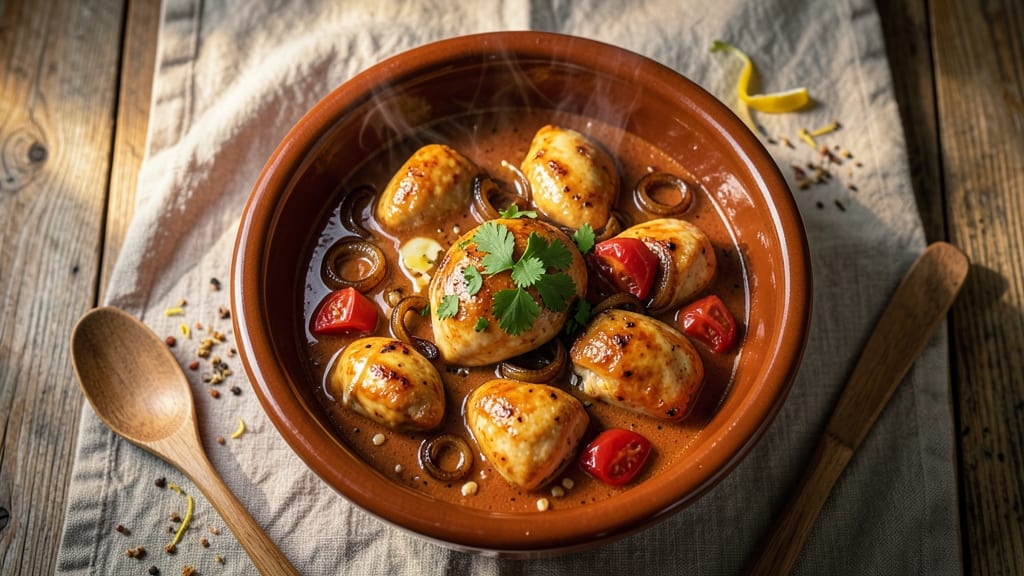
This one-pot butter chicken recipe transforms weeknight cooking with rich, restaurant-quality flavors that require just one pan. The secret lies in a slow-simmered tomato-cream sauce that infuses tender chicken with aromatic spices, all while keeping cleanup minimal.
I developed this method after years of perfecting butter chicken—now you can achieve that same depth of flavor without the fuss of multiple pots.
The beauty of this approach is how the sauce builds complexity over time.
As the chicken cooks, it releases juices that blend with the tomato base, creating a velvety sauce that clings to every bite. No heavy cream needed—just a simple reduction of tomatoes, yogurt, and spices that delivers that signature tangy richness.
The result is melt-in-your-mouth chicken swimming in a sauce so flavorful, it’ll fool even the most discerning butter chicken fans.
What makes this recipe truly special is its balance of convenience and authenticity. You’ll start with a simple marinade of yogurt and spices, then let everything cook together in one pot until the sauce thickens to a luxurious consistency.
The dish serves itself beautifully with basmati rice or warm naan, making it perfect for both casual dinners and special occasions.
The one-pot technique doesn’t skimp on flavor—it actually enhances it by allowing the chicken to baste in its own juices as the sauce simmers. By the time you’re done, you’ll have a dish that’s tender, aromatic, and packed with that unmistakable butter chicken taste, all while keeping your kitchen clean.
Ready to make this your new go-to recipe?
Ingredients for butter chicken one pot
Rich tomato-cream sauce meets tender chicken in this one-pot masterpiece—just 15 ingredients for restaurant-style flavor.
| Ingredient | Amount | Notes |
|---|---|---|
| Boneless Chicken Thighs 🍗 | 1 ½ lb | Cut into 1.5-inch pieces |
| Plain Yogurt 🥛 | 1 cup | Full-fat for creaminess |
| Tomato Paste 🍅 | ½ cup | Squeeze tube preferred |
| Onions 🧅 | 1 whole | Medium, finely chopped |
| Garlic Cloves 🧄 | 6 cloves | Minced for marinade |
| Ginger 🌿 | 1 tbsp | Fresh, grated |
| Ground Cumin 🌶️ | 1 tbsp | Toasted for depth |
| Ground Coriander 🌿 | 1 tbsp | Freshly ground preferred |
| Turmeric Powder 🌶️ | ½ tsp | Bright yellow color |
| Garam Masala 🌶️ | 1 tbsp | Store-bought blend works |
| Cream 🥛 | ½ cup | Heavy cream for richness |
| Butter 🧈 | 2 tbsp | Unsalted, melted |
| Salt 🧂 | 1 ½ tsp | Kosher or sea salt |
| Black Pepper 🌶️ | ½ tsp | Freshly ground |
| Fresh Cilantro 🌿 | ¼ cup | Chopped for garnish |
The chicken thighs are non-negotiable here—bone-in would work, but thighs stay juicier than breasts. Costco or Trader Joe's usually have them pre-cut, which saves time. For the yogurt, full-fat Greek yogurt (like Fage) gives the best creaminess, but regular plain yogurt works too. The tomato paste? Squeeze tubes from Trader Joe's are perfect—they’re concentrated and last forever. Look for bright red, no chunks. Fresh ginger and garlic? Farmers markets have the best quality, but grocery store versions work fine if they’re firm and fragrant.
No garam masala? Mix cumin, coriander, cinnamon, and cardamom at a 3:2:1:1 ratio—it’s basically homemade garam masala. Short on cream? Coconut milk adds richness, though it’ll taste slightly different. The butter is key—don’t skip it! If you’re avoiding dairy, olive oil or vegan butter works, but the flavor will be subtly different. Fresh cilantro is ideal, but dried works at one-third the amount. The onions? Yellow or red both work, but yellow adds a touch more sweetness to the sauce.
This sauce gets better the next day—trust me on that. Store leftovers in an airtight container for up to 5 days in the fridge, or freeze for 3 months. I like to portion it into containers with rice so lunches are ready to grab. The yogurt marinade can be prepped a day ahead, but add the chicken just before cooking. The spices lose potency after opening, so if you’re buying whole, toast them lightly in a dry pan first—that deepens the flavor instantly.
Why You'll Love This Recipe
- One-Pot Magic: I swear by this trick—just dump everything in one pot, and the yogurt and tomato paste work their magic together. No extra dishes, no stress, and that rich, tangy sauce clings to the chicken like it was born there.
- Garlic Bomb Flavor: Between us, the garlic cloves and onions caramelize right into the sauce, giving it this deep, toasty sweetness that cuts through the creaminess. Honestly, I’ve tried store-bought butter chicken, and this tastes like a proper home version—way better.
- Leftovers That Still Shine: This recipe actually improves the next day. The flavors meld even more, and reheating it keeps the chicken juicy. I make it on Sundays, and by Wednesday, it’s still my go-to lunch—no sad, dry takeout for me.
- Budget-Friendly Feast: Chicken thighs are cheap, and a single pot means I stretch the ingredients to feed four without breaking the bank. Plus, the yogurt and tomato paste add richness without needing fancy sauces. My wallet and my taste buds win.
Step-by-step instructions for butter chicken one pot recipe
This one-pot wonder delivers restaurant-quality butter chicken with tender chicken and velvety sauce.
Marinate the Chicken for Maximum Flavor
In a large bowl, combine the 1.5 lb boneless chicken thighs, 1 cup plain yogurt, 1 tbsp ground cumin, 1 tbsp ground coriander, 0.5 tsp turmeric powder, 1.5 tsp salt, and 0.5 tsp black pepper. Mix gently until the chicken is fully coated in the yogurt marinade. Cover and refrigerate for at least 1 hour—or overnight if you have time.
This marinade does double duty: tenderizing the chicken while infusing it with aromatic spices. The yogurt creates a protective barrier that keeps the meat juicy during cooking. Don't skip this step—it's what makes the difference between good butter chicken and extraordinary butter chicken.
Sear the Chicken for Deep Flavor
Heat 2 tbsp butter in a large, heavy-bottomed pot over medium-high heat. Working in batches if needed, add the marinated chicken pieces and cook for 3-4 minutes per side until golden brown. Remove the chicken and set aside, leaving the browned bits in the pot.
This searing step builds flavor through the Maillard reaction—the same process that creates that irresistible aroma when meat browns. Those golden bits stuck to the bottom of your pot? That's where all the magic happens. Don't rush this step—you want that beautiful caramelization before we move to the sauce.
Build the Aromatic Base
In the same pot, add 1 whole medium onion (finely chopped) and cook for 5-6 minutes until softened and golden. Add 6 cloves minced garlic and 1 tbsp grated ginger, cooking for another 1 minute until fragrant. Stir in 0.5 cup tomato paste and cook for 2-3 minutes, stirring constantly to prevent burning.
The onions should turn translucent and slightly caramelized before adding the garlic and ginger. This aromatic base forms the flavor foundation of your sauce. The tomato paste will thicken beautifully as it cooks down, creating that rich, velvety texture we're after. Keep stirring to prevent any burning—this is where flavor can turn bitter if left unattended.
Simmer the Sauce to Perfection
Return the seared chicken to the pot. Pour in 0.5 cup heavy cream and add 1 tbsp garam masala. Stir gently to combine, then add enough water to just cover the chicken (about 1 cup). Bring to a gentle simmer, then reduce heat to low, cover, and cook for 30-35 minutes until the chicken is tender and the sauce has thickened.
This is where patience pays off. The sauce should coat the back of a spoon and cling beautifully to the chicken. If it looks too thin, uncover and simmer for another 5-10 minutes. The chicken is done when it's fork-tender and easily pulls apart. The sauce will continue thickening as it cools, so don't worry if it looks slightly loose at this stage.
Finish and Garnish
Once the chicken is cooked through, remove it from the pot and set aside. Strain the sauce through a fine-mesh sieve to remove any impurities, then return it to the pot. Skim off any excess fat that has risen to the surface. Return the chicken to the pot and stir gently to coat.
Garnish with 0.25 cup chopped fresh cilantro and serve immediately with basmati rice or naan bread. The sauce should be rich, slightly sweet, and perfectly balanced with spices. Each bite should deliver tender chicken swimming in that velvety, aromatic sauce. The fresh cilantro adds a bright finish that cuts through the richness beautifully.
Pro Tips For Making Butter Chicken One Pot
- Marinate Thighs Overnight: I learned this the hard way—skipping the overnight soak means tougher chicken and a sauce that fights for flavor. Toss thighs with yogurt, lemon juice, and a pinch of salt, then let them sit in the fridge for at least 12 hours. The acid tenderizes the meat and lets the yogurt’s tang work its magic, so the one-pot sauce doesn’t have to do all the heavy lifting later.
- Sear Chicken in Batches: High heat. Seriously, crank it up for those chicken thighs—don’t skimp on the sear. Cook them in batches if needed; crowded pans steam instead of brown, and you’ll end up with pale, soggy meat. A quick, deep crust locks in flavor and keeps the thighs juicy even after simmering in the tomato-yogurt sauce.
- Bloom Spices Before Adding Tomato Paste: After burning three batches of butter chicken, I finally figured out the order matters. Toast your whole spices (cumin, coriander, turmeric) in oil for 30 seconds until fragrant—then add minced garlic and onions. This step makes a real difference; the spices release their oils and flavor before hitting the tomato paste, so the sauce doesn’t taste like raw spice powder.
- Simmer Low and Slow: Sounds weird, but it works: once the sauce hits the pot, drop the heat to a bare simmer. I know, I know—you’re eager to eat, but rushing this turns the yogurt into a gluey mess. Let it bubble gently for 45 minutes, stirring occasionally, so the tomato paste breaks down into a velvety base instead of a chunky, watery disaster.
Common mistakes when making your butter chicken one pot
Skipping the Marinade
The yogurt marinade isn't just flavor—it's the secret weapon for tender chicken. Without it, your chicken will dry out during the long simmer. I've seen home cooks skip this step to save time, but the difference is night and day.
The yogurt creates a protective barrier that locks in moisture while infusing the spices deep into the meat. If you're short on time, at least marinate for 30 minutes instead of skipping entirely. 💫
Overcrowding the Pot
One of the biggest mistakes is trying to cook all the chicken at once without enough space. When you overcrowd your pot, the chicken steams instead of sears, leading to pale, flavorless pieces. Work in batches—2-3 pieces at a time—so each piece gets proper browning.
I use a 6-quart Dutch oven for this recipe, and even then, I cook the chicken in two batches. Those golden-brown sear marks? That's where all the flavor lives. ⚡
Burning the Tomato Paste
Tomato paste is delicate—it burns faster than you think. I've ruined more sauces than I care to admit by walking away while it cooks. Stir constantly for those 2-3 minutes after adding it, and keep the heat at medium-low.
If it starts to darken too quickly, reduce the heat immediately. The goal is a smooth, thick paste that blends seamlessly into the sauce, not a bitter, charred mess. 🔥
Using Low-Quality Spices
Not all spices are created equal. That $1 jar of generic garam masala from the discount bin won't give you the same depth as fresh, toasted spices. I recommend Penzeys Spices or Burlap & Barrel for the best quality.
If you're using whole spices, toast them lightly in a dry pan before grinding—this releases their essential oils and intensifies the flavor. The difference in your sauce will be dramatic. 🌶️
Skimming the Fat Too Aggressively
While you should skim excess fat from the surface before serving, don't go overboard. That natural fat actually enhances the sauce's richness. I usually skim about 1-2 tablespoons at most—just enough to remove the floating layer without stripping away flavor.
The sauce should still look velvety and luxurious, not watered down. Trust me, your dish will thank you. 💛
Ignoring the Resting Time
After cooking, resist the urge to dig in immediately. Let the chicken rest in the sauce for 5-10 minutes before serving. This allows the juices to redistribute, keeping each bite moist and flavorful.
I've seen people serve it straight from the pot, and while it's edible, it's not at its best. That short rest makes all the difference in texture and presentation. ✨
Nutrition facts
Frequently asked questions
Can I use chicken breasts instead of thighs for this one-pot butter chicken?
Chicken breasts will work, but thighs are ideal because they stay juicier during the long simmer. If using breasts, cut them into 1-inch pieces and marinate for at least 2 hours to prevent drying. Add 1-2 tbsp water during cooking to maintain moisture. The texture will be slightly firmer but still delicious!
How do I make this sauce creamier without heavy cream?
For a dairy-free version, replace the cream with ½ cup coconut milk or blend ½ cup cashews with ¼ cup water> until smooth. Both add richness while keeping the sauce velvety. The cashew version also adds a subtle nutty depth that complements the spices beautifully.
Why did my sauce turn out too thin?
This usually happens from one of three things: too much liquid added, insufficient simmering time, or undercooked tomato paste. To fix it, remove the chicken, simmer the sauce uncovered for 5-10 minutes> on medium heat until thickened, then return the chicken. For prevention, measure your water carefully—just enough to cover the chicken—and simmer until the sauce coats the back of a spoon.
Can I make this recipe in an Instant Pot?
Sauté the chicken and onions as directed, then add all remaining ingredients (except water) and ½ cup water. Seal the lid, cook on high pressure for 10 minutes, then quick-release. Finish by skimming fat and adjusting consistency. The Instant Pot version cooks 40% faster> while keeping all the rich flavors intact.
What's the best way to reheat leftovers?
Reheat gently in the same pot over low heat> with 2 tbsp water> to prevent drying. Cover and cook for 5-7 minutes> until warmed through. For microwave reheating, cover with a damp paper towel and heat in 30-second intervals**>, stirring between each. Never reheat uncovered—it causes the sauce to separate and the chicken to dry out.