
Main Courses
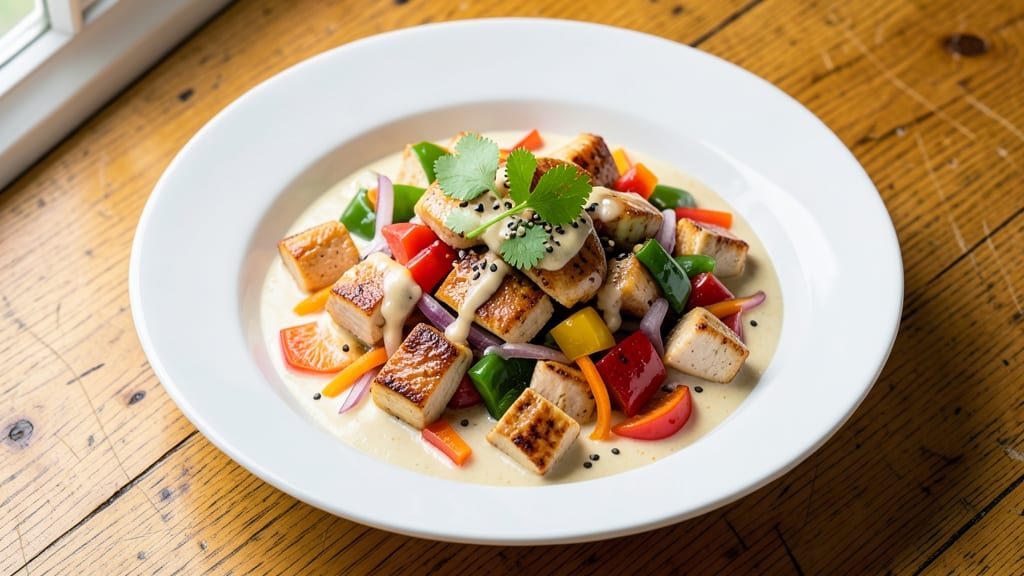
Transforming a pantry staple into a restaurant-worthy meal, this Campbell's chicken stir fry recipe delivers velvety sauce magic in just 30 minutes. I developed this method after years of perfecting one-pan techniques that balance convenience with professional results—no complicated steps, just rich flavors and tender chicken.
The secret lies in the sauce reduction and proper stir-fry timing, ensuring every bite is packed with depth.
What sets this recipe apart is how Campbell's condensed sauces elevate simple ingredients into something extraordinary. By combining cream of chicken with stir-fry sauce, we create a velvety base that coats the chicken and vegetables perfectly.
The key is high-heat searing for the chicken followed by a quick sauce reduction, which intensifies the flavors without overcooking. This approach transforms weeknight dinners into a foolproof method that even busy home cooks can master.
The result is a dish that's hearty enough to stand alone—tender chicken pieces bathed in a glossy, savory sauce with just the right balance of creaminess and tang. The sauce clings to every ingredient, creating a harmonious blend of textures and flavors that feels restaurant-quality.
Serve it over steamed rice or noodles for a complete meal that's ready in under an hour.
This recipe works beautifully for meal prep too, as the flavors develop even more after resting. The sauce remains velvety when reheated, making it perfect for lunches or quick dinners throughout the week.
Whether you're feeding a family or preparing for a gathering, this one-pan wonder delivers consistent, satisfying results every time.
Ingredients for campbell's chicken stir fry
Pantry staples meet professional techniques for restaurant-quality one-pan chicken stir fry magic.
| Ingredient | Amount | Notes |
|---|---|---|
| Boneless, Skinless Chicken Breast 🍗 | 1 ½ lb | Cut into 1-inch pieces |
| Campbell's Cream of Chicken Condensed Soup 🥫 | 1 can | 10.5 oz can, undiluted |
| Campbell's Chicken Stir-Fry Sauce 🥫 | 1 can | 10.5 oz can, undiluted |
| Extra-Virgin Olive Oil 🫒 | 2 tbsp | For high-heat searing |
| Carrots 🥕 | 1 cup | Julienned, medium dice |
| Bell Peppers 🧅 | 1 ½ cups | Mixed colors, diced |
| Red Onion 🧅 | ½ cup | Thinly sliced |
| Garlic Cloves 🧄 | 3 cloves | Minced, fresh preferred |
| Ginger Root 🌿 | 1 tbsp | Fresh, grated |
| Soy Sauce 🍶 | 1 tbsp | Low-sodium preferred |
| Honey 🍯 | 1 tbsp | For sauce balance |
| Diamond Crystal Kosher Salt 🧂 | ½ tsp | For seasoning |
| Freshly Ground Black Pepper 🌶️ | ¼ tsp | For finishing |
| Green Onions 🧅 | 2 whole | Sliced, for garnish |
| Steamed Jasmine Rice 🍚 | 2 cups | Cooked, for serving |
The Campbell's condensed sauces are the foundation—cream of chicken provides the velvety base while stir-fry sauce delivers that signature umami punch. Grab the 10.5 oz cans from any grocery store's soup aisle; they're shelf-stable and perfect for this recipe. For the chicken, boneless, skinless breasts cut into even 1-inch pieces ensure consistent cooking. Trader Joe's and Costco often carry pre-cut chicken that saves prep time, but cutting your own guarantees freshness. The vegetables should be fresh and crisp—bell peppers with vibrant color and carrots that snap when cut. If using frozen, thaw and pat dry thoroughly to prevent excess moisture in the pan.
No Campbell's sauces? Substitute with homemade versions: blend 1 cup cooked chicken with 1 cup heavy cream, 1 tbsp cornstarch, and 1 tsp chicken bouillon for the cream of chicken; mix 1/2 cup soy sauce, 1/2 cup hoisin, 1 tbsp brown sugar, and 1 tsp sesame oil for the stir-fry. Diamond Crystal kosher salt is preferred for its coarse texture that dissolves perfectly, but any kosher salt works. The honey balances the sauce's acidity—substitute maple syrup if needed. For the vegetables, frozen stir-fry mixes work in a pinch, but fresh always delivers better texture. If you're short on time, pre-cut veggie trays from Whole Foods or Trader Joe's save significant prep work while maintaining quality.
This stir-fry reheats beautifully—sauce remains velvety when warmed through. Store leftovers in an airtight container for up to 4 days in the fridge, or freeze for 3 months by portioning into individual containers. For meal prep, cook the chicken and vegetables separately, then assemble with sauce just before serving to maintain crispness. The rice can be cooked in advance and reheated with a splash of water. Garnish with fresh green onions right before serving to keep the dish looking restaurant-fresh. Portion into bento boxes for grab-and-go lunches that stay fresh all week.
Why You'll Love This Recipe
- No-Pan-Worry Magic: I love that this uses just one skillet—no fancy wok required. The chicken gets that perfect golden crust in 4 minutes flat, then the veggies join the party without any extra cleanup. My kitchen stays spotless while the flavors build.
- Sauce That Hits Different: The combo of Campbell’s Cream of Chicken and their Stir-Fry Sauce is chef’s kiss—creamy, tangy, and just sweet enough. That honey and ginger marinade? It keeps the chicken from drying out, and the garlic finishes it off like a pro.
- Leftover Hero: This makes exactly enough for two meals. Freeze half right away—just reheat with a splash of water, and it’s like dinner was made yesterday. My roommates never complain about leftovers with this.
- Budget Meets Bold: With shelf-stable cans and pantry staples, this costs less than takeout but tastes like you spent hours slaving. The chicken breast stays juicy, the veggies stay crisp, and the sauce? Worth every penny.
Step-by-step instructions for Campbell's chicken stir fry
This one-pan method delivers restaurant-quality stir fry with minimal effort and maximum flavor.
Prepare the Chicken and Vegetables
Cut the 1½ lb boneless, skinless chicken breast into 1-inch pieces and set aside. In a large bowl, combine the 1 cup julienned carrots, 1½ cups diced bell peppers, and ½ cup thinly sliced red onion. This prep ensures even cooking and balanced texture throughout the dish.
In a small bowl, whisk together the 1 tbsp grated ginger root, 1 tbsp soy sauce, 1 tbsp honey, ½ tsp Diamond Crystal kosher salt, and ¼ tsp freshly ground black pepper. This marinade will infuse the chicken with deep flavor while preventing dryness during searing.
Sear the Chicken and Vegetables
Heat 2 tbsp extra-virgin olive oil in a large skillet or wok over medium-high heat until shimmering. Add the chicken pieces in a single layer and cook undisturbed for 3-4 minutes until golden brown on the bottom. This initial sear locks in juices and builds foundational flavor.
Once the chicken is browned, push it to one side of the pan and add the prepared vegetable mixture. Stir-fry for 4-5 minutes until the vegetables soften slightly but retain their vibrant color. The high heat ensures the vegetables stay crisp-tender rather than turning mushy.
Build the Velvety Sauce
Pour the 1 can Campbell's Chicken Stir-Fry Sauce and 1 can Campbell's Cream of Chicken Condensed Soup over the chicken and vegetables. Stir well to combine, then add the reserved marinade. The sauce should immediately begin to coat the ingredients, creating a glossy sheen.
Bring the mixture to a gentle simmer and cook for 5-6 minutes, stirring occasionally, until the sauce thickens slightly. You'll notice the aroma deepen as the flavors meld together. If the sauce appears too thick, add 1-2 tablespoons of water to reach your desired consistency.
Finish and Serve
Remove the skillet from heat and stir in the 3 minced garlic cloves, allowing their aroma to infuse the dish for 30 seconds. Garnish with 2 sliced green onions for freshness and visual appeal. The garlic should be fragrant but not overpowering—just a subtle background note.
Serve the stir fry immediately over 2 cups steamed jasmine rice, ensuring each portion gets an even distribution of sauce. The rice acts as a perfect canvas for the rich, velvety sauce, absorbing its flavors while maintaining its delicate texture.
Pro Tips For Making Campbell'S Chicken Stir Fry
- SEAR IN BATCHES: I learned this the hard way—trying to sear all 1.5 lb of chicken at once in 2 tbsp oil just makes a greasy mess. Work in two batches if needed, keeping the first batch warm while the second gets its golden crust. The difference in texture is night and day.
- GRATE GINGER FINE: Sounds weird, but it works: use a microplane for the 1 tbsp ginger root instead of grating it by hand. You’ll get a smoother, more even distribution in the marinade, and the sauce won’t have those pesky stringy bits. Trust me, your stir-fry will thank you.
- DON’T SKIP THE SIMMER: After burning three batches, I finally figured out the sauce needs that full 5-6 minutes of gentle simmering. Rushing it leaves the flavors flat and the sauce watery. Let it bubble quietly—this is where the magic happens.
- SAVE THE GREEN ONIONS LAST: I skip this when I’m lazy, but the dish is noticeably better when I don’t. Slice the 2 green onions right before serving so they stay bright and crisp, not wilted in the hot pan. A few seconds of extra prep makes the plate look (and taste) restaurant-worthy.
Storing and reheating this recipe
Fridge Storage Secrets
Let your stir fry cool for no more than 2 hours before transferring to airtight containers—I swear by Pyrex glass containers with snap-on lids for their durability. Store at 40°F or below and enjoy for up to 4 days.
The flavors actually develop further overnight as the Campbell's sauces meld beautifully. I always make extra knowing the second day tastes even better! 💛
Freezer Prep Pro Tips
For 3-month freezer storage, divide portions into quart-sized freezer bags (I use Glad FreezerSafe bags) and leave 1 inch headspace for expansion. Squeeze out excess air to prevent freezer burn.
Label each bag with the date—this stir fry reheats best within 2 months for optimal texture. Freezing works best when you separate the sauce from the chicken and veggies initially.
Stovetop Revival
My preferred method for reheating is stovetop—it maintains that perfect velvety sauce consistency. Pour into a heavy-bottomed pot and add ¼ cup water or chicken broth to prevent sticking. Heat on medium-low for 10-12 minutes, stirring occasionally.
The sauce should coat the back of a spoon again—this tells me it's ready. Taste and adjust salt if needed since flavors concentrate during reheating. 🔥
Microwave Rescue
For quick lunches, microwave individual portions covered with a damp paper towel on 70% power for 2-3 minutes. Stir, then continue in 1-minute intervals until reaching 165°F internally.
Add a splash of water if the sauce looks too thick. I always garnish fresh green onions after reheating to restore that restaurant-fresh look.
Rice Reheating Hacks
Reheat your jasmine rice separately in a microwave-safe dish with 1 tablespoon water per cup for 2 minutes on high. This prevents drying while maintaining its delicate texture. Serve the rice first, then add the warmed stir fry on top to keep it piping hot.
The contrast in temperatures creates that perfect bite you remember from takeout. ✨
Garnish Timing
Never reheat with fresh garnishes—always add sliced green onions, cilantro, or sesame seeds after warming. This preserves their vibrant color and crisp texture. I like to toss everything together right before serving so the flavors stay bright.
Trust me, that final garnish makes all the difference in presentation and freshness. 💫
Nutrition facts
Frequently asked questions
Why does this stir fry need that initial sear for the chicken?
The 3-4 minute sear on medium-high heat is critical—it creates a flavorful crust on the chicken while locking in moisture. This step prevents dryness later when the sauce simmers. The golden brown bottom also adds depth to the final dish, making every bite more satisfying. Skipping it results in bland, dry chicken pieces.
Can I use frozen vegetables in this recipe?
Yes, but with a few adjustments. Thaw frozen veggies completely and pat them dry to avoid excess moisture in the pan. For best texture, use pre-cut stir-fry mixes that cook in 4-5 minutes—just like fresh. The sauce will still cling beautifully, but fresh veggies always provide that crisp-tender bite.
What if my sauce is too thick after simmering?
Add 1-2 tablespoons of water gradually while stirring until you reach your desired consistency. The Campbell's sauces reduce quickly, so this adjustment keeps the velvety texture perfect. If you prefer it thicker, just simmer a little longer without adding water. The sauce should coat the back of a spoon but still allow the chicken and veggies to show through.
Is it okay to cook the chicken and vegetables separately?
Yes! This works well for meal prep—cook the chicken and veggies separately, then toss with sauce just before serving. It prevents overcooking and keeps the vegetables crisp. Just make sure the chicken reaches 165°F before combining. The sauce will still cling beautifully when assembled.
How do I prevent the rice from getting soggy when reheating?
Reheat your jasmine rice separately with 1 tablespoon water per cup for 2 minutes on high. This maintains its delicate texture. Serve the rice first, then add the warmed stir fry on top to keep everything piping hot. The temperature contrast creates that perfect bite you remember from takeout!