
Main Courses
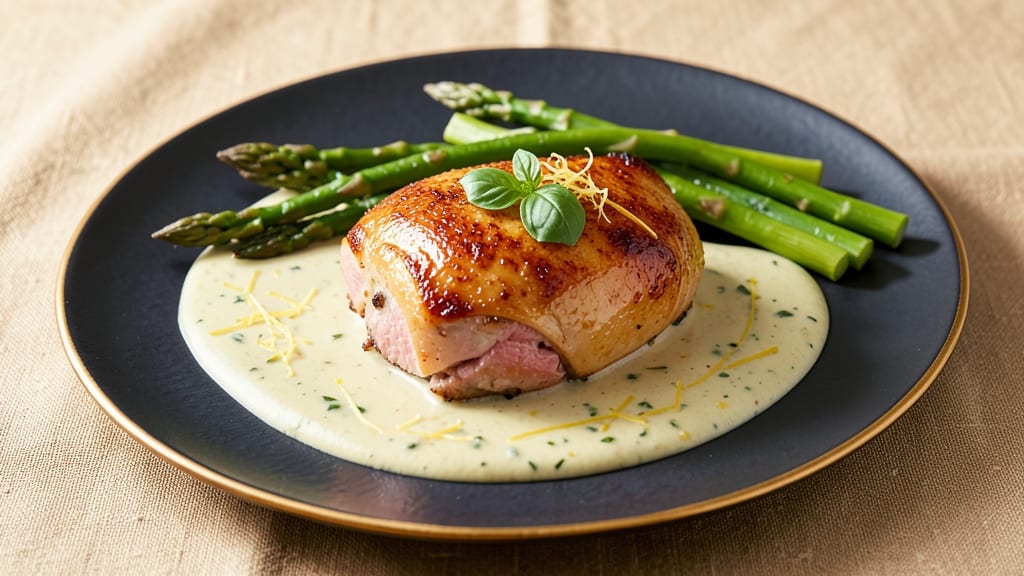
Transforming a simple can of Campbell's Cream of Asparagus soup into a restaurant-worthy chicken dish is where home cooking gets interesting.
After years of perfecting this technique, I've unlocked a method that delivers tender, juicy chicken swimming in a velvety green sauce that's richer than anything you'd find in a diner. The key lies in balancing the canned soup with fresh ingredients to elevate it without overpowering the classic flavors.
This recipe begins with chicken thighs—juicier and more forgiving than breasts—seared to a golden brown before simmering in the soup base with fresh asparagus.
The sauce gets its luxurious texture from a touch of cream and a splash of lemon juice, brightening the earthy asparagus while keeping the dish light enough for weeknight dinners.
What you'll end up with is a creamy, herby sauce that clings perfectly to the chicken, creating every bite into a harmonious blend of comfort and sophistication.
Serve this dish over buttery mashed potatoes or alongside crusty bread to soak up every last drop of that velvety sauce.
The asparagus adds a fresh, vibrant green color that makes the plate look as impressive as it tastes, perfect for when you want to impress guests without spending hours in the kitchen. The best part?
This recipe comes together in under an hour, making it ideal for those nights when you want something special but don't have time for fuss.
My grandmother always said good food starts with a few simple ingredients and a willingness to pay attention. This dish proves that philosophy—it's not about complicated techniques, but about enhancing what you already have with a little care and precision.
The kitchen becomes the heart of the gathering, just as she always intended.
Ingredients for campbell's cream of asparagus chicken
Pantry staples plus a few fresh touches. That can of soup becomes something special.
| Ingredient | Amount | Notes |
|---|---|---|
| Chicken Thighs 🍗 | 1 ½ lb | Bone-in, skin-on preferred |
| Campbell's Cream of Asparagus Soup 🥫 | 10 ½ oz | One standard can |
| Fresh Asparagus 🌱 | 1 lb | Trimmed, tough ends removed |
| Heavy Cream 🥛 | ½ cup | Full-fat for richness |
| Lemon Juice 🍋 | 2 tbsp | Freshly squeezed |
| Fresh Basil 🌿 | ¼ cup | Chopped, for garnish |
| Garlic Cloves 🧄 | 3 cloves | Minced for sauce |
| Unsalted Butter 🧈 | 2 tbsp | For searing chicken |
| Salt 🧂 | 1 ½ tsp | Kosher or sea salt |
| Black Pepper 🌶️ | ½ tsp | Freshly ground |
| All-Purpose Flour 🌾 | 1 tbsp | For thickening sauce |
| Shallot 🧅 | 1 whole | Minced for flavor |
The chicken thighs are where the magic starts—bone-in, skin-on if you can get them, but no biggie if you don't. Costco or Trader Joe's usually have them prepped and ready, but any grocery store will work. Look for thighs with good marbling—they stay juicier. The asparagus? Fresh is best, but frozen works in a pinch (just thaw and trim). I always grab extra because half gets torn over the top of the dish for that restaurant look. The Campbell's soup? Grab the classic green can—none of that low-fat nonsense.
No heavy cream? Half-and-half or whole milk will work, but the sauce won't be quite as rich. Fresh basil? Dried at one-third the amount saves you a trip, but nothing beats the fresh stuff. The flour is just for thickening—if you're watching carbs, skip it and stir in an extra splash of cream. Garlic and shallot are non-negotiable for flavor, but if you're in a rush, garlic powder and onion powder (1 tsp each) will get you close. The butter? Microwave it 40 seconds to just melt it—no waiting for the stove.
This reheats beautifully—honestly tastes better the next day once everything melds. Keeps 4-5 days in the fridge, freezes for 3 months. I portion mine into containers so lunches are sorted for the week. The sauce thickens when chilled, so just stir in a splash of milk or cream when reheating. Garnish with extra basil and black pepper right before serving—worth the extra minute for that restaurant touch.
Why You'll Love This Recipe
- One-Pan Magic: I love that this dish lives in one skillet—no extra pots, no cleanup chaos. Just sear the chicken, build the sauce, and toss in the asparagus. My daughter even helps chop the fresh basil while I stir, and honestly, it’s the only time she stays out of the kitchen.
- Creamy, Zesty Perfection: The combo of full-fat heavy cream and fresh lemon juice makes this sauce dangerously good. That crispy chicken skin with the velvety coating? Chef’s kiss. The garlic and shallot add depth, but the lemon keeps it bright—no heavy, sad flavors here.
- Leftover Goldmine: I always make extra because this tastes even better the second day. Freezes like a dream for 3 months, so I’ve pulled it out after a long week and reheated it in 5 minutes. It’s my secret weapon for busy nights when I don’t want to cook.
- Budget-Friendly Luxury: Chicken thighs are cheap, the Campbell’s soup is a pantry staple, and fresh asparagus is seasonal (and affordable when it’s in season). Yet it feels like a restaurant dish—rich, satisfying, and worth every penny. Trust me, it’s my go-to when I want to impress without breaking the bank.
Step-by-step instructions for creamy asparagus chicken
Here's how to turn simple ingredients into a restaurant-worthy dish with tender chicken and velvety sauce.
Sear the Chicken Thighs Until Golden
Pat the 1½ lb chicken thighs completely dry with paper towels—this helps the skin crisp up. Heat 2 tbsp unsalted butter in a large skillet over medium-high heat until the butter foams. Season the chicken generously with 1½ tsp salt and ½ tsp black pepper, then add them to the pan skin-side down.
Let the chicken sear undisturbed for 5-6 minutes until the skin turns golden brown and crispy. Flip and cook for another 4-5 minutes until the internal temperature reaches 165°F. The skin should be deeply browned, and the meat should pull away from the bone easily. Transfer the chicken to a plate and tent loosely with foil to keep warm.
Build the Flavorful Sauce Base
In the same skillet (no need to wipe it clean—those browned bits are flavor gold), reduce the heat to medium and add the 1 minced shallot. Sauté for 2 minutes until softened and translucent. Add the 3 minced garlic cloves and cook for 30 seconds until fragrant—don't let it brown or it'll turn bitter.
Pour in the 10½ oz Campbell's Cream of Asparagus Soup and stir to deglaze the pan, scraping up any stuck bits. Let the mixture simmer for 3-4 minutes until slightly thickened. Stir in the 1 tbsp all-purpose flour, mixing well to create a smooth paste. This step ensures your sauce will coat the chicken beautifully.
Finish with Cream and Asparagus
Add the ½ cup heavy cream and 2 tbsp lemon juice to the sauce, stirring constantly. Bring to a gentle simmer and let it thicken for 2-3 minutes—you want it creamy but not gluey. Toss in the 1 lb trimmed fresh asparagus (cut into 2-inch pieces) and cook for 3-4 minutes until tender-crisp. The asparagus should retain some bite while absorbing the sauce's flavor.
Return the seared chicken thighs to the skillet, spooning sauce over them. Let everything simmer together for 2 minutes so the chicken absorbs the velvety coating. Taste and adjust seasoning if needed—this is where you can fix any flavor imbalances before serving.
Garnish and Serve Immediately
Transfer the chicken and sauce to a serving platter. Sprinkle with the ¼ cup chopped fresh basil and serve while everything is piping hot. The sauce should beautifully coat the chicken, and the asparagus should add a fresh, vibrant touch to each bite. This dish tastes even better the second day, so consider making extra for leftovers!
Real talk: The key to juicy chicken is letting it rest after searing. Don't skip this step—it makes all the difference in keeping the meat tender and flavorful. Serve with crusty bread or over rice to soak up that creamy sauce.
Pro Tips For Making Campbell'S Cream Of Asparagus Chicken
- Wait for Butter Foam: That golden foam in the butter is your cue the pan’s ready—don’t rush it. I used to burn the first batch because I jumped the gun, and now I wait until it’s bubbling like a tiny storm before adding the chicken. High heat. Seriously, crank it up.
- Trim Asparagus Right: Bend those asparagus stalks—they’ll snap naturally where the tough part ends. I learned this the hard way by peeling every last inch, only to realize I’d wasted half the bunch. Keep the pieces 2 inches long, no smaller, or they’ll turn to mush in the sauce.
- Don’t Rush the Rest: Those 5–10 minutes under foil after searing? Non-negotiable. I skipped it once and ended up with dry, stringy chicken. Tent that foil loosely—you’re not steaming a potato—just letting the juices redistribute. Your future self will thank you.
- Deglaze Aggressively: When you add the soup, grab that wooden spoon and scrape like you’re digging for buried treasure. Those browned bits on the pan are flavor gold, and skipping this step means a dull sauce. A few extra seconds now saves you from bland chicken later.
Storing and reheating your leftovers
Fridge Storage Tips
After cooking, let the dish cool to room temperature for no more than 2 hours before transferring to airtight containers. I use glass Pyrex containers with tight-fitting lids—they keep flavors fresh and prevent odors from bleeding into other foods.
Store in the coldest part of your fridge, usually the back of the bottom shelf, where the temperature stays most consistent. The sauce thickens slightly when chilled, so it's perfect for reheating without becoming watery. 💫
Freezing for Later
This dish freezes beautifully for up to 3 months without losing flavor. I portion it into quart-sized freezer bags (squeeze out excess air first!) and lay them flat to save space. When ready to eat, thaw overnight in the fridge—never at room temperature.
The sauce will separate slightly during freezing, but it re-emulsifies perfectly when reheated. Just stir in a splash of milk or cream if needed to restore creaminess.
Reheating Without Dryness
For stovetop reheating, pour the dish into a heavy-bottomed pot and add ¼ cup water or chicken broth to prevent sticking. Heat on medium-low for 10-12 minutes, stirring occasionally, until it reaches 165°F.
The broth keeps the sauce from becoming gluey while warming through evenly. Microwave reheating works too—cover with a damp paper towel and heat on 70% power for 2-3 minutes, stirring in between. 🔥
Reviving Leftovers
If your sauce has separated or looks dull after refrigeration, don't panic! Stir in 1 tbsp heavy cream or 1 tsp cornstarch mixed with 2 tbsp water to restore richness. For extra flavor, add a pinch of freshly ground black pepper and a squeeze of lemon juice right before serving.
I also like to top it with extra chopped basil and a drizzle of olive oil for that restaurant-fresh finish.
Make-Ahead Strategy
This recipe actually tastes better the second day, so I always make extra! Cook the chicken and sauce as directed, then refrigerate overnight. When ready to serve, reheat as described above. The flavors meld beautifully, and the sauce develops a deeper complexity.
I've even reheated portions for 3-4 days in a row with no issues—just adjust seasoning as needed. Perfect for busy weeknights when you want dinner on the table fast! ✨
Nutrition facts
Frequently asked questions
Why does this recipe use bone-in, skin-on chicken thighs?
Bone-in, skin-on chicken thighs stay juicier and develop incredible flavor from the fat and collagen. The skin crisps up beautifully when seared, adding texture contrast. Plus, they're more forgiving than breasts—even if you overcook them slightly, they'll still taste delicious. This method ensures your chicken stays moist while the skin becomes crispy perfection.
Can I substitute fresh asparagus with frozen?
Yes, but with a few adjustments! Use frozen asparagus by thawing it first and patting it completely dry. Trim off any ice crystals or tough ends. Cook it for just 1-2 minutes less than fresh since frozen asparagus starts tender. The texture will be slightly softer, but it'll still absorb all the creamy sauce beautifully.
What if my sauce turns out too thick or too thin?
Thick sauce? Add 2-3 tbsp warm water or chicken broth and stir gently. Too thin? Stir in 1 tsp cornstarch mixed with 1 tbsp water or a splash of heavy cream. The key is to adjust gradually while heating on low-medium until you reach your desired consistency. Taste as you go—this sauce should coat the back of a spoon but still be smooth.
Is it necessary to rest the chicken after searing?
Letting the chicken rest for 5-10 minutes after searing is what keeps it juicy. When you cut into warm chicken immediately, all those delicious juices escape. This 10-minute rest lets the meat redistribute those juices internally—guaranteed to make your chicken tender and flavorful. Trust me, it's worth the wait!
What's the best way to serve this creamy asparagus chicken?
This dish shines with simple sides that soak up the sauce. Try crusty sourdough bread for dipping, buttery mashed potatoes for creaminess, or steamed rice for a lighter option. For extra freshness, add a simple arugula salad with lemon vinaigrette. The key is to balance the richness of the chicken with something light—it makes every bite even better!