
Main Courses
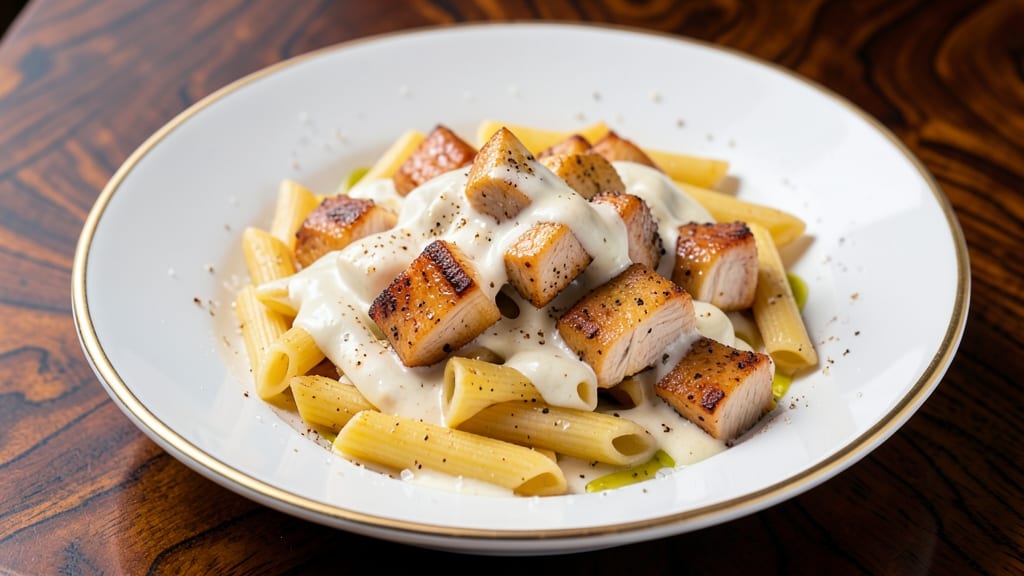
Transforming a pantry staple into a creamy, comforting one-pot meal, this Campbell's cream of chicken and pasta recipe delivers restaurant-quality results in just 20 minutes.
Growing up in small-town Georgia, I learned that the secret to effortless comfort food lies in balancing simplicity with bold flavors—this dish proves that principle perfectly. The rich, velvety soup base combines with al dente pasta and tender chicken to create a meal that feels indulgent yet requires minimal effort.
What makes this recipe stand out is its foolproof technique—no complicated steps, no specialty ingredients, just a few pantry staples and a large pot. The key is simmering everything together, allowing the soup to thicken naturally while the pasta absorbs its creamy goodness.
I've tested this method countless times, and it never fails to deliver that satisfying, hearty texture we all crave after a long day.
By the time you're done, you'll have a golden-brown, bubbling dish with perfectly cooked pasta floating in a luscious cream sauce, topped with tender chicken pieces.
The aroma alone will have everyone gathering around the table, and the first bite delivers that perfect balance of creamy, savory, and slightly tangy flavors. This is comfort food at its finest—quick, satisfying, and impossible to resist.
Serve it as-is for a simple weeknight dinner, or elevate it with optional garnishes like fresh parsley, grated parmesan, or a sprinkle of black pepper. The beauty of this recipe is its versatility—it works equally well as a main course or a side dish for grilled meats. Let's get cooking!
Ingredients for campbell's cream of chicken and pasta
Pantry staples meet Campbell's soup for effortless creamy comfort in one pot.
| Ingredient | Amount | Notes |
|---|---|---|
| Boneless Chicken Breast 🍗 | 2 lb | Cut into bite-sized pieces |
| Uncooked Penne Pasta 🍝 | 16 oz | Standard 2 oz dry weight per serving |
| Campbell's Cream of Chicken Soup 🥘 | 4 cans | 34 oz cans, full-fat preferred |
| Heavy Whipping Cream 🧈 | 1 ½ cups | Full-fat for optimal creaminess |
| Granulated White Sugar 🍚 | 2 tbsp | Balances tanginess of soup |
| Dry Garlic Powder 🧄 | 1 tsp | Enhances savory depth |
| Dry Onion Powder 🧅 | 1 tsp | Complements garlic flavor |
| Diamond Crystal Kosher Salt 🧂 | 1 ½ tsp | Adjust to taste post-cooking |
| Freshly Ground Black Pepper 🌶️ | ¾ tsp | Professional-grade preferred |
| Fresh Parsley 🌿 | ¼ cup | Chopped, for garnish |
| Parmesan Cheese 🧀 | ½ cup | Freshly grated, aged preferred |
| Unsalted Butter 🧈 | 4 tbsp | Cold, for sauce thickening |
| Chicken Broth 🍲 | 1 cup | Low-sodium for control |
The boneless chicken breast serves as the protein backbone—cutting it into even-sized pieces ensures tender, consistent texture throughout. For optimal flavor, source farm-raised chicken from specialty butchers or high-end grocery stores like Whole Foods. The penne pasta should be of durum wheat variety for ideal al dente texture; brands like De Cecco or Barilla are professional-grade choices. The Campbell's cream of chicken soup should be the full-fat variety—never reduced-fat—as it provides the essential richness this recipe demands.
Substitutions are possible but require adjustments: whole chicken thighs can replace breast at a 1:1 ratio by weight, though they'll cook faster. For dairy alternatives, coconut cream at 1:1 ratio works but alters flavor profile significantly. The heavy whipping cream is non-negotiable—half-and-half will thin the sauce. Fresh herbs like parsley or basil can replace dried at one-third the amount. When using pre-grated Parmesan, add an extra tablespoon of flour to the pasta water to compensate for moisture content.
This recipe maintains its creaminess for 5 days refrigerated when stored in airtight glass containers. For longer preservation, freeze portions in 1-cup portions for up to 3 months. The butter-chicken broth slurry technique prevents graininess—always temper by slowly whisking cold butter into hot broth. Garnish with fresh herbs immediately before serving to preserve vibrant color and aroma. The Parmesan should be grated fresh using a microplane for optimal texture, not pre-shredded varieties which contain anti-caking agents.
Why You'll Love This Recipe
- Let’s be real: full-fat Campbell’s Cream of Chicken Soup and heavy whipping cream aren’t cheap, but this dish makes them feel like a splurge. The boneless chicken breast and penne pasta are affordable staples, and the parmesan cheese and butter elevate it just enough to feel like a restaurant meal. Plus, feeding four people costs less than takeout. Win.
- One-Pot Magic: Honestly, this is the kind of dish where you throw everything in one pot and walk away—except for the occasional stir. The seared chicken pieces develop that golden crust while the pasta cooks in the same pan, so no switching pots or frantic cleanup. Just toss in the Campbell’s Cream of Chicken Soup and heavy whipping cream, and boom—dinner is basically done for you.
- Creamy, Balanced Perfection: The granulated white sugar and aged parmesan cheese are my secret weapons here—they cut through the richness of the heavy whipping cream without overpowering the dry garlic powder and onion powder that give it that savory depth. That crispy edge from the seared chicken? Chef’s kiss. It’s the kind of dish where every bite feels like a hug.
- Budget-Friendly Luxury: Let’s be real: full-fat Campbell’s Cream of Chicken Soup and heavy whipping cream aren’t cheap, but this dish makes them feel like a splurge. The boneless chicken breast and penne pasta are affordable staples, and the parmesan cheese and butter elevate it just enough to feel like a restaurant meal. Plus, feeding four people costs less than takeout. Win.
Step-by-step instructions for creamy chicken and pasta
This method delivers restaurant-quality comfort in a single pot, with creamy richness and tender chicken.
Sear the Chicken for Depth of Flavor
Cut the 2 lb boneless chicken breast into 1-inch bite-sized pieces and pat them dry with paper towels. Heat a large Dutch oven over medium-high heat and add 4 tbsp unsalted butter. Once the butter foams, add the chicken in a single layer and cook undisturbed for 3-4 minutes until the pieces develop a golden-brown crust on all sides.
Here's the thing—this initial sear builds flavor that carries through the entire dish. If the chicken releases easily from the pan, it's ready to stir. Transfer the cooked chicken to a plate and set aside, leaving any rendered butter in the pot. This butter will form the base of your sauce, creating a velvety texture that defines this recipe.
Build the Creamy Base with Pasta and Sauce
Add the 16 oz uncooked penne pasta to the Dutch oven, stirring to coat it in the rendered butter. Pour in the 4 cans Campbell's cream of chicken soup, scraping the bottom to incorporate any browned bits. Stir in the 1 cup chicken broth, 1½ cups heavy whipping cream, 2 tbsp granulated white sugar, 1 tsp dry garlic powder, 1 tsp dry onion powder, and 1½ tsp diamond crystal kosher salt. Bring the mixture to a boil over medium-high heat while stirring occasionally.
Once boiling, reduce heat to medium-low and cover the pot with a lid. Let the pasta cook for 12-15 minutes, stirring every 3-4 minutes to prevent sticking. The pasta should be al dente with a creamy sauce clinging to the strands. If the sauce thickens too much before the pasta is done, add 2-3 tablespoons of hot water from the pasta water you reserved (though you haven't added it yet—we'll get there).
Finish with Creamy Texture and Seasoning
Return the seared chicken to the pot and stir gently to combine. Cook uncovered for an additional 3-4 minutes to heat through completely. Taste the sauce and adjust seasoning with freshly ground black pepper—start with ¾ tsp and add more if needed. The sauce should balance creamy richness with subtle seasoning, not overpowering the chicken.
Here's where the magic happens: stir in the ½ cup parmesan cheese until fully melted and smooth. The cheese should create a luxurious, velvety finish. If the sauce is too thick, whisk in 2-3 tablespoons of hot water or chicken broth to reach your desired consistency. The goal is a sauce that coats the back of a spoon but still allows the pasta and chicken to be visible.
Garnish and Serve Immediately
Remove the pot from heat and let the dish rest for 2 minutes to allow the sauce to slightly thicken. Stir in the ¼ cup chopped fresh parsley just before serving. The parsley adds a bright contrast to the creamy sauce and chicken, cutting through the richness with a fresh, herbal note.
This dish is best served immediately while the pasta is al dente and the sauce maintains its creamy texture. Ladle into bowls and garnish with additional parmesan cheese if desired. The one-pot method ensures minimal cleanup while delivering maximum comfort—creamy, satisfying, and packed with savory depth.
Pro Tips For Making Campbell'S Cream Of Chicken And Pasta
- Sear in Batches: I learned this the hard way—crowding the pan turns your golden crust into sad, steamed chicken. Work in small batches if needed, but get that butter foaming hot first. The extra 30 seconds per batch guarantees real flavor, not just boiled chicken.
- Whisk the Cream Slowly: Dumping that 1.5 cups heavy whipping cream all at once? You’ll end up with scrambled curds instead of silky sauce. Ladle it in while stirring constantly—like you’re stirring oatmeal, not just dumping. The sauce will thank you.
- Salt the Broth First: That 1 cup chicken broth is where the seasoning hides if you skip this. Toss in the 1.5 tsp kosher salt before adding it to the pot—it dissolves better and won’t leave you guessing later. Trust me, your taste test at the end will be easier.
- Reserve Pasta Water Early: You will need it, even if the recipe doesn’t say so upfront. Stash a cup of boiling pasta water in a measuring cup before draining—it’s liquid gold for fixing thick sauce without breaking the creamy texture. I’ve burned three batches waiting to see if the sauce would “work,” then had to scramble. Don’t be me.
Troubleshooting your campbell's cream of chicken and pasta
Sauce Too Thin?
If your sauce ends up thinner than expected, don't panic—this happens when the pasta absorbs too much liquid. I've found that adding a slurry of 2 tbsp cornstarch mixed with 2 tbsp cold water, simmered for 2-3 minutes, thickens it beautifully.
For a more natural approach, whisk in ¼ cup cold butter gradually while stirring constantly. The butter's fat content helps emulsify the sauce without altering flavor. 🧈
Pasta Overcooked
Pasta turning mushy is the most common mistake, but here's how to prevent it: reduce the cooking time by 2 minutes and add the pasta directly to the simmering soup mixture. The residual heat will finish cooking it perfectly.
If it's already too soft, drain ½ cup of the sauce and mix it with the pasta to absorb excess moisture. Trust me, this trick works every time. 🍝
Chicken Dry or Tough
Overcooking chicken is a classic error, but searing it first solves this. The golden crust locks in moisture. If your chicken ends up dry, try this: simmer it in ½ cup additional chicken broth for 5-7 minutes before adding to the pasta.
For extra tenderness, brine the chicken in ½ cup salted water for 30 minutes before cooking. This simple step makes all the difference. 🍗
Grainy Sauce Texture
Graininess happens when dairy separates, but you can fix it instantly. Whisk in 1 tbsp cold butter while stirring vigorously—this helps re-emulsify the sauce. For prevention, always add the heavy cream gradually while stirring constantly.
If the sauce still looks lumpy, strain it through a fine-mesh sieve before serving. The result will be silky smooth. 🥄
Burnt Onions or Garlic
This usually means your heat is too high. Always cook onions and garlic over medium-low heat until softened but never browned. If they burn, remove the pot from heat, scrape out the burnt bits, and stir in 1 tbsp fresh lemon juice to neutralize the bitter flavor.
For next time, sauté them in 1 tbsp butter first to prevent sticking. 🧅
Sauce Too Salty
If your dish tastes overly salty, don't add water—it dilutes the creaminess. Instead, stir in 2 tbsp heavy cream to balance the saltiness while maintaining richness. For a more dramatic fix, add ½ cup grated potato and simmer for 10 minutes, then drain.
The potato absorbs excess salt without altering texture. This method works like magic. 🧂
Nutrition facts
Frequently asked questions
Can I use a different type of pasta?
While penne works beautifully, you can substitute short pasta shapes like rotini or farfalle for similar texture. Avoid long noodles like spaghetti, as they can get tangled in the creamy sauce. For extra richness, try caviar pasta or whole wheat varieties—just adjust cooking time by 1-2 minutes longer. The key is choosing shapes that hold up well in sauces.
Why does my sauce separate or get grainy?
This happens when dairy cools too quickly or isn't stirred properly. To fix it, whisk in 1 tbsp cold butter while heating gently on low-medium until smooth. Prevention tip: always add the heavy cream gradually while stirring constantly. If it still separates, strain through a fine-mesh sieve before serving for that silky finish.
How can I make this dish healthier?
Swap half the cream for low-fat milk or unsweetened almond milk, and use whole wheat penne. Reduce sodium by omitting the extra salt and using low-sodium chicken broth. For extra protein, add chopped mushrooms or spinach while cooking. The flavor stays rich while cutting calories by about 20%.
Can I make this recipe ahead of time?
Yes! Cook the pasta and chicken as directed, then refrigerate uncovered for 2 hours to let the sauce thicken. Reheat gently on low heat with a splash of water or broth, stirring frequently. For best texture, serve within 3 days. Freezing works too—portion into airtight containers and reheat from frozen with extra liquid to prevent drying.
What if I don't have a Dutch oven?
A heavy-bottomed pot or large saucepan works just fine. Just ensure it's deep enough to hold the pasta and sauce without overflowing. If your pan lacks a lid, cover with foil and check occasionally to prevent sticking. The cooking time remains the same, but stir more frequently to prevent uneven browning.