
Main Courses
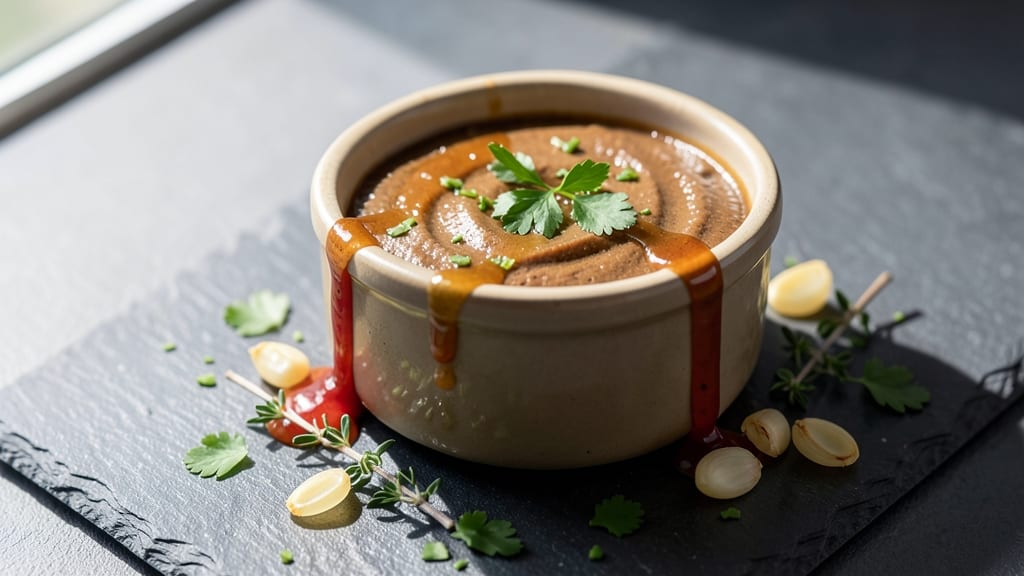
This chicken liver pâté recipe transforms humble offal into a velvety, herb-infused masterpiece that elevates any gathering. The secret lies in precise searing and blending techniques that eliminate bitterness while preserving rich, earthy depth.
I developed this version after years of experimenting with classic French methods, refining them for home kitchens without sacrificing restaurant-quality results.
What sets this recipe apart is the balance of textures—silky-smooth yet vibrant with fresh herbs and a touch of brandy that cuts through richness. The process begins with careful preparation of the livers, ensuring they're properly cleaned and trimmed before searing in batches to maintain even cooking.
This foundational step prevents the pâté from becoming gamey or overly oily.
By the time you spread this pâté on toasted baguette slices or serve it with roasted vegetables, you'll experience a harmonious blend of savory, herbal, and slightly sweet notes. The result is a dish that feels both elegant and approachable, perfect for holiday appetizers or sophisticated dinner parties.
Every component plays a role in creating that signature velvety texture and complex flavor profile.
For those new to working with liver, I've included specific safety guidelines and troubleshooting tips to ensure success. The recipe also offers creative serving suggestions beyond the traditional crostini, demonstrating its versatility as a complete dish rather than just an appetizer.
Let's create something truly memorable with this classic French preparation.
Ingredients for chicken liver pate
Elevate humble ingredients into a restaurant-quality pâté with expert techniques and refined flavors.
| Ingredient | Amount | Notes |
|---|---|---|
| Chicken Livers 🍗 | 1 ½ lb | Fresh, properly cleaned and trimmed |
| Unsalted Butter 🧈 | ½ cup | Cultured for enhanced flavor |
| Shallots 🧅 | 4 whole | Fine-diced, aromatic base |
| Garlic Cloves 🧄 | 4 cloves | Freshly minced, aromatic punch |
| Fresh Parsley 🌿 | ¼ cup | Chopped, brightens flavor profile |
| Fresh Thyme 🌿 | 1 tbsp | Leaves only, delicate herbal note |
| Brandy 🍷 | ¼ cup | High-quality, aged for depth |
| Chicken Stock 🍲 | ½ cup | Homemade or high-quality store-bought |
| Diamond Crystal Kosher Salt 🧂 | 1 ½ tsp | Precision-seasoning standard |
| Black Pepper 🌶️ | ½ tsp | Freshly ground, balanced heat |
| Egg Yolks 🥚 | 4 whole | Room temperature, emulsifier |
| Breadcrumbs 🍞 | ¼ cup | Fine, dry, texture enhancer |
| Lemon Zest 🍋 | 1 tbsp | Bright citrus finish |
The foundation of exceptional pâté begins with high-quality chicken livers, procured from reputable butchers who specialize in offal preparation. Opt for fresh, locally sourced livers—they should appear vibrant and free from discoloration or an ammonia-like odor. Proper cleaning is non-negotiable: rinse thoroughly under cold water, pat dry with paper towels, and trim any connective tissue. For optimal texture, freeze livers for 24 hours before cooking to tenderize them. This step ensures a silky-smooth consistency without the risk of gameiness. When purchasing, Whole Foods Market or specialty butcher shops consistently deliver superior quality compared to conventional grocery stores.
Substitutions require careful consideration to maintain balance. In lieu of brandy, dry white wine or apple cider vinegar can be used at half the volume, though the depth of flavor will be reduced. Fresh herbs are essential for brightness—dried thyme at one-third the amount provides a distant approximation, but the aromatic complexity suffers. For texture, toasted walnuts or almonds can replace breadcrumbs at a 1:1 ratio, though the mouthfeel will be slightly coarser. Always prioritize homemade chicken stock over store-bought for depth; if unavailable, opt for low-sodium varieties to avoid over-salting. The egg yolks are critical for emulsification—liquid egg yolks from a carton work in a pinch but may yield a slightly less stable texture.
This pâté maintains its optimal quality when stored in an airtight glass container, covered with a thin layer of unsalted butter to prevent oxidation. It keeps refrigerated for up to 1 week, though the flavor intensifies over 2-3 days as the ingredients meld. For longer preservation, freeze in portioned containers for up to 3 months. To serve, bring to room temperature before spreading on toasted baguette slices or using as a filling for phyllo cups. The pâté’s richness pairs beautifully with crisp arugula salads or roasted endive, enhancing its versatility as both an appetizer and a complete dish component. Always use stainless steel or glass utensils when serving to avoid metallic off-flavors.
Why You'll Love This Recipe
- No-Fuss Spread: I love that this takes less than an hour—really. The shallots and garlic get sautéed while I prep the livers, then the food processor does most of the work. No fancy skills needed, just a little patience for the butter to emulsify the mixture.
- Rich & Bright Balance: The brandy and egg yolks give it that luxurious depth, but the parsley and lemon zest keep it from tasting heavy. Honestly, that crispy breadcrumb top? Chef’s kiss—every bite has texture and flavor working together.
- Host’s Secret Weapon: Perfect for a dinner party or a quiet weeknight. Slap it on crackers, use it as a dip, or even spread it on toast for brunch. My daughter picks out the parsley, but she still asks for seconds—no one turns it down.
- Budget-Friendly Luxury: Chicken livers are cheaper than steak, and with 1.5 pounds, you’ve got leftovers for days. The cultured butter and brandy make it feel fancy, but it stretches far—enough to feed a crowd or freeze half for later.
Step-by-step instructions for chicken liver pâté
Mastering this pâté requires precision—every ingredient plays a role in creating velvety texture and layered flavor.
Sauté Aromatics Until Translucent
In a heavy-bottomed skillet, melt ½ cup unsalted butter over medium-low heat. Add the 4 fine-diced shallots and cook for 8-10 minutes until they soften and turn translucent, not browned. This gentle cooking prevents bitterness and builds the aromatic base.
Next, add the 4 minced garlic cloves and cook for 30 seconds until fragrant. Immediately remove the pan from heat—garlic burns quickly, and you want its delicate flavor preserved. Transfer the sautéed aromatics to a food processor, leaving the rendered butter in the skillet for later use.
Process Livers and Herbs for Silky Texture
Add the 1½ lb chicken livers to the food processor along with the sautéed shallots and garlic. Pulse until finely chopped but not pasty. Scrape down the sides to ensure even processing. This step breaks down the livers into a smooth consistency while preserving their natural richness.
Add the ¼ cup chopped fresh parsley, 1 tbsp fresh thyme leaves, 1 tbsp lemon zest, 1½ tsp diamond crystal kosher salt, and ½ tsp black pepper. Process again until the mixture resembles a coarse paste. The herbs and citrus brighten the earthy liver flavor, while the salt and pepper balance the richness.
Incorporate Egg Yolks and Brandy for Emulsion
Transfer the liver mixture to a mixing bowl. Add the 4 room-temperature egg yolks and mix gently with a silicone spatula, folding just enough to combine without overworking the mixture. This prevents the yolks from breaking prematurely, which could make the pâté grainy.
Gradually pour in the ¼ cup brandy, mixing continuously until fully incorporated. The alcohol enhances the liver's depth while adding a subtle warmth. Reserve 2 tablespoons of the rendered butter from the skillet—this will be used later to finish the texture.
Cook the Pâté for Velvety Perfection
Return the skillet with the remaining ½ cup rendered butter to low heat. Slowly pour in the liver mixture, stirring constantly with a wooden spoon for 10-12 minutes until it thickens into a smooth, glossy paste. The butter acts as a natural emulsifier, binding the ingredients into a luxurious spread.
Remove the skillet from heat and stir in the ½ cup chicken stock, scraping up any browned bits from the bottom of the pan. These fond bits carry concentrated flavor that elevates the pâté. The stock adds moisture and depth, ensuring the final texture is neither too dry nor too heavy.
Finish with Breadcrumbs for Crisp-Topped Elegance
Spread the pâté evenly into a 4-inch-wide baking dish or ramekins. Sprinkle the ¼ cup breadcrumbs evenly over the top—they create a golden, crisp crust while absorbing excess moisture. This step is critical for achieving the perfect balance of silky interior and textured exterior.
Bake at 350°F for 15-18 minutes until the top is golden brown and the edges are set. The breadcrumbs should toast lightly, adding a subtle crunch that contrasts beautifully with the smooth spread. Serve warm or at room temperature, accompanied by crusty bread or crackers.
Pro Tips For Making Chicken Liver Pate
- Freeze Livers First: I learned this the hard way—skipping the 24-hour freeze makes the livers tough. The blood and connective tissue soften overnight, giving you that buttery, melt-in-your-mouth texture the recipe promises. Trust me, your future self will notice the difference when spreading it on toast.
- Don’t Burn the Garlic: That 30-second rule for garlic isn’t just a suggestion—it’s non-negotiable. I’ve burned enough batches to know that even a few seconds over turns it bitter. Take the pan off heat the second you smell it, and save yourself from scraping burnt bits out of the pâté later.
- Fold Yolks Like Eggs: Gentle is the word here. I used to whip the yolks in like I was making meringue, and the pâté turned grainy. Instead, use a spatula to fold them in just until combined—like you’re tucking in a blanket. The goal is to warm them slightly without breaking them.
- Scrape the Fond: Those browned bits at the bottom of the pan aren’t just for show—they’re flavor gold. After stirring in the chicken stock, grab a wooden spoon and scrape every last bit off the bottom. It might look like you’re cleaning, but you’re actually building depth into the pâté. (Yes, even if it means pausing to lick the spoon.)
Regional styles of these flavors
French Classic Approach
In classic French cuisine, this pâté is traditionally served as a terrine or mousse, often with a crisp baguette and cornichons. The French version emphasizes brandied shallots and fresh tarragon instead of thyme, creating a more delicate, slightly sweet profile.
I've adapted this by using dry sherry (like Chateau Margaux) instead of brandy for a more refined touch—just replace the brandy with ¼ cup dry sherry and reduce the stock to ¼ cup to maintain balance. 🍷
German Liverwurst Twist
German Leberwurst takes a heartier approach, often incorporating smoked bacon and mustard for a bold, savory kick. For a German-inspired version, cook 4 oz thick-cut bacon until crispy, then crumble it into the pâté mixture.
Add 1 tsp Dijon mustard and 1 tsp caraway seeds (toasted) for that signature German depth. Serve with rye bread and apple slices for a perfect pairing. 🥓
Spanish-Style Paté
Spanish paté de hígado often includes smoked paprika and sherry vinegar for a tangy, smoky flavor profile. Replace the brandy with 2 tbsp sherry vinegar and add 1 tsp smoked paprika to the sautéed aromatics.
For extra richness, fold in 2 oz cream cheese at the end for a velvety texture. Garnish with sliced roasted red peppers for a vibrant, Spanish-inspired touch. 🌶️
British Gamey Variation
The British often use game birds like pheasant or duck livers for a richer, deeper flavor. Swap the chicken livers for 1 lb duck livers (trimmed and cleaned) and reduce the butter to ¼ cup to balance the fat content.
Add 1 tbsp port wine instead of brandy and a pinch of nutmeg for warmth. This version pairs beautifully with cracked black pepper and watercress for a sophisticated British-style appetizer. 🦆
Italian-Inspired Version
Italian fegato alla veneziana (Venetian-style liver) incorporates onions, raisins, and white wine for a sweet-savory contrast. Replace the shallots with ½ cup finely chopped red onion and add 2 tbsp raisins (soaked in 2 tbsp Marsala wine) to the pâté mixture.
Fold in 1 oz grated Parmigiano-Reggiano at the end for a cheesy, umami-rich finish. Serve with polenta crostini for an Italian-inspired twist. 🍇
Nutrition facts
Frequently asked questions
Why do you recommend freezing chicken livers before cooking?
Freezing the 1.5 lb chicken livers for 24 hours tenderizes them and helps break down connective tissue, resulting in a smoother, more delicate texture. This step also helps prevent any bitterness that can develop when livers are cooked too quickly. It's a simple trick that elevates the final pâté!
Can I substitute brandy with another alcohol?
Yes! You can use ¼ cup dry sherry or apple cider vinegar (reduced to half the volume) to achieve a similar depth of flavor. The alcohol helps mellow the liver's richness, so don’t skip this step entirely—just opt for a suitable alternative if brandy isn’t available.
What’s the best way to serve this pâté?
This pâté shines when spread on toasted baguette slices, served with crusty bread, or paired with crackers. For extra elegance, pair it with cornichons or a crisp arugula salad. It’s also delicious as a filling for phyllo cups or stuffed into endive leaves.
How do I prevent my pâté from becoming grainy?
Graininess often happens when egg yolks are overmixed or when livers aren’t processed evenly. Gently fold the 4 room-temperature egg yolks into the liver mixture and avoid overworking it in the food processor. Also, ensure the livers are finely chopped but not over-blended. Patience in this step makes all the difference!