
Sauces & Condiments
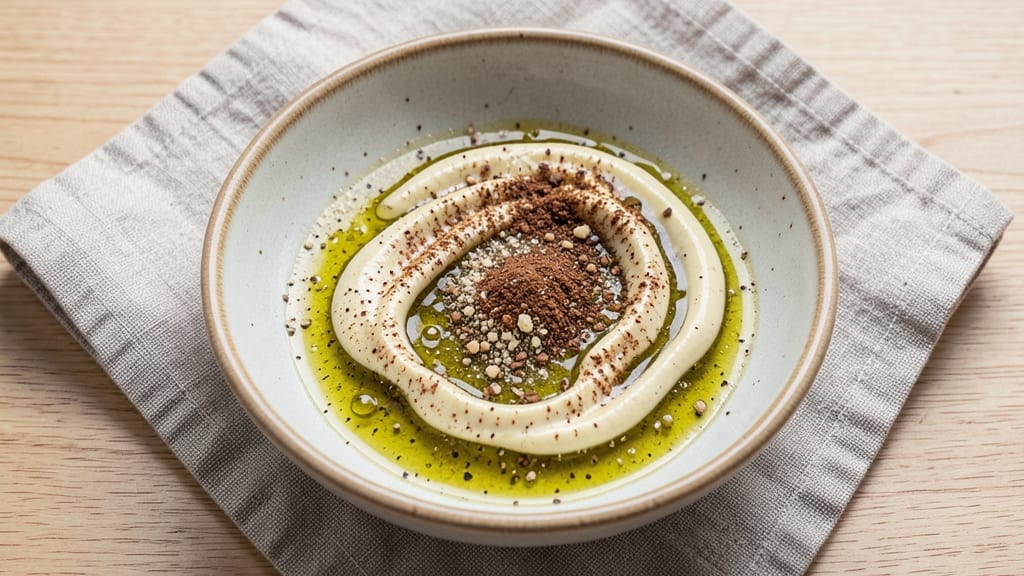
This chicken strip marinade recipe transforms ordinary chicken into restaurant-quality bites with a crispy, herb-infused crust that stays crunchy even after cooking. The secret lies in a balanced blend of olive oil, lemon juice, and aromatic herbs that tenderize the meat while building flavor depth.
I developed this marinade after years of experimenting with different techniques—it’s the one that finally delivers that perfect balance of moisture and texture.
The marinade works as both a flavor enhancer and a crispiness catalyst, thanks to the combination of Dijon mustard and smoked paprika that creates a subtle char when cooked.
It’s designed to be made in advance and stored, so you can always have a quick solution for game day, weeknight dinners, or family meals. The herbs—parsley, thyme, and oregano—add freshness that cuts through the richness of the chicken, while garlic and onion powder provide that savory backbone.
When you use this marinade, you’ll notice the chicken strips develop a golden-brown crust that’s irresistibly crispy while staying juicy inside. The marinade can be applied for at least 30 minutes, or up to overnight for maximum flavor penetration.
Whether you’re baking, air-frying, or pan-searing, this marinade ensures consistent results every time—no dry or rubbery chicken here.
Pair it with your favorite dipping sauces, like honey mustard or ranch, and watch it disappear. The best part? You can double the batch and store it in the fridge for up to two weeks, making it a versatile addition to your cooking arsenal.
Let’s get started on creating that perfect crunch!
Ingredients for chicken strip marinade
A few simple ingredients transform chicken strips into restaurant-quality crunchy bites.
| Ingredient | Amount | Notes |
|---|---|---|
| Extra-Virgin Olive Oil 🫒 | ½ cup | High-quality, fruity variety |
| Lemon Juice 🍋 | 0.3 cup | Freshly squeezed, not bottled |
| Dijon Mustard 🍯 | 2 tbsp | For tangy depth |
| Smoked Paprika 🌶️ | 1 tbsp | Gives subtle char flavor |
| Garlic Powder 🧄 | 1 tbsp | Freshly ground preferred |
| Onion Powder 🧅 | 1 tbsp | For savory backbone |
| Dried Thyme 🌿 | 1 tsp | Earthy, aromatic |
| Dried Oregano 🍃 | 1 tsp | Bright herbal notes |
| Dried Parsley 🌿 | 1 tsp | Freshness finish |
| Sea Salt 🧂 | 1 tsp | Fine grain preferred |
| Black Pepper 🌶️ | ½ tsp | Freshly ground |
The extra-virgin olive oil is your secret weapon—look for fruity, not bitter—because it carries the flavors while keeping the chicken moist. I always grab California Olive Ranch or Pomona's for that perfect balance. The Dijon mustard isn't just for tang—it helps tenderize the chicken while creating that golden crust. Skip the pre-made marinades; this blend is what makes the difference. The smoked paprika gives that subtle char you'd expect from a restaurant kitchen, and it's non-negotiable for that authentic taste.
No fresh herbs? Dried works perfectly—just halve the amount. Want more garlic flavor? Add 1 extra tbsp of garlic powder or swap in 1 minced garlic clove if you've got it. Short on lemon juice? White wine vinegar at half the amount gets you close. The sea salt should be Diamond Crystal if you can find it—it's finer and dissolves better. For extra crunch, mix in 1 tbsp of cornstarch before applying to the chicken. And if you're feeling adventurous, a dash of Worcestershire sauce adds depth without overpowering.
This marinade keeps beautifully in an airtight container in the fridge for up to 2 weeks. For best results, shake it up before each use—ingredients settle! Freeze portions in ice cube trays for single-use convenience. When using, pat the chicken dry first—moisture is your enemy for that crispy crust. Apply for at least 30 minutes, but overnight is worth the extra time—it makes all the difference in flavor and texture. Store any leftover marinade in the fridge and use it within a week for dipping sauces or dressings—it's that versatile!
Why You'll Love This Recipe
- No-Fuss Flavor Bomb: I don’t know about you, but I’m always looking for marinades that actually make chicken worth eating—no sad, dry strips here. This one? The lemon juice and Dijon mustard create that perfect tangy kick, while the smoked paprika adds a smoky depth that makes every bite sing. It’s the kind of marinade that turns a simple protein into something special without any fuss.
- One-Bowl Magic: Honestly, this is the kind of recipe where you can prep everything in one bowl and call it a win. Just whisk the olive oil, lemon juice, and mustard together, then fold in the spices—no measuring madness, no chopping herbs. The marinade comes together in under five minutes, and the chicken strips soak up all those flavors while you’re doing something else. It’s the ultimate lazy-effort hero.
- Budget-Friendly Upgrade: Let’s be real—you don’t need a gourmet pantry to make this marinade. A bottle of olive oil, a lemon, and some basic spices are all you need to transform store-bought chicken strips into something that feels homemade and delicious. It’s the kind of recipe that stretches your grocery budget while still making you feel like a kitchen rockstar.
Step-by-step instructions for chicken strip marinade
Here's how to whip up this game-changing marinade that guarantees crispy, flavor-packed strips every time.
Whisk Together the Wet Ingredients
In a medium bowl, combine the ½ cup extra-virgin olive oil, ⅓ cup lemon juice, and 2 tablespoons Dijon mustard. Use a whisk to blend them vigorously for about 30 seconds until they're fully incorporated and smooth. I like to give it a good stir here—this ensures the lemon juice and Dijon mustard dissolve completely into the oil, creating a silky base for the marinade.
The lemon juice will make the mixture slightly cloudy at first, but keep whisking until it clears. This step is crucial because it emulsifies the ingredients, preventing separation later. If you notice any streaks of oil still lingering, just whisk a little longer—you want everything to come together seamlessly.
Add the Dry Seasonings and Mix Thoroughly
Now it's time to add the dry ingredients. Sprinkle in the 1 tablespoon smoked paprika, 1 tablespoon garlic powder, 1 tablespoon onion powder, 1 teaspoon dried thyme, 1 teaspoon dried oregano, 1 teaspoon dried parsley, 1 teaspoon sea salt, and ½ teaspoon black pepper. Stir well with a wooden spoon or your whisk until every ingredient is evenly distributed and the mixture is completely smooth.
This is where the magic happens—the dry spices blend into the wet base, creating a harmonious balance of flavors. The smoked paprika gives a subtle char, while the garlic and onion powders build a savory backbone. Don't rush this step; give it a good 1-2 minutes of stirring to ensure the spices are fully incorporated. You should see a rich, vibrant marinade with a deep reddish hue from the smoked paprika.
Let the Marinade Rest for Maximum Flavor
Transfer the marinade to an airtight container with a lid. Give it a gentle shake to mix everything one last time, then let it sit at room temperature for at least 15 minutes—or up to 2 hours if you have the time. This resting period allows the flavors to meld together, deepening the taste and ensuring the chicken strips absorb every bit of flavor when marinated.
Here's a pro tip: If you're short on time, you can skip the resting period, but the longer you wait, the better the marinade will be. The lemon juice and Dijon mustard will continue to work their way into the oil, creating a more cohesive and flavorful mixture. Once rested, your marinade is ready to transform plain chicken strips into crispy, herb-infused perfection.
Marinate the Chicken Strips for Crispy Results
Place your chicken strips in a resealable plastic bag or a shallow dish. Pour the marinade over the chicken, making sure each strip is fully coated. Seal the bag or cover the dish, then refrigerate for at least 30 minutes—or up to 4 hours for even more flavor. The longer the chicken marinates, the more tender and flavorful it will become, but don't exceed 4 hours to avoid over-marinating, which can make the meat mushy.
For the crispiest results, pat the chicken strips dry with paper towels right before cooking. This step is non-negotiable—moisture on the surface of the chicken will steam it instead of searing it, which is the key to achieving that perfect crispy texture. Once dried, you're ready to cook them to golden perfection. The marinade will give you a beautiful crust and a burst of herb-infused flavor in every bite.
Pro Tips For Making Chicken Strip Marinade
- Whisk Like You Mean It: That 30-second whisking of the ½ cup extra-virgin olive oil, ⅓ cup lemon juice, and 2 tbsp Dijon mustard isn’t just busywork—it’s the difference between a separated mess and a silky marinade. I used to cut corners here, and the oil would always split when I poured it over the chicken. Keep at it until the mixture looks uniform, even if it takes a little longer. The lemon juice will fight the oil at first, but persistence pays off.
- Use Freshly Squeezed Lemon: Bottled lemon juice is convenient, but nothing beats the bright, complex punch of freshly squeezed lemon juice. The acidity cuts through the richness of the olive oil and mustard, and the flavor is sharper. If you’re using bottled in a pinch, at least pick one labeled “from concentrate” over the pasteurized kind—it’ll still taste better than the generic stuff.
- Don’t Skip the Rest: That 15-minute to 2-hour rest for the marinade isn’t optional—it’s when the smoked paprika and garlic powder stop competing with the lemon and start playing together. I learned this after making a batch where I rushed straight to the chicken, and the flavors were disjointed. Even 15 minutes makes a difference, but if you’ve got time, let it sit longer. Your taste buds will notice.
- Dry the Chicken Like It’s Your Job: Pat those strips bone-dry with paper towels right before cooking, or you’ll end up with steamed chicken instead of seared. The marinade already adds moisture, and any extra on the surface will turn your crispy dream into a sad, limp reality. I know, I know—it’s an extra step, but trust me, the contrast between the tender meat and the golden crust is worth it.
Troubleshooting your chicken strip marinade
Marinade Separation Fix
If your marinade separates before use, it’s usually from improper whisking or ingredient ratios. After whisking the wet ingredients, the mixture should look smooth—if you see oil streaks floating, whisk for another 30 seconds until fully emulsified.
For extra stability, add 1 teaspoon honey or 1 tbsp cornstarch to help bind the ingredients. I’ve found this trick works wonders when using high-quality olive oil that’s naturally emulsifying. 💡
Under-Marinated Chicken
If your chicken strips taste bland after cooking, they likely didn’t marinate long enough. The recipe calls for at least 30 minutes, but I recommend marinating for 4-6 hours or even overnight for maximum flavor.
For busy nights, double the marinade and refrigerate the chicken in it for 2 hours before cooking. The longer the exposure, the more flavor penetrates the meat.
Overly Oily Chicken
Excess oil on your chicken strips happens when you don’t pat them dry before cooking. After marinating, use paper towels to thoroughly dry each strip—this removes surface moisture so the marinade creates a crispy crust instead of steaming.
I like to double-pat the chicken and let it sit uncovered for 5 minutes before cooking to ensure absolute dryness. This step is crucial for that perfect sear. 🔥
Mushy Texture Problem
If your chicken turns out mushy, you might have over-marinated or used acidic ingredients too aggressively. The recipe limits marinating to 4 hours max, but if you’re using extra lemon juice, reduce it to 0.2 cup instead of 0.3 cup.
Also, avoid freezing the chicken before marinating—this can cause texture issues. Instead, freeze the marinade in ice cube trays and add it fresh to the chicken just before cooking.
Flavor Too Strong
When the marinade overpowers the chicken, it’s usually because you didn’t balance the ingredients properly. Reduce the smoked paprika to ½ tbsp if the flavor feels overwhelming. Alternatively, mix the marinade with an equal amount of plain yogurt or mayo to dilute the intensity.
This creates a lighter, more balanced flavor profile that still delivers that crispy crust you love.
Nutrition facts
Frequently asked questions
Why does my marinade separate after whisking?
Separation happens when the wet ingredients aren't fully emulsified. After whisking the ½ cup olive oil and ⅓ cup lemon juice, keep whisking for another 30 seconds until smooth. For extra stability, add 1 teaspoon honey or 1 tablespoon cornstarch to help bind the ingredients. This trick works especially well with high-quality olive oil.
How long should I marinate the chicken strips for best flavor?
The recipe calls for at least 30 minutes, but for maximum flavor, marinate for 4-6 hours or even overnight. If short on time, double the marinade and refrigerate the chicken for 2 hours before cooking. The longer the marinating time, the more flavor penetrates the meat.
What's the best way to prevent a soggy chicken strip texture?
Pat the chicken strips thoroughly dry with paper towels before cooking—this removes surface moisture so the marinade creates a crispy crust instead of steaming. Let them sit uncovered for 5 minutes after drying to ensure absolute dryness. This step is crucial for that perfect sear!
Can I use this marinade on other proteins besides chicken?
This marinade works beautifully on pork strips, shrimp, or even tofu for a flavorful twist. Just adjust the marinating time based on the protein's thickness—thinner cuts like shrimp only need 15-20 minutes, while thicker cuts like pork can handle 2-3 hours. The herbs and spices adapt well to different proteins.