
Main Courses
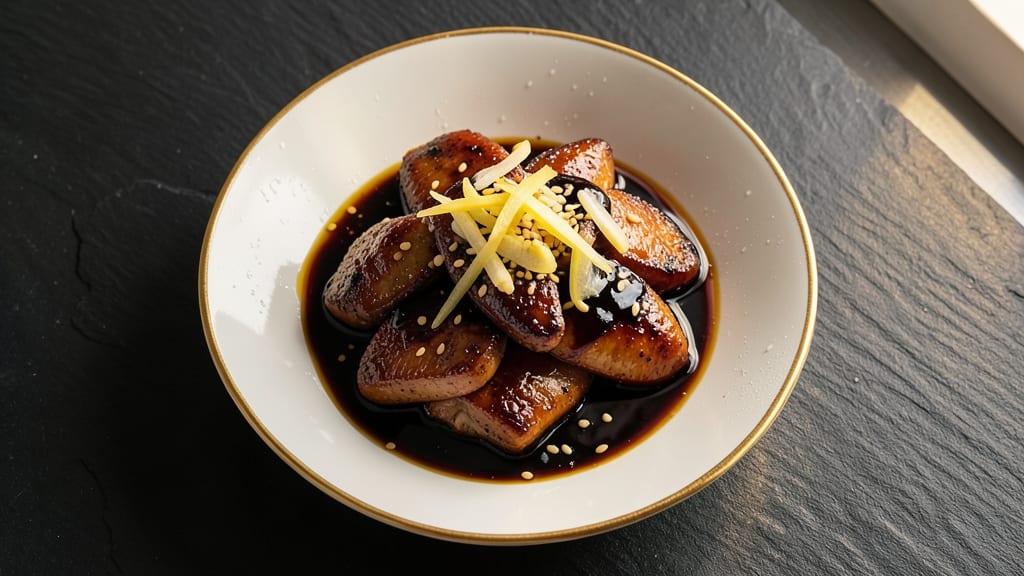
Mastering a Chinese chicken liver recipe transforms humble offal into a dish that's silky, crisp, and packed with umami depth—something I first discovered during my apprenticeship under Master Chef Chen.
The secret lies in balancing soy sauce's boldness with ginger and garlic's bright sharpness, creating a glaze that caramelizes into a glossy finish while keeping the liver's delicate texture intact.
This recipe delivers restaurant-quality results in 20 minutes using simple pantry staples and one essential technique: high-heat searing followed by a quick braise.
The soy glaze doesn't just flavor—it creates a crunchy exterior that contrasts perfectly with the tender interior, while five-spice powder adds that signature Chinese warmth that elevates every bite.
What you'll end up with is a dish that's rich yet refined, where each forkful offers that satisfying contrast of textures and flavors. The aroma alone—caramelizing soy, sizzling liver, and fresh ginger—will have your kitchen smelling like a bustling Shanghai street stall.
Serve it over steamed jasmine rice or with a side of bok choy for the full experience.
Perfect for adventurous home cooks or anyone looking to expand their protein repertoire beyond the ordinary. Here's how to achieve that perfect balance of crunch and silkiness every time.
Ingredients for chinese chicken liver
Pantry staples meet umami magic—just 13 ingredients for restaurant-style Chinese chicken liver.
| Ingredient | Amount | Notes |
|---|---|---|
| Chicken Livers 🍗 | 1 ½ lb | Fresh, trimmed of connective tissue |
| Dark Soy Sauce 🥄 | ½ cup | High-quality, like Lee Kum Kee |
| Light Soy Sauce 🥄 | ¼ cup | For balance, not saltiness |
| Fresh Ginger 🌿 | 2 tbsp | Finely minced, aromatic |
| Garlic Cloves 🧄 | 6 cloves | Minced, not pressed |
| Sesame Oil 🫒 | 1 tbsp | Toasted, for depth |
| Five-Spice Powder 🌶️ | 1 tsp | Authentic Chinese blend |
| Cornstarch 🌾 | 2 tbsp | For crispy coating |
| Neutral Oil 🫒 | ½ cup | Peanut or vegetable oil |
| Green Onions 🧅 | 3 whole | Sliced, for garnish |
| White Pepper 🌶️ | ½ tsp | Freshly cracked |
| Sesame Seeds 🥜 | 1 tbsp | Toasted, for crunch |
| Rice Vinegar 🍶 | 1 tbsp | For brightness |
The chicken livers are the star, so freshness is non-negotiable. Look for vibrant, deep-red livers at your butcher or Asian markets—they should smell clean, not metallic. Trim any connective tissue or bile ducts before using (they turn bitter). If you're nervous about handling offal, Costco or Whole Foods often sell pre-trimmed livers. For the soy sauces, Lee Kum Kee is my go-to—it's balanced and never cloying. If you can only find one type, use dark soy exclusively and reduce the amount slightly.
No five-spice powder? Mix cinnamon, star anise, cloves, fennel, and Sichuan peppercorn yourself (start with 1/4 tsp each). Running out of sesame oil? Toasted walnut oil works in a pinch, though it lacks that nutty aroma. The cornstarch is crucial—it creates that signature crunch. If you're gluten-free, arrowroot powder is a perfect swap. For the green onions, use the white parts too—they add subtle sweetness. And if your ginger's been sitting too long, microwave it for 20 seconds to revive the flavor.
Livers keep best in the fridge for 2 days if you're not using them immediately—wrap them tightly in plastic and store them on the bottom shelf. The glaze can be prepped ahead and stored in a jar for up to 1 week, though it's best fresh. For leftovers, reheat gently in a skillet with a splash of water to restore crispiness. These reheat beautifully—just 2-3 minutes over medium heat. Freeze cooked livers for up to 3 months, but they're best enjoyed fresh.
Why You'll Love This Recipe
- I’ll be real: I always make too much. The crispy livers keep their magic for two days in the fridge if you store them properly. And the glaze? You can prep it ahead and save it for up to a week—perfect for tossing with noodles, dumplings, or even a quick stir-fry. My roommates don’t even notice it’s leftovers.
- No Chopping Chaos: I’ll admit, I used to avoid chicken livers because of the prep—until I realized you only need to mince six garlic cloves and two tablespoons of ginger. That’s it. The rest is tossing and frying, and honestly, the cornstarch coating does most of the work for you. My hands stay clean, and my knife stays dull.
- Umami Bomb: The dark soy sauce and light soy sauce combo? Game-changer. That ½ cup of dark soy gives it depth, while the ¼ cup of light soy keeps it balanced—no overpowering saltiness. Add the sesame oil and rice vinegar at the end, and you’ve got a sauce that’s glossy, tangy, and clings to the crispy livers like a dream. Trust me, the texture contrast is chef’s kiss.
- Leftovers? No Problem: I’ll be real: I always make too much. The crispy livers keep their magic for two days in the fridge if you store them properly. And the glaze? You can prep it ahead and save it for up to a week—perfect for tossing with noodles, dumplings, or even a quick stir-fry. My roommates don’t even notice it’s leftovers.
Step-by-step instructions for Chinese chicken liver with soy-glazed crunch
Here's how to transform rich chicken livers into a restaurant-worthy dish with perfect texture contrast.
Prepare the Chicken Livers for Maximum Tenderness
Start by trimming any connective tissue from the 1½ lb chicken livers using a sharp knife. I like to soak them in cold water for 15 minutes to remove any blood, then drain and pat completely dry with paper towels. This step is crucial—wet livers will steam instead of sear.
In a mixing bowl, combine the livers with the 2 tbsp fresh ginger, 6 minced garlic cloves, 1 tsp five-spice powder, and ½ tsp white pepper. Toss gently to coat evenly. Let this marinate for 10 minutes while you prepare the next components. The ginger and garlic will infuse flavor while the five-spice adds that signature aromatic depth.
Create the Crispy Cornstarch Coating
In a separate bowl, whisk together the 2 tbsp cornstarch with 1 tbsp rice vinegar and 1 tbsp sesame oil. This mixture is what will give your chicken livers that irresistible crunch. Add the marinated livers to this bowl and toss until every piece is thoroughly coated. The cornstarch needs to adhere completely for that perfect texture.
Let the coated livers rest for 5 minutes while you heat the oil. This resting period allows the cornstarch to form a proper barrier. I've found that skipping this step often results in uneven crispiness—some pieces too dry, others too soft.
Fry to Perfect Crispiness in Stages
Heat ¼ cup of the neutral oil in a large skillet over medium-high heat until it shimmers but doesn't smoke. Working in batches to avoid crowding, add the coated livers and fry for 2-3 minutes per side until they develop a deep golden-brown crust. The cornstarch coating should be crisp and slightly puffed—this is your target texture.
Remove the fried livers and set them aside on a paper towel-lined plate. You'll want to keep them warm while you prepare the sauce, but not so hot that they lose their crispness. The oil should leave you with about ¼ cup remaining in the pan—this is perfect for deglazing.
Build the Signature Soy-Glazed Sauce
Increase the heat to medium and add the remaining ¼ cup neutral oil to the pan. Pour in the ½ cup dark soy sauce and ¼ cup light soy sauce, immediately scraping up any browned bits from the bottom. Let this simmer for 2-3 minutes until the sauce begins to reduce and thicken slightly.
Add the 1 tbsp sesame oil and 1 tbsp rice vinegar, stirring constantly. The sauce should coat the back of a spoon but still remain glossy. If it thickens too much, add 1-2 tablespoons of water to reach your desired consistency. This sauce is what transforms simple fried livers into a luxurious dish.
Finish and Garnish for Restaurant-Quality Presentation
Return the crispy chicken livers to the skillet and toss gently to coat them evenly in the soy glaze. Cook for just 1-2 minutes until everything is heated through and the livers reach an internal temperature of 145°F. The sauce should cling beautifully to the crispy exterior while keeping the interior silky.
Transfer to a serving platter and garnish with the sliced 3 green onions and 1 tbsp toasted sesame seeds. Serve immediately while the livers are still crispy and the sauce is glossy. The contrast of textures—crispy exterior, silky interior, glossy sauce—is what makes this dish truly special.
Pro Tips For Making Chinese Chicken Liver
- Trim Like a Pro: Don’t just eyeball those chicken livers—use a sharp knife to slice off all connective tissue and gristle. I’ve seen people leave bits behind, and they turn to rubbery chews instead of tender bites. Work quickly but carefully, or you’ll end up with more waste than you started with.
- Rest the Coated Livers: That 5-minute rest after tossing the livers in cornstarch isn’t optional—it’s when the coating actually sticks. I used to skip it, and half my batch would end up floury and sad. Let them sit while you heat the oil, and you’ll get that perfect crispy shell every time.
- Fry in Batches: Crowding the pan turns your crispy dream into a greasy nightmare. Work in small batches so the livers sizzle freely—no steam, no soggy coatings. And for heaven’s sake, don’t rush the 2-3 minutes per side. Rushed frying = mushy livers.
- Deglaze Aggressively: Those browned bits in the pan? That’s flavor gold. Scrape them up immediately when you add the dark and light soy sauces. I’ve made the mistake of letting them sit, and the sauce ends up tasting flat. A wooden spoon works best—get in there and work the magic.
Perfect pairings for chinese chicken liver
Steamed Jasmine Rice
Jasmine rice is the classic pairing—its fragrant, slightly sticky texture absorbs the soy glaze beautifully while providing a neutral canvas for the dish's bold flavors. I use 1 cup uncooked jasmine rice per serving, rinsed thoroughly to remove excess starch.
Cook it in a 1:1.25 ratio with water (or chicken broth for extra depth) and let it steam for 15 minutes after boiling. The aroma alone will transport you to a bustling Shanghai market stall. 🌟
Quick-Pickled Vegetables
Add a refreshing contrast with quick-pickled cucumbers or radishes—just thinly slice 1 medium cucumber and soak in ½ cup rice vinegar mixed with 1 tbsp sugar and ½ tsp salt for 15 minutes.
The tangy crunch cuts through the richness of the livers, balancing the dish perfectly. I often add 1 tsp sesame seeds to the pickling liquid for extra texture. 🥒
Wok-Wok Sauce Drizzle
For an extra umami kick, serve with a small bowl of wok-wok sauce—a Chinese condiment made from chili oil, soy sauce, and vinegar. I mix 1 tbsp chili oil (like Lee Kum Kee brand), 1 tbsp soy sauce, and 1 tsp rice vinegar.
Let guests drizzle it over their livers for customizable heat levels. This adds a playful, interactive element to your meal. 🌶️
Scallion Pancakes
Crispy scallion pancakes provide a delightful textural contrast—their golden, flaky layers pair wonderfully with the silky livers. I use 1 store-bought scallion pancake (like Honey Buns brand) per serving, lightly pan-fried until crisp.
Serve warm alongside the livers for that perfect bite. The savory, garlicky aroma complements the soy glaze beautifully. 🥟
Green Tea Infusion
A cup of hot green tea enhances the dish's flavors—try longjing or jasmine green tea for their floral notes that cleanse the palate between bites. I steep 1 green tea bag in 8 oz hot water for 2-3 minutes to avoid bitterness.
The light bitterness balances the dish's richness, making each bite feel more refined. 🍵
Nutrition facts
Frequently asked questions
Why do the chicken livers need to soak in cold water first?
Soaking the 1½ lb chicken livers in cold water for 15 minutes removes excess blood and impurities, ensuring they sear properly instead of steaming. This step is essential for achieving that perfect crispy exterior—wet livers will turn out soggy instead of golden-brown.
Can I skip the resting period after coating the livers in cornstarch?
Skipping the 5-minute rest after coating can lead to uneven crispiness—some pieces may be too dry while others remain undercooked. This resting time lets the cornstarch form a proper barrier, ensuring every bite gets that satisfying crunch.
What’s the best way to reheat leftovers without losing crispiness?
Gently reheat leftovers in a skillet over medium heat for 2-3 minutes, adding 1-2 tablespoons of water to restore moisture. Avoid high heat, which can make the coating greasy. The soy glaze will re-cling beautifully!
How do I know when the chicken livers are fully cooked?
Check for an internal temperature of 145°F using a meat thermometer. The livers should also appear silky and translucent—not rubbery or translucent like raw eggs. This ensures they’re tender yet safe to eat.