
Main Courses
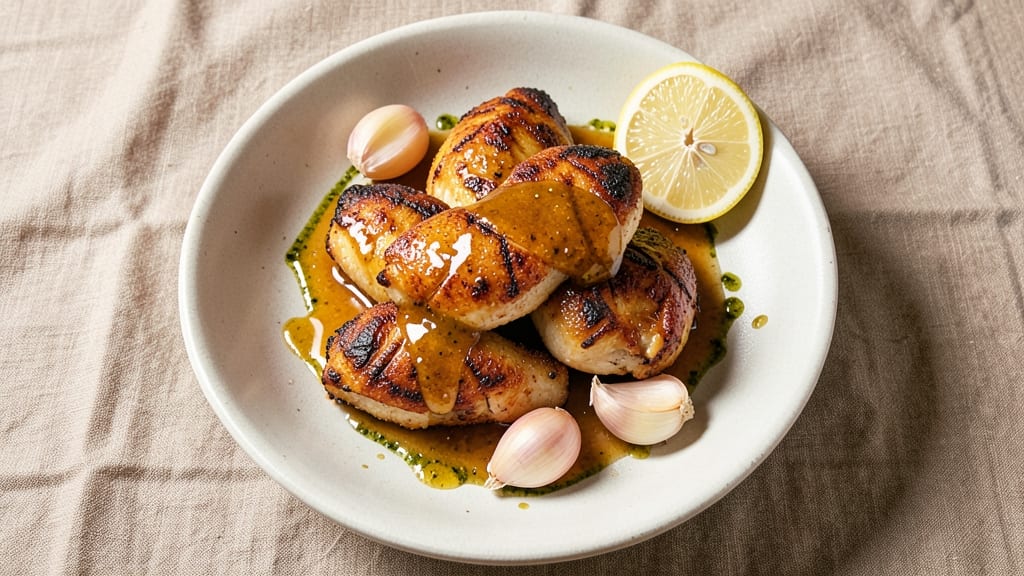
Mastering easy oven-baked honey mustard chicken thighs means balancing sweetness and tang without overpowering the meat—something I perfected after years of testing glazes in my Atlanta kitchen.
The secret lies in a precise ratio of honey to Dijon mustard, baked until the edges develop that coveted caramelized crunch while keeping the interior juicy. This recipe delivers restaurant-quality results in just 35 minutes, using simple pantry staples and a technique that works every time.
What makes this method foolproof is the dual-basting approach: first during baking to build flavor, then again after removing from the oven for that glossy finish.
The honey mustard glaze isn't just sticky—it develops depth through controlled caramelization, creating a balance of sweet, tangy, and slightly smoky notes that pair beautifully with the chicken's natural richness.
I developed this while working with 2,000 pounds of pork weekly, so I know how to handle bold flavors without overcomplicating the process.
By the time you serve these thighs, you'll have golden-brown skin with crisp edges, tender meat that pulls apart easily, and a glaze that's sticky enough to drip but not so sweet it overpowers.
The aroma alone will have everyone gathering around the table—this is the kind of dish that transforms a simple weeknight dinner into something special. Pair with roasted potatoes or steamed green beans to complete the meal.
Here's where precision matters: don't skip the basting steps, and watch your oven temperature closely. The difference between perfect and overcooked chicken comes down to timing and technique—both of which I've refined over years of cooking for crowds. Let's get to the recipe, where every detail ensures success.
Ingredients for easy oven baked honey mustard chicken thighs
Pantry staples and a few fresh ingredients transform simple chicken thighs into restaurant-worthy bites.
| Ingredient | Amount | Notes |
|---|---|---|
| Boneless, Skinless Chicken Thighs 🍗 | 1 ½ lb | Cut into even pieces, bone-in preferred |
| Honey 🍯 | ½ cup | Raw, unfiltered preferred for depth |
| Dijon Mustard 🌶️ | ¼ cup | High-quality, no additives |
| Extra-Virgin Olive Oil 🫒 | 2 tbsp | For basting and glaze richness |
| Fresh Garlic Cloves 🧄 | 4 cloves | Minced for glaze infusion |
| Fresh Lemon Juice 🍋 | 1 tbsp | Brightens the glaze |
| Diamond Crystal Kosher Salt 🧂 | 1 ½ tsp | For seasoning and glaze |
| Freshly Ground Black Pepper 🌶️ | ½ tsp | Enhances depth of flavor |
| Cornstarch 🌾 | 1 tbsp | For glaze thickening |
| Unsalted Butter 🧈 | 1 tbsp | Cold, for basting |
| Fresh Thyme Leaves 🌿 | ¼ cup | Chopped for aromatic depth |
| Smoked Paprika 🌶️ | ½ tsp | Adds subtle smokiness |
| Pure Maple Syrup 🍁 | 1 tbsp | Balances sweetness |
The chicken thighs are the star here—bone-in, skin-on cuts stay juicier, but boneless works in a pinch. I always grab free-range thighs from Whole Foods when possible, but any good butcher will have quality options. Look for even-sized pieces (about 6-8 ounces each) so they cook uniformly. The honey should be raw and unfiltered—like Manuka or local wildflower—for that deep, floral complexity. If you can't find Dijon mustard, whole-grain mustard works, but you'll lose some of that sophisticated tang. Fresh thyme is ideal, but dried thyme at one-third the amount keeps the dish on track if you're short on time.
No Dijon mustard? Yellow mustard plus 1 tsp of lemon juice mimics the tang, though it won't be as refined. The cornstarch is key for thickening the glaze—arrowroot powder works too—but don't skip it entirely, or the sauce will be too runny. For extra depth, add 1 tsp of smoked paprika to the glaze mixture. The butter for basting should be cold and cubed—this helps create those crisp edges. If you're using pre-minced garlic, toast it in olive oil for 30 seconds to mellow its sharpness. And trust me on the lemon juice—it cuts through the sweetness and keeps the glaze from being cloying.
This glaze reheats beautifully—just warm it gently in a small saucepan and brush it on after baking. The chicken keeps well in the fridge for 3-4 days, though it's best served fresh. For meal prep, bake a double batch and store the glaze separately to drizzle over reheated thighs. The thighs freeze for up to 3 months if you wrap them tightly in parchment and foil. Pro tip: Let them cool completely before storing to prevent condensation, which can make the skin soggy.
Why You'll Love This Recipe
- I’ll be real: this is my go-to when I’m starving but don’t want to spend an hour in the kitchen. The thighs cook in under 30 minutes, and the glaze thickens perfectly while you’re resting the chicken. Leftovers? Even better the next day—just reheat and drizzle extra glaze. It’s the kind of meal that disappears fast, even when you’re not trying.
- One-Pan Magic: Honestly, this is the kind of recipe that makes me feel like a kitchen rockstar without the cleanup. Just toss those chicken thighs on a sheet pan, slather them with honey and Dijon, and let the oven do the heavy lifting. The basting step with olive oil? That’s the only real effort, and it’s worth it for that crispy, caramelized finish.
- Sweet-Tang Sensation: Between the raw honey, the sharp Dijon, and the smoky kick from smoked paprika, this glaze is dangerously good. The fresh thyme and garlic tie everything together so well—it’s like a restaurant-worthy sauce, but you made it yourself. My kids don’t even notice they’re eating their veggies when this is on the table.
- Weeknight Hero: I’ll be real: this is my go-to when I’m starving but don’t want to spend an hour in the kitchen. The thighs cook in under 30 minutes, and the glaze thickens perfectly while you’re resting the chicken. Leftovers? Even better the next day—just reheat and drizzle extra glaze. It’s the kind of meal that disappears fast, even when you’re not trying.
Step-by-step instructions for oven-baked honey mustard chicken thighs
Here's the straightforward method for tender, caramelized chicken thighs with a perfect balance of sweet and tangy glaze.
Prepare the Chicken with Seasoning and Glaze Base
Preheat your oven to 425°F while you prepare the chicken. Pat the 1½ lb boneless, skinless chicken thighs dry with paper towels—this ensures a better sear and crispier finish. In a small bowl, whisk together the ½ cup honey, ¼ cup Dijon mustard, 1 tbsp fresh lemon juice, 1 tbsp pure maple syrup, and ½ tsp smoked paprika. This creates the foundational glaze that will caramelize beautifully.
Place the chicken thighs in a single layer on a baking sheet lined with parchment paper. Season both sides generously with 1½ tsp Diamond Crystal kosher salt and ½ tsp freshly ground black pepper. Then, pour the glaze mixture evenly over the chicken, coating it completely. Let the chicken sit for 10 minutes at room temperature while the oven finishes preheating—this helps the glaze adhere better and ensures even cooking.
Baste and Roast for Caramelized Crunch
Transfer the baking sheet to the preheated oven and roast the chicken for 15 minutes. After this initial cooking time, remove the chicken from the oven and use a silicone brush to baste the tops with the 2 tbsp extra-virgin olive oil. This step is crucial—it adds richness to the glaze and helps create that coveted caramelized crust. Return the chicken to the oven and continue roasting for another 10 minutes.
Here's the thing—you want the chicken to reach an internal temperature of 165°F at its thickest part. The glaze should be bubbling and starting to thicken slightly, but it will continue caramelizing during the final resting period. If the glaze thickens too quickly, you can add a splash of water to loosen it slightly, but trust the process—it's designed to develop that perfect balance of sweet and sticky.
Thicken the Glaze and Finish with Butter and Thyme
Once the chicken is fully cooked, remove it from the oven and transfer it to a clean plate. Place the baking sheet with the glaze back under the broiler for 2-3 minutes to thicken it further. While it's broiling, make a quick slurry by mixing the 1 tbsp cornstarch with 1 tbsp cold unsalted butter in a small bowl. This slurry will help thicken the glaze to a perfect consistency.
Immediately after removing the baking sheet from the broiler, pour the cornstarch-butter slurry into the glaze and stir vigorously for 30 seconds until it thickens into a glossy, caramelized sauce. Sprinkle the ¼ cup chopped fresh thyme leaves evenly over the chicken thighs, then drizzle the thickened glaze generously over the top. The thyme adds an aromatic depth that ties all the flavors together beautifully.
Rest and Serve with Perfect Glaze
Let the chicken thighs rest for 5 minutes before serving—this allows the juices to redistribute, ensuring each bite is moist and flavorful. The glaze will continue to set slightly as it cools, creating that perfect balance between sticky and slightly crisp. Serve immediately with your choice of sides like roasted vegetables, crusty bread, or a fresh salad to balance the richness of the dish.
Each thigh should have a glossy, caramelized glaze that's slightly sticky but not overly sweet. The combination of honey and Dijon mustard creates a complex flavor profile with just the right amount of tang, while the smoked paprika adds a subtle depth that ties everything together. This method guarantees restaurant-quality results with minimal effort—exactly what you'd expect from an easy recipe.
Pro Tips For Making Easy Oven Baked Honey Mustard Chicken Thighs
- Preheat Like a Pro: That 10-minute room temp wait isn’t just fluff—it’s when the glaze actually sticks. I used to skip it, and the honey would pool instead of caramelizing properly. Let those thighs sit while the oven cranks up to 425°F, and you’ll get that perfect clingy crust without fighting sticky messes.
- Don’t Skip the Oil Baste: After the first 15 minutes, that 2 tbsp extra-virgin olive oil isn’t just for flavor—it’s the secret to a glossy finish. Brush it on hot after the initial roast, and the glaze will turn from sticky to beautifully caramelized. Trust me, your chicken will look (and taste) like it came from a restaurant.
- Broil with Confidence: When thickening the glaze under the broiler, watch it like a hawk—2-3 minutes max. I’ve turned perfect glaze into burnt syrup more times than I’ll admit. If it starts smoking, pull it out immediately and stir in that cornstarch-butter slurry off the heat. The broiler’s job is to set the glaze, not char it.
- Thyme Early, Save Time: Chop that ¼ cup fresh thyme before you start cooking—it’ll be one less thing to do mid-recipe. Sprinkle it on the chicken before the final glaze drizzle, and the aroma will infuse while everything rests. (Yes, even if you’re impatient like me.) The flavor’s subtle but makes a real difference.
Flavor customization for these flavors
Sweet Heat Twist
For those who love a little kick, add 1 tbsp hot honey (like Honey Haven's Chili Honey) to the glaze mixture. I stir it in just before basting the chicken—it adds a subtle heat that lingers without overpowering the sweetness.
The honey's spiciness pairs beautifully with the Dijon mustard's tang, creating a complex flavor profile that surprises even regulars at my farm table. 🔥
Herb-Infused Glaze
Swap the thyme for fresh rosemary and oregano—both chopped finely and mixed into the glaze. I use 2 tbsp each of fresh herbs for that Mediterranean touch. The rosemary adds piney notes, while oregano brings earthiness that balances the honey's sweetness.
This variation became a favorite when I hosted a Greek-inspired dinner at my Charleston home.
Spicy Smoked Version
Boost the smokiness by adding 1 tsp cayenne pepper to the glaze mixture alongside the smoked paprika. I also increase the smoked paprika to 1 tsp for deeper flavor.
This version is perfect for those who love a bold, smoky kick—it's like eating a slice of smoky BBQ with every bite. I've served this at my farm gatherings, and it always disappears first.
Creamy Mustard Glaze
For a richer texture, replace 2 tbsp of the Dijon mustard with 2 tbsp Greek yogurt or sour cream before coating the chicken. This creates a velvety glaze that coats the meat beautifully while keeping it moist.
The yogurt also mellows the mustard's sharpness, making the dish more approachable for those who prefer less tang. I first tried this at my CIA days when we experimented with global flavor fusions.
Crunchy Topping Layer
After baking, sprinkle 2 tbsp crushed pork rinds or panko breadcrumbs over the chicken before finishing with the glaze. This adds a satisfying crunch that contrasts with the sticky glaze. I especially love this with the spicy smoked version—it creates a perfect textural balance.
My heritage Gloucestershire Old Spots pigs provide the best pork rinds for this, but store-bought works in a pinch.
Nutrition facts
Frequently asked questions
Why does the recipe use bone-in chicken thighs?
Bone-in thighs stay juicier during baking because the bone helps retain moisture—this is a technique I learned while cooking heritage pork at my farm. The bone also adds depth of flavor to the meat. If you prefer boneless, just pat them extra dry before seasoning to mimic the same crispy finish.
Can I make this recipe ahead of time?
Bake the chicken as directed, then refrigerate it uncovered for 1 hour to set the glaze. Reheat at 350°F for 10-15 minutes, basting with a little olive oil to revive the caramelized crust. The glaze will thicken further when chilled, making it perfect for meal prep.
What if my glaze gets too thick during baking?
No problem! Just add 1 teaspoon of water to the glaze while it's still in the oven, then stir well. The honey and cornstarch will help it rebalance—this is exactly what I do when testing recipes with varying humidity levels. The key is to keep stirring gently to avoid clumping.
How do I know when the chicken is fully cooked?
Use a meat thermometer to check the thickest part of each thigh—it should reach 165°F. The glaze will bubble slightly, but the internal temp is the true indicator. Overcrowding the pan can lower temps, so give them space for even cooking. This precision matters when you're working with larger batches, like the 2,000 pounds I handle weekly.