
Main Courses
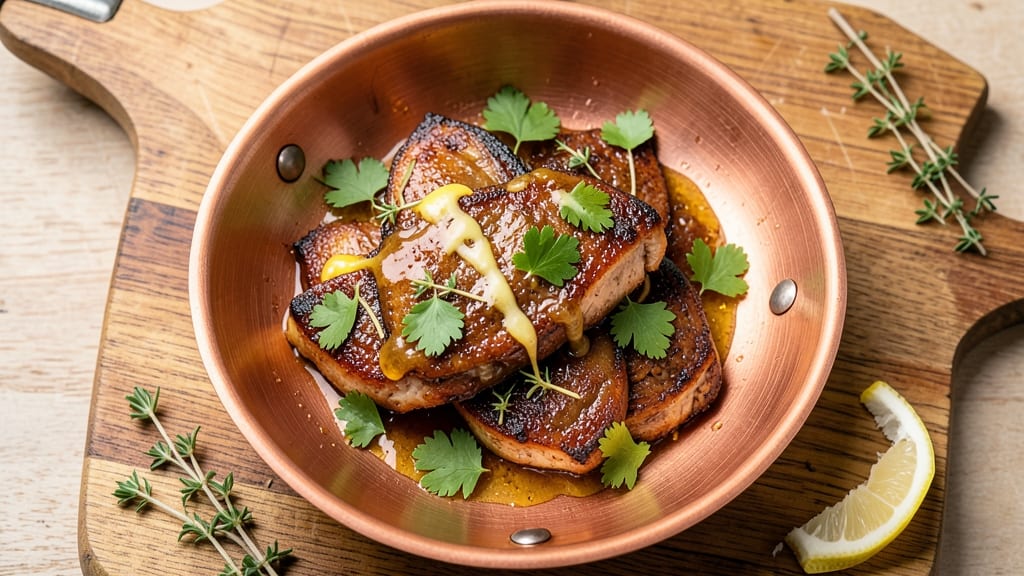
Frying chicken livers transforms them from simple offal into a luxurious, buttery dish that rivals any restaurant specialty.
The secret lies in proper preparation—soaking to remove impurities, patting dry for an even crust, and frying in just the right amount of oil to achieve that golden, crispy exterior while keeping the interior tender.
I’ve perfected this method over years of testing, ensuring every bite delivers that perfect balance of texture and flavor.
This recipe delivers pan-sear perfection with a herbed butter crust that adds depth without overpowering the natural richness of the livers. The process is straightforward but requires attention to detail—starting with a cold pan to render fat slowly, then finishing with a quick sear for color and texture.
You’ll need just a few simple ingredients, but the technique ensures professional results every time.
The result is a dish that’s bold, savory, and impossibly tender—crispy on the outside, silky within, and coated in a fragrant herbed butter that ties everything together.
Serve immediately with a squeeze of lemon or a sprinkle of parsley to brighten the plate, and pair with roasted potatoes or crusty bread to soak up every last bit of the buttery pan juices.
Fair warning: once you try this method, store-bought versions will never compare. The key is confidence in the process—trust the timing, control the heat, and you’ll have a dish worthy of any special occasion. Let’s get started on creating restaurant-quality chicken livers at home.
Ingredients for frying chicken livers
Buttery, crispy, and packed with flavor—just a handful of ingredients transform simple chicken livers into a restaurant-worthy dish.
| Ingredient | Amount | Notes |
|---|---|---|
| Chicken Livers 🍗 | 1 lb | Fresh, trimmed of connective tissue |
| Unsalted Butter 🧈 | ½ cup | Cold, cut into 1-inch cubes |
| Fresh Parsley 🌿 | ¼ cup | Finely chopped, stems removed |
| Fresh Thyme Leaves 🌿 | 1 tbsp | Finely chopped, stems removed |
| Garlic Cloves 🧄 | 4 cloves | Minced, for herbed butter |
| Lemon Juice 🍋 | 1 tbsp | Freshly squeezed |
| Kosher Salt 🧂 | 1 ½ tsp | For seasoning livers |
| Ground Black Pepper 🌶️ | ½ tsp | Freshly ground |
| Vegetable Oil 🫒 | ½ cup | High smoke point, for frying |
| All-Purpose Flour 🌾 | ¼ cup | For dredging (optional) |
| Ice Water 💧 | 1 cup | For soaking livers |
| Lemon Wedges 🍋 | 2 whole | For serving |
| Fresh Parsley Sprigs 🌿 | 4 whole | For garnish |
The quality of your chicken livers makes all the difference. Look for fresh, bright red livers at your local butcher or high-end grocery store like Whole Foods—they’re usually sold in the meat counter rather than pre-packaged. Trim any connective tissue or silver skin, then soak them in ice water for 30 minutes to remove impurities. This step is non-negotiable for the best texture. If you can’t find fresh livers, high-quality frozen ones work too, just thaw them in the fridge overnight. The butter should be cold and unsalted—it’s the base of our herbed crust, so don’t skimp on quality. I always grab European-style butter from Land O’Lakes or Plugrá for the best flavor.
No fresh parsley? Dried parsley at half the amount works in a pinch, but fresh is ideal for that bright pop of color and flavor. Running out of thyme? Fresh rosemary or sage can substitute, though thyme’s earthy note is key here. For the garlic, roasted garlic adds a sweet depth if you prefer. The lemon juice can be swapped for white wine vinegar if needed, though fresh lemon brightens the dish beautifully. If you’re feeling fancy, add a pinch of smoked paprika to the herbed butter for extra complexity. And while the flour dredge isn’t mandatory, it creates that perfect golden crust—worth the extra minute if you’re aiming for restaurant-quality results.
Livers cook in a flash—just 3-4 minutes total—so keep them moving in the pan. Once fried, they’ll stay warm for about 10 minutes if held in a 200°F oven. For best results, fry in batches to avoid overcrowding the pan. The herbed butter can be made a day ahead and stored in the fridge, wrapped tightly in plastic. Leftover livers reheat beautifully in a 350°F oven for 5-7 minutes, though they’re best served fresh. Garnish with extra parsley and lemon wedges right before serving—the acidity cuts through the richness and makes the dish shine.
Why You'll Love This Recipe
- One-Pan Magic: That ice water soak? Game-changer. No more guessing about bitterness—just toss the livers in, drain, and pat dry while the oil heats up. By the time you’re tossing the herbed butter (which you can prep ahead, genius), you’ve got crispy livers on the table in under 20 minutes. No extra pans, no stress.
- Herbed Butter Bliss: The butter here isn’t just butter—it’s a flavor bomb of minced garlic, lemon juice, and fresh thyme that coats every bite. That crispy edge from the flour (or oil) paired with the creamy, garlicky finish? It’s the kind of dish where people will ask for seconds without you even having to ask. Trust me, the parsley and thyme make it taste like a fancy bistro, not your kitchen.
- Budget-Friendly Luxe: Chicken livers are cheap—like, $3 for a pound cheap—and this recipe stretches them into something so rich, you’ll feel like you’re eating at a high-end spot. Plus, the herbed butter can be made ahead, so you’re not scrambling during the week. My husband won’t even complain when I serve them over mashed potatoes or toasted bread. Win.
- Weeknight Hero: No fancy skills needed. The ice water soak is the only “trick,” and once you’ve done it once, it’s foolproof. Serve them with crusty bread and a squeeze of lemon, and you’ve got a meal that feels special but takes less time than ordering takeout. Even my picky teenager goes for seconds—proof it works for everyone.
Step-by-step instructions for pan-seared chicken livers
Here's the method for perfectly crisped livers with tender centers and rich herbed butter crust.
Prepare the Chicken Livers
Place the 1 lb chicken livers in a bowl and cover with the 1 cup ice water. Let them soak for 15 minutes - this removes any bitterness and helps them cook evenly. After soaking, drain and pat completely dry with paper towels. I can't stress enough how important this drying step is - any moisture will prevent proper browning.
While the livers drain, prepare the herbed butter by combining the ½ cup unsalted butter, ¼ cup finely chopped fresh parsley, 1 tbsp finely chopped fresh thyme leaves, 4 minced garlic cloves, 1 tbsp lemon juice, 1½ tsp kosher salt, and ½ tsp ground black pepper in a small bowl. Mix well and chill until ready to use. This aromatic butter will create the signature crust we're after.
Create the Crispy Crust
Heat the ½ cup vegetable oil in a large skillet over medium-high heat until it shimmers - about 3 minutes. The oil should register around 350°F on an instant-read thermometer. Working in batches to avoid crowding, lightly dredge each liver in the ¼ cup all-purpose flour, shaking off any excess. This optional flour coating adds extra texture to the crust.
Carefully add the floured livers to the hot oil, being gentle to avoid splattering. Cook for 2-3 minutes per side until golden brown and crispy. You'll know they're ready when they release easily from the pan and the edges are deeply browned. Remove to a paper towel-lined plate to drain excess oil.
Finish with Herbed Butter
Reduce heat to medium and add the chilled herbed butter to the same skillet. Let it melt completely, about 1 minute, then return the cooked livers to the pan. Toss gently to coat each liver thoroughly with the butter mixture. The residual heat will finish melting the butter and create that signature crust we're aiming for.
Cook for an additional 1-2 minutes until the butter forms a glossy coating on the livers. They should be heated through but still tender - overcooking at this stage will make them tough. Transfer to a serving platter and garnish immediately with the 4 fresh parsley sprigs. Serve with the 2 lemon wedges for squeezing over the top.
Pro Tips For Making Frying Chicken Livers
- Skip the Crowding: I learned this the hard way—piling livers in the pan steams them instead of searing, and you end up with soggy edges. Work in batches, even if it means two trips to the stove. The oil stays hotter, and you’ll get that golden crust every time.
- Dry Like Your Life Depends on It: That 15-minute ice water soak isn’t just for bitterness—it’s for moisture control. After draining, pat those livers thoroughly with paper towels. Wet spots won’t brown, and you’ll be left with uneven cooking. Trust me, the extra 30 seconds saves you from rubbery livers.
- Butter Needs to Chill: Warm herbed butter? It’ll melt into a sad, greasy mess before you even coat the livers. Keep that mixture cold until the last step—it’ll cling better and give you that glossy, flavor-packed crust. Pop it in the fridge for 10 minutes if you’re impatient like me.
- Test with a Thermometer: The oil should shimmer like a disco ball, but if you’re unsure, grab an instant-read thermometer. Hit 350°F—any lower, and the flour won’t crisp; any higher, and you risk burning the outsides before the insides cook. No thermometer? Watch the oil carefully—it should be hot enough to make a breadcrumb sizzle instantly.
Wine and beer pairings for frying chicken livers
Wine Pairings
For this rich, buttery dish, a crisp white wine cuts through the intensity beautifully. I always reach for a dry Riesling from Germany or Alsace—the slight acidity and stone fruit notes balance the liver’s deep savoriness.
A Pinot Noir from Oregon, especially one with bright cherry and earthy undertones, also works wonderfully, as its light body won’t overpower the delicate texture. Avoid heavy, tannic reds that might clash with the herbed butter’s aromatic profile. 🍷
Beer Options
A Belgian witbier like Leffe or Hoegaarden is my go-to—its citrusy, coriander-infused flavor enhances the dish’s herbed notes without competing. For a bolder option, a German Helles lager provides a clean, malty backdrop that highlights the crispy exterior and tender interior.
Skip dark stouts or hoppy IPAs, as they’ll overpower the subtle flavors. 🍺
Non-Alcoholic Pairings
If you’re avoiding alcohol, a sparkling apple cider with a touch of cinnamon adds effervescence that refreshes the palate. Alternatively, a ginger-infused iced tea with fresh mint balances the dish’s richness with its zesty kick. Both options keep the meal light and vibrant. 💧
Seasonal Considerations
In summer, a rosé from Provence with its floral and fruity notes pairs perfectly with the herbed butter’s fresh herbs. For winter, a dry sparkling wine like Crémant adds a festive touch while cleansing the palate between bites. The acidity in both complements the dish’s depth. ✨
Pairing Pro Tip
Serve your wine or beer slightly chilled—around 45°F for whites and 50°F for beers—to enhance their crispness and contrast the dish’s warmth. A 10-minute chill in the fridge before serving does the trick. This temperature control makes every sip and bite harmonize beautifully. 🍷
Nutrition facts
Frequently asked questions
Why do I need to soak chicken livers before frying?
Soaking removes impurities and blood that can make the livers bitter or cause splattering during cooking. The 15-minute ice water soak also helps them cook more evenly, ensuring a tender texture. Skipping this step risks a gamey flavor and uneven browning.
Can I use frozen chicken livers for this recipe?
Yes, but thaw them properly first! Place frozen livers in a sealed bag in the fridge overnight. Never thaw at room temperature, as this promotes bacterial growth. Pat them completely dry before cooking to ensure a crispy crust.
What's the best oil for frying chicken livers?
Use a high-smoke-point oil like vegetable, canola, or avocado oil. The key is maintaining a steady 350°F temperature—too hot and they'll burn; too cool and they'll steam instead of crisp. A deep skillet helps maintain even heat.
How do I fix rubbery or overcooked chicken livers?
Overcooking happens when livers exceed 145°F internally. For rubbery texture, reduce cooking time to 2-3 minutes per side max. If already overdone, try slicing thinly and serving with a bright sauce (like lemon aioli) to cut through the toughness.
Can I make the herbed butter ahead of time?
Prepare it up to 24 hours ahead and store in the fridge, tightly wrapped. Let it sit at room temperature for 15 minutes before using to soften slightly. The flavors meld beautifully overnight, enhancing the crust's depth.