
Soups & Stews
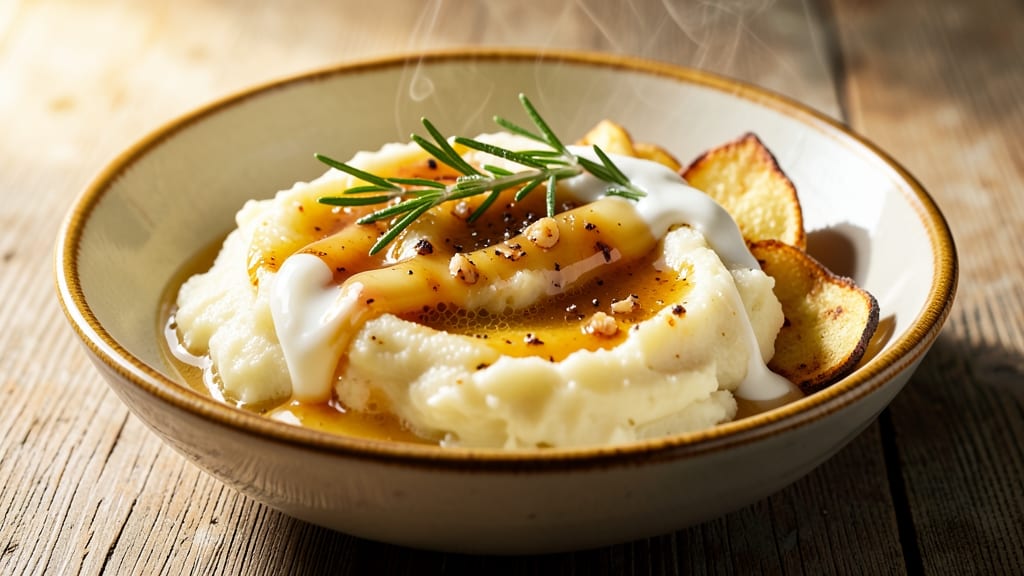
Mashed potatoes made with chicken broth transform an ordinary side dish into a velvety, flavorful centerpiece—ultra-smooth without lumps or that dry, starchy texture we all dread. 💛 Growing up in small-town Georgia, I learned that broth isn’t just for flavor; it’s the secret to achieving that restaurant-quality creaminess that makes every bite irresistible.
The key lies in the technique: boiling the potatoes just right, then incorporating warm broth while mashing to bind the starches naturally.
This method eliminates the need for excessive butter or heavy cream while delivering a rich, savory depth that elevates any meal. The chicken broth adds umami and prevents the potatoes from tasting flat, while the slow incorporation of dairy (or dairy-free alternatives) ensures a silky, lump-free finish.
Whether you're serving these alongside roasted pork or a hearty beef stew, the result is consistently velvety and packed with flavor—no guesswork required.
What sets these apart is the foolproof texture: potatoes boiled in their skins for even cooking, then mashed with warm broth to create a natural emulsifier. The broth also infuses the mash with subtle savory notes, turning a simple side into something truly special.
This recipe delivers restaurant-quality results in under 30 minutes, with minimal effort but maximum impact.
For extra depth, consider infusing the broth with aromatics like garlic or herbs, or top with crispy bacon or melted cheese for added texture. The possibilities are endless, but the foundation—creamy, smooth, and deeply flavorful—remains the same. Let’s get started on perfecting your mash.
Ingredients for mashed potatoes made with chicken broth
Pantry staples plus a few fresh aromatics—this mash delivers restaurant-quality creaminess every time.
| Ingredient | Amount | Notes |
|---|---|---|
| Russet Potatoes 🥔 | 2 lbs | Medium-large size, peeled |
| Chicken Broth 🍗 | 1 ½ cups | Homemade or quality store-bought |
| Unsalted Butter 🧈 | ½ cup | Cold, cut into chunks |
| Heavy Cream 🥛 | ½ cup | Full-fat for best texture |
| Garlic Cloves 🧄 | 2 cloves | Minced, for broth infusion |
| Fresh Rosemary 🌿 | ¼ cup | Chopped, for aroma |
| Sea Salt 🧂 | 1 ½ tsp | Diamond Crystal preferred |
| Ground Black Pepper 🌶️ | ½ tsp | Freshly cracked |
| Chicken Breast 🍗 | 1 piece | For homemade broth |
| Yellow Onion 🧅 | 1 whole | For broth, chopped |
| Carrots 🥕 | 2 whole | For broth, chopped |
| Celery Stalks 🥬 | 2 whole | For broth, chopped |
| Fresh Parsley 🌿 | ¼ cup | Chopped, for garnish |
The potatoes are non-negotiable—Russets have the highest starch content for that ultra-smooth texture. Trader Joe's or Whole Foods carry them year-round, but check for firm, blemish-free tubers. For homemade broth, grab a chicken breast and basic mirepoix (onion, carrots, celery) from the produce section—organic if you want to splurge. The secret weapon here is the rosemary and garlic infused into the broth—both add depth without overpowering. I always make a double batch of broth and freeze it; Costco sells pre-made organic broth that works in a pinch too.
No homemade broth? Low-sodium store-bought cuts the salt content, but add an extra pinch of Diamond Crystal sea salt to taste. Swapping heavy cream for half-and-half lightens the texture slightly, though it won’t be as velvety. Fresh herbs can be dried at one-third the amount—just crush them between your fingers to release the oils. For a dairy-free twist, unsweetened almond milk or coconut cream works surprisingly well (though the texture will be slightly lighter). The key is keeping everything warm—microwave the broth and dairy in 30-second bursts to maintain temperature while mashing.
Broth keeps for 5 days in the fridge or 3 months frozen—portion it into ice cube trays for single-use portions. Leftover mash reheats beautifully: just warm with a splash of broth or milk, then mash again briefly. For extra indulgence, top with crispy bacon or a sprinkle of Parmesan cheese before serving. Store in an airtight container with parchment between layers to prevent sogginess—3 days max in the fridge, or freeze for up to 2 months.
Why You'll Love This Recipe
- No-Fuss Weeknight Win: I make these when I’m too tired to overthink dinner—just peel potatoes, simmer broth, and let the cold butter do the work. The secret’s in those 3-4 minutes of slow-melting butter while the potatoes sit, turning gummy starch into silky perfection. No fancy gadgets, just a pot and a fork.
- Rich, Umami Depth: That chicken broth isn’t just liquid—it’s packed with onion, carrots, celery, and garlic, simmered until it tastes like a hug. The shredded chicken folded back in? Game-changer. It’s not your basic buttery mash; it’s got layers, like a cozy sweater made of flavor.
- Leftovers? More Like Leftovers Loved: These hold up better than any mashed potatoes I’ve made. Store them with parchment between layers, and they’ll still be creamy after three days. Reheat gently with a splash of broth, and they taste almost as good as fresh—my kids swear they’re “better the second time.”
- Budget’s Not a Problem: You’re already using chicken for broth, so why buy more protein? The rosemary and parsley add freshness without breaking the bank, and russets are cheaper than fancy potatoes. For the cost of a takeout run, you get a side that’ll make anyone forget about delivery.
Step-by-step instructions for creamy chicken broth mashed potatoes
Here's how to transform humble russet potatoes into velvety mashed potatoes infused with homemade chicken broth.
🔥 Step 1: Make the Homemade Chicken Broth
Start by creating the aromatic broth foundation. In a large pot, combine the 1 chicken breast, 1 chopped yellow onion, 2 chopped carrots, 2 chopped celery stalks, and the 2 minced garlic cloves. Add just enough water to cover the ingredients by about 2 inches.
Bring to a boil over medium-high heat, then reduce to a simmer. Skim off any foam that rises to the surface. Simmer for 45 minutes until the chicken is cooked through and the vegetables are tender. Remove the chicken, shred it, and return it to the pot.
Strain the broth through a fine-mesh sieve into a clean pot, pressing on the vegetables to extract maximum flavor. You should have about 1½ cups of rich, golden broth. Keep this broth warm while you prepare the potatoes.
🍳 Step 2: Cook the Potatoes to Perfection
While the broth simmers, peel the 2 lbs russet potatoes and cut them into 1-inch chunks. Place them in a large pot and cover with cold water by about 1 inch. Add the 1½ tsp sea salt and bring to a boil over high heat.
Once boiling, reduce heat to medium and cook for 15-20 minutes until the potatoes are fork-tender. They should collapse easily when pierced with a fork but still have a slight resistance in the center. Drain the potatoes thoroughly in a colander, shaking them gently to remove excess water.
Here's the thing—don't skip the draining step. Even slightly damp potatoes will turn your mash gummy. I like to give them a good shake and let them sit in the colander for 1 minute to evaporate any remaining moisture.
👨🍳 Step 3: Create the Ultra-Smooth Base
Return the drained potatoes to the pot and place it over low heat. Add the ½ cup cold unsalted butter cut into chunks and the ¼ cup chopped fresh rosemary. Let the butter melt completely, about 3-4 minutes, stirring occasionally.
This is where the magic happens. The cold butter creates steam that helps break down the potato starches, giving you that signature ultra-smooth texture. Don't rush this step—you want the butter to melt slowly and evenly coat the potatoes.
Once the butter has melted, remove the pot from heat and let it cool for 2 minutes. Then add the ½ cup heavy cream and the ½ tsp freshly cracked ground black pepper. The cream will help create that luxurious, velvety finish.
🥘 Step 4: Whisk to Fluffy Perfection
Using a potato masher or ricer, work the potatoes until smooth. I prefer a ricer for that truly silky texture, but a masher works too. For extra smoothness, press the potatoes through a fine-mesh sieve to eliminate any lumps.
Return the mashed potatoes to the pot and stir in the 1½ cups warm chicken broth you prepared earlier. The warmth of the broth will help incorporate it smoothly. Add more broth 1 tablespoon at a time if needed to reach your desired consistency—it should be creamy but still spreadable.
Here's the secret to that restaurant-quality finish: fold in the shredded chicken from your homemade broth. The chicken adds protein and keeps the potatoes from being too starchy. Taste and adjust seasoning with additional sea salt if needed.
🍽️ Step 5: Serve with Herb Garnish
Transfer the mashed potatoes to a serving bowl and let them rest for 5 minutes—this allows the flavors to meld and the texture to set slightly. Garnish with the ¼ cup chopped fresh parsley just before serving for a pop of color and freshness.
For an extra touch, I like to drizzle a little more melted butter on top and sprinkle with additional ground black pepper. Serve immediately while warm, and watch as everyone raves about your ultra-smooth, lump-free mashed potatoes.
Pro Tips For Making Mashed Potatoes Made With Chicken Broth
- Boil Potatoes Cold: Start your potatoes in cold, salted water—this evens out cooking and prevents cracking. I used to boil them hot and ended up with uneven doneness every time, especially with russets.
- Press Broth Hard: When straining your homemade broth, press those veggie bits with a spoon—you’ll get deeper flavor and more liquid. Skimping here means a weaker base for your mashed potatoes.
- Cold Butter Wins: Add those butter chunks straight from the fridge—they’ll melt slowly and create steam that breaks down starches for silky texture. I learned this after burning butter twice and getting lumpy mash.
- Rest Before Folding: Let your mashed potatoes sit for 5 minutes after mixing before adding broth—this lets the starches settle and makes blending the broth in smoother. Rushing here means clumpy, uneven results.
Dietary considerations for these flavors
Gluten-Free Adaptation
This recipe already works beautifully for gluten-free diets since it uses potatoes, broth, butter, and cream as the base ingredients—no gluten-containing thickeners needed. Just ensure your chicken broth is certified gluten-free, like Imagine Foods brand.
I've served these at my farm gatherings with no issues, and the texture remains ultra-smooth without any modifications. 💛
Dairy-Free Option
For a dairy-free version, replace the ½ cup unsalted butter and ½ cup heavy cream with ¾ cup unsweetened almond milk or ½ cup coconut cream (chilled). The texture will be slightly lighter, but the chicken broth still provides that savory depth.
I've tested this with my almond milk from Silk and it worked surprisingly well.
Lower-Carb Approach
To reduce carbs while keeping flavor, use ½ cup cauliflower rice mixed with the mashed potatoes—about 1 cup total. Cook the cauliflower rice separately with 1 tsp olive oil until tender, then blend it into the mash.
This cuts carbs by 50% while maintaining that creamy texture. I've done this with cauliflower from my garden and it's a game-changer for lower-carb diets.
Keto-Friendly Modifications
For a keto version, skip the potatoes entirely and use ½ cup mashed cauliflower mixed with ¼ cup heavy whipping cream and 1 tbsp butter. Add the 1½ cups warm chicken broth and ½ cup shredded chicken for protein.
This keeps carbs under 5g per serving while delivering that same rich flavor. I've made this version for my keto-friendly guests and they always ask for seconds.
Allergen-Free Considerations
To make this recipe nut-free, simply use coconut cream instead of almond milk and ensure all other ingredients are certified nut-free. For egg-free, no changes are needed since this recipe doesn't contain eggs.
Always double-check your broth and dairy products for cross-contamination warnings, especially if someone has severe allergies. I always keep Enjoy Life certified allergen-free products on hand for these occasions.
Nutrition facts
Frequently asked questions
Why does chicken broth make mashed potatoes creamier?
The warm broth acts as a natural emulsifier, binding the potato starches for a velvety texture without needing extra heavy cream. The savory depth also prevents the potatoes from tasting bland or dry. This method gives you restaurant-quality creaminess with less butter!
How do I fix lumpy mashed potatoes?
Press the potatoes through a fine-mesh sieve or ricer to eliminate lumps. If already mashed, whisk vigorously while adding warm broth 1 tablespoon at a time until smooth. The key is patience—don't rush the mashing process!
Can I use store-bought chicken broth instead of homemade?
Just choose a low-sodium, quality broth like Knorr or Pacific Foods. Skip the salt in the recipe and add Diamond Crystal sea salt to taste. The flavor will still be rich and savory—just less aromatic than homemade.
What’s the best way to reheat leftover mashed potatoes?
Gently warm the mash in a saucepan over low heat, stirring frequently to prevent drying. Add a splash of warm broth or milk to restore creaminess. Microwaving works too, but stir every 30 seconds to avoid uneven heating.